


- Beyond General Skin Resurfacing: What Specific Advanced Applications Can a Modern CO₂ Fractional Laser Machine Effectively Address, and How Do I Determine if a Particular Model is Optimized for My Clinic's Niche Services Like Scar Revision or Vaginal Rejuvenation?
- What Are the True Long-Term Operational Costs and Consumables Associated with a CO₂ Fractional Laser Machine, and How Can I Accurately Project My Return on Investment (ROI) Considering Factors Like Handpiece Lifespan and Energy Shot Costs?
- What Critical Regulatory Certifications (e.g., FDA, CE) and Safety Features Should I Prioritize When Evaluating CO₂ Fractional Laser Machines to Ensure Both Patient Safety and Clinic Compliance, Especially for New Operators?
- When Searching for Reliable CO₂ Fractional Laser Machine Dealers, What Specific Questions Should I Ask Regarding Their After-Sales Support, Warranty Terms, and Technician Training Programs to Avoid Future Operational Disruptions?
- How Do Technical Specifications Like Pulse Duration, Spot Size, and Energy Density Directly Translate into Practical Clinical Outcomes for Various Skin Types and Conditions, and What's the Optimal Balance for a Versatile Machine?
- What Are the Most Common Maintenance Pitfalls for CO₂ Fractional Laser Machines, and What Proactive Steps, Including Professional Servicing Schedules and In-House Daily Care, Can Significantly Extend the Lifespan and Consistent Performance of My Investment?
Where to find reliable CO₂ fractional laser machine dealers?
Navigating the CO₂ Fractional Laser Landscape: A Beginner's Guide to Smart Purchases and Reliable Dealers
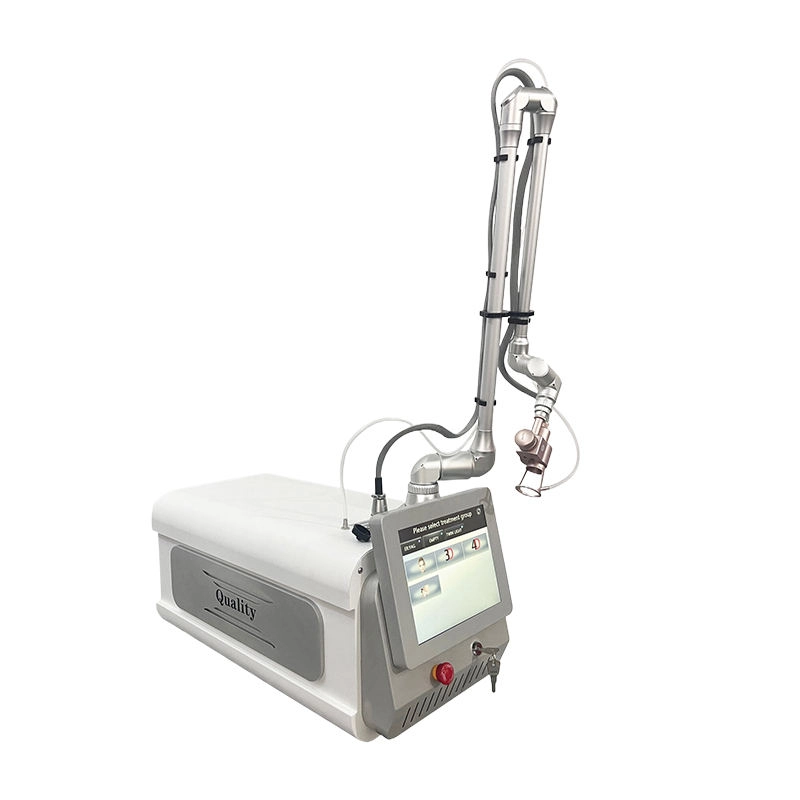
Investing in a CO₂ fractional laser machine is a significant decision for any aesthetic clinic or dermatology practice. This advanced skin resurfacing laser offers unparalleled results for various skin concerns, from acne scar removal to wrinkle reduction and pigmentation treatment. However, for beginners, the market can seem daunting, filled with technical jargon and varied claims. This guide aims to cut through the noise, providing in-depth answers to frequently asked, pain-point-oriented questions that often lack comprehensive online resources, helping you find reliable CO₂ fractional laser machine dealers and make a confident purchase.
Beyond General Skin Resurfacing: What Specific Advanced Applications Can a Modern CO₂ Fractional Laser Machine Effectively Address, and How Do I Determine if a Particular Model is Optimized for My Clinic's Niche Services Like Scar Revision or Vaginal Rejuvenation?
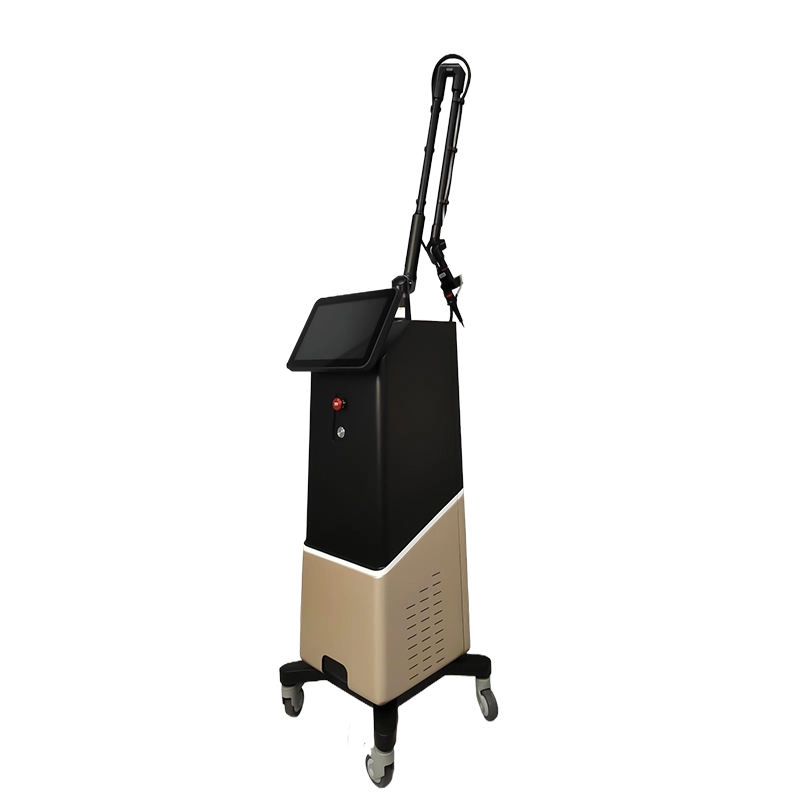
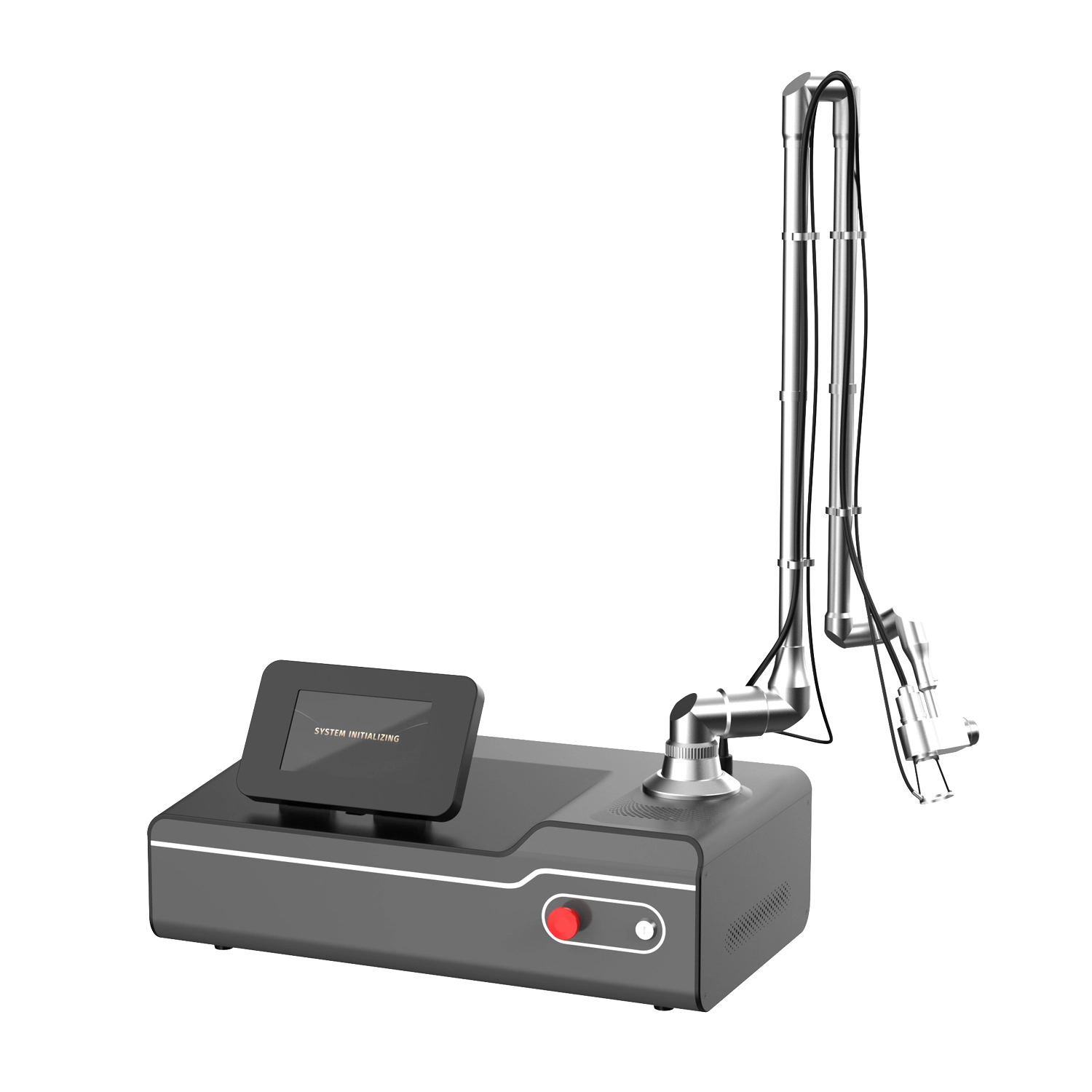
While CO₂ fractional laser technology is renowned for general skin rejuvenation, modern machines are incredibly versatile. Beyond treating fine lines, wrinkles, sun damage, and general skin texture, they excel in more specialized applications. These include aggressive scar revision (acne scars, surgical scars, traumatic scars), stretch mark laser treatment, and even vaginal rejuvenation CO₂ laser procedures. The key to determining optimization lies in specific machine features. For scar revision, look for models offering highly customizable pulse durations and energy densities, allowing for precise control over ablation depth and thermal coagulation zones. A smaller, adjustable spot size is also crucial for targeting individual scars. For vaginal rejuvenation, specialized handpieces (often cylindrical or conical) are essential, designed for internal tissue treatment. Furthermore, the software interface should offer pre-set protocols for these specific applications, providing a starting point for new operators while allowing for expert customization. Always inquire about the availability of diverse handpieces and dedicated treatment modes during your evaluation.
What Are the True Long-Term Operational Costs and Consumables Associated with a CO₂ Fractional Laser Machine, and How Can I Accurately Project My Return on Investment (ROI) Considering Factors Like Handpiece Lifespan and Energy Shot Costs?
Understanding the true cost of ownership for a professional laser device goes beyond the initial purchase price. Long-term operational costs are critical for accurate clinic laser investment and ROI projections. Key consumables typically include disposable tips for handpieces, which often have a limited number of shots or a specified lifespan. For instance, some fractional CO2 laser systems use tips that need replacement after a certain number of pulses (e.g., 10,000-50,000 shots), directly impacting your per-treatment cost. Factor in the cost of these tips, which can range from a few dollars to tens of dollars each. Additionally, regular maintenance, including filter replacements and annual professional servicing, is essential to ensure the longevity and consistent performance of your dermatology laser equipment. Don't forget the cost of specialized cooling gels, protective eyewear, and post-treatment skincare products. To project ROI, calculate your average treatment price, subtract the per-treatment consumable cost, and then factor in the machine's depreciation and annual service fees. A reliable supplier CO₂ laser machine should provide clear pricing for all consumables and service contracts, enabling transparent financial planning.
What Critical Regulatory Certifications (e.g., FDA, CE) and Safety Features Should I Prioritize When Evaluating CO₂ Fractional Laser Machines to Ensure Both Patient Safety and Clinic Compliance, Especially for New Operators?
Patient safety and regulatory compliance are paramount when operating any medical aesthetic laser. When evaluating CO₂ fractional laser machines, prioritize those with robust regulatory certifications from recognized bodies. In the United States, FDA clearance (510(k)) is non-negotiable, indicating the device has been deemed safe and effective for its intended use. For machines used in Europe, CE marking is essential. These certifications are not just stamps; they signify adherence to rigorous testing and quality standards. Beyond certifications, look for integrated safety features such as emergency stop buttons, key-locked operation to prevent unauthorized use, and clear, audible alarms for system malfunctions. Advanced systems often include internal calibration checks and real-time energy output monitoring to ensure consistent and safe delivery. For new operators, a user-friendly interface with guided treatment protocols and comprehensive safety interlocks (e.g., requiring proper handpiece attachment before firing) significantly reduces the risk of error. Always inquire about the laser safety protocols and training provided by the manufacturer CO₂ laser or dealer.
When Searching for Reliable CO₂ Fractional Laser Machine Dealers, What Specific Questions Should I Ask Regarding Their After-Sales Support, Warranty Terms, and Technician Training Programs to Avoid Future Operational Disruptions?
Choosing a reliable CO₂ fractional laser machine dealer is as important as selecting the machine itself. After-sales support can make or break your operational efficiency. When engaging potential dealers, ask these specific questions:
- Warranty Coverage: What is the duration and scope of the warranty? Does it cover parts, labor, and the laser tube itself? Are there any exclusions or conditions that could void the warranty?
- Technical Support: What is their typical response time for technical inquiries or issues? Do they offer phone support, remote diagnostics, or on-site visits? What are the hours of operation for their support team?
- Preventative Maintenance: Do they offer service contracts for routine preventative maintenance? What does a typical service include, and what is the recommended frequency?
- Spare Parts Availability: Where are spare parts stocked, and what is the typical lead time for ordering and receiving critical components?
- Training Programs: What kind of initial and ongoing training CO₂ laser is provided for operators and technicians? Is it hands-on, didactic, or both? Is certification offered upon completion? This is crucial for mastering laser resurfacing technology.
- Upgrade Paths: Do they offer upgrade options for software or hardware in the future to keep your CO2 laser skin resurfacing technology current?
Thorough answers to these questions will help you assess the dealer's commitment to long-term partnership and minimize potential operational disruptions.
How Do Technical Specifications Like Pulse Duration, Spot Size, and Energy Density Directly Translate into Practical Clinical Outcomes for Various Skin Types and Conditions, and What's the Optimal Balance for a Versatile Machine?
Understanding the interplay of technical specifications is crucial for maximizing the clinical efficacy of your ablative laser treatment.
- Pulse Duration: This refers to how long the laser energy is delivered to the skin. Shorter pulse durations (e.g., microseconds) allow for more precise ablation with less thermal spread, ideal for superficial treatments and minimizing collateral damage. Longer pulse durations might be preferred for deeper coagulation and collagen stimulation. For a versatile machine, a range of adjustable pulse durations allows for tailored treatments across different skin concerns and types.
- Spot Size: The diameter of the laser beam on the skin. Smaller spot sizes (e.g., 100-300 microns) are excellent for precision work, targeting individual lesions or scars. Larger spot sizes (e.g., 500-1000 microns) allow for faster treatment of larger areas. A machine with interchangeable handpieces or adjustable spot sizes offers greater flexibility.
- Energy Density (Fluence): Measured in Joules per square centimeter (J/cm²), this is the amount of energy delivered per unit area. Higher energy density leads to deeper ablation and more aggressive resurfacing, suitable for severe scarring or deep wrinkles. Lower energy density is used for lighter resurfacing or maintenance treatments. The optimal balance for a versatile CO2 laser skin resurfacing machine involves a broad, adjustable range for all these parameters. This allows practitioners to customize treatments for various skin types (Fitzpatrick I-VI, with caution on higher types), conditions (from fine lines to deep scars), and desired downtime fractional laser profiles, ensuring both safety and efficacy.
What Are the Most Common Maintenance Pitfalls for CO₂ Fractional Laser Machines, and What Proactive Steps, Including Professional Servicing Schedules and In-House Daily Care, Can Significantly Extend the Lifespan and Consistent Performance of My Investment?
Proper maintenance CO₂ laser is paramount to protecting your investment and ensuring consistent performance. Common pitfalls include neglecting regular cleaning, inadequate cooling system checks, and ignoring early warning signs of malfunction. To extend the lifespan and maintain optimal performance:
- Daily In-House Care: Regularly clean all external surfaces of the machine, especially the handpieces and optical lenses, using manufacturer-recommended solutions. Ensure the cooling system's water reservoir is filled with distilled water and checked daily for proper levels. Keep the treatment room dust-free to prevent particle accumulation in the internal components.
- Weekly/Monthly Checks: Inspect handpiece tips for wear and tear, replacing them as recommended. Verify that all electrical connections are secure. For systems with air filters, clean or replace them according to the manufacturer's guidelines.
- Professional Servicing: Adhere strictly to the manufacturer's recommended annual or bi-annual professional servicing schedule. During these visits, certified technicians will perform comprehensive diagnostics, calibrate the system, check the laser tube's health, inspect internal components, and update software. This proactive approach can identify potential issues before they lead to costly breakdowns and ensures your CO₂ fractional laser machine operates at peak efficiency. Neglecting these steps can lead to inconsistent energy delivery, reduced efficacy, and premature component failure, ly impacting your medical aesthetic laser's ROI.
Investing in a CO₂ fractional laser machine is a strategic move that can significantly enhance your clinic's offerings and patient satisfaction. By asking the right questions, understanding the nuances of laser resurfacing technology, and partnering with a reputable dealer, you can ensure a successful and profitable integration of this powerful device into your practice. Focus on comprehensive training, robust after-sales support, and diligent maintenance to unlock the full potential of your investment.
Ready to explore the best CO₂ fractional laser machine options for your practice? Contact us today for a personalized quote and expert guidance. Visit www.huimainbeauty.com or email coco@huimainbeauty.com.


MF6
Who can use MFFFace 6?
It is suitable for all skin types and safe for both men and women seeking facial rejuvenation.
MDZ-SC03 皮肤检测仪
What can this Skin Analyzer detect?
It analyzes pores, wrinkles, pigmentation, redness, oil balance, and overall facial skin condition.
HMT62R
How does this tabletop model compare to the larger floor-standing units?
Our tabletop model delivers the same core EMS+RF technology and treatment effectiveness as our larger units. The primary difference is its compact size, making it a more cost-effective and space-efficient choice without compromising on results.
L11先锋射频点阵
How many sessions are usually required?
Most clients see improvement after 1–3 sessions, depending on individual conditions and treatment protocols.
K-37
Is the treatment painful?
No. The treatment is comfortable, non-invasive, and feels like an intensive workout.

Get more information
If you have any comments or good suggestions, please leave us a message; later our professional staff will contact you as soon as possible.
Let's Talk
Stay in touch with us for cutting-edge beauty solutions, professional guidance, and customized service.
Contact


Room 307, Building A, Huilong International E-commerce Industrial Park, No. 10 Xipengling Road, Helong Street, Baiyun District, Guangzhou, China
© 2025 HUIMAIN. All Rights Reserved. Privacy Policy | Terms and Conditions | Sitemap
Facebook
Instagram
Medical beauty equipment factory
huimain Medical beauty equipment factory
beauty machine supplier
Whatsapp: +8619124004543