


- Beyond traditional skin resurfacing, what are the lesser-known but significant clinical applications of a CO₂ fractional laser that could expand my clinic's service offerings?
- Beyond basic regulatory approvals like CE or FDA, what advanced or country-specific certifications should I prioritize when purchasing a CO₂ fractional laser to ensure both compliance and market credibility?
- What specific safety features and operator training protocols are critical to look for in a CO₂ fractional laser machine to minimize adverse events and ensure patient and practitioner safety?
- Critical Machine Safety Features:
- Essential Operator Training Protocols:
- What are the long-term operational costs, including consumables, maintenance, and potential service contracts, that I should factor into the total cost of ownership for a CO₂ fractional laser machine?
- When comparing a CO₂ fractional laser to non-ablative or picosecond lasers, for which specific patient indications and desired outcomes does the CO₂ fractional laser offer a distinct advantage, justifying its investment?
- What critical post-purchase support, including warranty, technical assistance, and clinical training, should I demand from a CO₂ fractional laser manufacturer to ensure smooth integration and ongoing operational success?
- What is the typical patient recovery time and post-treatment care regimen following a CO₂ fractional laser procedure, and how can I effectively manage patient expectations regarding downtime and results?
- Typical Patient Recovery Time:
- Essential Post-Treatment Care Regimen:
- Managing Patient Expectations:
What certifications should a CO₂ fractional laser have?
Navigating Your First CO₂ Fractional Laser Machine Purchase: Essential Insights for Beginners
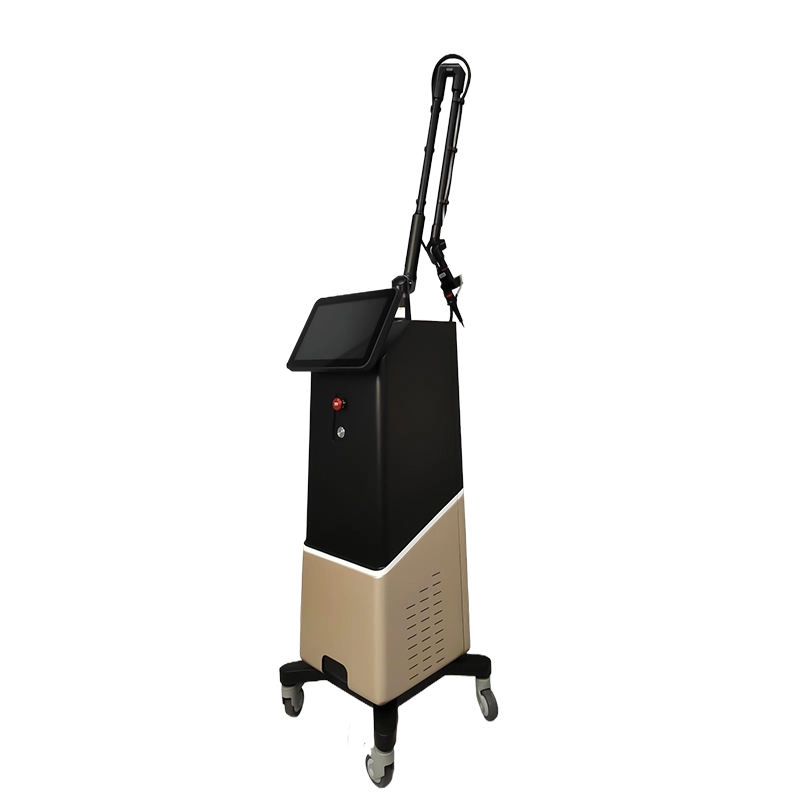
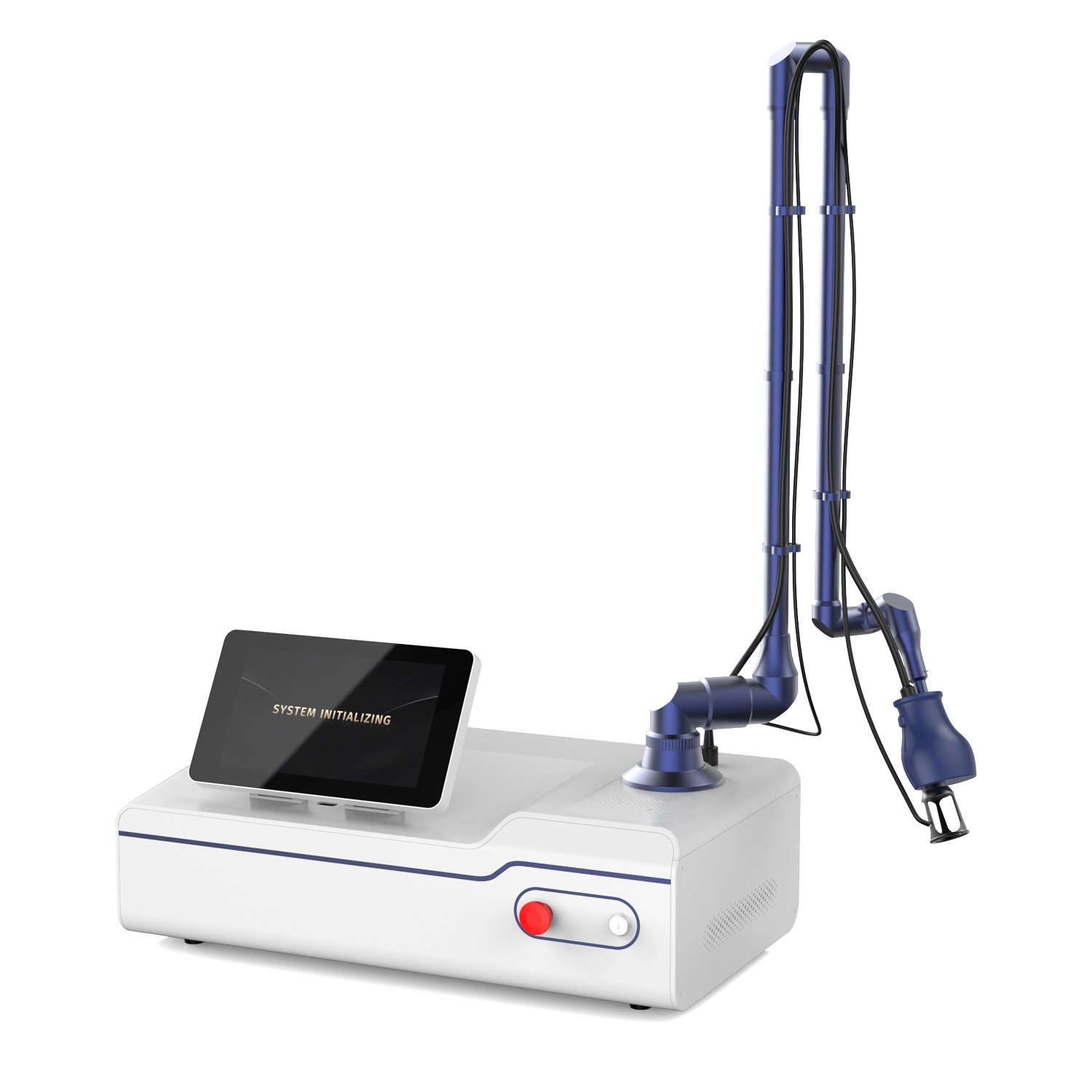
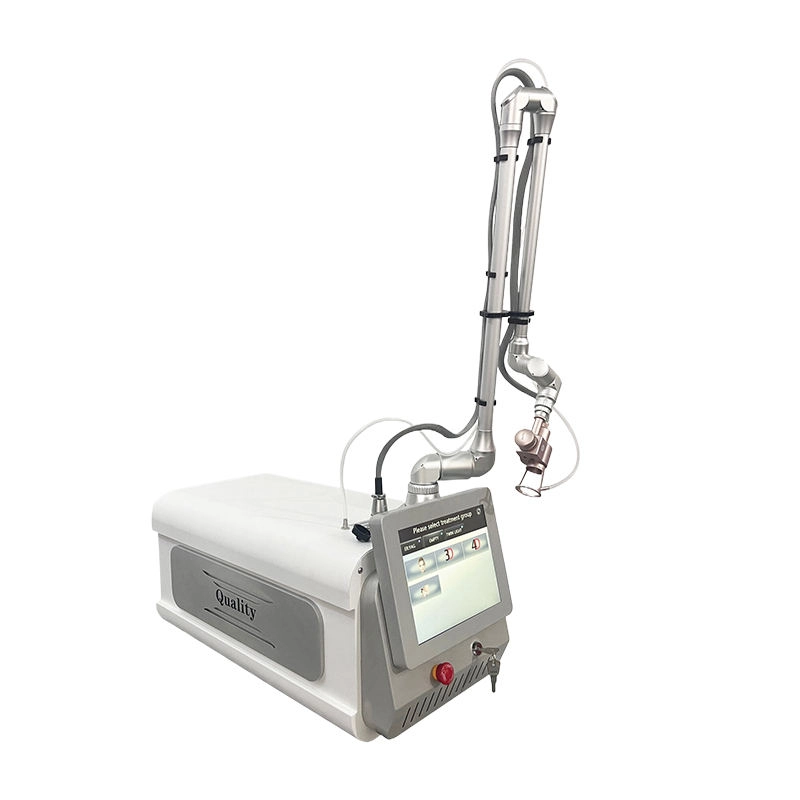
The CO₂ fractional laser machine stands as a cornerstone in advanced aesthetic and dermatological treatments, renowned for its unparalleled efficacy in skin resurfacing and rejuvenation. However, for those new to the medical aesthetics industry or looking to expand their service offerings, the journey to purchasing a high-quality CO₂ fractional laser can be daunting. Beyond the basic understanding, many beginners grapple with specific, practical questions that significantly impact their investment, operational success, and patient safety. This article delves deep into these critical inquiries, providing in-depth, expert answers to guide your decision-making process for acquiring a robust and reliable CO₂ fractional laser machine.
Beyond traditional skin resurfacing, what are the lesser-known but significant clinical applications of a CO₂ fractional laser that could expand my clinic's service offerings?
While the CO₂ fractional laser is celebrated for its dramatic results in ablative skin resurfacing, targeting deep wrinkles, severe photodamage, and textural irregularities, its versatility extends far beyond these primary applications. For a clinic looking to maximize its investment and diversify its portfolio, understanding these expanded uses is crucial. Beyond general skin rejuvenation, a well-equipped fractional CO₂ laser can effectively treat:
- Scar Revision: This includes a wide range of scars such as acne scars (ice pick, boxcar, rolling), surgical scars, and traumatic scars. The precise micro-ablative columns stimulate aggressive collagen remodeling and elastin production, significantly improving scar texture, depth, and appearance.
- Pigmented Lesions: While often associated with IPL or Q-switched lasers, the CO₂ laser can be highly effective for certain resistant epidermal pigmented lesions like solar lentigines (sun spots), seborrheic keratoses, and even some forms of melasma (when used with extreme caution and appropriate parameters to avoid post-inflammatory hyperpigmentation).
- Skin Tags, Warts, and Benign Lesion Removal: The precise cutting and ablative capabilities of a CO₂ laser make it an excellent tool for removing various benign skin growths with minimal scarring, offering a clean and efficient alternative to traditional surgical excision for many cases.
- Stretch Marks (Striae): Especially for older, white stretch marks, the fractional CO₂ laser can induce collagen and elastin synthesis within the dermal layers, leading to noticeable improvement in texture and color.
- Vaginal Rejuvenation: Many modern CO₂ fractional laser systems offer specialized handpieces and protocols for gynecological applications. This includes treatments for vaginal laxity, stress urinary incontinence, and symptoms of vaginal atrophy (e.g., dryness, painful intercourse) by stimulating collagen production in the vaginal mucosa. This is a rapidly growing market segment for aesthetic clinics.
Embracing these diverse applications can significantly enhance your clinic's revenue streams and patient satisfaction, positioning your practice as a comprehensive solution provider for various dermatological and aesthetic concerns.
Beyond basic regulatory approvals like CE or FDA, what advanced or country-specific certifications should I prioritize when purchasing a CO₂ fractional laser to ensure both compliance and market credibility?
While CE marking (for the European Economic Area) and FDA clearance (for the United States) are fundamental regulatory requirements for medical aesthetic devices, a truly diligent buyer should look deeper, especially when considering a significant investment like a CO₂ fractional laser machine. Prioritizing additional, often country-specific, certifications ensures not only legal compliance but also signals a manufacturer's commitment to quality, safety, and efficacy, bolstering your clinic's credibility:
- ISO 13485 Certification: This is a global standard for medical device quality management systems. A manufacturer holding ISO 13485 demonstrates a robust system for designing, developing, producing, installing, and servicing medical devices. This certification is a strong indicator of consistent quality and reliability, directly impacting the longevity and performance of your CO₂ laser system.
- Specific Market Clearances (beyond FDA/CE): Depending on your operational geography, other national regulatory bodies have their own stringent approval processes. For instance:
- KFDA (Korea Food & Drug Administration): Essential for clinics operating in South Korea, known for its advanced aesthetic market.
- TGA (Therapeutic Goods Administration): Mandatory for Australia, ensuring devices meet high safety and performance standards.
- Health Canada Approval: Required for devices marketed and sold in Canada.
- Clinical Evidence and Peer-Reviewed Publications: While not a 'certification' in the traditional sense, a manufacturer's ability to provide extensive clinical data, including peer-reviewed studies demonstrating the efficacy and safety of their CO₂ fractional laser technology, is paramount. This scientific backing validates the device's claims and provides practitioners with confidence in its performance.
Investing in a CO₂ fractional laser machine with these advanced certifications not only ensures legal operation but also positions your clinic as a provider of safe, high-quality, and ethically sourced treatments, which is invaluable for patient trust and business growth.
What specific safety features and operator training protocols are critical to look for in a CO₂ fractional laser machine to minimize adverse events and ensure patient and practitioner safety?
Patient and practitioner safety should be the paramount concern when operating any medical aesthetic device, especially a powerful ablative laser like the CO₂ fractional laser. Minimizing adverse events requires a combination of advanced machine safety features and comprehensive operator training protocols:
Critical Machine Safety Features:
- Emergency Stop Button: A prominent, easily accessible button that immediately cuts power to the laser in case of an unforeseen event.
- Key Switch and Password Protection: Prevents unauthorized operation and ensures only trained personnel can activate the device.
- Precise Energy Delivery and Calibration: The system must deliver consistent and accurate energy levels as programmed. Regular, easy-to-perform calibration checks are essential to ensure output stability.
- Integrated Cooling System: An efficient internal cooling system prevents overheating of the device, ensuring stable performance and longevity.
- Beam Delivery System Integrity: For articulated arm systems, robust construction and easy alignment checks are crucial to prevent beam misalignment, which can lead to inconsistent treatment or safety hazards.
- Adjustable Spot Size and Density Control: Allows for precise customization of treatment based on skin type, indication, and desired downtime, minimizing risks like hyperpigmentation or scarring.
- Smoke Evacuation Port: All ablative laser procedures generate surgical smoke plumes, which can contain biohazards. An integrated or easily attachable smoke evacuator port is critical for maintaining air quality and protecting both patient and operator.
Essential Operator Training Protocols:
- Didactic Training: In-depth theoretical knowledge covering laser physics, tissue interaction, skin anatomy, indications, contraindications, patient selection, pre- and post-treatment care, and potential complications.
- Hands-On Practical Training: Supervised practical sessions on live models or phantoms to develop proficiency in operating the device, understanding different handpieces, adjusting parameters, and mastering treatment techniques.
- Laser Safety Officer (LSO) Training: For at least one staff member, comprehensive training on laser safety standards, facility requirements, protective eyewear protocols, and emergency procedures.
- Understanding of Skin Phototypes: Thorough training on treating various Fitzpatrick skin types, especially darker skin tones, to mitigate risks of post-inflammatory hyperpigmentation (PIH) or hypopigmentation.
- Ongoing Education and Refresher Courses: The field evolves, and continuous learning ensures operators stay updated on best practices, new techniques, and safety advancements.
A reputable manufacturer will provide comprehensive training as part of the purchase package, and clinics should prioritize this aspect as much as the device's technical specifications. Adherence to these protocols and reliance on advanced safety features are non-negotiable for responsible operation of a CO₂ fractional laser.
What are the long-term operational costs, including consumables, maintenance, and potential service contracts, that I should factor into the total cost of ownership for a CO₂ fractional laser machine?
The initial purchase price of a CO₂ fractional laser machine is only one component of the total cost of ownership. Overlooking the long-term operational expenses can lead to unexpected financial strain and impact your clinic's profitability. A realistic budget must account for:
- Consumables/Disposable Tips: Most fractional CO₂ lasers utilize disposable treatment tips or scanning patterns that require replacement after a certain number of pulses or treatments. These tips ensure hygienic operation and optimal beam delivery. The cost per tip and the average number of tips used per patient will significantly impact your per-treatment cost.
- Maintenance and Calibration: Like any sophisticated medical device, CO₂ lasers require regular preventative maintenance. This can include cleaning optics, checking the articulated arm's alignment, verifying power output, and ensuring the cooling system functions correctly. Manufacturers typically recommend annual or bi-annual maintenance checks.
- Service Contracts: After the initial warranty period (typically 1-2 years), a service contract becomes crucial. These contracts cover parts, labor, and often preventative maintenance, mitigating the risk of costly repairs and minimizing downtime. Annual service contracts can range from 10-20% of the original purchase price.
- Replacement Parts: Even with a service contract, some parts may wear out or require replacement over the device's lifespan (e.g., laser tubes, mirrors, power supplies). Understanding the availability and cost of these parts is important.
- Protective Eyewear: Specific laser safety glasses for both practitioners and patients are essential and need to be replaced if damaged or expired.
- Smoke Evacuator Filters: If using a smoke evacuator, filters need regular replacement, adding to the recurring costs.
- Insurance: Specialized insurance coverage for medical aesthetic devices, including liability for laser procedures, is a necessary ongoing expense.
- Electricity Consumption: CO₂ lasers are powerful devices and will contribute to your clinic's electricity bill, though often a minor component compared to others.
When evaluating a CO₂ fractional laser, always request a detailed breakdown of all recurring costs from the manufacturer. Factor these into your financial projections to accurately calculate your return on investment (ROI) and ensure sustainable operation.
When comparing a CO₂ fractional laser to non-ablative or picosecond lasers, for which specific patient indications and desired outcomes does the CO₂ fractional laser offer a distinct advantage, justifying its investment?
The aesthetic laser market offers a diverse range of technologies, each with its unique strengths. While non-ablative fractional lasers (e.g., Er:Glass 1550nm) and picosecond lasers (e.g., 755nm, 532nm, 1064nm) have their places, the CO₂ fractional laser maintains a distinct and often superior position for specific indications and desired outcomes, justifying its significant investment:
- Deep Wrinkles and Severe Photodamage: The CO₂ laser is the gold standard for treating deep rhytides (wrinkles), severe solar elastosis, and significant sun damage. Its ablative nature removes epidermal and superficial dermal layers, triggering a powerful wound healing response that leads to dramatic skin tightening and significant wrinkle reduction, far surpassing the capabilities of non-ablative lasers.
- Textural Irregularities and Scars: For severe acne scars (especially ice pick and boxcar), surgical scars, and other significant textural issues, the CO₂ fractional laser's ability to create precise micro-ablative zones deep into the dermis stimulates aggressive collagen remodeling. This results in superior improvement in scar depth, texture, and overall skin smoothness compared to the more superficial action of non-ablative lasers. Picosecond lasers, while excellent for pigment, have limited efficacy for textural improvements.
- Skin Laxity and Tightening: While some non-ablative lasers offer mild tightening, the CO₂ laser's intense thermal effect and subsequent collagen contraction provide superior skin tightening results, particularly on the face, neck, and décolletage.
- Advanced Skin Rejuvenation: When patients seek the most impactful, transformative skin rejuvenation with a single treatment (albeit with longer downtime), the CO₂ fractional laser delivers unparalleled results in overall skin quality, tone, and texture.
In essence, if your clinic aims to address significant skin concerns requiring substantial epidermal and dermal remodeling for dramatic, long-lasting results, the CO₂ fractional laser remains the most powerful and effective tool, offering a distinct advantage over less aggressive technologies. Its investment is justified by its ability to deliver outcomes that other lasers simply cannot match for these specific, challenging indications.
What critical post-purchase support, including warranty, technical assistance, and clinical training, should I demand from a CO₂ fractional laser manufacturer to ensure smooth integration and ongoing operational success?
The relationship with your CO₂ fractional laser manufacturer extends far beyond the initial sale. Robust post-purchase support is paramount for ensuring smooth integration into your practice, minimizing downtime, and achieving long-term operational success and profitability. When evaluating manufacturers, demand comprehensive support in these key areas:
- Comprehensive Warranty: A strong warranty should cover both parts and labor for a reasonable period (typically 1-2 years). Understand what is included and excluded, and inquire about extended warranty options. A good warranty reflects the manufacturer's confidence in their product's reliability.
- Responsive Technical Assistance: Access to knowledgeable and responsive technical support is critical. Inquire about their average response times, availability (e.g., 24/7, business hours), and the methods of contact (phone, email, remote diagnostics). Prompt resolution of technical issues is vital to prevent revenue loss from device downtime.
- On-Site and Remote Service Capabilities: For complex issues, on-site technician visits may be necessary. Confirm the manufacturer's service network and geographical coverage. Additionally, many modern CO₂ fractional laser machines offer remote diagnostic capabilities, allowing technicians to troubleshoot issues without a physical visit.
- Initial and Ongoing Clinical Training: Beyond basic operational training, demand comprehensive clinical training that covers advanced treatment protocols, patient selection for various indications, parameter optimization for different skin types, and effective pre- and post-treatment care. Ideally, this should include both didactic and hands-on components. Inquire about ongoing educational resources, workshops, or online modules to keep your staff updated.
- Availability of Spare Parts and Consumables: Ensure the manufacturer has a reliable supply chain for essential spare parts and consumables (like disposable tips). Long lead times for these items can severely disrupt your services.
- Marketing and Business Support: Some manufacturers offer valuable marketing materials, patient education resources, and even business development advice to help clinics effectively promote their new CO₂ fractional laser services and maximize ROI.
- Software Updates: Inquire about the manufacturer's policy on software updates. Regular updates can introduce new features, improve performance, or enhance safety protocols.
A manufacturer that excels in these areas demonstrates a true partnership approach, ensuring your investment in a CO₂ fractional laser machine is well-supported throughout its operational life.
What is the typical patient recovery time and post-treatment care regimen following a CO₂ fractional laser procedure, and how can I effectively manage patient expectations regarding downtime and results?
Managing patient expectations regarding recovery time and post-treatment care is crucial for satisfaction and adherence to protocols, especially with an ablative procedure like CO₂ fractional laser resurfacing. The recovery time can vary significantly based on the intensity of the treatment, the patient's skin type, and individual healing capabilities.
Typical Patient Recovery Time:
- Days 1-3 (Acute Phase): Immediately after treatment, patients will experience redness, swelling, and a sensation similar to a severe sunburn. Microscopic epidermal necrotic debris (MENDs) will start to form, appearing as tiny brown dots. The skin will feel tight and may ooze slightly.
- Days 4-7 (Peeling Phase): The skin will begin to peel and flake off as the MENDs shed, revealing new, pink skin underneath. Swelling and redness will gradually subside.
- Weeks 1-4 (Post-Peeling Redness): The new skin will remain pink or reddish for several weeks, gradually fading over time. This post-treatment erythema can last longer in fair-skinned individuals or after more aggressive treatments.
- Months 1-6 (Continued Improvement): While initial results are visible once the peeling subsides, the full benefits of collagen remodeling and skin tightening continue to develop over several months as new collagen is produced.
For more aggressive treatments, downtime can extend to 10-14 days for significant peeling and crusting, with residual redness lasting for months. Lighter treatments may only involve 3-5 days of downtime.
Essential Post-Treatment Care Regimen:
- Gentle Cleansing: Patients should use a mild, non-foaming cleanser with lukewarm water, avoiding harsh scrubbing.
- Moisturization and Barrier Repair: Frequent application of occlusive ointments (e.g., petrolatum-based products) or specialized post-laser recovery creams is vital to keep the skin moist, promote healing, and protect the newly formed barrier.
- Sun Protection: Strict sun avoidance and daily use of broad-spectrum sunscreen (SPF 30+ with zinc oxide/titanium dioxide) are absolutely critical for several months post-treatment to prevent hyperpigmentation and protect the vulnerable new skin.
- Avoid Picking/Scratching: Patients must be instructed not to pick at peeling skin or scabs, as this can lead to scarring or infection.
- Avoid Active Ingredients: Retinoids, AHAs, BHAs, and other active skincare ingredients should be avoided until the skin is fully healed and cleared by the practitioner.
- Pain Management: Over-the-counter pain relievers can manage discomfort.
Managing Patient Expectations:
- Detailed Pre-Treatment Consultation: Clearly explain the procedure, expected downtime, and the full post-care regimen. Use visual aids (before/after photos with varying degrees of downtime) to illustrate the process.
- Realistic Results Timeline: Emphasize that while initial improvements are seen, optimal results develop over several months. Manage expectations regarding the degree of improvement, especially for deep scars or wrinkles.
- Individual Variability: Inform patients that healing rates vary.
- Commitment to Aftercare: Stress that adherence to post-care instructions is paramount for optimal results and minimizing complications.
By providing thorough education and support, practitioners can empower patients to navigate the recovery process successfully and achieve the best possible outcomes from their CO₂ fractional laser treatment.
Investing in a CO₂ fractional laser machine is a significant decision that can profoundly elevate your aesthetic practice. By understanding its diverse applications, prioritizing comprehensive certifications, ensuring robust safety features, accounting for long-term operational costs, discerning its unique advantages over other laser technologies, demanding superior post-purchase support, and expertly managing patient expectations, you can make an informed choice. This powerful medical aesthetic device offers unparalleled results in skin rejuvenation, scar revision, and various other indications, positioning your clinic at the forefront of advanced dermatological care.
Ready to explore how a CO₂ fractional laser machine can transform your practice? Contact us today for a personalized quote and expert consultation. Visit www.huimainbeauty.com or email coco@huimainbeauty.com.


JLM-36
Can the 4D HIFU Facial Machine be used for body contouring?
While primarily designed for facial treatments, the machine can also be used for body areas like the abdomen or arms to achieve skin tightening.
MF5
Is the MFFFACE Magnetic Face Machine safe for all skin types?
Yes. It’s suitable for all skin types and tones, using non-invasive technology with adjustable energy levels.
HMT82S-2
Who is this device suitable for?
It's ideal for people looking to reduce fat, tone muscles, and shape their body. Especially effective for postpartum recovery, sedentary individuals, fitness enthusiasts, or those needing localized sculpting. Safe for most body types and skin tones.
4-in-1 Cryo HIFU
What areas can be treated with this machine?
Face, neck, jawline, eye area, forehead, abdomen, arms, and thighs
HMT 42 R
What areas can be treated with this body sculpting machine?
The RF EMS Sculpting Machine can target the abdomen, buttocks, thighs, arms, and waistline. It is effective for both fat reduction and muscle toning.

Get more information
If you have any comments or good suggestions, please leave us a message; later our professional staff will contact you as soon as possible.
Let's Talk
Stay in touch with us for cutting-edge beauty solutions, professional guidance, and customized service.
Contact


Room 307, Building A, Huilong International E-commerce Industrial Park, No. 10 Xipengling Road, Helong Street, Baiyun District, Guangzhou, China
© 2025 HUIMAIN. All Rights Reserved. Privacy Policy | Terms and Conditions | Sitemap
Facebook
Instagram
Medical beauty equipment factory
huimain Medical beauty equipment factory
beauty machine supplier
Whatsapp: +8619124004543