


- Beyond 'fractional' and 'ablative,' what are the practical clinical distinctions between various CO2 laser modes (e.g., ultrapulse, continuous wave, pulsed) and which is best for specific aesthetic concerns like deep wrinkles vs. textural improvement?
- As a clinic owner looking to import a CO2 fractional laser machine, what are the critical steps and common pitfalls in securing FDA 510(k) or CE MDD/MDR approval, and what documentation should I demand from the manufacturer?
- Critical Steps for Importers:
- Essential Documentation to Demand from the Manufacturer:
- Common Pitfalls:
- What are the hidden long-term operational costs of owning a CO2 fractional laser device, including handpiece replacement schedules, ongoing maintenance contracts, and mandatory staff training, that aren't typically included in the initial purchase quote?
- How can a new buyer effectively evaluate the build quality, safety features, and long-term reliability of a CO2 fractional laser machine from different manufacturers, especially when comparing established brands against emerging ones?
- What are the most critical patient selection criteria and absolute contraindications for CO2 fractional laser treatments, particularly concerning Fitzpatrick skin types IV-VI, to minimize risks of post-inflammatory hyperpigmentation (PIH) or scarring?
- Critical Patient Selection Criteria:
- Absolute Contraindications:
- Beyond the initial investment, what are proven strategies for marketing CO2 fractional laser services to attract and retain clients, and how can I accurately project the return on investment (ROI) within my clinic's specific market?
- Proven Marketing Strategies:
- Accurately Projecting ROI:
How to get FDA or CE approval for CO₂ fractional laser devices?
CO2 Fractional Laser Machines: Your Beginner's Guide to Purchase, Approval, and Profit
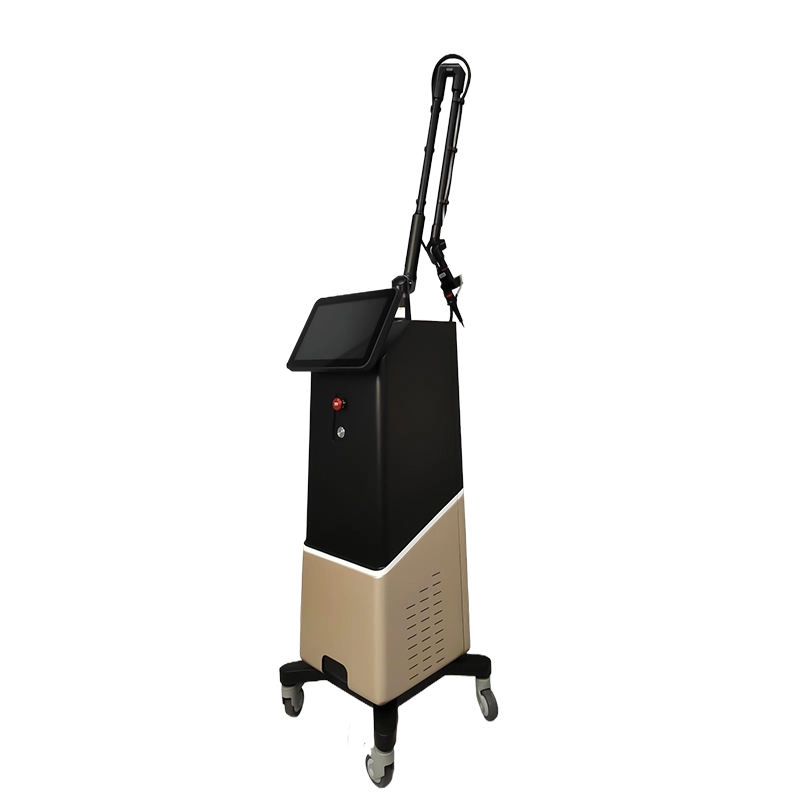
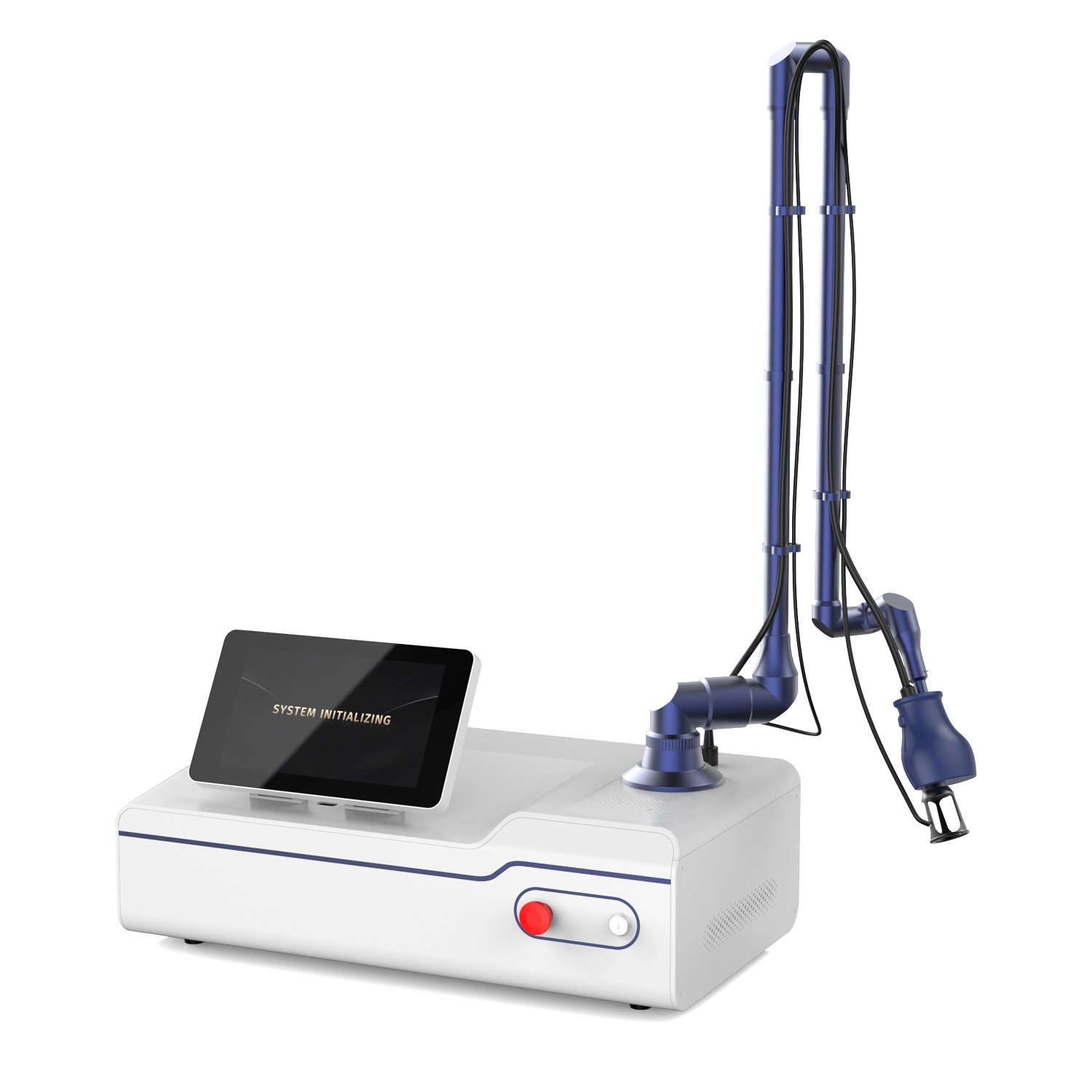
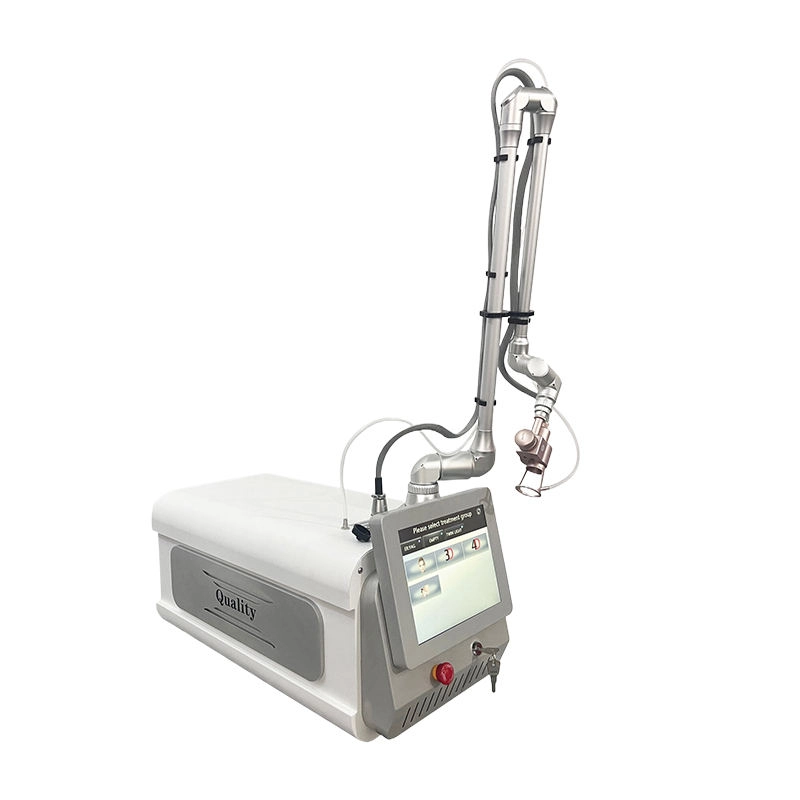
The CO2 fractional laser machine stands as a cornerstone in modern aesthetic practices, renowned for its unparalleled efficacy in skin resurfacing, acne scar reduction, and wrinkle treatment. However, for newcomers to the beauty machine industry or clinic owners looking to expand their services, navigating the complexities of purchasing, regulatory compliance, and operational management of these advanced devices can be overwhelming. This guide aims to demystify the process by answering six specific, pain-point-oriented questions that often lack comprehensive or up-to-date answers online, ensuring you make informed decisions for your aesthetic practice.
Beyond 'fractional' and 'ablative,' what are the practical clinical distinctions between various CO2 laser modes (e.g., ultrapulse, continuous wave, pulsed) and which is best for specific aesthetic concerns like deep wrinkles vs. textural improvement?
While 'fractional' and 'ablative' define the delivery pattern and tissue removal, the underlying pulse characteristics significantly impact clinical outcomes and patient downtime. All CO2 lasers operate at a 10,600nm wavelength, targeting water in the skin. The key distinction lies in how the energy is delivered:
- Continuous Wave (CW): This older mode delivers constant energy, leading to significant bulk heating and less control over tissue ablation. It's largely outdated for aesthetic skin rejuvenation due to high risk of thermal damage and prolonged recovery.
- Pulsed (Short-Pulsed): These lasers deliver energy in short bursts, allowing for some tissue cooling between pulses. While an improvement over CW, they can still cause considerable residual thermal damage, making them less ideal for precise collagen remodeling without significant downtime.
- Ultrapulse (or Ultra-short Pulsed): This is the gold standard for modern CO2 fractional laser systems. Ultrapulse technology delivers extremely high energy in incredibly short durations (micro to nanoseconds). This allows for rapid vaporization of tissue (ablation) with minimal surrounding thermal damage (collateral heating). This precision is crucial for:
- Deep Wrinkles & Severe Photoaging: Ultrapulse allows for deeper, more controlled ablation, effectively stimulating robust collagen production and tightening. The minimized thermal spread reduces the risk of scarring while maximizing efficacy.
- Textural Improvement & Acne Scars: For conditions like acne scars, the ability to create precise micro-ablative zones (MAZs) with controlled depth is paramount. Ultrapulse ensures efficient tissue removal and subsequent healing, leading to smoother skin texture with reduced downtime compared to older technologies.
In essence, modern CO2 fractional laser machines predominantly utilize ultrapulse technology, often combined with advanced scanner technology to create customizable treatment parameters, optimizing outcomes for various aesthetic treatments.
As a clinic owner looking to import a CO2 fractional laser machine, what are the critical steps and common pitfalls in securing FDA 510(k) or CE MDD/MDR approval, and what documentation should I demand from the manufacturer?
It's crucial to understand that FDA 510(k) clearance and CE marking are approvals granted to the *manufacturer* of a medical device, not directly to the clinic importing it. As an importer, your primary responsibility is to ensure the device you purchase is compliant with the regulations of your target market (e.g., FDA for the US, CE for Europe) and that the manufacturer holds the necessary certifications.
Critical Steps for Importers:
- Verify Manufacturer's Approval: Before purchase, confirm the manufacturer has valid FDA 510(k) clearance (for Class II devices like most CO2 fractional lasers in the US) or CE marking under the Medical Device Regulation (MDR 2017/745) for Europe. Request copies of these certificates.
- Understand Your Role as Importer: Under MDR, importers have specific obligations, including verifying CE marking, ensuring the device has a UDI (Unique Device Identification), and maintaining records. You may also be responsible for reporting adverse events.
- Due Diligence on Manufacturer: Research the manufacturer's reputation, quality management system (e.g., ISO 13485 certification), and history of regulatory compliance.
Essential Documentation to Demand from the Manufacturer:
- FDA 510(k) Clearance Letter or CE Declaration of Conformity: This is non-negotiable proof of market authorization.
- ISO 13485 Certificate: Demonstrates the manufacturer adheres to an internationally recognized quality management system for medical devices.
- Technical File/Design Dossier Summary: A condensed version of the comprehensive technical documentation proving the device meets safety and performance requirements.
- Clinical Evaluation Report (CER): Evidence of the device's clinical efficacy and safety, often based on literature review or clinical investigations.
- Risk Management File: Details the identification, analysis, evaluation, and control of risks associated with the device.
- User Manual & Service Manual: Critical for safe operation, maintenance, and troubleshooting.
- Labeling & Instructions for Use (IFU): Must be in the local language and comply with regulatory requirements.
- Certificates of Origin & Quality Control: Ensures the product's authenticity and adherence to manufacturing standards.
Common Pitfalls:
- Assuming All 'CE Marked' Devices Are Equal: Ensure the CE mark is under MDR 2017/745, not the older MDD, and that it's issued by a reputable Notified Body.
- Incomplete Documentation: Lack of proper documentation can lead to customs delays, legal issues, and inability to prove compliance.
- Ignoring Post-Market Surveillance: Importers have a role in reporting incidents and ensuring ongoing product safety.
- Purchasing Unregistered Devices: Ensure the manufacturer and device are registered with the relevant authorities (e.g., FDA listing, EUDAMED for CE).
What are the hidden long-term operational costs of owning a CO2 fractional laser device, including handpiece replacement schedules, ongoing maintenance contracts, and mandatory staff training, that aren't typically included in the initial purchase quote?
While the initial capital equipment investment for a CO2 fractional laser machine is significant, understanding the total cost of ownership (TCO) is crucial for accurate financial planning and clinic profitability. Many operational expenses are often overlooked:
- Consumables and Disposable Tips: Most CO2 fractional laser devices use single-use tips or specialized handpieces with limited shot counts. These can range from $50-$200 per tip, and their cost significantly impacts per-treatment profitability. Factor in the handpiece lifespan and replacement costs, which can be thousands of dollars for a full handpiece assembly.
- Preventive Maintenance & Service Contracts: Like any sophisticated laser technology, CO2 lasers require annual or bi-annual preventive maintenance, calibration, and potential component replacements (e.g., laser tube, mirrors, cooling system checks). Service agreements can cost $2,000-$10,000+ annually, but they protect against costly unexpected repairs and minimize downtime.
- Staff Training and Certification: Proper training for practitioners (physicians, nurses, aestheticians) is paramount for patient safety and optimal results. Initial training is often included, but ongoing advanced training, staff certification renewals, and continuing education courses are recurring costs.
- Regulatory Compliance & Licensing: Depending on your region, there may be annual fees for device registration, facility licensing, or inspections related to operating high-power lasers.
- Insurance: Specialized liability insurance for operating advanced aesthetic lasers is essential and typically more expensive than general clinic insurance.
- Marketing & Promotion: To ensure a steady stream of clients for your new service, allocate a dedicated marketing budget for digital campaigns, educational materials, and promotions.
- Facility Requirements: Ensure your treatment rooms meet electrical, ventilation, and safety standards for laser operation. This might involve initial setup costs.
Always request a detailed breakdown of all associated costs from the manufacturer and factor these into your business plan to accurately project your return on investment (ROI).
How can a new buyer effectively evaluate the build quality, safety features, and long-term reliability of a CO2 fractional laser machine from different manufacturers, especially when comparing established brands against emerging ones?
Evaluating a CO2 fractional laser machine requires a multi-faceted approach, balancing technical specifications with practical considerations:
- Manufacturer Reputation & History: Established brands often have a longer track record of innovation, reliability, and customer support. Research their history, R&D investment, and global presence. Emerging brands may offer competitive pricing but require more rigorous vetting.
- Regulatory Certifications: Beyond FDA/CE, look for ISO 13485 (Quality Management System for Medical Devices) and other relevant national certifications. These indicate adherence to strict manufacturing and quality control standards.
- Component Quality & Origin: Inquire about critical components:
- Laser Tube: Is it a high-quality, long-lasting tube (e.g., coherent, synrad)? What is its expected lifespan and replacement cost?
- Scanner Technology: A high-precision scanner technology ensures uniform energy delivery and customizable patterns.
- Power Supply & Cooling System: Robust power delivery and an efficient cooling system are vital for consistent performance and longevity.
- Safety Features: Prioritize devices with comprehensive safety protocols:
- Emergency stop button, key-lock system, interlocks for handpieces/covers.
- Integrated skin temperature monitoring to prevent overheating.
- Audible and visual alarms for system errors.
- Clear and intuitive user interface.
- Warranty & After-Sales Support: A strong warranty (e.g., 2+ years) and readily available technical support, including local service technicians, are crucial for minimizing downtime. Inquire about response times and parts availability.
- Clinical Efficacy & Studies: Request peer-reviewed clinical efficacy studies or white papers supporting the device's claims.
- User Reviews & Testimonials: Seek feedback from other practitioners who own the specific model you're considering.
- Demonstration & Hands-on Experience: Whenever possible, request a live demonstration. Observe the device's build, ease of use, and feel its performance.
While price is a factor, prioritizing reliability and comprehensive support will save significant costs and headaches in the long run.
What are the most critical patient selection criteria and absolute contraindications for CO2 fractional laser treatments, particularly concerning Fitzpatrick skin types IV-VI, to minimize risks of post-inflammatory hyperpigmentation (PIH) or scarring?
Careful patient consultation and stringent selection are paramount to ensure safety and achieve optimal results with CO2 fractional laser treatments, especially given the risk of post-inflammatory hyperpigmentation (PIH) and scarring.
Critical Patient Selection Criteria:
- Fitzpatrick Skin Type: This is arguably the most critical factor.
- Types I-III: Generally good candidates, with lower risk of PIH.
- Types IV-VI (Olive, Brown, Dark Brown Skin): Require extreme caution. These skin types have a higher density of melanocytes and are highly prone to PIH. For these patients, consider:
- Lower Energy Settings: Significantly reduce energy density and pulse duration.
- Increased Fractional Density with Smaller Spot Sizes: To distribute thermal load more evenly.
- Aggressive Pre-Treatment Protocols: 4-6 weeks of topical retinoids, hydroquinone, or other tyrosinase inhibitors to suppress melanocyte activity.
- Test Spots: Performing small, inconspicuous test spots a month prior to full treatment to assess skin reaction.
- Extended Post-Care Regimen: Strict sun avoidance, broad-spectrum SPF, and continued use of pigment-inhibiting agents.
- Alternative Treatments: For very dark skin types, non-ablative fractional lasers or other modalities might be safer.
- Medical History:
- History of Keloids or Hypertrophic Scars: High risk of abnormal scarring.
- Photosensitivity: Certain medications (e.g., tetracyclines) or conditions can increase photosensitivity.
- Systemic Diseases: Uncontrolled diabetes, autoimmune diseases, or connective tissue disorders can impair healing.
- Oral Isotretinoin (Accutane) Use: Absolute contraindication within the last 6-12 months due to impaired wound healing and increased scarring risk.
- History of Herpes Simplex (Cold Sores): Requires prophylactic antiviral medication (e.g., acyclovir) before and after treatment.
- Realistic Expectations: Patients must understand the recovery process, potential side effects, and realistic outcomes.
Absolute Contraindications:
- Pregnancy or breastfeeding.
- Active bacterial, viral (e.g., herpes simplex without prophylaxis), or fungal infections in the treatment area.
- Open wounds or compromised skin barrier in the treatment area.
- Recent use of oral isotretinoin (Accutane) within 6-12 months.
- History of radiation therapy in the treatment area.
- Uncontrolled systemic diseases (e.g., severe diabetes, autoimmune disorders).
- Unrealistic patient expectations.
A thorough intake form, detailed discussion, and possibly a patch test are essential components of a responsible patient consultation.
Beyond the initial investment, what are proven strategies for marketing CO2 fractional laser services to attract and retain clients, and how can I accurately project the return on investment (ROI) within my clinic's specific market?
Successfully integrating a CO2 fractional laser machine requires a robust marketing strategy and a clear understanding of your return on investment (ROI).
Proven Marketing Strategies:
- Educational Content Marketing: Create blog posts, videos, and social media content explaining how CO2 fractional laser works, its benefits (e.g., skin tightening, scar revision), what to expect during and after treatment, and addressing common concerns. This builds trust and positions your clinic as an authority.
- Before & After Galleries: High-quality, consent-driven before and after photos are incredibly powerful. Showcase diverse results for different concerns (wrinkles, scars, texture).
- Patient Testimonials & Reviews: Encourage satisfied patients to share their experiences through video testimonials or online reviews. Social proof is invaluable.
- Targeted Digital Advertising: Utilize Google Ads and social media platforms (Facebook, Instagram) to target demographics interested in aesthetic services, focusing on specific conditions like acne scars or wrinkle reduction. Implement local SEO to rank for local searches.
- Package Deals & Membership Programs: Offer discounted rates for a series of treatments or combine CO2 fractional laser with complementary services (e.g., PRP, advanced skincare) to increase per-patient revenue.
- Referral Programs: Reward existing clients for referring new patients.
- Open Houses & Educational Events: Host events to introduce the technology, offer mini-consultations, and provide special booking incentives.
- Collaborations: Partner with local dermatologists, plastic surgeons, or beauty influencers for cross-promotion.
Accurately Projecting ROI:
ROI = (Total Revenue from CO2 Laser - Total Costs of CO2 Laser) / Total Costs of CO2 Laser
- Total Costs: This includes the initial purchase price, financing costs, all hidden operational costs (consumables, maintenance, training, marketing budget, insurance), and any facility upgrades. Refer to the TCO analysis from the previous question.
- Total Revenue: This requires realistic projections based on your market analysis:
- Average Treatment Price: Research competitors' pricing strategy in your area. Consider per-session cost and package pricing.
- Number of Treatments per Patient: Many conditions require 1-3 sessions for optimal results.
- Projected Patient Volume: Estimate how many new and existing patients you can realistically attract per month. Start conservatively.
- Ancillary Sales: Factor in revenue from recommended post-care products.
- Timeframe: Set a realistic timeframe for achieving ROI (e.g., 1-3 years).
Regularly track your expenses and revenue to adjust your marketing strategies and pricing strategy as needed. A well-executed plan ensures your CO2 fractional laser machine becomes a significant driver of clinic growth and profitability.
The CO2 fractional laser machine represents a pinnacle in aesthetic technology, offering unparalleled results for skin resurfacing, wrinkle reduction, and scar revision. By understanding the nuances of its technology, navigating regulatory landscapes, planning for true operational costs, and implementing strategic marketing, clinics can confidently integrate this powerful device to deliver transformative outcomes and ensure a robust return on investment. Investing in a high-quality CO2 fractional laser is an investment in your clinic's future and your patients' satisfaction.
Ready to elevate your aesthetic practice with a state-of-the-art CO2 fractional laser machine? Contact us today for a personalized quote and expert consultation tailored to your clinic's needs. Visit www.huimainbeauty.com or email coco@huimainbeauty.com.

L50
How many sessions are needed to see results?
Most clients see visible improvement after 3–5 sessions, depending on body condition.
AS9006
How many sessions are typically needed?
Clients usually see results after 3–6 sessions, depending on individual conditions.
L11先锋射频点阵
Who can operate the CO2 fractional laser machine?
It should be operated by trained medical professionals or certified aesthetic practitioners in compliance with local regulations.
HMT52
How does the 15 Tesla energy benefit my clients?
A 15 Tesla magnetic field generates an extremely powerful and deep muscle contraction, allowing for more effective and efficient muscle building than lower-intensity devices. This translates to more visible results in fewer sessions, increasing client satisfaction.
ETG502
Is this device safe? Are there any side effects?
The device is very safe. It only targets fat cells and does not harm surrounding nerves, blood vessels, or skin tissue. A small number of clients may experience minor redness, bruising, or numbness after treatment, but these are temporary and usually resolve on their own within a few days.

Get more information
If you have any comments or good suggestions, please leave us a message; later our professional staff will contact you as soon as possible.
Let's Talk
Stay in touch with us for cutting-edge beauty solutions, professional guidance, and customized service.
Contact


Room 307, Building A, Huilong International E-commerce Industrial Park, No. 10 Xipengling Road, Helong Street, Baiyun District, Guangzhou, China
© 2025 HUIMAIN. All Rights Reserved. Privacy Policy | Terms and Conditions | Sitemap
Facebook
Instagram
Medical beauty equipment factory
huimain Medical beauty equipment factory
beauty machine supplier
Whatsapp: +8619124004543