


- Beyond 'skin rejuvenation,' what specific, measurable improvements can I realistically promise clients for severe acne scars with a CO2 fractional laser, and how do I objectively document these clinical outcomes?
- My clinic has a moderate budget; how do I discern a high-quality, reliable CO2 fractional laser machine that ensures long-term efficacy and patient safety from cheaper alternatives that might compromise performance or require frequent maintenance?
- What are the *actual* daily progression of downtime and specific post-treatment care protocols for a typical full-face CO2 fractional laser resurfacing, and how do I effectively manage client expectations regarding redness, swelling, and peeling?
- How do I objectively evaluate the *long-term* clinical efficacy of a CO2 fractional laser for deep wrinkles and skin laxity, considering factors like sustained collagen remodeling and patient satisfaction beyond the initial 6-month post-treatment period?
- Beyond just power, which specific technical specifications (e.g., pulse duration, spot size variability, scan patterns, beam delivery system) are most critical when comparing CO2 fractional laser machines for versatile treatment applications and optimal patient comfort?
- What are the lesser-known but crucial safety protocols and specific contraindications for CO2 fractional laser treatments, especially concerning clients with Fitzpatrick skin types IV-VI, a history of keloids, or specific systemic conditions often overlooked in basic training?
How to evaluate clinical results of CO₂ fractional lasers?
As a professional in the aesthetic industry, understanding the nuances of advanced equipment like the CO2 fractional laser machine is paramount for both clinical success and business growth. This powerful dermatological laser offers unparalleled capabilities for skin resurfacing, acne scar treatment, wrinkle reduction, and skin tightening. However, with so much information available, beginners often struggle to find in-depth answers to their most pressing, practical questions when considering a purchase. This guide aims to bridge that gap, providing comprehensive insights to help you make informed decisions and achieve superior clinical outcomes.
Beyond 'skin rejuvenation,' what specific, measurable improvements can I realistically promise clients for severe acne scars with a CO2 fractional laser, and how do I objectively document these clinical outcomes?
When treating severe acne scars, particularly icepick, boxcar, and rolling scars, the CO2 fractional laser excels in promoting significant scar revision and textural improvement. Realistically, you can promise a noticeable reduction in scar depth and overall skin unevenness, rather than complete eradication, which is often an unrealistic expectation. Specific, measurable improvements include:
- Reduced Scar Depth: Ablative fractional photothermolysis creates microscopic treatment zones (MTZs) that stimulate intense collagen stimulation and dermal remodeling. This process lifts depressed scars over several months.
- Improved Skin Texture and Smoothness: The treatment encourages epidermal regeneration, leading to a smoother, more uniform skin surface.
- Decreased Pigmentation (Post-Inflammatory Erythema/Hyperpigmentation): While the primary goal is textural, the remodeling process can also indirectly improve associated dyschromia.
To objectively document these clinical outcomes, a multi-faceted approach is crucial:
- Standardized Photography: Utilize consistent lighting, patient positioning, and camera settings (e.g., macro lens for close-ups) before and at regular intervals (e.g., 1, 3, 6, 12 months) post-treatment. Digital imaging allows for side-by-side comparison.
- Quantitative Assessment Scales: Employ validated scales such as the Global Aesthetic Improvement Scale (GAIS) or specific acne scar grading systems (e.g., Goodman-Baron scale) to assign numerical scores for scar severity and improvement.
- 3D Imaging Systems: Advanced clinics can use 3D skin analysis devices to measure scar depth, volume, and surface topography changes objectively.
- Patient Satisfaction Surveys: While subjective, structured questionnaires assessing patient perception of improvement, comfort, and overall satisfaction are vital for a holistic evaluation. This data helps refine treatment protocols and manage future client expectations.
My clinic has a moderate budget; how do I discern a high-quality, reliable CO2 fractional laser machine that ensures long-term efficacy and patient safety from cheaper alternatives that might compromise performance or require frequent maintenance?
Navigating the market for a CO2 fractional laser machine on a moderate budget requires a critical eye beyond just the price tag. A cheaper initial investment can quickly turn into a financial burden due to poor clinical outcomes, frequent breakdowns, and high maintenance costs. Here's how to discern quality:
- Manufacturer Reputation and History: Research the manufacturer's track record. Established companies with years of experience in fractional CO2 technology are more likely to produce reliable devices. Look for certifications (e.g., FDA, CE) and a strong global presence.
- Beam Quality and Stability: A high-quality CO2 fractional laser delivers a consistent, uniform beam profile. Poor beam quality can lead to uneven treatment, increased risk of side effects, and suboptimal results. Ask for documentation or demonstrations of beam consistency.
- Pulse Energy and Delivery System: Ensure the machine can deliver adequate and stable pulse energy for effective ablative laser treatments across various indications. The energy delivery system (e.g., articulated arm, scanner) should be robust and precise, minimizing energy loss or inconsistencies.
- Scan Patterns and Customization: A versatile machine offers multiple scan patterns (e.g., square, circle, line, random) and adjustable density, allowing for precise control over the micro-ablative zones. This adaptability is crucial for treating different skin types and conditions safely and effectively.
- Safety Features: Prioritize machines with robust laser safety mechanisms, including emergency stops, interlocks, and clear user interfaces.
- After-Sales Support and Training: A reputable manufacturer provides comprehensive training, readily available technical support, and accessible spare parts. This is critical for minimizing downtime and ensuring the longevity of your investment. Inquire about warranty periods and service contracts. A low-cost machine with no support will quickly become a liability.
- Clinical Data and Peer Reviews: Look for machines backed by published clinical studies and positive reviews from other practitioners. This provides independent validation of their efficacy and safety.
What are the *actual* daily progression of downtime and specific post-treatment care protocols for a typical full-face CO2 fractional laser resurfacing, and how do I effectively manage client expectations regarding redness, swelling, and peeling?
Managing client expectations for downtime is crucial for patient satisfaction following CO2 fractional laser skin resurfacing. The actual daily progression can vary based on treatment intensity, but a typical full-face ablative laser treatment follows this general timeline:
- Day 1 (Treatment Day): Immediate post-treatment, the skin will be red, swollen, and feel like a severe sunburn. Pinpoint bleeding or oozing is common.
- Post-care: Apply a thick occlusive ointment (e.g., Aquaphor, Vaseline) to keep the skin moist and promote wound healing. Avoid washing the face for several hours. Cold compresses can help with swelling.
- Days 2-3: Swelling peaks, and the skin will appear bronzed or crusty as the microscopic epidermal necrotic debris (MENDs) form. Redness persists.
- Post-care: Continue occlusive ointment application. Gentle cleansing with a mild, non-foaming cleanser (e.g., Cetaphil Gentle Skin Cleanser) can begin. Avoid rubbing or picking.
- Days 4-7: Peeling begins, usually around day 4 or 5, and can be quite significant. The bronzed appearance gives way to new, pink skin. Swelling subsides considerably.
- Post-care: Continue gentle cleansing and moisturizing. Sun protection is paramount – broad-spectrum SPF 30+ is essential. Avoid direct sun exposure. Makeup can usually be applied after peeling is complete, typically around day 7.
- Weeks 2-4: Residual redness (erythema) can persist, appearing as a pinkish hue, which gradually fades. Skin may feel sensitive and dry.
- Post-care: Continue gentle skincare, hydration, and strict sun protection. Introduce gentle hydrating serums or creams as tolerated.
Managing Client Expectations:
- Pre-treatment Consultation: Provide detailed written and verbal instructions, including photos of typical downtime progression.
- Realistic Outcomes: Emphasize that while significant improvement is expected, complete eradication of deep concerns is unlikely with a single session.
- Pain Management: Discuss discomfort during and after the procedure, including topical anesthetics and post-treatment pain relief options.
- Strict Sun Protection: Stress that adherence to sun protection is non-negotiable to prevent post-inflammatory hyperpigmentation (PIH) and optimize results.
- Patience: Explain that collagen stimulation and dermal remodeling continue for months, with optimal results visible at 3-6 months post-treatment.
How do I objectively evaluate the *long-term* clinical efficacy of a CO2 fractional laser for deep wrinkles and skin laxity, considering factors like sustained collagen remodeling and patient satisfaction beyond the initial 6-month post-treatment period?
Evaluating the long-term efficacy of a CO2 fractional laser for deep wrinkles and skin laxity requires a systematic approach that extends well beyond the initial healing phase. While immediate improvements are gratifying, the true measure of success lies in sustained collagen remodeling and lasting patient satisfaction.
- Follow-up Protocols: Schedule follow-up appointments at 6 months, 12 months, and even 18-24 months post-treatment. These extended follow-ups are crucial for assessing the durability of results.
- Standardized Photographic Documentation: Consistent, high-quality photographic documentation at each follow-up is indispensable. Use standardized views (frontal, oblique, lateral) and lighting to objectively compare wrinkle depth, skin texture, and overall laxity over time.
- Objective Measurement Tools:
- 3D Skin Analysis Systems: These devices can quantitatively measure changes in wrinkle volume, depth, and skin surface roughness, providing numerical data on improvement and its persistence.
- Cutometer/Elastometer: These tools measure skin elasticity and firmness, providing objective data on improvements in skin tightening and laxity.
- Validated Grading Scales: Continue to use validated clinical scales (e.g., Fitzpatrick Wrinkle Scale, Global Aesthetic Improvement Scale) at long-term follow-ups.
- Patient Satisfaction Surveys: Implement comprehensive surveys that specifically ask about long-term satisfaction, perceived durability of results, and overall improvement in appearance and confidence. This qualitative data, combined with objective measurements, provides a complete picture of clinical outcomes.
- Biopsy (Research Setting): In a research context, skin biopsies can be taken to histologically confirm sustained collagen stimulation and dermal architectural changes, though this is not standard clinical practice.
By combining these methods, you can gain a robust understanding of how well the fractional CO2 technology has stimulated lasting dermal remodeling and delivered enduring benefits for your clients.
Beyond just power, which specific technical specifications (e.g., pulse duration, spot size variability, scan patterns, beam delivery system) are most critical when comparing CO2 fractional laser machines for versatile treatment applications and optimal patient comfort?
While power output is often highlighted, it's the interplay of several nuanced technical specifications that truly defines a CO2 fractional laser machine's versatility, efficacy, and ability to ensure patient comfort.
- Pulse Duration (Pulse Width): This is critical.
- Shorter Pulse Durations (e.g., microseconds): Allow for more precise ablation with minimal thermal damage to surrounding tissue, leading to faster healing and reduced risk of side effects like PIH. Ideal for delicate areas and achieving a strong ablative effect with less bulk heating.
- Longer Pulse Durations (e.g., milliseconds): Can lead to more thermal diffusion, which can be beneficial for collagen stimulation and skin tightening but may increase downtime and risk for certain skin types.
- Criticality: A machine offering variable pulse duration provides greater control and allows for tailored treatments from aggressive resurfacing to gentler, more superficial passes.
- Spot Size Variability: The ability to adjust spot size (e.g., from 100 microns to 300 microns or more) is crucial for versatility.
- Smaller Spot Sizes: Deliver higher energy density per MTZ, ideal for deep scars and wrinkles.
- Larger Spot Sizes: Distribute energy over a wider area, useful for broader skin resurfacing and reducing treatment time.
- Criticality: A machine with a range of spot sizes allows for precise targeting of specific concerns and efficient treatment of larger areas.
- Scan Patterns and Density: As mentioned, diverse scan patterns (e.g., square, circle, line, random, grid) and adjustable density (percentage of skin treated) directly impact treatment efficacy and safety.
- Criticality: Random scan patterns can reduce heat buildup, enhancing patient comfort and minimizing the risk of thermal injury. Adjustable density allows for customization based on skin type, condition, and desired downtime.
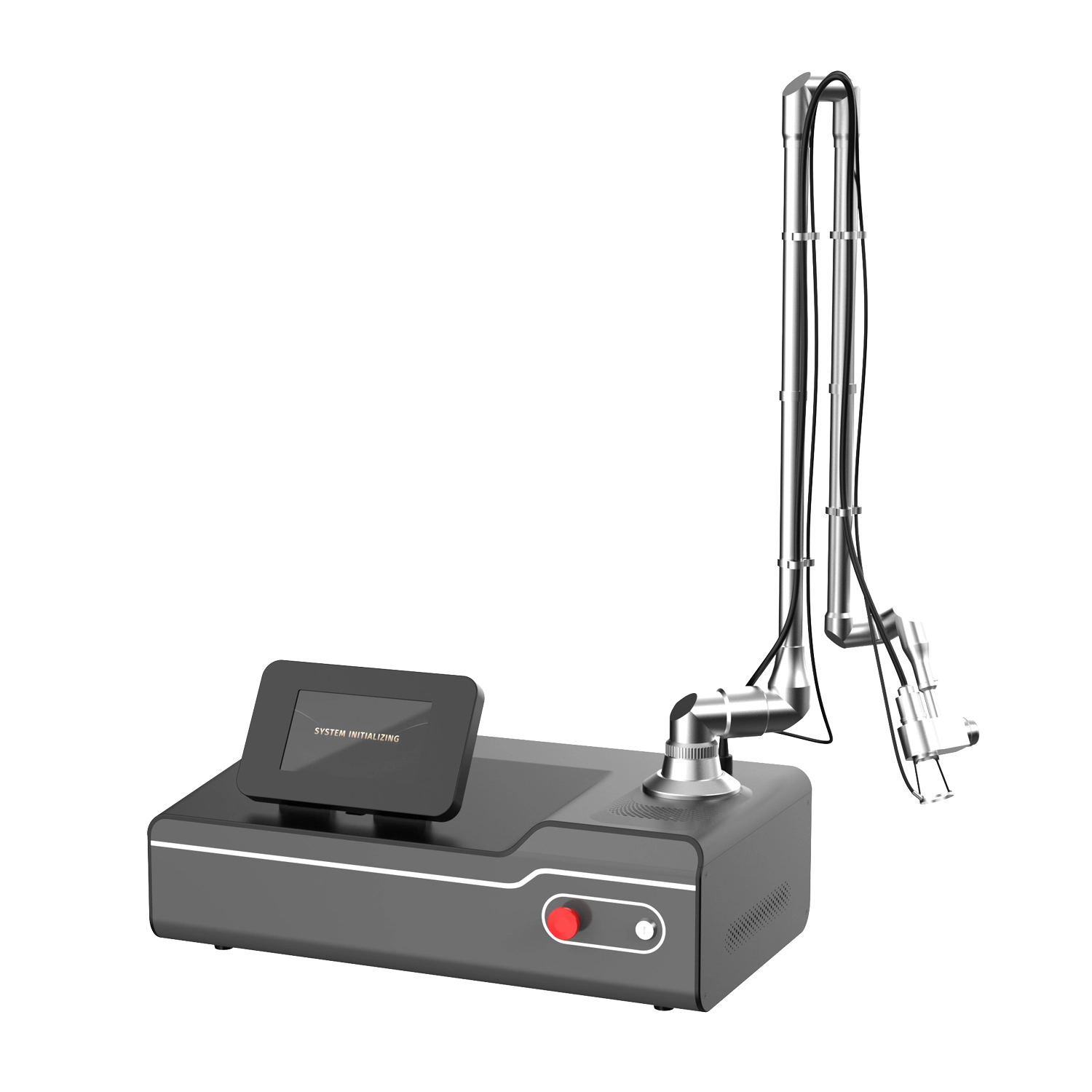
- Beam Delivery System: The quality of the articulated arm or scanner directly affects the consistency and precision of the laser beam.
- Criticality: A high-quality system ensures uniform energy delivery across the entire treatment area, preventing hot spots or missed areas, which are vital for safety and predictable clinical outcomes. Look for robust construction and smooth articulation.
- Fractional Delivery Modes (Ablative vs. Non-Ablative Options): Some advanced fractional resurfacing devices offer both ablative and superficial non-ablative modes, expanding treatment options. While the primary focus is ablative, this versatility can be a significant advantage.
What are the lesser-known but crucial safety protocols and specific contraindications for CO2 fractional laser treatments, especially concerning clients with Fitzpatrick skin types IV-VI, a history of keloids, or specific systemic conditions often overlooked in basic training?
Laser safety is paramount, and beyond the basic protocols, several crucial considerations are often overlooked, particularly for diverse patient populations.
Specific Contraindications & Precautions:
- Fitzpatrick Skin Types IV-VI: While CO2 fractional laser can be used on darker skin types, it carries a significantly higher risk of post-inflammatory hyperpigmentation (PIH) and scarring.
- Protocol: Always perform a test spot in an inconspicuous area (e.g., behind the ear, jawline) 4-6 weeks prior to full treatment. Use lower energy settings, higher density, and longer pulse durations. Aggressive pre- and post-treatment skincare (e.g., hydroquinone, retinoids) is mandatory to suppress melanocyte activity. Strict sun avoidance is critical.
- History of Keloids or Hypertrophic Scars: Patients with a personal or family history of keloid formation are at a very high risk of developing new keloids or worsening existing ones after ablative laser treatments.
- Protocol: This is often an absolute contraindication. If considering treatment for non-keloidal scars, proceed with extreme caution, a test spot, and potentially prophylactic intralesional steroid injections.
- Active Herpes Simplex Virus (HSV) Infection: Laser resurfacing can trigger an HSV outbreak, leading to significant complications and scarring.
- Protocol: All patients with a history of cold sores (even infrequent) must be prescribed prophylactic antiviral medication (e.g., Acyclovir, Valacyclovir) starting 1-2 days before treatment and continuing for 7-10 days post-treatment.
- Isotretinoin (Accutane) Use: Patients who have taken oral isotretinoin within the last 6-12 months are at a significantly increased risk of impaired wound healing, prolonged erythema, and hypertrophic scarring.
- Protocol: Delay treatment for at least 6-12 months after discontinuing isotretinoin. Individual assessment is key, and some practitioners recommend an even longer waiting period.
- Systemic Conditions:
- Immunosuppression: Patients on immunosuppressants or with compromised immune systems (e.g., HIV, organ transplant recipients) have impaired wound healing and increased infection risk.
- Connective Tissue Diseases: Conditions like lupus or scleroderma can affect skin healing and increase complication rates.
- Bleeding Disorders/Anticoagulants: Increased risk of bruising and prolonged bleeding.
- Protocol: Thorough medical history review is essential. Consult with the patient's physician for clearance. Adjust treatment protocols or consider alternative treatments.
- Unrealistic Patient Expectations/Psychological Instability: Patients with body dysmorphic disorder or unrealistic expectations are poor candidates, regardless of skin condition.
- Protocol: Thorough informed consent process, clear communication, and referral for psychological evaluation if needed.
Always prioritize patient safety through meticulous patient selection, comprehensive informed consent, and adherence to stringent treatment protocols. A test spot for darker skin types is non-negotiable.
*
The CO2 fractional laser machine stands as a cornerstone in advanced aesthetic treatments, offering transformative results for skin resurfacing, scar revision, wrinkle reduction, and skin tightening. By understanding the specific, measurable clinical outcomes, discerning quality in a competitive market, meticulously managing downtime expectations, evaluating long-term efficacy, appreciating critical technical specifications beyond mere power, and adhering to crucial laser safety protocols, you empower your clinic to deliver exceptional and safe results. Investing in a high-quality fractional CO2 technology is an investment in your clinic's reputation and your clients' satisfaction.
Ready to elevate your aesthetic practice with a reliable and effective CO2 fractional laser? Contact us today for a personalized quote and expert guidance. Visit www.huimainbeauty.com or email coco@huimainbeauty.com.


3-in-1 HIFU
Can the vaginal HIFU be used for all clients?
It is suitable for adult women seeking intimate tightening or postpartum recovery, except during pregnancy or infection.
ulthra超声刀
Does HIFU treatment cause pain or downtime?
Most clients experience minimal discomfort. There is no downtime, and normal activities can resume immediately.
Ems sculpting system
Will I experience any pain while using this product?
EMS may cause mild discomfort during muscle stimulation, but it is completely safe and becomes comfortable once you get used to it. RF technology is painless.
专业级三波长激光脱毛设备
How many sessions are needed?
Typically, 6–8 sessions are recommended for optimal results.
CRL-6
How many sessions are needed to see results?
Most clients see visible results after 3–5 sessions, with optimal outcomes after 8–12 treatments.

Get more information
If you have any comments or good suggestions, please leave us a message; later our professional staff will contact you as soon as possible.
Let's Talk
Stay in touch with us for cutting-edge beauty solutions, professional guidance, and customized service.
Contact


Room 307, Building A, Huilong International E-commerce Industrial Park, No. 10 Xipengling Road, Helong Street, Baiyun District, Guangzhou, China
© 2025 HUIMAIN. All Rights Reserved. Privacy Policy | Terms and Conditions | Sitemap
Facebook
Instagram
Medical beauty equipment factory
huimain Medical beauty equipment factory
beauty machine supplier
Whatsapp: +8619124004543