


- Beyond the Initial Purchase Price: What Are the Hidden or Ongoing Operational Costs of a CO₂ Fractional Laser Machine That Significantly Impact ROI for a New Clinic?
- For a New Aesthetic Practice, What Specific Skin Concerns Does a CO₂ Fractional Laser Machine Excel at Treating, and What Realistic Patient Outcomes Should I Communicate to Manage Expectations Effectively?
- What Are the Essential Safety Protocols and Mandatory Training Requirements for Operators to Ensure Patient Safety and Minimize Complications When Introducing a CO₂ Fractional Laser Machine into a New Practice?
- What is the Typical Lifespan of a CO₂ Fractional Laser Machine, and What Are the Critical Preventative Maintenance Schedules and Associated Costs to Ensure Its Long-Term Reliability and Performance?
- When Evaluating CO₂ Fractional Laser Machines, What Specific Technical Specifications (e.g., Pulse Duration, Spot Size, Scanning Patterns) Are Most Crucial for a Beginner to Understand to Ensure Versatility and Optimal Treatment Efficacy?
- What Are the Key Regulatory Compliance Considerations and Insurance Implications a New Clinic Must Address Before Operating a CO₂ Fractional Laser Machine to Avoid Legal Pitfalls?
How much does a CO₂ fractional laser machine cost?
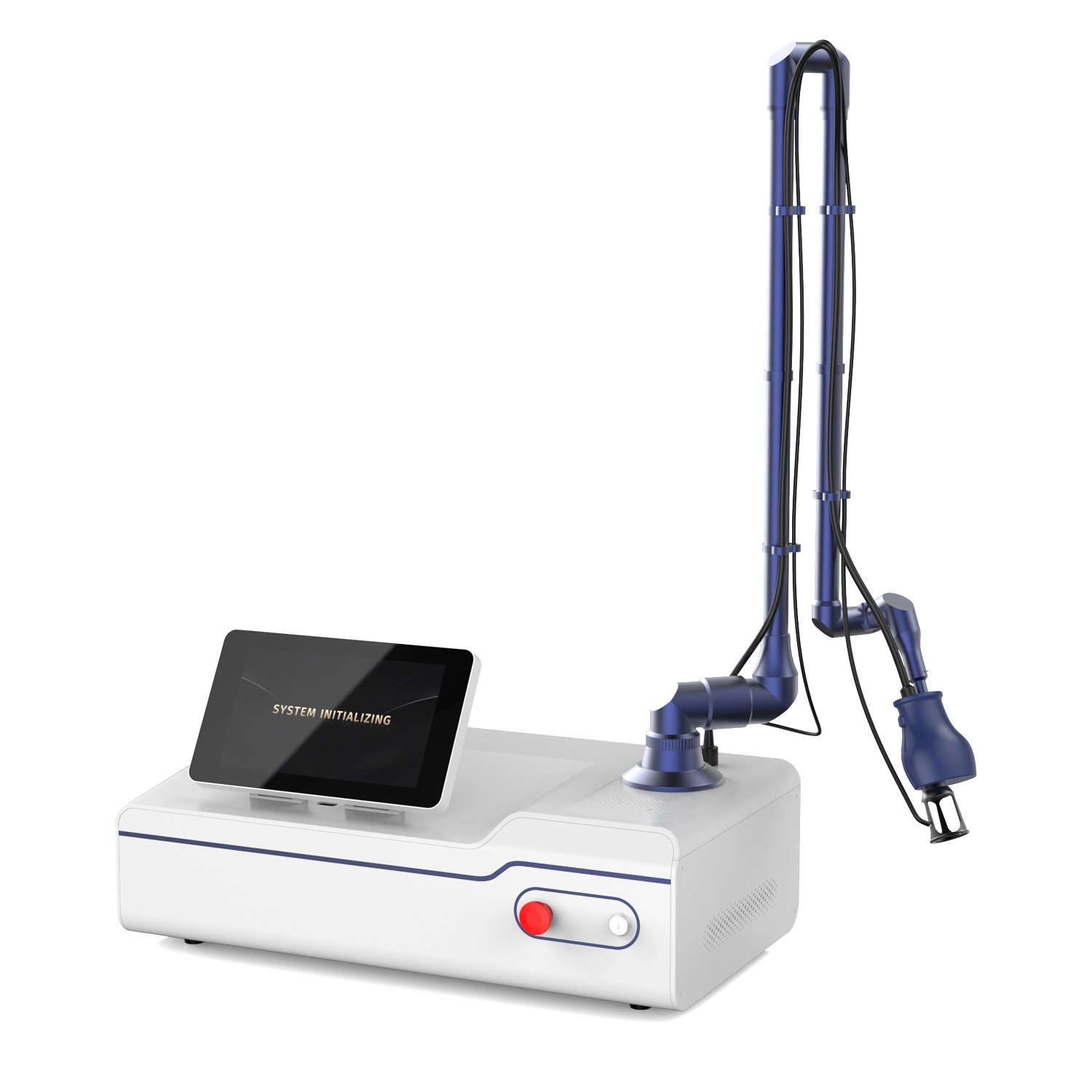
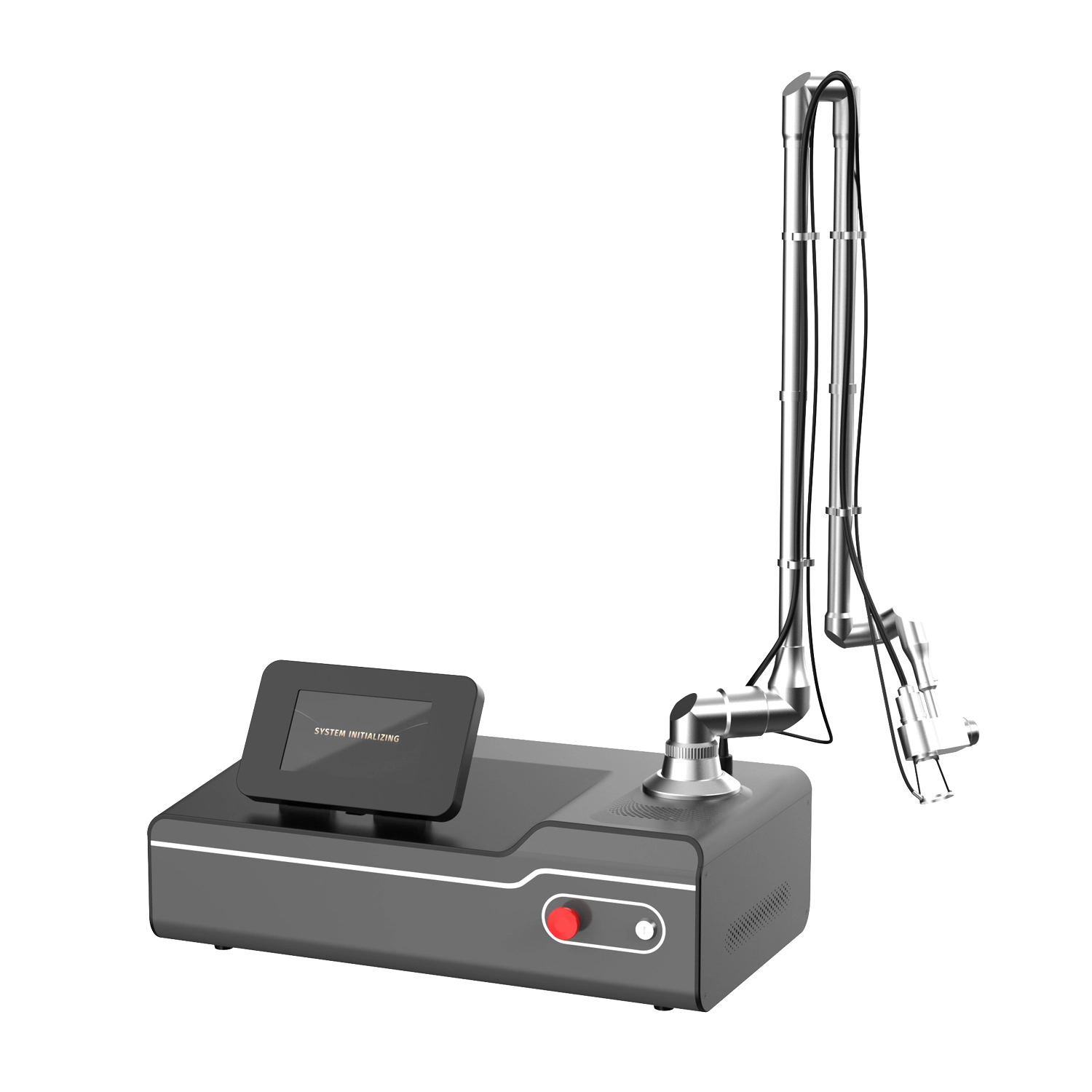
As a burgeoning aesthetic professional, navigating the world of advanced beauty technology can be daunting, especially when considering a significant investment like a CO₂ fractional laser machine. This powerful device, renowned for its skin resurfacing capabilities, offers transformative results for clients but comes with a learning curve for operators and clinic owners. Many beginners struggle to find comprehensive, up-to-date answers to their most pressing concerns beyond the initial purchase price. This article aims to demystify the process, addressing common pain points with expert insights to help you make an informed decision.
Beyond the Initial Purchase Price: What Are the Hidden or Ongoing Operational Costs of a CO₂ Fractional Laser Machine That Significantly Impact ROI for a New Clinic?
Investing in a CO₂ fractional laser machine is more than just the sticker price. While a new, high-quality fractional CO₂ laser can range from $30,000 to over $150,000 depending on the manufacturer, power output, and advanced features (like scanner patterns or integrated cooling), the true cost of ownership extends far beyond this. Key ongoing operational costs include:
- Consumables: This is often overlooked. Each treatment typically requires disposable tips, cooling gels, protective eyewear, and post-procedure kits. These can add $5-$30 per patient, significantly impacting your profit margins over time.
- Maintenance Contracts: Essential for longevity and performance, annual service contracts usually cost 10-15% of the machine's initial purchase price. These cover preventative maintenance, calibration, and emergency repairs, preventing costly downtime.
- Staff Training: Proper training is non-negotiable for safety and efficacy. Initial comprehensive training from the vendor is usually included, but ongoing education, advanced technique workshops, and certification renewals for your aesthetic laser technicians are recurring expenses.
- Insurance: Specialized liability insurance for operating medical aesthetic devices like a dermatological laser is crucial and often more expensive than standard clinic insurance.
- Marketing & Client Acquisition: While not a direct machine cost, effectively marketing your new skin resurfacing laser services is vital for generating revenue and achieving a healthy ROI. Budget for digital marketing, local advertising, and promotional campaigns.
- Utilities: High-powered aesthetic equipment requires significant electricity, which can incrementally increase your utility bills.
Considering these factors, a realistic ROI calculation must factor in these recurring expenses, typically aiming for a payback period of 12-24 months with a robust client base and competitive pricing.
For a New Aesthetic Practice, What Specific Skin Concerns Does a CO₂ Fractional Laser Machine Excel at Treating, and What Realistic Patient Outcomes Should I Communicate to Manage Expectations Effectively?
The CO₂ fractional laser machine is a gold standard for ablative laser resurfacing, delivering exceptional results for a range of challenging skin concerns. It excels particularly in:
- Severe Wrinkles and Fine Lines: Especially around the eyes and mouth, due to its ability to stimulate significant collagen production.
- Acne Scars and Surgical Scars: By precisely ablating damaged tissue and promoting new, healthier skin growth.
- Uneven Skin Texture and Tone: Significantly smoothing rough skin and improving overall complexion.
- Sun Damage and Pigmented Lesions: Effectively reducing age spots, sun spots, and dyschromia.
- Skin Laxity: Providing a noticeable skin tightening effect due to collagen contraction and neocollagenesis.
When communicating outcomes, it's vital to set realistic expectations. Patients typically require 1-3 treatment sessions, spaced several weeks apart, for optimal results. While improvements are often visible after the first session, the full benefits of collagen remodeling can take 3-6 months to manifest. Emphasize that results are long-lasting but not permanent, and future maintenance treatments or a consistent skincare regimen will be necessary. Downtime, characterized by redness, swelling, and peeling, can range from 5-14 days, depending on the intensity of the treatment, and must be clearly explained.
What Are the Essential Safety Protocols and Mandatory Training Requirements for Operators to Ensure Patient Safety and Minimize Complications When Introducing a CO₂ Fractional Laser Machine into a New Practice?
Patient safety is paramount when operating a powerful medical aesthetic device like a CO₂ fractional laser. Essential safety protocols and training requirements include:
- Comprehensive Operator Training: All operators must undergo thorough training provided by the manufacturer or certified trainers. This includes understanding the physics of the 10,600 nm wavelength, machine mechanics, treatment parameters, patient selection, contraindications, and emergency procedures. Certification is often required by regulatory bodies.
- Patient Assessment & Selection: A detailed consultation, including medical history, skin type (Fitzpatrick scale), current medications, and previous aesthetic treatments, is crucial. Identify contraindications such as active infections, pregnancy, certain systemic diseases, or recent use of isotretinoin.
- Protective Eyewear: Both the patient and all personnel in the treatment room must wear appropriate laser safety eyewear specifically designed for the CO₂ wavelength to prevent ocular damage.
- Controlled Environment: The treatment room must be designated as a laser-controlled area, with proper signage, limited access, and non-reflective surfaces. A smoke evacuator is essential to remove plume generated during ablative treatments, which can contain harmful particles.
- Emergency Protocols: Establish clear protocols for managing adverse events like burns, infections, or allergic reactions. Ensure immediate access to cooling devices, sterile dressings, and emergency contact information.
- Post-Treatment Care Instructions: Provide detailed written and verbal instructions for post-procedure care, including wound care, sun protection, and signs of complications. Regular follow-up appointments are critical.
Adherence to these protocols, often mandated by local health authorities and professional organizations, is non-negotiable for mitigating risks and maintaining a high standard of care.
What is the Typical Lifespan of a CO₂ Fractional Laser Machine, and What Are the Critical Preventative Maintenance Schedules and Associated Costs to Ensure Its Long-Term Reliability and Performance?
A well-maintained CO₂ fractional laser machine from a reputable manufacturer can have a lifespan of 7-10 years or even longer, making it a durable asset for your clinic. However, this longevity is heavily dependent on consistent preventative maintenance.
Critical maintenance schedules typically involve:
- Daily/Weekly Checks: Cleaning the treatment head, checking cooling fluid levels, inspecting cables and connections, and ensuring the emergency stop button is functional.
- Quarterly/Bi-Annual Service: Performed by a certified technician, this includes calibration, optical alignment checks, filter replacement, and thorough system diagnostics. This ensures the laser's energy output and beam quality remain consistent.
- Annual Comprehensive Service: A deeper dive, often involving internal component checks, power supply verification, and potential replacement of wear-and-tear parts like mirrors or seals. This is usually covered by your maintenance contract.
Associated costs for preventative maintenance are primarily covered by the annual service contract, which, as mentioned, can be 10-15% of the machine's initial cost annually. Neglecting these schedules can lead to costly breakdowns, premature component failure (e.g., the RF-excited CO2 tube), inconsistent treatment results, and ly, a shorter machine lifespan and higher repair costs. Proactive maintenance is an investment in your equipment's reliability and your practice's reputation.
When Evaluating CO₂ Fractional Laser Machines, What Specific Technical Specifications (e.g., Pulse Duration, Spot Size, Scanning Patterns) Are Most Crucial for a Beginner to Understand to Ensure Versatility and Optimal Treatment Efficacy?
Understanding key technical specifications is vital for selecting a CO₂ fractional laser machine that offers both versatility and optimal treatment efficacy for your practice. For beginners, focus on these critical parameters:
- Wavelength: All CO₂ lasers operate at a 10,600 nm wavelength, which is highly absorbed by water in the skin, making it ideal for ablative resurfacing. Consistency here is key.
- Pulse Duration/Mode: This dictates how the laser energy is delivered. Ultra-pulse (or short pulse) modes deliver high energy in very short bursts, minimizing thermal damage to surrounding tissue, leading to faster healing and reduced side effects. Continuous Wave (CW) or longer pulse durations can cause more widespread thermal damage, which might be desired for certain deeper treatments but requires more skill and experience. Look for machines offering versatile pulse modes.
- Spot Size: This refers to the diameter of the laser beam. Smaller spot sizes (e.g., 100-300 microns) allow for precise treatment of delicate areas and finer details. Larger spot sizes (e.g., 500-1000 microns) are more efficient for treating larger areas. A machine with adjustable spot sizes or multiple handpieces offers greater versatility.
- Scanning Patterns: Modern fractional CO₂ lasers utilize sophisticated scanning patterns (e.g., square, circle, line, custom shapes) to deliver micro-ablative zones. Advanced scanners allow for uniform energy delivery, customizable treatment density (fractional coverage), and faster treatment times. Look for systems with intuitive software that allows for easy adjustment of these patterns and density.
- Energy Output (Joules/mJ) and Power (Watts): Higher energy and power settings allow for deeper, more aggressive treatments, which can be effective for severe scarring or wrinkles. However, precise control over lower energy settings is equally important for lighter resurfacing or treating sensitive areas. A wide range of adjustable parameters is crucial.
- Fractional Coverage/Density: This refers to the percentage of skin treated in each pass. Adjustable density allows for customization based on skin condition and desired downtime. For instance, 5-20% coverage is common for fractional treatments.
Prioritizing a machine with a broad range of adjustable parameters ensures you can tailor treatments to individual patient needs, optimizing both safety and results.
What Are the Key Regulatory Compliance Considerations and Insurance Implications a New Clinic Must Address Before Operating a CO₂ Fractional Laser Machine to Avoid Legal Pitfalls?
Navigating the regulatory landscape and insurance requirements is a critical step before operating any advanced aesthetic device, including a CO₂ fractional laser machine. Ignoring these can lead to severe legal and financial repercussions.
Regulatory Compliance Considerations:
- Licensing and Certification: Regulations vary significantly by country, state, and even municipality. In many regions, operating a medical aesthetic laser requires specific clinic licensing, and operators (physicians, nurses, or certified technicians) must hold appropriate professional licenses and laser safety certifications. Some jurisdictions may require direct physician supervision for ablative treatments.
- Medical Device Registration: Ensure the CO₂ fractional laser machine you purchase is approved by relevant health authorities (e.g., FDA in the US, CE Mark in Europe, TGA in Australia). This guarantees the device meets safety and efficacy standards.
- Facility Requirements: Your clinic may need to meet specific facility requirements for laser operation, such as appropriate ventilation, fire safety measures, and designated laser treatment zones.
- Patient Consent: Obtain comprehensive informed consent from every patient, detailing the procedure, potential risks, benefits, alternatives, and expected downtime. This is a legal and ethical imperative.
- Record Keeping: Maintain meticulous patient records, including treatment parameters, before-and-after photos, and any adverse events.
Insurance Implications:
- Professional Liability (Malpractice) Insurance: Your standard clinic insurance may not cover the operation of high-risk aesthetic devices like a CO₂ fractional laser. You will almost certainly need to upgrade or purchase separate professional liability insurance specifically for laser treatments. This protects you against claims of negligence or injury.
- Property Insurance: Ensure your property insurance covers the high value of your aesthetic equipment against theft, damage, or fire.
- Workers' Compensation: If you have employees operating the laser, ensure you have adequate workers' compensation insurance.
Consulting with a legal expert specializing in medical aesthetics and an insurance broker with experience in the beauty industry is highly recommended to ensure full compliance and adequate coverage before you begin offering CO₂ fractional laser treatments.
Investing in a CO₂ fractional laser machine is a strategic move for any aesthetic practice aiming to offer advanced skin rejuvenation. These powerful devices excel at treating a wide range of concerns, from deep wrinkles and scars to uneven texture, delivering significant aesthetic improvements. By understanding the full scope of investment, including hidden costs and maintenance, prioritizing comprehensive safety and training, and diligently adhering to regulatory and insurance requirements, you can ensure a successful, compliant, and profitable integration of this transformative technology into your clinic. The unparalleled ability of fractional CO₂ technology to stimulate collagen, improve skin quality, and provide lasting results makes it a cornerstone treatment for serious aesthetic professionals.
Ready to elevate your practice with a state-of-the-art CO₂ fractional laser machine? Contact us today for a personalized quote and expert guidance. Visit our website at www.huimainbeauty.com or email us at coco@huimainbeauty.com.


立式7D hifu
How long do the results last?
Most clients enjoy results for 12–18 months depending on lifestyle and skin condition.
MDZ-SC03 皮肤检测仪
Can this device help increase treatment sales?
Yes. Visual skin reports help clients better understand their skin condition and accept treatment plans.
JHF-51
Can this HIFU machine be used for both facial and body treatments?
Yes, it supports facial lifting, body contouring, fat reduction and vaginal tightening.
X5 pro
Is this device suitable for professional use only?
Yes. The X5 Pro AI Skin Image Analyzer is designed for salons, clinics, and professional aesthetic institutions.
JHF-21
Is the treatment non-invasive?
Yes, all treatments are non-invasive with no downtime.

Get more information
If you have any comments or good suggestions, please leave us a message; later our professional staff will contact you as soon as possible.
Let's Talk
Stay in touch with us for cutting-edge beauty solutions, professional guidance, and customized service.
Contact


Room 307, Building A, Huilong International E-commerce Industrial Park, No. 10 Xipengling Road, Helong Street, Baiyun District, Guangzhou, China
© 2025 HUIMAIN. All Rights Reserved. Privacy Policy | Terms and Conditions | Sitemap
Facebook
Instagram
Medical beauty equipment factory
huimain Medical beauty equipment factory
beauty machine supplier
Whatsapp: +8619124004543