


- How does fractional CO₂ technology precisely target skin imperfections while minimizing thermal damage to surrounding tissue, and what impact does this have on patient safety and recovery compared to traditional ablative CO₂ lasers?
- Beyond the average 5-7 day visible downtime, what are the nuanced post-treatment skin changes and patient care protocols that influence the total recovery period after a CO₂ fractional laser, especially for deeper treatments?
- For a new aesthetic clinic, which specific skin conditions offer the highest ROI when treated with a CO₂ fractional laser machine, and what are the typical treatment protocols for these indications?
- What are the critical maintenance requirements and expected lifespan of a professional CO₂ fractional laser machine, and how do these impact long-term operational costs and clinic profitability?
- What are the most common but often overlooked contraindications for CO₂ fractional laser treatment, and what pre-treatment screening protocols are essential to minimize adverse events in a diverse client base?
- Beyond immediate discomfort, what are the actual patient sensations during a CO₂ fractional laser treatment, and what advanced pain management strategies and comfort features should a clinic prioritize when selecting a machine?
How long is downtime after CO₂ fractional laser treatment?
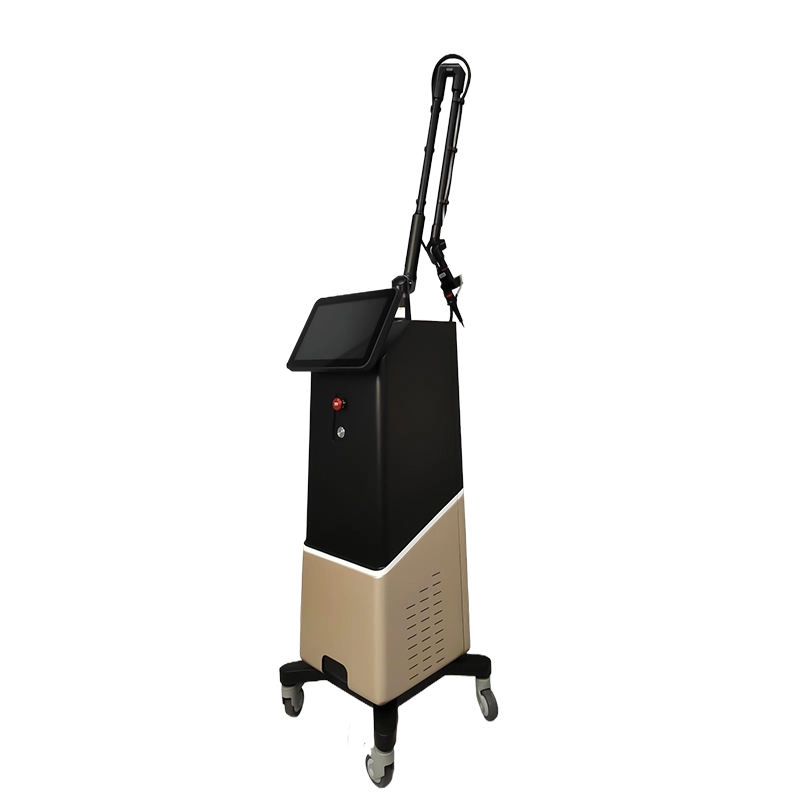
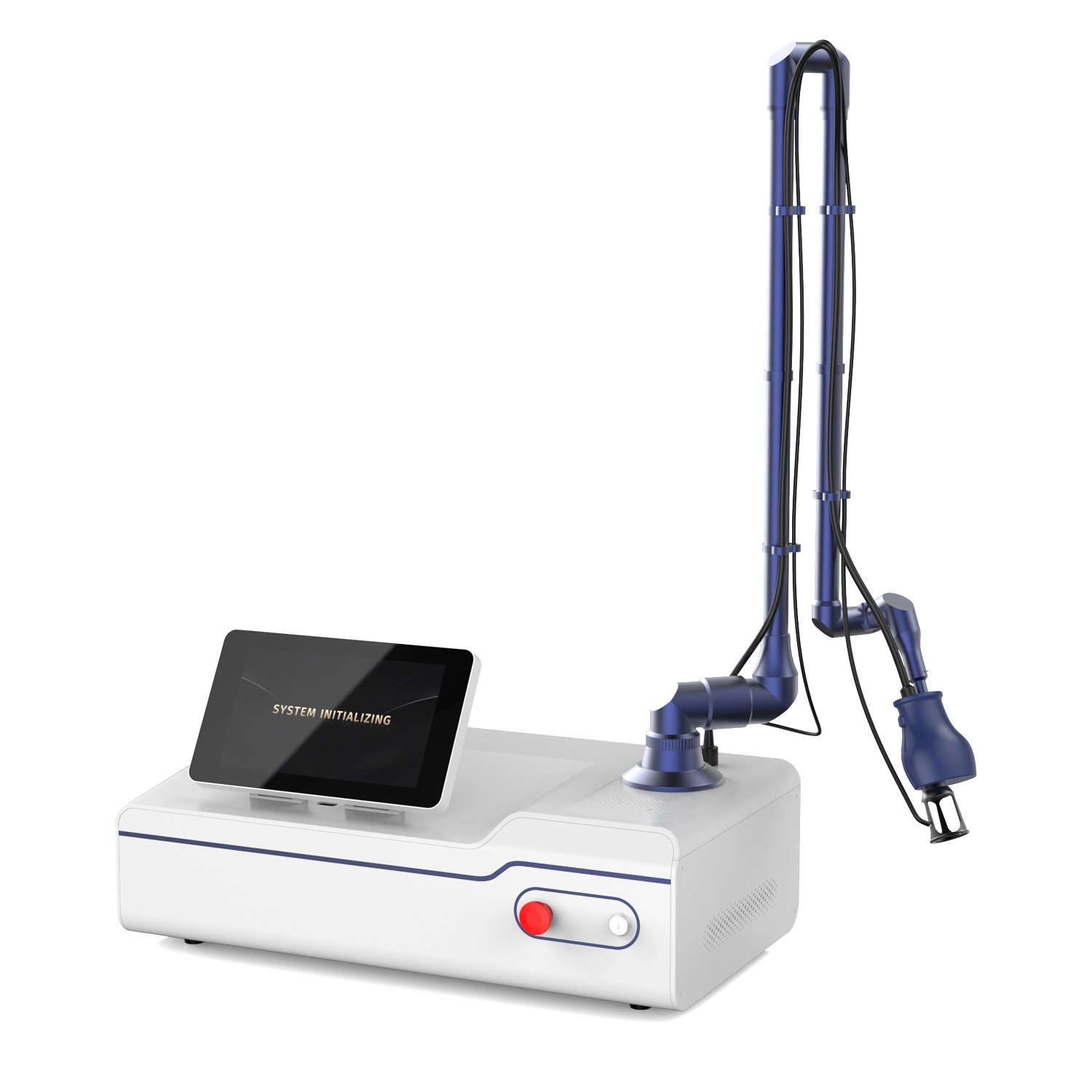
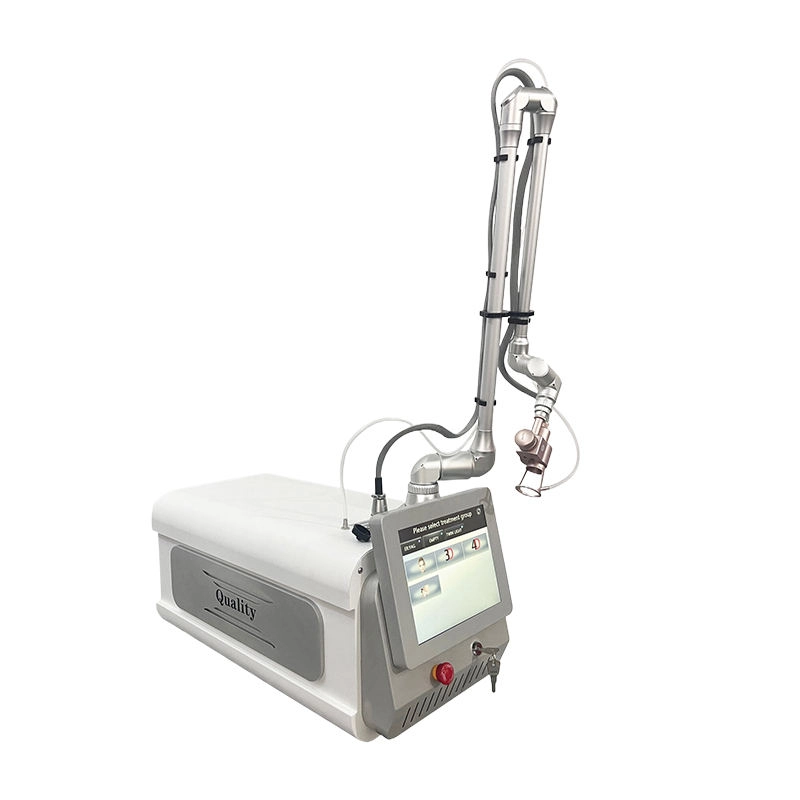
As a clinic owner or aesthetician, investing in advanced technology like a CO₂ fractional laser machine can significantly elevate your service offerings and patient outcomes. However, navigating the complexities of these powerful devices requires expert knowledge. This guide aims to answer the most pressing, often overlooked questions beginners have, ensuring you make informed decisions for your practice.
How does fractional CO₂ technology precisely target skin imperfections while minimizing thermal damage to surrounding tissue, and what impact does this have on patient safety and recovery compared to traditional ablative CO₂ lasers?
Fractional CO₂ laser technology represents a significant leap from traditional, fully ablative CO₂ lasers. The core principle is 'fractional photothermolysis,' where the laser beam is divided into thousands of microscopic treatment zones, creating tiny columns of thermal injury in the skin (micro-ablative columns). Crucially, these columns are surrounded by untouched, healthy tissue. This 'fractional' approach allows the skin to heal much faster because the intact surrounding tissue contains viable cells that rapidly migrate into the treated zones, accelerating the re-epithelialization process.
Compared to traditional ablative CO₂ lasers, which remove the entire surface layer of skin, fractional technology offers a dramatically improved safety profile and reduced recovery time. The minimized thermal damage to surrounding tissue significantly lowers the risk of complications such as post-inflammatory hyperpigmentation (PIH), scarring, and prolonged erythema, especially in patients with darker skin types. This targeted approach ensures effective dermal remodeling and collagen stimulation for concerns like acne scars, deep wrinkles, and textural irregularities, while enhancing patient comfort and expediting their return to normal activities.
Beyond the average 5-7 day visible downtime, what are the nuanced post-treatment skin changes and patient care protocols that influence the total recovery period after a CO₂ fractional laser, especially for deeper treatments?
While the most visible downtime after CO₂ fractional laser treatment, characterized by erythema (redness) and edema (swelling), typically subsides within 5-7 days, the total recovery period involves several nuanced stages. Immediately post-treatment, patients experience warmth, swelling, and significant redness. Over the next few days, the skin may exude serous fluid, followed by the formation of tiny crusts or bronzing as the micro-ablative columns heal. Re-epithelialization, the regrowth of new skin, usually completes within the first week.
However, the skin can remain pink or mildly red (post-inflammatory erythema) for several weeks, or even months, particularly after deeper treatments or in individuals prone to prolonged redness. Strict post-care protocols are paramount: diligent sun protection (broad-spectrum SPF 30+), gentle cleansing with non-irritating products, and consistent application of occlusive emollients or prescribed healing creams are essential. Patients must avoid harsh exfoliants, retinoids, and direct sun exposure during this extended healing phase. For deeper treatments targeting severe acne scars or significant photoaging, the dermal remodeling continues for months, and patients should be educated on the full spectrum of recovery, including potential for temporary hyperpigmentation or hypopigmentation, and the importance of follow-up appointments.
For a new aesthetic clinic, which specific skin conditions offer the highest ROI when treated with a CO₂ fractional laser machine, and what are the typical treatment protocols for these indications?
For a new aesthetic clinic, investing in a CO₂ fractional laser machine yields the highest ROI when targeting conditions with high patient demand and significant visible improvement. The top conditions include:
- Severe Acne Scars (Icepick, Boxcar, Rolling): CO₂ fractional lasers are the gold standard for scar revision. Typical protocols involve 1-3 sessions, spaced 6-8 weeks apart, using higher energy settings (e.g., 20-50 mJ/micro-spot) and moderate to high density (e.g., 10-20%) to induce significant collagen stimulation and dermal remodeling.
- Deep Wrinkles and Fine Lines (Periorbital, Perioral): Effective for significant wrinkle reduction. Protocols often involve 1-2 sessions with moderate energy and density, focusing on target areas.
- Significant Photoaging and Textural Irregularities: Addressing sun damage, rough texture, and uneven skin tone. 1-3 sessions with moderate energy and density settings (e.g., 15-30 mJ/micro-spot, 5-15% density) can achieve remarkable skin resurfacing and skin tightening.
- Pigment Correction (Actinic Keratoses, Sunspots): While not primary, it can effectively treat certain benign pigmented lesions and improve overall skin clarity.
Successful treatment requires precise energy settings, appropriate pulse duration, and scanner patterns tailored to the specific condition and patient's skin type, ensuring optimal clinical efficacy and safety.
What are the critical maintenance requirements and expected lifespan of a professional CO₂ fractional laser machine, and how do these impact long-term operational costs and clinic profitability?
The longevity and reliable performance of your CO₂ fractional laser machine heavily depend on diligent maintenance, directly impacting long-term operational costs and profitability. Critical maintenance requirements include:
- Daily/Weekly Cleaning: Regular cleaning of optics (lenses, mirrors), handpiece tips, and external surfaces to prevent dust and debris accumulation, which can degrade performance and cause damage.
- Cooling System Checks: Ensuring the cooling system (water reservoir, filters) is clean and adequately filled is vital for preventing overheating and component failure.
- Calibration & Service Checks: Annual or bi-annual professional calibration and service by certified technicians are crucial to ensure accurate energy delivery and system integrity. This includes checking laser alignment, power output, and software updates.
- Consumables Management: Regularly replacing disposable tips, protective eyewear, and ensuring an adequate supply of post-care products.
With proper care and professional servicing, a high-quality CO₂ fractional laser machine can have an expected lifespan of 5-10 years or even longer. Neglecting maintenance can lead to costly repairs, increased downtime for the machine (reducing revenue), inconsistent treatment results, and potential safety risks. Proactive maintenance minimizes these risks, maximizes machine uptime, extends its useful life, and ly safeguards your clinic's profitability and reputation.
What are the most common but often overlooked contraindications for CO₂ fractional laser treatment, and what pre-treatment screening protocols are essential to minimize adverse events in a diverse client base?
Minimizing adverse events and ensuring patient safety with CO₂ fractional laser treatment hinges on thorough pre-treatment screening. Common but often overlooked contraindications include:
- Recent Isotretinoin Use: Patients who have used oral isotretinoin (Accutane) within the last 6-12 months are at a significantly increased risk of impaired wound healing and keloidal scarring.
- Active Infections: Any active bacterial, viral (e.g., herpes simplex), or fungal infection in the treatment area. Prophylactic antiviral medication is often recommended for patients with a history of cold sores.
- Keloidal Tendency: Individuals with a history of keloid or hypertrophic scar formation are generally not good candidates.
- Photosensitizing Medications: Certain medications can increase skin sensitivity to light, leading to exaggerated reactions.
- Systemic Diseases: Uncontrolled diabetes, autoimmune diseases, or bleeding disorders can impair healing.
- Unrealistic Expectations: Patients with psychological dysmorphia or unrealistic outcome expectations should be carefully screened.
Essential pre-treatment screening protocols include a detailed medical history, thorough skin type assessment using the Fitzpatrick scale (crucial for managing PIH risk in darker skin types), photographic documentation, and comprehensive informed consent discussions covering risks, benefits, and expected downtime. For darker skin types, a test spot may be advisable to assess the skin's response. This rigorous patient selection process is vital for ensuring both safety and optimal clinical outcomes.
Beyond immediate discomfort, what are the actual patient sensations during a CO₂ fractional laser treatment, and what advanced pain management strategies and comfort features should a clinic prioritize when selecting a machine?
Patients undergoing CO₂ fractional laser treatment typically describe sensations beyond simple discomfort. During the procedure, they often report a feeling of intense heat, akin to multiple small pinpricks or a snapping sensation, followed by a burning or stinging feeling similar to a severe sunburn. The intensity varies based on the energy settings, treatment depth, and individual pain tolerance.
To enhance patient comfort and ensure a positive experience, clinics should prioritize machines and implement strategies with advanced pain management capabilities:
- Topical Anesthetics: High-potency topical lidocaine cream applied 45-60 minutes prior to treatment is standard.
- Forced Air Cooling Devices: Integrated or external cooling systems (e.g., Zimmer Cryo) deliver chilled air to the treatment area, significantly reducing heat sensation and discomfort during passes.
- Adjustable Pulse Parameters: Machines allowing precise control over pulse duration and energy delivery can optimize treatment efficacy while minimizing patient discomfort.
- Ergonomic Handpieces: Well-designed handpieces reduce operator fatigue, allowing for smoother, more consistent treatment.
- Oral Analgesics/Anxiolytics: In some cases, and where legally permissible, oral pain relievers or anti-anxiety medication may be offered for highly sensitive patients.
Prioritizing these comfort features and strategies not only improves the patient experience but also allows for more aggressive, effective treatments, ly leading to better results and higher patient satisfaction.
Investing in a CO₂ fractional laser machine is a strategic decision that promises significant advancements in your aesthetic practice. By understanding the intricate technology, managing patient expectations regarding downtime, identifying high-ROI treatments, adhering to rigorous maintenance, and prioritizing patient safety and comfort, you can unlock the full potential of this powerful skin resurfacing tool. This expertise ensures not only clinical excellence but also sustained profitability and client satisfaction.
Ready to elevate your clinic with a state-of-the-art CO₂ fractional laser machine? Contact us today for a personalized quote and expert consultation. Visit www.huimainbeauty.com or email us at coco@huimainbeauty.com.



MF6
Is the treatment painful?
No, the procedure is completely non-invasive and painless. Clients only feel mild warmth and tingling.
Who can use MFFFace 6?
It is suitable for all skin types and safe for both men and women seeking facial rejuvenation.
EMS-b
Can I customize the machine with my own brand?
Yes, we support OEM/ODM customization including logo printing, software interface, and packaging design.
emsculpt machine
How many treatments are needed for visible results?
Most clients see noticeable results after 4–6 sessions, with continued improvement over several weeks.
MDZ-SC03 皮肤检测仪
What can this Skin Analyzer detect?
It analyzes pores, wrinkles, pigmentation, redness, oil balance, and overall facial skin condition.

Get more information
If you have any comments or good suggestions, please leave us a message; later our professional staff will contact you as soon as possible.
Let's Talk
Stay in touch with us for cutting-edge beauty solutions, professional guidance, and customized service.
Contact


Room 307, Building A, Huilong International E-commerce Industrial Park, No. 10 Xipengling Road, Helong Street, Baiyun District, Guangzhou, China
© 2025 HUIMAIN. All Rights Reserved. Privacy Policy | Terms and Conditions | Sitemap
Facebook
Instagram
Medical beauty equipment factory
huimain Medical beauty equipment factory
beauty machine supplier
Whatsapp: +8619124004543