


- How does the fractional delivery of a CO₂ laser specifically minimize downtime and improve safety compared to traditional ablative CO₂ lasers, particularly for new clinics concerned about patient comfort and recovery?
- Beyond Fitzpatrick IV, what specific pre-treatment protocols and machine settings are crucial for safely treating Fitzpatrick V and VI skin types with a CO₂ fractional laser machine to avoid post-inflammatory hyperpigmentation (PIH) and scarring?
- What are the precise post-treatment care instructions and typical recovery timelines a clinic should communicate to patients after a CO₂ fractional laser session, and how do these vary based on treatment intensity and target concerns?
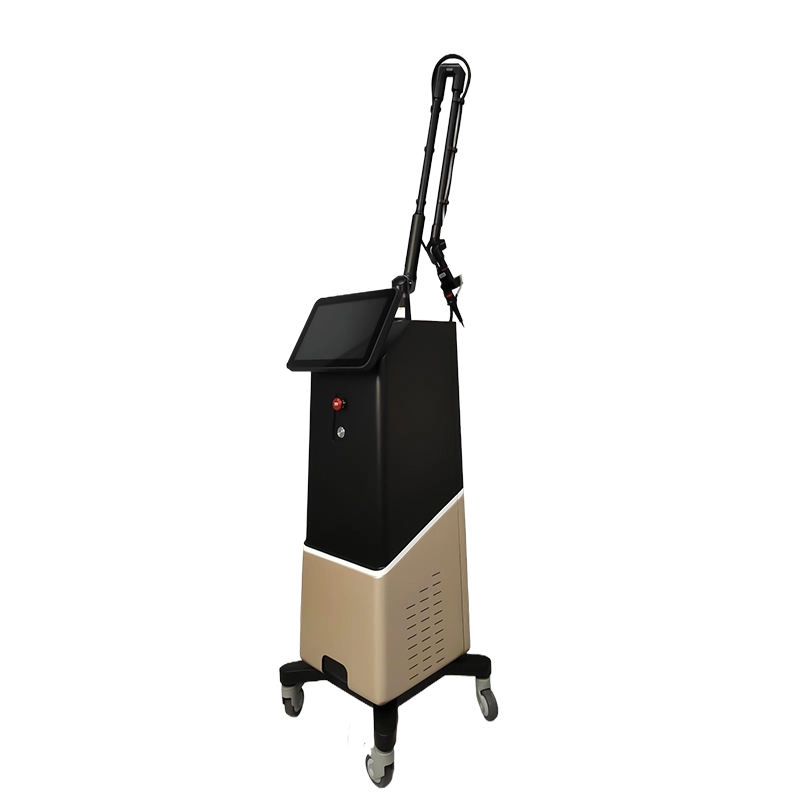
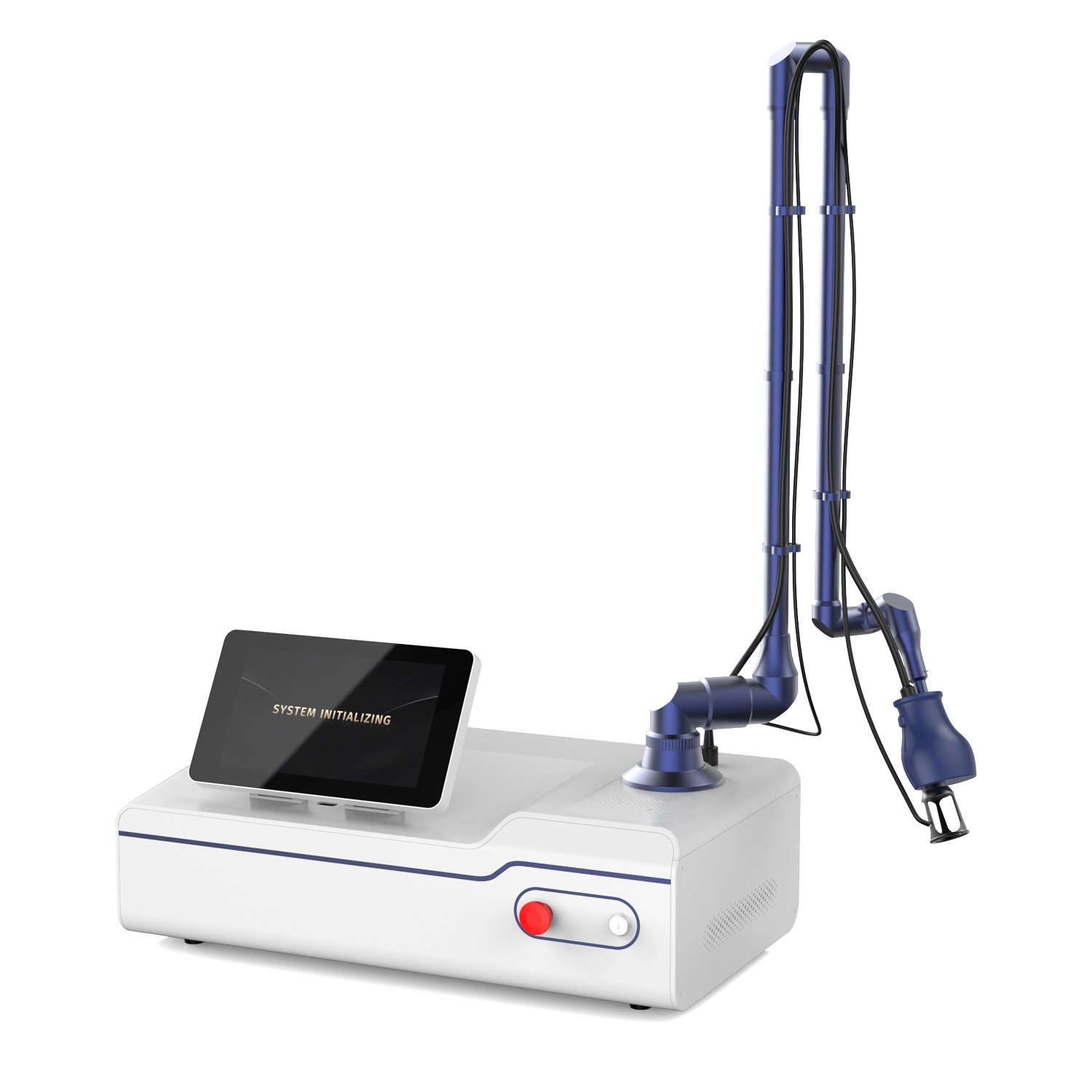
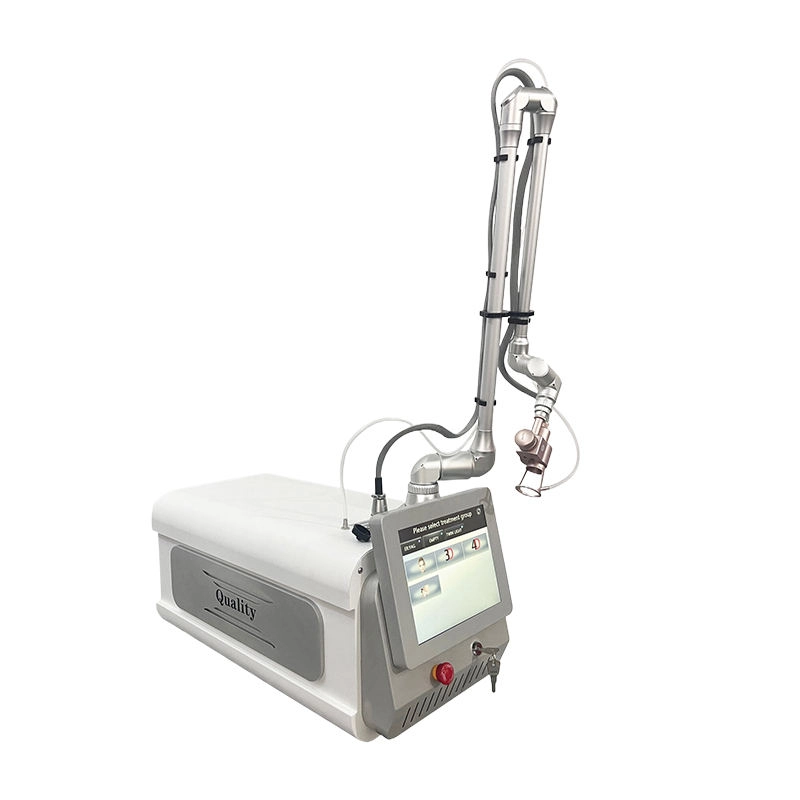
- For a clinic considering purchasing a CO₂ fractional laser, what are the key differentiating technical specifications (e.g., spot size, pulse duration, scan patterns, power output) that directly impact treatment efficacy, versatility, and patient comfort for various aesthetic concerns?
- What are the critical maintenance requirements and typical lifespan considerations for a professional CO₂ fractional laser machine, and how do these factors influence the long-term return on investment (ROI) and operational costs for a beauty clinic?
- How can clinics effectively manage and mitigate the less common but potentially serious adverse effects, such as prolonged erythema, blistering, or scarring, associated with CO₂ fractional laser treatments, and what emergency protocols should be in place?
Are CO₂ fractional laser machines safe for all skin types?
Unlocking the Power of CO₂ Fractional Laser Machines: A Comprehensive Guide for Professionals
As a clinic owner or aesthetic professional, investing in a CO₂ fractional laser machine represents a significant commitment to advanced skin rejuvenation and patient care. The market offers a plethora of options, and understanding the nuances of this powerful aesthetic device is paramount for both safety and profitability. This guide addresses six specific, pain-point-oriented questions frequently asked by beginners that often lack comprehensive, up-to-date answers online, providing the in-depth knowledge you need to make informed decisions.
How does the fractional delivery of a CO₂ laser specifically minimize downtime and improve safety compared to traditional ablative CO₂ lasers, particularly for new clinics concerned about patient comfort and recovery?
The core innovation of the CO₂ fractional laser machine lies in its 'fractional' delivery system. Unlike traditional, fully ablative CO₂ lasers that remove the entire surface layer of skin, fractional lasers create microscopic treatment zones (MTZs) of thermal injury, leaving surrounding tissue untouched. This strategic 'fractionation' is critical for minimizing downtime and enhancing patient safety. The intact skin bridges between the MTZs serve as a reservoir for rapid healing, accelerating the re-epithelialization process significantly. For clinics, this translates to reduced patient discomfort, a lower risk of complications like infection, and a dramatically shorter recovery period – typically 5-7 days for fractional treatments compared to weeks or even months for full-field ablative procedures. This improved safety profile and faster recovery make the CO₂ fractional laser a far more appealing and manageable option for new clinics looking to offer effective skin resurfacing, scar reduction, and anti-aging treatments without the extensive patient commitment and post-care demands of older technologies. The ability to precisely control the density and depth of these MTZs also allows for tailored treatments, further optimizing outcomes and patient satisfaction.
Beyond Fitzpatrick IV, what specific pre-treatment protocols and machine settings are crucial for safely treating Fitzpatrick V and VI skin types with a CO₂ fractional laser machine to avoid post-inflammatory hyperpigmentation (PIH) and scarring?
Treating Fitzpatrick V and VI skin types with a CO₂ fractional laser machine requires meticulous pre-treatment protocols and highly conservative machine settings to mitigate the significant risk of post-inflammatory hyperpigmentation (PIH) and scarring. The abundance of melanin in these darker skin types makes them highly susceptible to thermal injury, which can trigger melanocyte overactivity. Crucial protocols include:
- Aggressive Pre-Conditioning: A minimum of 4-6 weeks of topical depigmenting agents (e.g., hydroquinone 4-6%, kojic acid, arbutin) combined with retinoids (e.g., tretinoin) and broad-spectrum SPF is essential to suppress melanocyte activity and prepare the skin.
- Test Spots: Always perform small, inconspicuous test spots in an area like behind the ear or on the jawline, observing the skin's reaction over several weeks before full treatment.
- Conservative Settings: Machine settings must be significantly lower than those used for lighter skin types. This means utilizing lower energy fluences (e.g., 5-10 mJ/MTZ), reduced pulse durations, and lower treatment densities (e.g., 5-10% coverage). Shorter pulse durations minimize thermal diffusion to surrounding tissue.
- Wider Spot Sizes: Some experts advocate for slightly wider spot sizes to reduce the risk of 'hot spots' and ensure more even energy distribution.
- Cooling: Implement aggressive contact cooling before, during, and immediately after the laser pass to minimize thermal damage.
- Strict Post-Care: Emphasize continuous use of depigmenting agents, strict sun avoidance, and gentle emollients post-treatment.
Adherence to these stringent protocols is non-negotiable for safe and effective CO₂ fractional laser treatments on darker skin, ensuring optimal outcomes and preventing adverse events like PIH and scarring.
What are the precise post-treatment care instructions and typical recovery timelines a clinic should communicate to patients after a CO₂ fractional laser session, and how do these vary based on treatment intensity and target concerns?
Effective post-treatment care is as vital as the treatment itself for CO₂ fractional laser success. Clinics must provide clear, precise instructions and manage patient expectations regarding recovery timelines, which are highly dependent on treatment intensity and target concerns (e.g., deep acne scars vs. fine lines). General instructions include:
- Immediate Post-Treatment (Days 1-3): Skin will be red, swollen, and feel like a severe sunburn. Oozing and crusting are normal. Patients should apply a thick layer of occlusive ointment (e.g., petrolatum, Aquaphor) continuously to keep the skin moist and prevent scabbing. Gentle cleansing with a mild, non-foaming cleanser is recommended, followed by reapplication of ointment. Avoid harsh products, makeup, and direct sun exposure.
- Early Recovery (Days 4-7): Redness and swelling subside, and the skin will begin to peel or flake, revealing new, pink skin underneath. Continue gentle cleansing and moisturizing. Sun protection (SPF 30+ with zinc oxide/titanium dioxide) becomes critical. Makeup can typically be resumed after peeling has completed, usually around day 7.
- Longer-Term (Weeks 2-4+): Residual pinkness (erythema) can persist for several weeks, especially with more aggressive treatments or in fair-skinned individuals. Patients should continue diligent sun protection and use gentle skincare. Topical antioxidants and growth factors can aid healing.
Variations by Intensity/Concern:
- Light Treatments (e.g., texture, fine lines): Shorter downtime (3-5 days), less redness, minimal oozing.
- Moderate Treatments (e.g., wrinkles, mild sun damage): Typical 5-7 day recovery with noticeable peeling and redness.
- Aggressive Treatments (e.g., deep acne scars, severe photoaging): Extended downtime (7-10+ days), significant redness, swelling, and crusting. Erythema can last several months.
Communicating these variations upfront helps manage patient expectations and ensures compliance, leading to better outcomes for dermal remodeling and collagen production.
For a clinic considering purchasing a CO₂ fractional laser, what are the key differentiating technical specifications (e.g., spot size, pulse duration, scan patterns, power output) that directly impact treatment efficacy, versatility, and patient comfort for various aesthetic concerns?
When evaluating a CO₂ fractional laser machine for purchase, understanding its technical specifications is crucial for ensuring efficacy, versatility, and patient comfort. These specs directly influence the device's capability to address diverse aesthetic concerns:
- Power Output (Watts): Higher power output generally allows for faster treatments and the ability to deliver more energy per pulse, which can be critical for deeper skin resurfacing and treating stubborn acne scars. However, it must be paired with precise control to avoid adverse effects.
- Pulse Duration (Microseconds to Milliseconds): This is paramount. Shorter pulse durations (e.g., ultra-pulse) deliver energy rapidly, creating precise ablation with minimal thermal diffusion to surrounding tissue, reducing collateral damage and improving safety. Longer pulse durations might be used for specific thermal effects.
- Spot Size (Microns): Variable spot sizes offer versatility. Smaller spot sizes allow for precise treatment of delicate areas (e.g., periorbital) or individual lesions. Larger spot sizes cover broader areas more quickly. The ability to adjust spot size impacts the depth and density of the microscopic treatment zones.
- Scan Patterns (e.g., square, circle, line, random): Advanced scan patterns enhance treatment uniformity and reduce the risk of 'hot spots' or skipped areas. Random or non-sequential patterns can also improve patient comfort by allowing small areas to cool slightly between pulses.
- Fractional Density (Percentage Coverage): The ability to adjust the percentage of skin treated (e.g., 5% to 80%) is vital for customizing treatments. Lower densities are for lighter resurfacing, higher for more aggressive scar revision.
- Depth of Penetration: Directly related to energy and pulse duration, the ability to control penetration depth allows targeting superficial pigmentation, fine lines, or deeper wrinkles and scars.
A machine offering a wide range of adjustable parameters ensures maximum versatility, allowing clinics to perform everything from gentle skin texture refinement to aggressive scar revision, thereby maximizing its utility and potential for patient satisfaction and clinic ROI.
What are the critical maintenance requirements and typical lifespan considerations for a professional CO₂ fractional laser machine, and how do these factors influence the long-term return on investment (ROI) and operational costs for a beauty clinic?
The long-term ROI and operational costs of a CO₂ fractional laser machine are significantly influenced by its maintenance requirements and expected lifespan. These are not merely technical details but crucial business considerations for any beauty clinic:
- Regular Calibration and Servicing: CO₂ laser systems require periodic professional calibration (typically annually or bi-annually) to ensure accurate energy delivery and consistent performance. This prevents suboptimal results or, worse, patient injury due to miscalibrated output.
- Optics Cleaning and Replacement: The laser's optics (lenses, mirrors) can degrade over time due to dust, debris, or repeated use. Regular cleaning and eventual replacement of these components are essential to maintain beam quality and energy efficiency.
- Consumables: While not all CO₂ fractional laser machines have extensive consumables, some may require replacement tips, filters, or cooling solutions. Factor these into ongoing operational costs.
- Laser Tube Lifespan: The CO₂ laser tube is the heart of the system. Its lifespan typically ranges from 10,000 to 20,000 hours of operation, depending on the manufacturer and usage. Replacement of the laser tube is a significant expense (often 20-40% of the original machine cost) and must be factored into the long-term ROI calculation.
- Software Updates: Ensuring the machine's software is up-to-date can enhance performance, add new features, and address potential bugs.
A well-maintained CO₂ fractional laser machine can have a lifespan of 7-10 years or more. Neglecting maintenance not only risks machine breakdown and costly repairs but also compromises patient safety and treatment efficacy, leading to reputational damage. Clinics must budget for these ongoing costs to accurately project their ROI and ensure the longevity and reliable performance of their professional aesthetic equipment.
How can clinics effectively manage and mitigate the less common but potentially serious adverse effects, such as prolonged erythema, blistering, or scarring, associated with CO₂ fractional laser treatments, and what emergency protocols should be in place?
While CO₂ fractional laser treatments are generally safe when performed correctly, clinics must be prepared to manage and mitigate less common but potentially serious adverse effects. Proactive risk management and clear emergency protocols are paramount for patient safety and clinic reputation:
- Prolonged Erythema: Persistent redness beyond the typical recovery period (lasting months) can occur. Mitigation involves aggressive sun protection, topical anti-inflammatory agents (e.g., corticosteroids for short bursts, non-steroidal options), and sometimes vascular lasers (e.g., pulsed dye laser) to reduce redness.
- Blistering/Crusting: While some crusting is normal, excessive blistering can indicate overtreatment or infection. Management includes immediate application of soothing, sterile dressings, topical antibiotics if infection is suspected, and close monitoring.
- Infection: Bacterial, viral (herpes simplex), or fungal infections are risks. Pre-treatment antiviral prophylaxis is crucial for patients with a history of herpes. Post-treatment, vigilant hygiene and the use of topical or oral antibiotics/antivirals if infection develops are necessary.
- Scarring (Hypertrophic/Keloid): This is the most serious, though rare, complication. It often results from excessive energy, improper technique, or treating high-risk areas/patients. Early intervention with topical steroids, silicone sheeting, or intralesional steroid injections is critical. Prevention is key: meticulous patient selection, conservative settings, and avoiding over-treatment.
- PIH (Post-Inflammatory Hyperpigmentation): More common in darker skin types. Managed with strict sun avoidance, topical depigmenting agents, and chemical peels or other gentle lightening treatments once the skin has healed.
Emergency Protocols:
- Immediate Cooling: For excessive heat or blistering, apply cold compresses or ice packs immediately.
- Sterile Wound Care: For any open wounds or blisters, ensure sterile dressing and prevent infection.
- Pharmacological Intervention: Have topical/oral antibiotics, antivirals, and corticosteroids readily available.
- Referral Network: Establish relationships with dermatologists or plastic surgeons for urgent referrals in cases of severe complications like deep infections or suspected scarring.
- Documentation: Meticulous documentation of treatment parameters, patient response, and any adverse events is crucial for legal and clinical purposes.
Thorough training, patient education, and a robust safety protocol are the cornerstones of successful and responsible CO₂ fractional laser treatment.
Investing in a CO₂ fractional laser machine is a strategic move for any clinic aiming to offer cutting-edge skin rejuvenation, scar revision, and anti-aging solutions. The advantages are clear: superior results in improving skin texture, reducing wrinkles, and diminishing acne scars; unparalleled versatility in treating a wide range of concerns; and high patient satisfaction driven by effective outcomes and manageable downtime. By understanding the intricate details of safety protocols, technical specifications, maintenance, and adverse effect management, you ensure not only the longevity of your professional aesthetic equipment but also the trust and loyalty of your clientele. Your commitment to expertise and patient well-being will solidify your clinic's reputation as a leader in advanced laser technology.
Ready to elevate your clinic's offerings with a state-of-the-art CO₂ fractional laser machine? Contact us today for a personalized quote and expert consultation. Visit www.huimainbeauty.com or email coco@huimainbeauty.com.



HMT22
Can I use this machine at home?
Yes, the machine is designed for both professional and personal use. However, for optimal results, following the manufacturer's guidelines and consulting with professionals is recommended.
12D hifu
How soon can clients see results?
Some results appear immediately, while full collagen regeneration appears within 2–8 weeks.
MF8
How many sessions are needed to see results?
Most clients notice improvements after 3–5 sessions, with optimal results in 6–8 treatments.
Portable EMS Magnetic Ring
What is the main function of this EMS magnetic therapy machine?
It provides electromagnetic stimulation to relieve pain, promote blood circulation, and improve muscle recovery.
专业级三波长激光脱毛设备
How many sessions are needed?
Typically, 6–8 sessions are recommended for optimal results.

Get more information
If you have any comments or good suggestions, please leave us a message; later our professional staff will contact you as soon as possible.
Let's Talk
Stay in touch with us for cutting-edge beauty solutions, professional guidance, and customized service.
Contact


Room 307, Building A, Huilong International E-commerce Industrial Park, No. 10 Xipengling Road, Helong Street, Baiyun District, Guangzhou, China
© 2025 HUIMAIN. All Rights Reserved. Privacy Policy | Terms and Conditions | Sitemap
Facebook
Instagram
Medical beauty equipment factory
huimain Medical beauty equipment factory
beauty machine supplier
Whatsapp: +8619124004543