


- Beyond basic efficacy, what are the specific, nuanced patient selection criteria for CO₂ fractional laser treatment to minimize adverse events and ensure optimal results, especially for diverse skin types?
- What are the critical, often overlooked pre-treatment protocols and post-treatment care instructions that significantly impact the healing process and long-term success of CO₂ fractional laser skin resurfacing, particularly concerning hyperpigmentation risk?
- What are the most common operator errors during CO₂ fractional laser procedures, and what advanced techniques or safety features should staff be trained on to prevent complications like burns or scarring?
- Beyond standard certification, what specialized, hands-on training modules and ongoing competency assessments are crucial for staff to master the precise application and energy settings of a CO₂ fractional laser machine across various skin conditions?
- How can clinics effectively manage patient expectations regarding the realistic downtime, discomfort levels, and full recovery timeline following a CO₂ fractional laser treatment, especially when combining it with other aesthetic modalities?
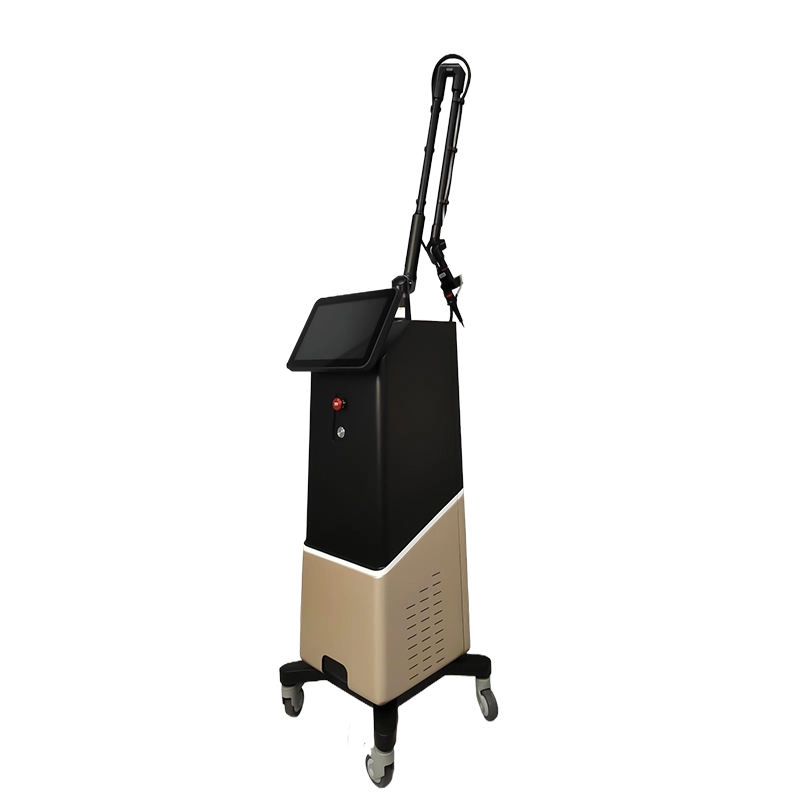
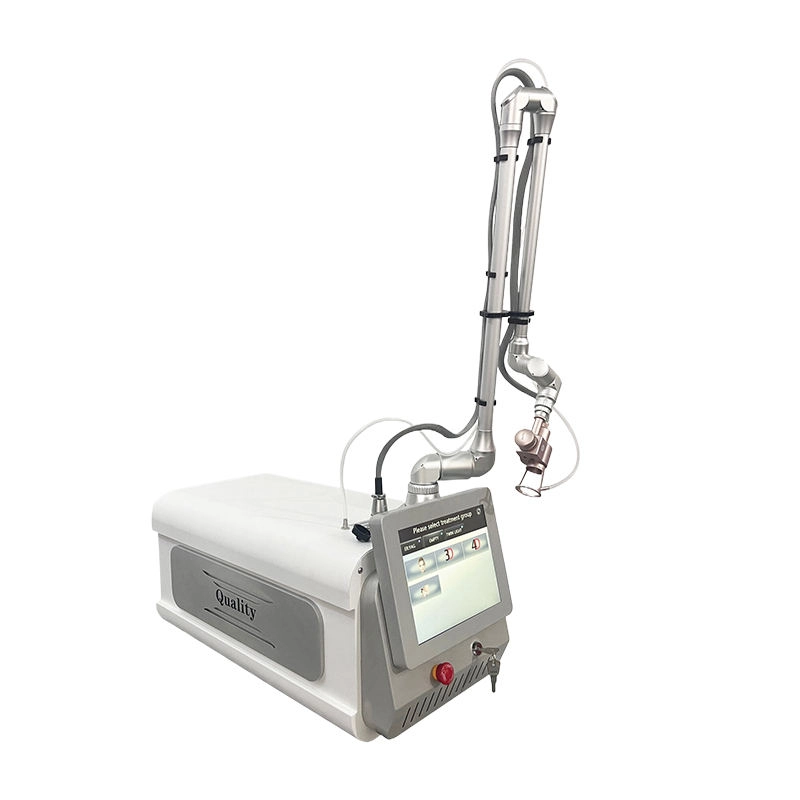
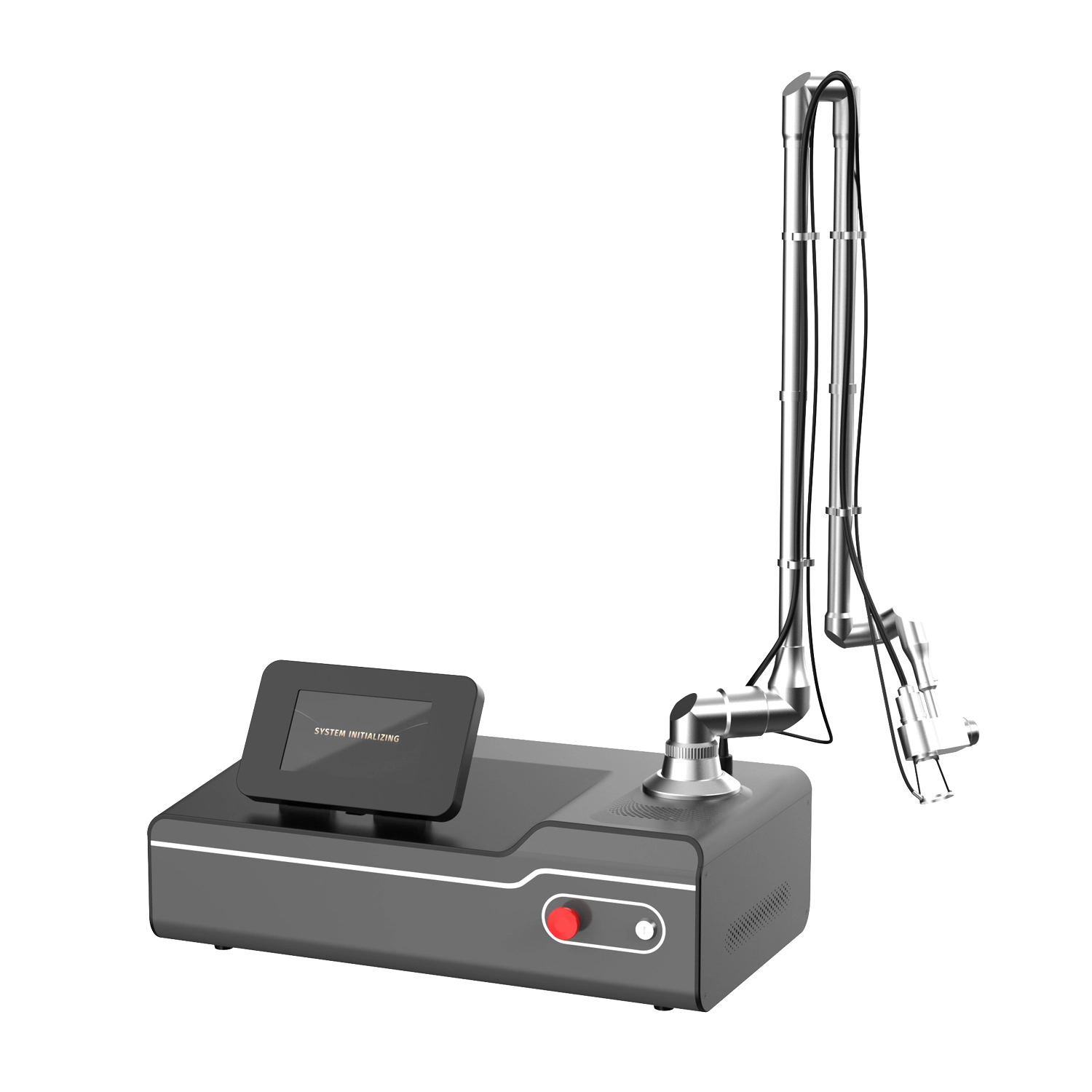
- What are the essential, non-negotiable daily and weekly maintenance procedures for a CO₂ fractional laser machine to ensure its longevity, consistent performance, and patient safety, and what are the implications of neglecting these?
How to train staff to operate a CO₂ fractional laser machine?
Beyond basic efficacy, what are the specific, nuanced patient selection criteria for CO₂ fractional laser treatment to minimize adverse events and ensure optimal results, especially for diverse skin types?
Patient selection for CO₂ fractional laser skin resurfacing extends far beyond simply identifying a skin concern. A thorough consultation must include a detailed medical history, focusing on previous keloid scarring, active infections (herpes simplex, bacterial), immunosuppression, recent isotretinoin use (within 6-12 months), and photosensitizing medications. Crucially, the Fitzpatrick skin type scale is paramount. While CO₂ lasers are highly effective, darker skin types (Fitzpatrick IV-VI) carry a significantly higher risk of post-inflammatory hyperpigmentation (PIH). For these patients, lower energy settings, increased fractional density with reduced ablation depth, and aggressive pre- and post-treatment protocols involving topical hydroquinone, retinoids, and sun protection are indispensable. Additionally, assessing patient expectations is vital; those seeking immediate, dramatic results without understanding the downtime or potential risks are not ideal candidates. A comprehensive skin analysis, including texture, elasticity, and existing sun damage, helps tailor treatment parameters, ensuring both safety and the desired dermal remodeling outcome.
What are the critical, often overlooked pre-treatment protocols and post-treatment care instructions that significantly impact the healing process and long-term success of CO₂ fractional laser skin resurfacing, particularly concerning hyperpigmentation risk?
Overlooking pre- and post-treatment protocols can compromise even the most expertly performed ablative laser procedure. Pre-treatment, a regimen typically spanning 2-4 weeks, is crucial. This often involves topical retinoids to accelerate cell turnover and improve healing, hydroquinone or other tyrosinase inhibitors for darker skin types to mitigate PIH, and antiviral prophylaxis (e.g., acyclovir) for all patients with a history of herpes simplex. Patients must strictly avoid sun exposure and tanning. Post-treatment care is equally critical. Immediately after the procedure, the skin will be red, swollen, and may ooze. Proper wound care involves gentle cleansing with a mild cleanser, application of occlusive ointments (e.g., petrolatum-based products) to maintain a moist healing environment, and strict sun avoidance. Patients must be educated on the importance of broad-spectrum SPF 50+ sunscreen application daily, even indoors, for several months post-treatment. Avoiding picking or scratching scabs is non-negotiable to prevent scarring and infection. Detailed written instructions, along with verbal reinforcement, are essential for optimal healing and to maximize the benefits of acne scar removal or wrinkle reduction.
What are the most common operator errors during CO₂ fractional laser procedures, and what advanced techniques or safety features should staff be trained on to prevent complications like burns or scarring?
Operator error is a primary cause of complications in aesthetic laser technology. Common mistakes include incorrect parameter selection (too high energy for skin type, insufficient pulse stacking time), inadequate cooling, uneven passes leading to striping or hot spots, and insufficient patient eye protection. To prevent these, staff training must go beyond basic machine operation. It should encompass advanced techniques like dynamic pulsing, where energy delivery is adjusted based on real-time skin response, and understanding tissue interaction at various depths. Training should emphasize meticulous skin preparation, precise targeting of treatment areas, and consistent, overlapping passes. Modern professional aesthetic equipment often includes integrated cooling systems, precise aiming beams, and built-in safety interlocks that prevent firing if contact is lost or if parameters are outside safe ranges. Regular calibration checks and adherence to manufacturer guidelines are paramount. Furthermore, practical, supervised sessions focusing on different anatomical areas and skin conditions are vital for developing the necessary skill and confidence to safely perform skin resurfacing procedures.
Beyond standard certification, what specialized, hands-on training modules and ongoing competency assessments are crucial for staff to master the precise application and energy settings of a CO₂ fractional laser machine across various skin conditions?
To effectively train staff to operate a CO₂ fractional laser machine, a robust program extends beyond initial certification. Specialized hands-on modules are crucial. These should include:
- Anatomy and Physiology of the Skin: Deep dive into epidermal and dermal layers, wound healing cascade, and how laser energy interacts with chromophores.
- Laser Physics and Safety: Comprehensive understanding of CO₂ wavelength, pulse duration, spot size, and energy density, along with advanced laser safety officer (LSO) protocols.
- Parameter Customization Workshops: Practical sessions focusing on adjusting fluence, pulse width, and density for specific indications (e.g., deep wrinkle reduction, superficial pigmentation, acne scars) and different skin types, utilizing simulators or practice models.
- Complication Management: Training on recognizing, preventing, and managing adverse events like PIH, infection, scarring, and prolonged erythema, including emergency protocols.
- Patient Consultation and Expectation Management: Role-playing scenarios to refine communication skills, ensuring patients understand the procedure, risks, benefits, and realistic outcomes.
How can clinics effectively manage patient expectations regarding the realistic downtime, discomfort levels, and full recovery timeline following a CO₂ fractional laser treatment, especially when combining it with other aesthetic modalities?
Managing patient expectations is fundamental to patient satisfaction and minimizing complaints after laser skin treatment. Clinics must provide transparent, detailed information about the entire treatment journey. For CO₂ fractional laser, realistic downtime typically ranges from 5-7 days for initial healing (erythema, swelling, crusting) to several weeks or even months for complete resolution of redness. Discomfort levels, though mitigated by topical anesthetics and cooling during the procedure, can range from a sunburn-like sensation to mild pain post-treatment, managed with oral analgesics. The full recovery timeline, where skin texture and tone significantly improve, can extend up to 3-6 months as collagen stimulation progresses. When combining CO₂ fractional laser with other modalities (e.g., injectables, PRP), the downtime and recovery might be altered or prolonged, requiring even more explicit communication. Visual aids, such as before-and-after photos depicting realistic healing stages, and patient testimonials can be highly effective tools. Emphasize that individual responses vary, and adherence to post-care instructions is paramount for optimal results and safe skin resurfacing.
What are the essential, non-negotiable daily and weekly maintenance procedures for a CO₂ fractional laser machine to ensure its longevity, consistent performance, and patient safety, and what are the implications of neglecting these?
Neglecting maintenance of a CO₂ fractional laser machine can lead to inconsistent energy delivery, premature equipment failure, compromised patient safety, and costly repairs. Essential daily procedures include:
- Optics Cleaning: Gently clean the scanner lens and mirrors with approved optical wipes and solutions to remove debris that can scatter the laser beam, reducing efficacy and potentially causing hot spots.
- Articulation Arm Inspection: Check for smooth movement and any signs of damage or loose connections.
- System Startup Check: Verify all system indicators, cooling levels, and calibration according to the manufacturer's protocol.
- Water System Check: Inspect and, if necessary, top up or replace distilled water in the cooling system to prevent overheating and maintain optimal laser performance.
- Filter Cleaning/Replacement: Clean or replace air filters to ensure proper ventilation and prevent dust buildup in critical components.
- Handpiece Inspection: Thoroughly inspect handpieces for wear, damage, or blockages.
The CO₂ fractional laser machine stands as a powerful tool in modern aesthetic medicine, offering unparalleled results in skin resurfacing, wrinkle reduction, and acne scar removal. Its ability to stimulate profound collagen stimulation and achieve significant dermal remodeling makes it indispensable for clinics aiming to provide advanced laser skin treatment. By prioritizing meticulous patient selection, comprehensive staff training, rigorous safety protocols, and diligent machine maintenance, practitioners can unlock the full potential of this technology, ensuring superior patient outcomes and establishing a reputation for excellence in the competitive aesthetic landscape.
For inquiries about our state-of-the-art CO₂ fractional laser machines and to receive a personalized quote, please do not hesitate to contact us at coco@huimainbeauty.com or visit www.huimainbeauty.com.
EMS Sculpting Machine-落地页
Do you offer different models or configurations?
Yes. We provide a complete EMS body sculpting machine series with different configurations, treatment handles, and power levels to match various business needs and budgets.
DL-2 Led Light Therapy
Can I use this machine for sensitive skin?
Yes, the LED therapy is safe for all skin types, but a patch test is recommended for very sensitive skin.
单手柄12d hifu
Is the 12D HIFU Facial Machine safe?
Yes, the device is non-invasive and safe for all skin types with adjustable energy levels.
JHF-21
Are treatment parameters adjustable?
Yes, energy intensity, depth and treatment modes can be adjusted for different clients and areas.
A71立式冷波
Is there any downtime after treatment?
No downtime is required. Clients can return to daily activities immediately after treatment.

Get more information
If you have any comments or good suggestions, please leave us a message; later our professional staff will contact you as soon as possible.
Let's Talk
Stay in touch with us for cutting-edge beauty solutions, professional guidance, and customized service.
Contact


Room 307, Building A, Huilong International E-commerce Industrial Park, No. 10 Xipengling Road, Helong Street, Baiyun District, Guangzhou, China
© 2025 HUIMAIN. All Rights Reserved. Privacy Policy | Terms and Conditions | Sitemap
Facebook
Instagram
Medical beauty equipment factory
huimain Medical beauty equipment factory
beauty machine supplier
Whatsapp: +8619124004543