


- How does fractional CO₂ laser technology specifically target deep acne scars and severe wrinkles compared to traditional ablative lasers, and what are its limitations?
- Beyond the initial purchase price, what are the often-overlooked operational costs and essential consumables associated with a CO₂ fractional laser machine that a new clinic must budget for?
- When considering a refurbished CO₂ fractional laser machine, what specific technical components or certifications should I scrutinize to ensure its reliability, safety, and long-term performance?
- How do I accurately assess the ROI and develop a competitive pricing strategy for CO₂ fractional laser treatments in my clinic, considering varying patient expectations and local market rates?
- What are the critical safety protocols and specific pre/post-treatment care guidelines a new clinic must implement when introducing a CO₂ fractional laser, especially for diverse skin types (Fitzpatrick I-VI)?
- What kind of ongoing technical support, software updates, and training should I realistically expect from a reputable CO₂ fractional laser manufacturer or supplier, and how does this impact long-term clinic operations?
Can refurbished CO₂ fractional laser machines be trusted?
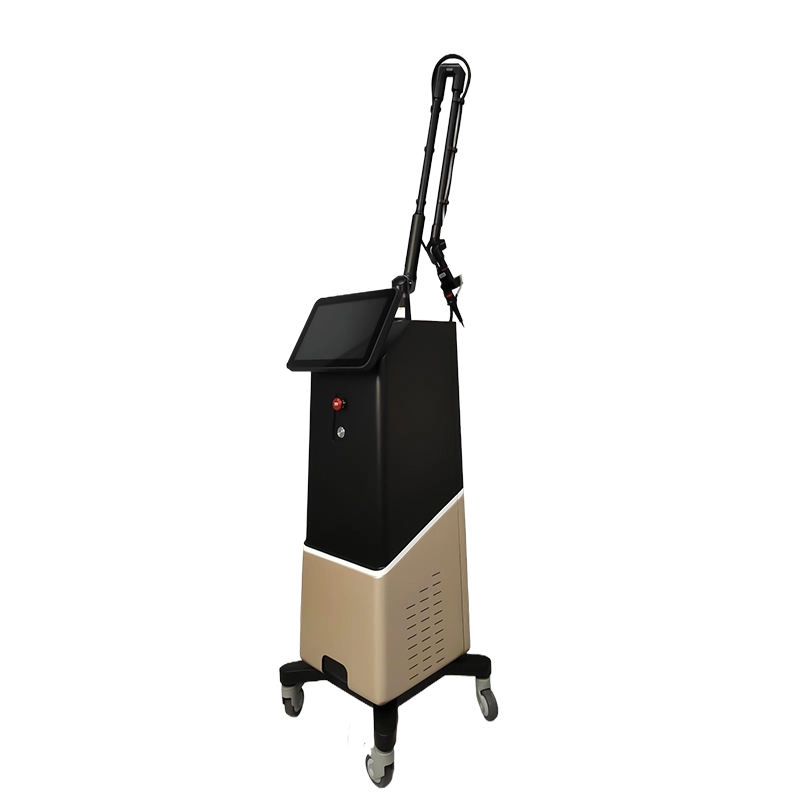
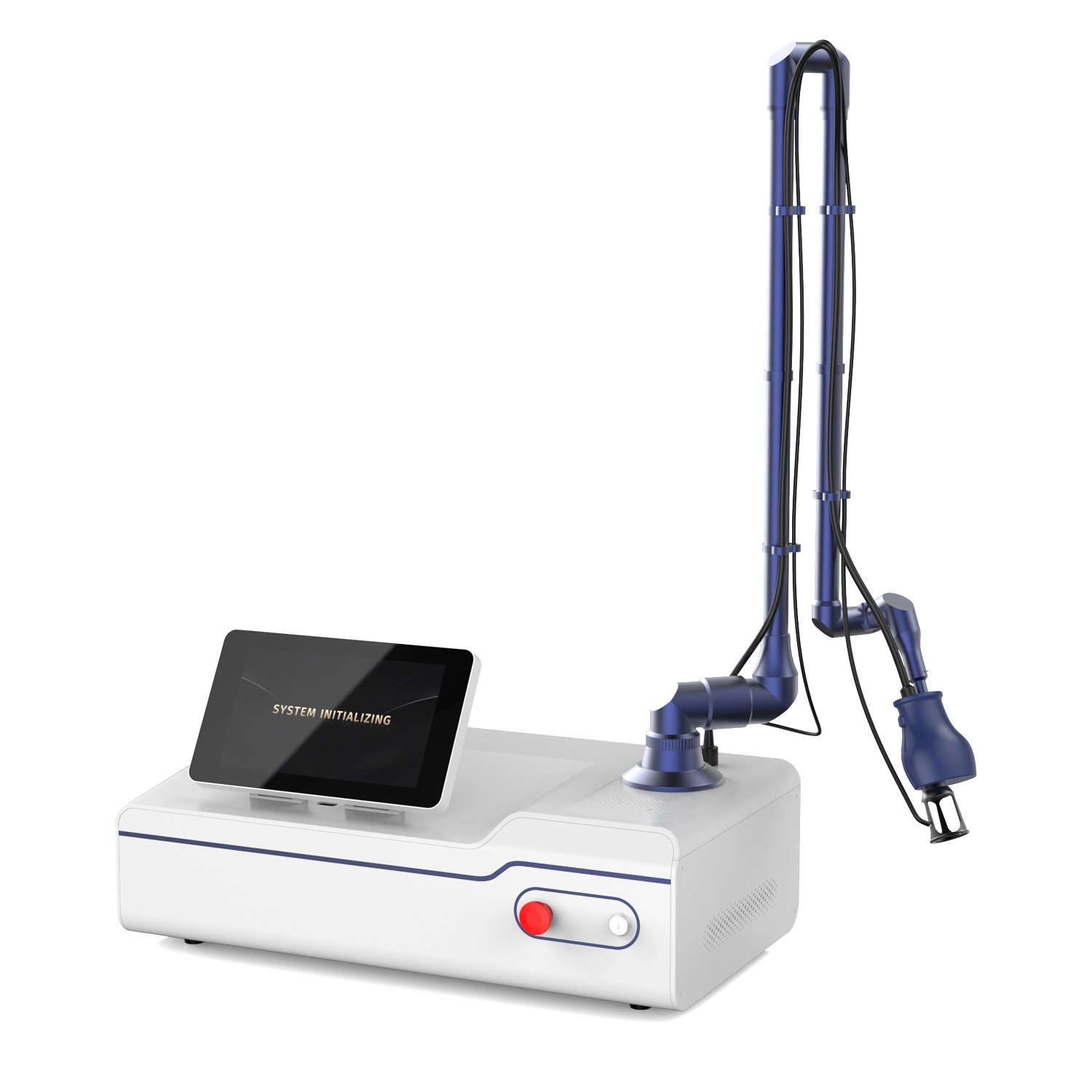
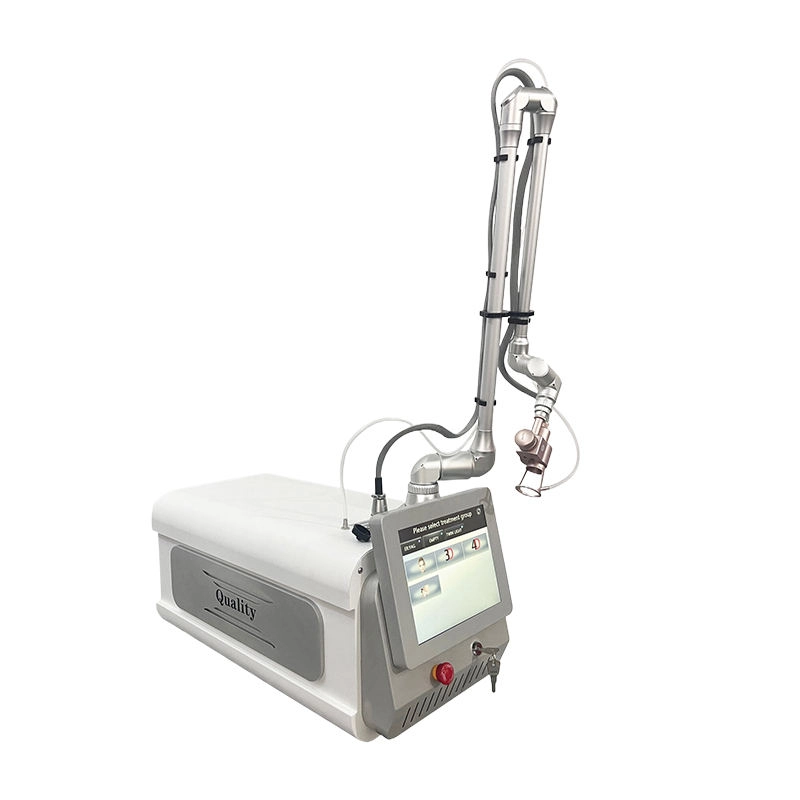
Investing in a CO₂ fractional laser machine is a significant step for any aesthetic clinic aiming to offer advanced skin rejuvenation treatments. This powerful ablative laser technology, operating at a wavelength of 10,600nm, precisely targets skin concerns by creating microscopic thermal zones, stimulating intense collagen production and cellular regeneration. However, for beginners, navigating the complexities of this sophisticated aesthetic device can be daunting. From understanding its true capabilities to assessing the reliability of a refurbished CO₂ fractional laser machine, many questions arise that often lack truly in-depth, current answers online. Let's delve into these crucial pain points to empower your purchasing decisions.
How does fractional CO₂ laser technology specifically target deep acne scars and severe wrinkles compared to traditional ablative lasers, and what are its limitations?
Traditional ablative lasers remove the entire top layer of skin, leading to prolonged downtime and higher risks. CO₂ fractional laser technology, on the other hand, utilizes a process called fractional photothermolysis. Instead of removing the entire surface, it delivers laser energy in a grid pattern of microscopic columns (microthermal zones) into the skin, leaving surrounding tissue intact. This fractional approach allows for faster healing and reduced downtime while still achieving significant results. For deep acne scars and severe wrinkles, the CO₂ fractional laser penetrates deeper into the dermis, vaporizing aged tissue and triggering a robust wound-healing response. This intense thermal injury stimulates fibroblasts to produce new collagen and elastin, effectively remodeling the skin's architecture. The depth and density of these microthermal zones can be adjusted, allowing for customized treatments. While highly effective, its limitations include a higher risk of post-inflammatory hyperpigmentation (PIH) in darker skin types (Fitzpatrick IV-VI) if not treated with extreme caution and appropriate pre/post-care. It also requires significant downtime compared to non-ablative lasers, typically 5-10 days, and multiple sessions might be needed for optimal results on very deep scars or wrinkles.
Beyond the initial purchase price, what are the often-overlooked operational costs and essential consumables associated with a CO₂ fractional laser machine that a new clinic must budget for?
Many beginners focus solely on the upfront cost of the CO₂ fractional laser machine, neglecting the substantial ongoing operational expenses. Key overlooked costs include:
- Consumables: This is a major ongoing expense. It includes disposable tips for the handpiece (which are often single-use for hygiene and efficacy), specialized protective eyewear for both patient and operator (often needing replacement), and potentially specific cooling gels or post-treatment skincare products recommended by the manufacturer.
- Maintenance & Service Contracts: Regular preventative maintenance is crucial for the longevity and optimal performance of any dermatological laser. Expect annual service checks, calibration, and potential replacement of internal components. A comprehensive service contract can be a significant annual expense but provides peace of mind and minimizes unexpected repair costs.
- Training & Certification: Proper training for all operators is non-negotiable for patient safety and treatment efficacy. This often involves initial manufacturer training, but ongoing education, advanced technique workshops, and recertification are vital and come with costs.
- Insurance: Specialized medical malpractice and equipment insurance are essential. High Qualitys can be higher for ablative laser devices due to the potential for adverse events.
- Facility Requirements: Adequate ventilation, specific electrical requirements, and a dedicated treatment room that complies with laser safety standards (e.g., restricted access, warning signs) might incur setup or modification costs.
- Marketing: Allocating a budget for marketing the new skin resurfacing service is crucial for patient acquisition and ROI.
These hidden costs can easily add 15-30% to the annual operational budget, significantly impacting profitability if not accounted for upfront.
When considering a refurbished CO₂ fractional laser machine, what specific technical components or certifications should I scrutinize to ensure its reliability, safety, and long-term performance?
Purchasing a refurbished CO₂ fractional laser machine can be a cost-effective option, but it demands meticulous due diligence. To ensure reliability and patient safety, scrutinize the following:
- Laser Tube (CO₂ Resonator): This is the heart of the machine. Inquire about its age, usage hours, and whether it has been replaced or re-gassed. A new or recently serviced laser tube is critical for consistent power output and longevity. Ask for documentation of its last service.
- Scanner & Handpiece: The scanner controls the delivery of the laser beam, and the handpiece is the primary contact with the patient. Check for any signs of wear, damage, or misalignment. Ensure the scanner is calibrated correctly for accurate spot size and pattern delivery. Ask if the handpiece has been replaced or refurbished.
- Power Supply Unit: A stable power supply is essential for consistent energy delivery. Inquire about its condition and any recent servicing.
- Cooling System: Proper cooling prevents overheating and ensures consistent performance. Verify the cooling system (often water-based) is functioning optimally and free from leaks or blockages.
- Software & Controls: Ensure the software is up-to-date and fully functional, allowing precise control over pulse duration, energy density, and treatment parameters.
- Certifications & Regulatory Compliance: Crucially, verify that the refurbished unit still holds relevant certifications such as CE marking (for Europe) or FDA clearance (for the US), if applicable. A reputable refurbisher should provide documentation that the machine meets original manufacturer specifications and safety standards.
- Warranty & Service History: A comprehensive warranty (at least 6-12 months) from the refurbisher is non-negotiable. Request a detailed service history, including all repairs, part replacements, and calibration records. This transparency is key to trusting a pre-owned aesthetic device.
Avoid units with no verifiable service history, incomplete documentation, or from sellers unwilling to offer a substantial warranty.
How do I accurately assess the ROI and develop a competitive pricing strategy for CO₂ fractional laser treatments in my clinic, considering varying patient expectations and local market rates?
Assessing ROI for a CO₂ fractional laser machine involves more than just treatment cost versus revenue. Start by calculating your total cost of ownership (TCO), including the purchase price, consumables, maintenance, training, and marketing. Then, research local market rates for similar skin resurfacing, acne scars, and wrinkle reduction treatments. This will give you a baseline.
Pricing Strategy:
- Cost-Plus Pricing: Calculate the cost per treatment (including consumables, labor, and a portion of the machine's depreciation) and add a desired profit margin. This ensures you cover costs.
- Value-Based Pricing: Position your clinic based on expertise, results, and patient experience. If you offer superior service, advanced techniques, or exceptional outcomes, you can justify a High Quality price. Highlight the benefits of collagen production and dermal remodeling.
- Competitive Pricing: Stay aware of competitors' pricing but don't solely base yours on it. Differentiate your service through added value (e.g., complimentary post-care kits, follow-up consultations).
- Tiered Pricing/Packages: Offer different treatment packages (e.g., single session, 3-session package for stretch marks or pigment correction) to appeal to various budgets and encourage commitment. Bundling with complementary treatments can also increase perceived value.
ROI Assessment: Project the number of treatments you anticipate performing monthly/annually. Multiply this by your average treatment price to estimate revenue. Subtract your TCO and operational expenses. Factor in patient acquisition costs. A realistic ROI typically ranges from 12-24 months, depending on your market and marketing efforts. Emphasize the long-term benefits of skin tightening and overall skin health to patients, justifying the investment.
What are the critical safety protocols and specific pre/post-treatment care guidelines a new clinic must implement when introducing a CO₂ fractional laser, especially for diverse skin types (Fitzpatrick I-VI)?
Safety is paramount with CO₂ fractional laser treatments, particularly for diverse skin types where the risk of complications like PIH is higher. Strict adherence to protocols is essential.
Pre-Treatment Protocols:
- Thorough Consultation & Skin Assessment: A detailed medical history, including previous laser treatments, medications (especially retinoids or photosensitizing drugs), and a precise Fitzpatrick skin type classification, is crucial. Identify any contraindications (e.g., active infections, pregnancy, history of keloids).
- Test Spot: For darker skin types (Fitzpatrick IV-VI), performing a test spot in an inconspicuous area a few weeks prior to full treatment is highly recommended to assess the skin's reaction and optimize parameters.
- Pre-Treatment Skincare Regimen: For Fitzpatrick III-VI, a 2-4 week pre-treatment regimen often includes topical hydroquinone or other tyrosinase inhibitors to suppress melanin production and minimize PIH risk. Sun avoidance and daily broad-spectrum SPF are mandatory.
- Antiviral Prophylaxis: For patients with a history of herpes simplex, prophylactic antiviral medication should be prescribed.
- Informed Consent: Comprehensive discussion of expected outcomes, potential side effects (redness, swelling, crusting, PIH), downtime, and realistic expectations.
During Treatment Protocols:
- Eye Protection: Both patient and operator must wear appropriate laser safety goggles specific to the CO₂ laser wavelength (10,600nm).
- Smoke Evacuation: A powerful smoke evacuator is critical to remove airborne debris and potential biohazards generated during the ablative laser process.
- Precise Parameter Settings: Adjust energy density, pulse duration, and scan patterns based on skin type, condition, and treatment area. Start with conservative settings, especially for new operators or darker skin types.
Post-Treatment Protocols:
- Immediate Cooling & Soothing: Apply cool compresses or soothing balms immediately post-treatment.
- Wound Care: Provide detailed instructions on gentle cleansing, moisturizing, and protecting the treated area. Emphasize avoiding picking at scabs or crusts.
- Sun Protection: Strict sun avoidance and daily use of broad-spectrum SPF 30+ are critical for several weeks to months to prevent PIH.
- Follow-up: Schedule follow-up appointments to monitor healing and address any concerns.
What kind of ongoing technical support, software updates, and training should I realistically expect from a reputable CO₂ fractional laser manufacturer or supplier, and how does this impact long-term clinic operations?
Choosing a reputable manufacturer or supplier for your CO₂ fractional laser machine is as crucial as the machine itself, especially for long-term operational success. You should realistically expect:
- Comprehensive Initial Training: This should cover theoretical knowledge (laser physics, tissue interaction), practical application, safety protocols, and basic troubleshooting. It should ideally be conducted by certified trainers and include hands-on experience.
- Responsive Technical Support: Access to a dedicated technical support team via phone, email, or even remote diagnostics. This is vital for quickly resolving any operational issues, minimizing downtime, and ensuring consistent service delivery. Inquire about response times and typical resolution periods.
- Regular Software Updates: As technology evolves, reputable manufacturers provide software updates that can enhance performance, introduce new treatment protocols, improve user interface, or address bugs. These updates ensure your aesthetic device remains cutting-edge and efficient.
- Preventative Maintenance Programs: Offerings for scheduled preventative maintenance to keep the machine in optimal condition, calibrate components, and identify potential issues before they become major problems. This prolongs the lifespan of your CO₂ fractional laser machine.
- Availability of Spare Parts & Consumables: A reliable supplier ensures a steady supply of genuine spare parts and essential consumables (like disposable tips) to prevent treatment interruptions. Inquire about lead times for ordering.
- Advanced Training & Workshops: Opportunities for ongoing advanced training, workshops, or webinars to help your team stay updated on new techniques, applications (e.g., advanced skin tightening or pigment correction protocols), and industry best practices. This continuous learning enhances your clinic's expertise and service offerings.
Lack of robust support can lead to significant operational disruptions, patient dissatisfaction, and ly, financial losses. A strong support system is an investment in your clinic's longevity and reputation.
In conclusion, the CO₂ fractional laser machine represents a powerful tool for advanced skin rejuvenation, offering exceptional results for concerns like acne scars, wrinkle reduction, and overall skin resurfacing. While the allure of a refurbished CO₂ fractional laser machine can be tempting due to cost savings, it's imperative to exercise extreme caution and conduct thorough due diligence on technical components and certifications. By understanding the true operational costs, implementing stringent safety protocols, and partnering with a reputable supplier for ongoing support, clinics can confidently integrate this transformative technology, ensuring both patient safety and a strong return on investment. Make informed decisions to harness the full potential of this remarkable aesthetic device.
Ready to elevate your aesthetic practice with a reliable CO₂ fractional laser machine? Contact us today for a personalized quote tailored to your clinic's needs.



cryolipolysis machine
What areas can be treated?
Common treatment areas include the abdomen, waist, thighs, arms, back, and double chin.
Is this cryolipolysis machine safe?
Yes, the machine complies with international safety standards (GB4706.1-2005). It is non-invasive, painless, and has no downtime.
9 in 1 Cavitation Vacuum Machine
Is the cavitation treatment safe?
Yes. Cavitation is non-invasive, painless, and safe for professional salon use.
HMT82S-2
How long does each session take, and how often should it be done?
Each session takes around 30 minutes. We recommend 2 sessions per week, with a treatment course of 4–6 sessions, depending on individual goals and body condition.
EMS Body Sculpting Machine
What are the main benefits of using an EMS Body Sculpting Machine?
-
Builds and strengthens muscles without physical exercise
-
Reduces fat in targeted body areas
-
Non-invasive, painless, and requires no downtime
-
Quick treatment sessions (typically 30 minutes)
-
Visible results after 4–6 sessions

Get more information
If you have any comments or good suggestions, please leave us a message; later our professional staff will contact you as soon as possible.
Let's Talk
Stay in touch with us for cutting-edge beauty solutions, professional guidance, and customized service.
Contact


Room 307, Building A, Huilong International E-commerce Industrial Park, No. 10 Xipengling Road, Helong Street, Baiyun District, Guangzhou, China
© 2025 HUIMAIN. All Rights Reserved. Privacy Policy | Terms and Conditions | Sitemap
Facebook
Instagram
Medical beauty equipment factory
huimain Medical beauty equipment factory
beauty machine supplier
Whatsapp: +8619124004543