


- Comprehensive Guide to Purchasing Cold Plasma Machines in the Beauty Industry
- 1. What is a Cold Plasma Machine?
- 2. What Are the Clinical Benefits of Cold Plasma Machines?
- 3. What Are the Different Types of Cold Plasma Machines?
- 4. What Key Specifications Should Be Evaluated?
- 5. How to Evaluate Supplier Lead Times for Cold Plasma Machine Orders?
- 6. What Are the Cost Considerations?
- 7. How to Ensure Compliance and Safety?
- 8. What Are the Maintenance and Consumable Costs?
How to evaluate supplier lead times for Cold Plasma Machine orders?
Comprehensive Guide to Purchasing Cold Plasma Machines in the Beauty Industry
Cold plasma technology has revolutionized the beauty industry, offering non-invasive treatments with minimal downtime. When considering the purchase of a cold plasma machine, it's essential to understand various factors to make an informed decision.
1. What is a Cold Plasma Machine?
A cold plasma machine generates ionized gas at room temperature, producing reactive species that can interact with biological tissues. In the beauty industry, these machines are primarily used for skin rejuvenation, wound healing, and sterilization. They offer a non-thermal, chemical-free alternative to traditional treatments, reducing the risk of thermal damage to the skin. ((https://www.huimainbeauty.com/buyers-guide-cold-plasma-machine-2025))
2. What Are the Clinical Benefits of Cold Plasma Machines?
Cold plasma machines provide several clinical benefits:
Antimicrobial Efficacy: Effective against multidrug-resistant organisms like MRSA and Pseudomonas aeruginosa.
Non-Invasive: No incisions or injections required; suitable for fragile or compromised skin.
Promotes Healing: Stimulates fibroblast activity and angiogenesis in chronic wounds.
Chemical-Free: Reduces reliance on antiseptics and antibiotics.
Fast Treatment Cycles: Most sessions last 1–5 minutes per site.
3. What Are the Different Types of Cold Plasma Machines?
Cold plasma machines come in various forms, each suited for specific applications:
Atmospheric Plasma Jets: Non-thermal plasma jets using carrier gases like argon, ideal for wound care and antimicrobial therapy.
Plasma Sublimation Systems: Ionization of air producing microplasma arcs, used for skin tightening and lesion removal.
Handheld Plasma Pens: Portable devices for small lesion removal and minor resurfacing, suitable for mobile practitioners.
Multi-Function Platforms: Devices combining plasma with other technologies like RF or ultrasound, offering versatile treatment options. ((https://www.huimainbeauty.com/top-cold-plasma-machines/))
4. What Key Specifications Should Be Evaluated?
When assessing a cold plasma machine, consider the following specifications:
Plasma Density: A higher density ensures effective treatment; look for devices with plasma density ≥ 10¹⁴ particles/cm³.
Uniformity Tolerance: Uniform treatment is crucial; devices with uniformity tolerance < ±5% are preferable.
Energy Efficiency: Opt for machines with efficient energy consumption to reduce operational costs.
Safety Features: Ensure the device has automatic shut-off mechanisms and complies with safety standards like IEC 61010-1.
5. How to Evaluate Supplier Lead Times for Cold Plasma Machine Orders?
Evaluating supplier lead times is crucial to ensure timely delivery and minimize downtime:
Supplier Reputation: Choose suppliers with a proven track record of on-time deliveries.
Communication: Maintain clear communication regarding order status and potential delays.
Inventory Management: Suppliers with robust inventory systems can provide more accurate lead time estimates.
After-Sales Support: Assess the supplier's responsiveness to post-purchase inquiries and support needs.
6. What Are the Cost Considerations?
Costs can vary based on the machine's features and capabilities:
Entry-Level Models: Priced under $500, suitable for basic surface sanitation.
Mid-Tier Models: Ranging from $500–$2,000, offering moderate clinical backing.
Premium Models: Priced between $2,000–$8,000, featuring full regulatory clearance and integrated dosimetry.
7. How to Ensure Compliance and Safety?
Ensure the machine complies with relevant standards and regulations:
Regulatory Approvals: In the U.S., prefer FDA-cleared devices; elsewhere, confirm CE or local health authority approval.
Safety Standards: Verify compliance with IEC 61010-1 and other relevant safety standards.
Operator Training: Ensure proper training is provided to operators to maintain safety and efficacy.
8. What Are the Maintenance and Consumable Costs?
Consider the long-term costs associated with the machine:
Consumables: Identify any consumable items required and their replacement frequency.
Maintenance: Assess the ease of maintenance and availability of spare parts.
Warranty: Review the warranty terms and after-sales support offered by the supplier.
In conclusion, selecting the right cold plasma machine involves a comprehensive evaluation of the device's specifications, supplier reliability, cost considerations, and compliance with safety standards. By carefully considering these factors, beauty professionals can make informed decisions that enhance their practice and provide effective treatments to their clients.
HUIMAIN stands out as a reputable supplier in the cold plasma machine market, offering CE and SGS-approved devices, comprehensive technical documentation, and responsive after-sales service. Their commitment to quality and customer satisfaction makes them a preferred choice for beauty professionals seeking reliable and effective cold plasma solutions. ((https://www.huimainbeauty.com/top-cold-plasma-machines/))
References:


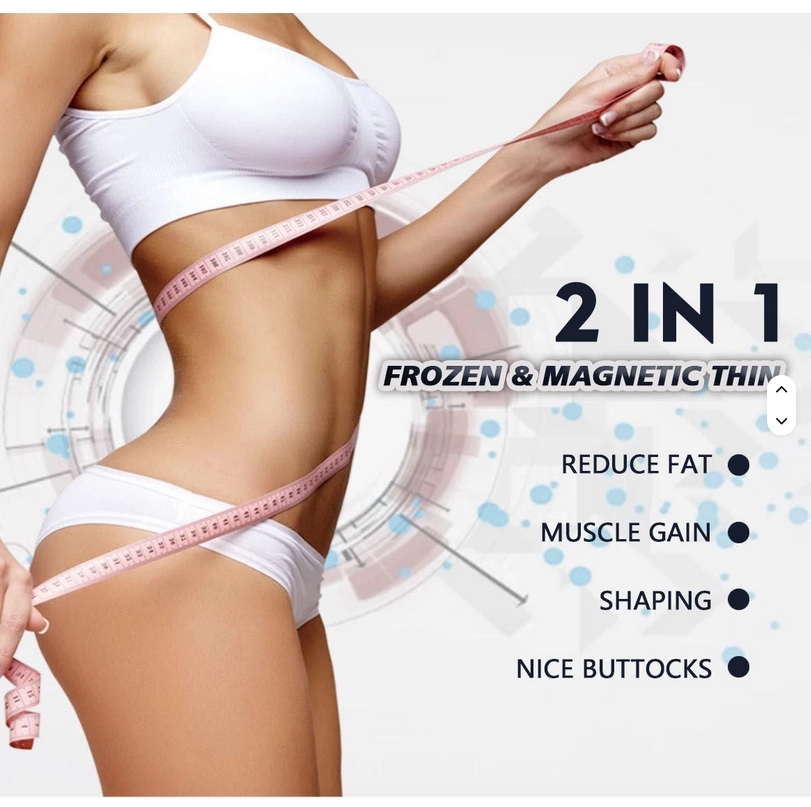
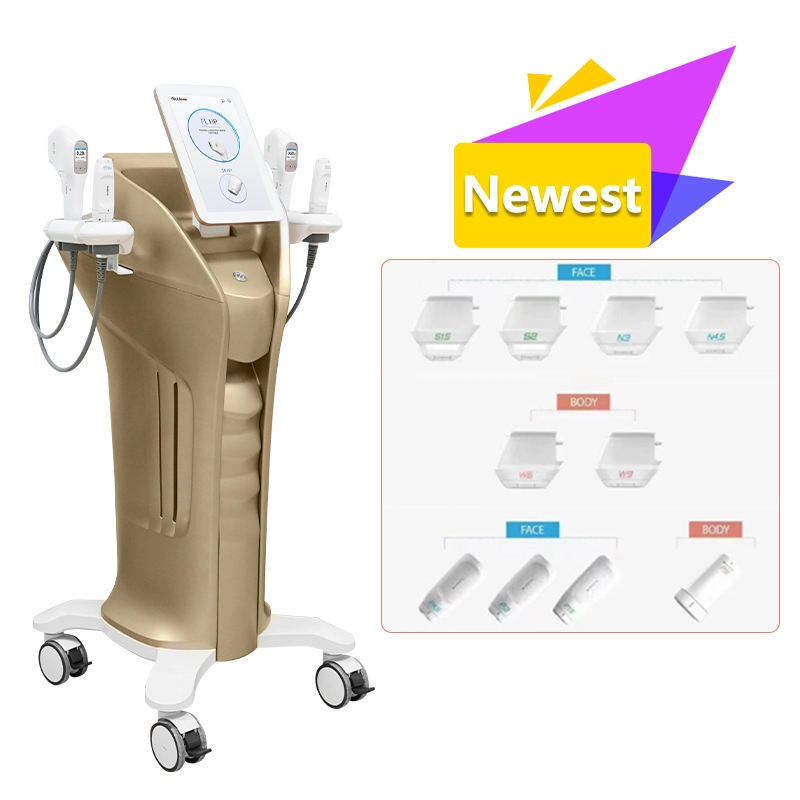
Magnetic Facial Lifting Machine2
How long is a typical treatment session?
Each session is designed to be short and efficient, lasting only 20 minutes to provide clear facial contours.
W8002
What businesses can use this Hydrafacial machine?
Beauty salons, medical spas, estheticians, and skincare clinics.
OL-164
What are the main treatment effects?
Deep cleansing, blackhead removal, hydration, anti-aging, and skin tone improvement.
热玛吉
Do you offer OEM branding for Thermage FLX machines?
Yes. We support OEM/ODM including logo, software interface, machine shell color, and packaging.
EMS-b
Do you provide training and after-sales service?
Yes, we provide user manuals, treatment protocols, online training videos, and lifetime technical support.


Get more information
If you have any comments or good suggestions, please leave us a message; later our professional staff will contact you as soon as possible.
Let's Talk
Stay in touch with us for cutting-edge beauty solutions, professional guidance, and customized service.
Contact


Room 307, Building A, Huilong International E-commerce Industrial Park, No. 10 Xipengling Road, Helong Street, Baiyun District, Guangzhou, China
© 2025 HUIMAIN. All Rights Reserved. Privacy Policy | Terms and Conditions | Sitemap
Facebook
Instagram
Medical beauty equipment factory
huimain Medical beauty equipment factory
beauty machine supplier
Whatsapp: +8619124004543