


- 1. What are the key features to consider when selecting a professional RF machine for skin tightening treatments?
- 2. How do I assess the clinical evidence supporting the effectiveness of a professional RF machine?
- 3. What are the potential side effects and contraindications associated with professional RF treatments?
- 4. How do treatment costs and maintenance expenses vary among different professional RF machines?
- 5. What are the latest advancements in RF technology that enhance treatment outcomes?
- 6. How can I ensure the professional RF machine I choose aligns with my clinic's specific needs and budget?
How to assess clinical evidence for the best professional rf machine?
1. What are the key features to consider when selecting a professional RF machine for skin tightening treatments?
When choosing a professional RF machine for skin tightening, consider the following key features:
Technology Integration: Opt for devices that combine RF with other modalities like ultrasound or microneedling for enhanced results. For instance, the Alma Accent Prime integrates RF and ultrasound, offering comprehensive face and body treatments.
Safety Protocols: Ensure the machine adheres to international safety standards (e.g., CE, ISO, FDA) and includes features like temperature monitoring and automatic shut-down to prevent overheating.
Applicator Design: Choose devices with ergonomic and versatile applicators that can effectively treat various areas, from delicate facial zones to larger body regions.
Treatment Time and Comfort: Look for machines that offer quick treatment times with minimal discomfort, enhancing client satisfaction.
Clinical Validation: Select devices backed by peer-reviewed studies and clinical trials to ensure proven efficacy and safety.
2. How do I assess the clinical evidence supporting the effectiveness of a professional RF machine?
To evaluate the clinical evidence of an RF machine:
Review Peer-Reviewed Studies: Examine published research that demonstrates the device's safety and efficacy. For example, studies have shown that RF treatments can effectively stimulate collagen production, leading to skin tightening.
Analyze Before-and-After Results: Look for documented outcomes showcasing measurable improvements in skin firmness and texture.
Consult Clinical Validation Collections: Refer to collections of RF device clinical validation studies that provide documented results from scientifically validated research.
Evaluate Study Methodology: Ensure the studies have robust methodologies, including appropriate sample sizes, control groups, and statistical analyses.
Consider Long-Term Efficacy: Assess whether the device's effects are sustained over time, indicating lasting benefits.
3. What are the potential side effects and contraindications associated with professional RF treatments?
Potential side effects and contraindications include:
Temporary Redness and Swelling: Mild erythema and edema may occur post-treatment but typically resolve within a few hours.
Skin Sensitivity: Some individuals may experience heightened sensitivity or discomfort during the procedure.
Contraindications: RF treatments are generally contraindicated in patients with pacemakers, metal implants, or active skin infections.
Pregnancy: RF treatments are not recommended for pregnant individuals due to potential risks to fetal development.
Active Cancer: Patients with active cancer should avoid RF treatments, as the effects on cancerous tissues are not well understood.
4. How do treatment costs and maintenance expenses vary among different professional RF machines?
Treatment costs and maintenance expenses can vary based on several factors:
Initial Investment: High-end devices may require a significant upfront cost, while more affordable options are available for smaller practices.
Consumables: Some machines require consumables like needle cartridges, which can add to operational costs.
Maintenance Contracts: Annual maintenance contracts may range from $3,500 to $6,000, depending on the manufacturer and service level.
Training and Support: Consider the cost and quality of training and ongoing technical support provided by the manufacturer.
Operational Costs: Evaluate the device's energy consumption and any additional costs associated with its use.
5. What are the latest advancements in RF technology that enhance treatment outcomes?
Recent advancements include:
Integration with Microneedling: Combining RF with microneedling, as seen in devices like Morpheus8, allows for deeper tissue penetration and enhanced collagen remodeling.
Real-Time Temperature Monitoring: Advanced systems provide continuous temperature feedback to ensure optimal treatment conditions and patient safety.
Dual Cooling Mechanisms: Incorporating cooling technologies enhances patient comfort and protects the skin during treatments.
Portable and User-Friendly Designs: Advancements have led to more compact and intuitive devices, expanding treatment options for professionals.
6. How can I ensure the professional RF machine I choose aligns with my clinic's specific needs and budget?
To align your choice with your clinic's needs and budget:
Assess Treatment Goals: Determine the specific skin concerns you aim to address, such as skin laxity, wrinkles, or cellulite.
Evaluate Client Demographics: Consider the age, skin types, and concerns of your target clientele to select a device that caters to their needs.
Budget Planning: Account for the total cost of ownership, including purchase price, maintenance, consumables, and training.
Scalability: Choose a device that can accommodate future growth and additional treatments as your clinic expands.
Manufacturer Reputation: Research the manufacturer's track record for quality, customer support, and product innovation.
In conclusion, selecting the best professional RF machine involves a comprehensive evaluation of technological features, clinical evidence, safety considerations, and alignment with your clinic's objectives and budget. By thoroughly researching and considering these factors, you can make an informed decision that enhances your practice's offerings and meets client expectations.
For personalized advice and a quote tailored to your clinic's needs, please contact us at (mailto:coco@huimainbeauty.com) or visit our website at (http://www.huimainbeauty.com).


7D
What results can clients expect from this machine?
Clients can expect to see a reduction in fine lines and wrinkles, improved skin laxity, and a noticeable face lifting effect. The treatment also helps to address large pores and acne scars by rejuvenating the skin.
3-in-1 Spiral RF & Gold Microneedle Anti-Aging Hifu Machine
Is there downtime after treatment?
Spiral RF has no downtime. Microneedle treatments may cause mild redness that typically resolves within 24 hours.
OL-164
What is the difference between a hydro facial machine and a traditional facial steamer?
A hydro facial machine deeply cleanses pores and infuses serums using hydro dermabrasion, while a steamer only opens pores without exfoliation or serum delivery.
Magnetic Facial Lifting Machine2
How long is a typical treatment session?
Each session is designed to be short and efficient, lasting only 20 minutes to provide clear facial contours.
ZGV13-01
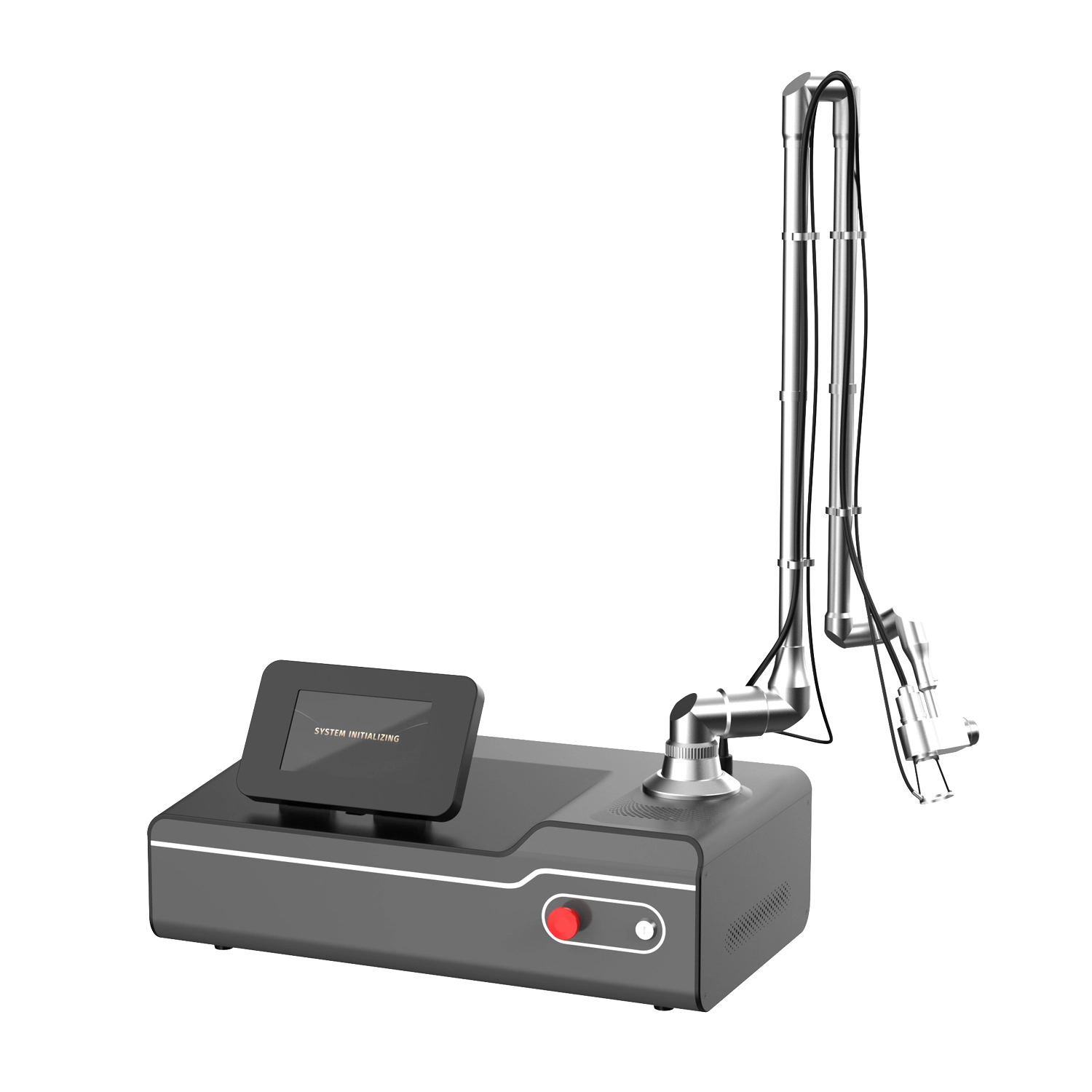
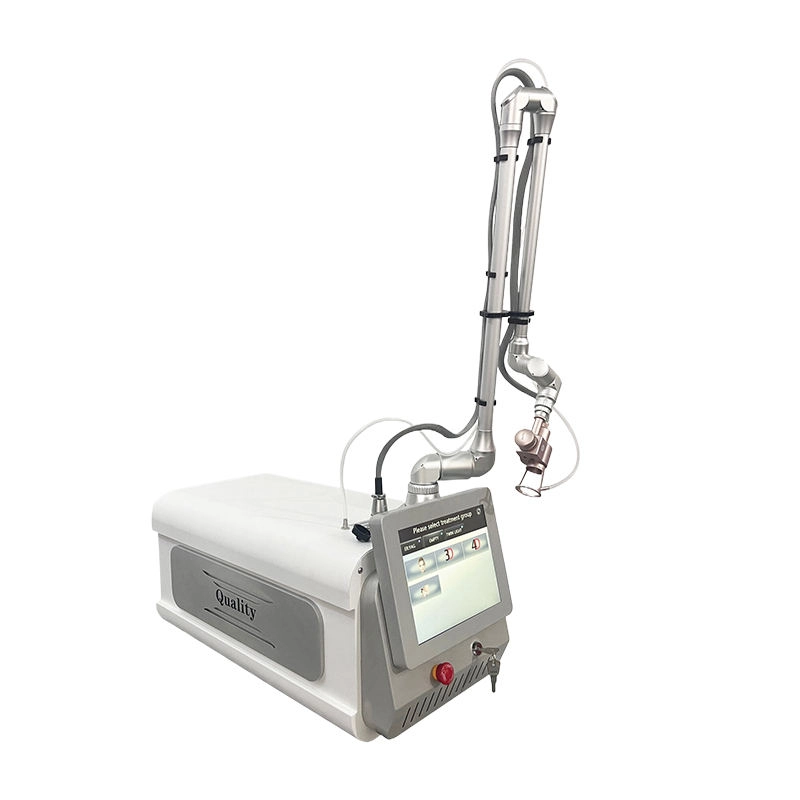
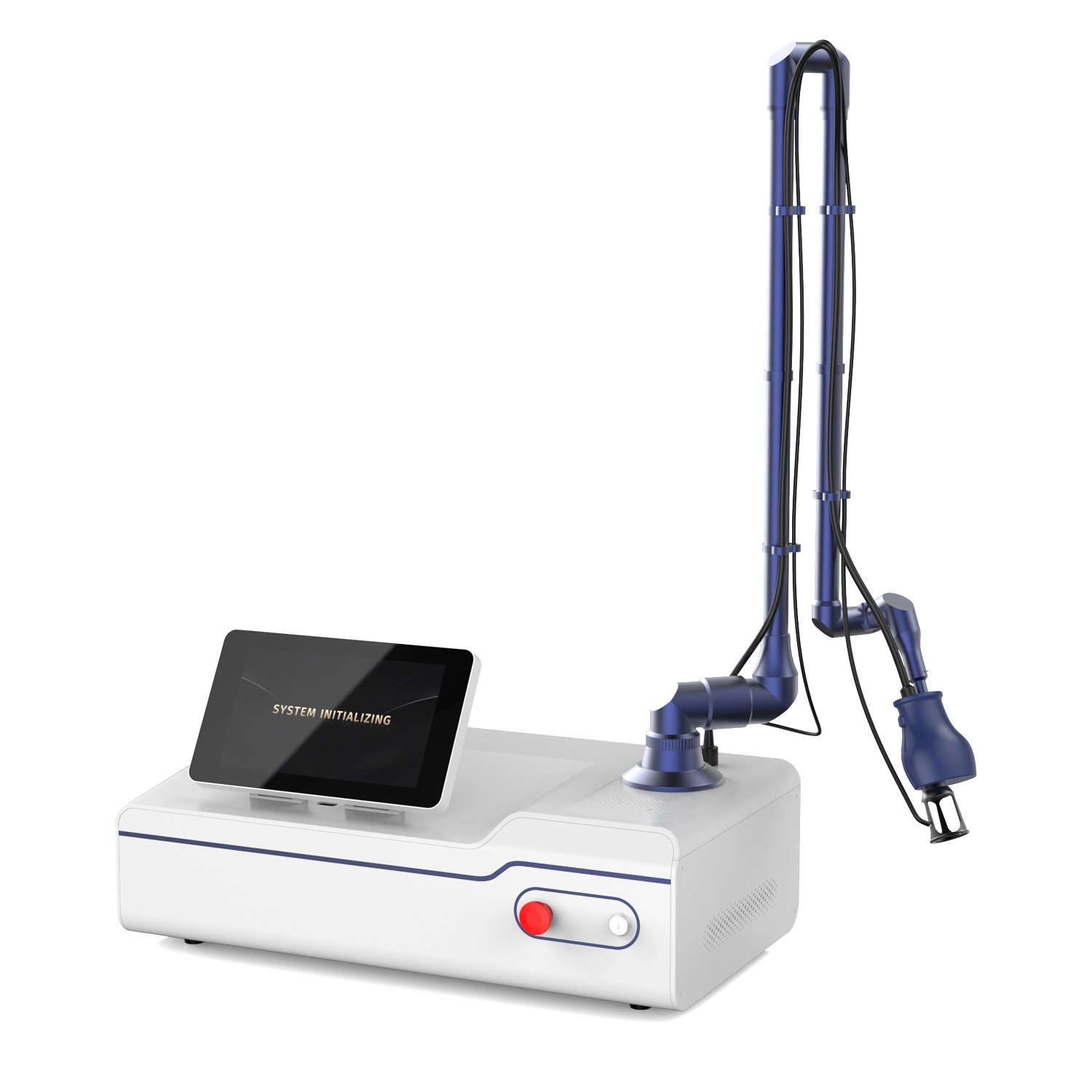
Is the CO2 fractional laser safe for all skin types?
Yes, the CO2 fractional laser is generally safe for all skin types. However, it is recommended to consult with a professional to assess suitability before starting treatment.

Get more information
If you have any comments or good suggestions, please leave us a message; later our professional staff will contact you as soon as possible.
Let's Talk
Stay in touch with us for cutting-edge beauty solutions, professional guidance, and customized service.
Contact


Room 307, Building A, Huilong International E-commerce Industrial Park, No. 10 Xipengling Road, Helong Street, Baiyun District, Guangzhou, China
© 2025 HUIMAIN. All Rights Reserved. Privacy Policy | Terms and Conditions | Sitemap
Facebook
Instagram
Medical beauty equipment factory
huimain Medical beauty equipment factory
beauty machine supplier
Whatsapp: +8619124004543