


How much training is required for the best professional rf machine?
When considering the integration of professional radio frequency (RF) machines into your beauty practice, it's crucial to address specific questions that often lack detailed answers online. Below are six frequently asked questions by beginners, along with in-depth responses to guide your decision-making process.
1. What are the key factors to consider when selecting the best professional RF machine for my beauty clinic?
Choosing the right RF machine involves evaluating several critical aspects:
Technology and Applicators: Opt for machines that offer advanced RF technologies, such as monopolar, bipolar, or multipolar RF, and come with versatile applicators suitable for various treatment areas.
Safety Certifications: Ensure the device has FDA clearance and CE certification, indicating compliance with international safety standards.
Adjustability and Customization: Select machines with adjustable settings for energy levels, treatment durations, and applicator sizes to tailor treatments to individual client needs.
Client Comfort Features: Features like integrated cooling systems can enhance client comfort during procedures.
Durability and Warranty: Invest in machines from reputable manufacturers that offer comprehensive warranties and reliable after-sales support.
For instance, the Goodway AlphaRF Pro integrates monopolar and bipolar RF, vacuum, and LED technologies, providing multifunctional capabilities for skin tightening and contouring.
2. How many RF treatment sessions are typically required to achieve noticeable results?
The number of RF sessions needed varies based on individual client factors and treatment goals:
Initial Series: Most clients require a series of 3 to 6 sessions, spaced 2 to 4 weeks apart, to achieve visible skin tightening and rejuvenation effects. ((https://www.huimainbeauty.com/how-rf-machines-work-radiofrequency-explained/))
Maintenance Treatments: To sustain results, maintenance sessions are recommended every 6 to 12 months, depending on skin condition and lifestyle factors.
It's essential to set realistic expectations with clients, emphasizing that results are gradual and cumulative over multiple sessions.
3. What are the training requirements for operating a professional RF machine safely and effectively?
Proper training is vital to ensure safety and efficacy in RF treatments:
Comprehensive Training Programs: Enroll in accredited courses that cover RF theory, safety protocols, hands-on treatment techniques, and client consultation skills.
Duration and Content: Training programs typically range from a single intensive day to several weeks, depending on the depth of content and hands-on practice included.
Certification and Compliance: Ensure the training provider offers certification recognized by industry standards and complies with local regulations.
For example, the SAA Institute in Mesa, AZ, offers a one-day intensive RF certification course covering essential topics and providing ongoing support.
4. Are there specific safety protocols to follow when performing RF treatments?
Adhering to established safety protocols is crucial to prevent adverse effects:
Client Assessment: Conduct thorough consultations to identify contraindications, such as pregnancy, pacemakers, or active skin infections.
Device Calibration: Regularly calibrate the RF machine to ensure accurate energy delivery and prevent overheating.
Treatment Parameters: Follow manufacturer guidelines for energy levels, treatment durations, and applicator usage to minimize risks.
Post-Treatment Care: Provide clients with aftercare instructions to manage potential side effects like redness or swelling.
Implementing these protocols enhances treatment safety and client satisfaction.
5. How do I integrate RF treatments into my existing service menu effectively?
To incorporate RF treatments seamlessly:
Clear Protocols: Develop standardized treatment protocols and outcome measures to monitor client progress.
Client Education: Educate clients on the benefits, expected outcomes, and maintenance requirements of RF treatments.
Marketing Strategies: Highlight RF services in promotional materials, emphasizing non-invasive nature and minimal downtime.
Staff Training: Ensure all staff members are trained in RF technology, safety measures, and client communication.
This approach ensures a smooth integration of RF treatments, enhancing service offerings and client retention.
6. What are the potential side effects and how can they be managed?
While RF treatments are generally safe, some clients may experience:
Mild Redness or Swelling: Temporary and typically subsides within a few hours.
Skin Sensitivity: Clients may experience heightened sensitivity in treated areas.
Rare Adverse Effects: In rare cases, clients might experience burns or blisters if safety protocols are not followed.
To manage these:
Pre-Treatment Screening: Identify clients with contraindications to minimize risks.
Post-Treatment Care: Provide clients with aftercare instructions to manage potential side effects like redness or swelling.
Continuous Monitoring: Monitor clients during and after treatment to address any adverse reactions promptly.
By proactively addressing these questions and implementing the recommended practices, you can enhance the effectiveness and safety of RF treatments in your beauty clinic.
For personalized guidance and to explore our range of professional RF machines, please contact us at (mailto:coco@huimainbeauty.com).



L10先锋点阵
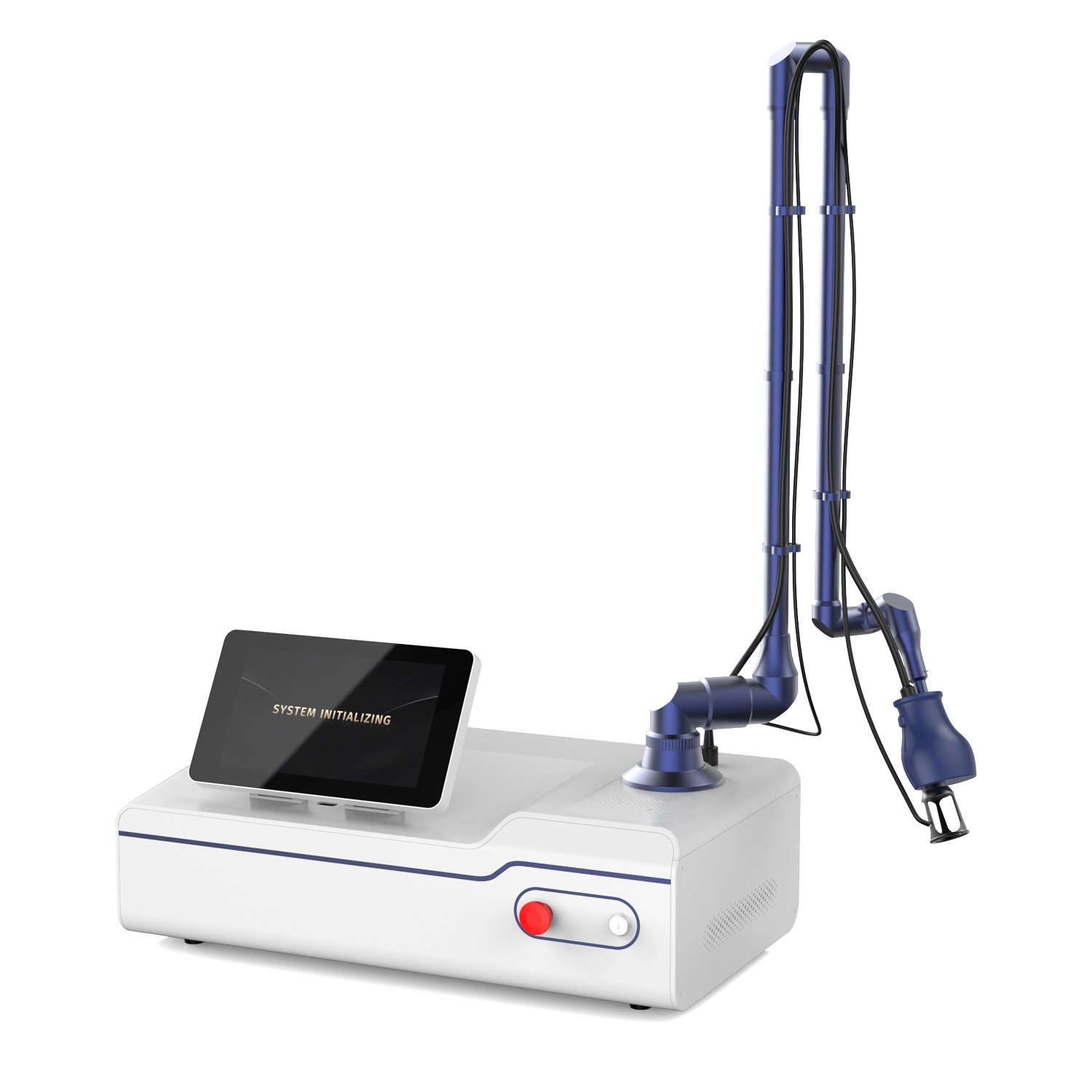
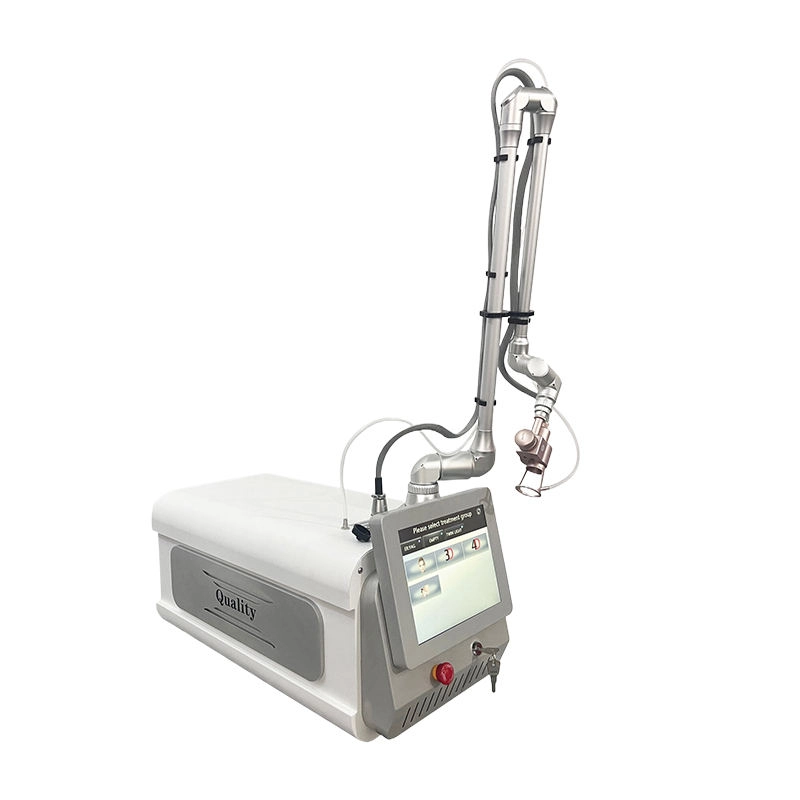
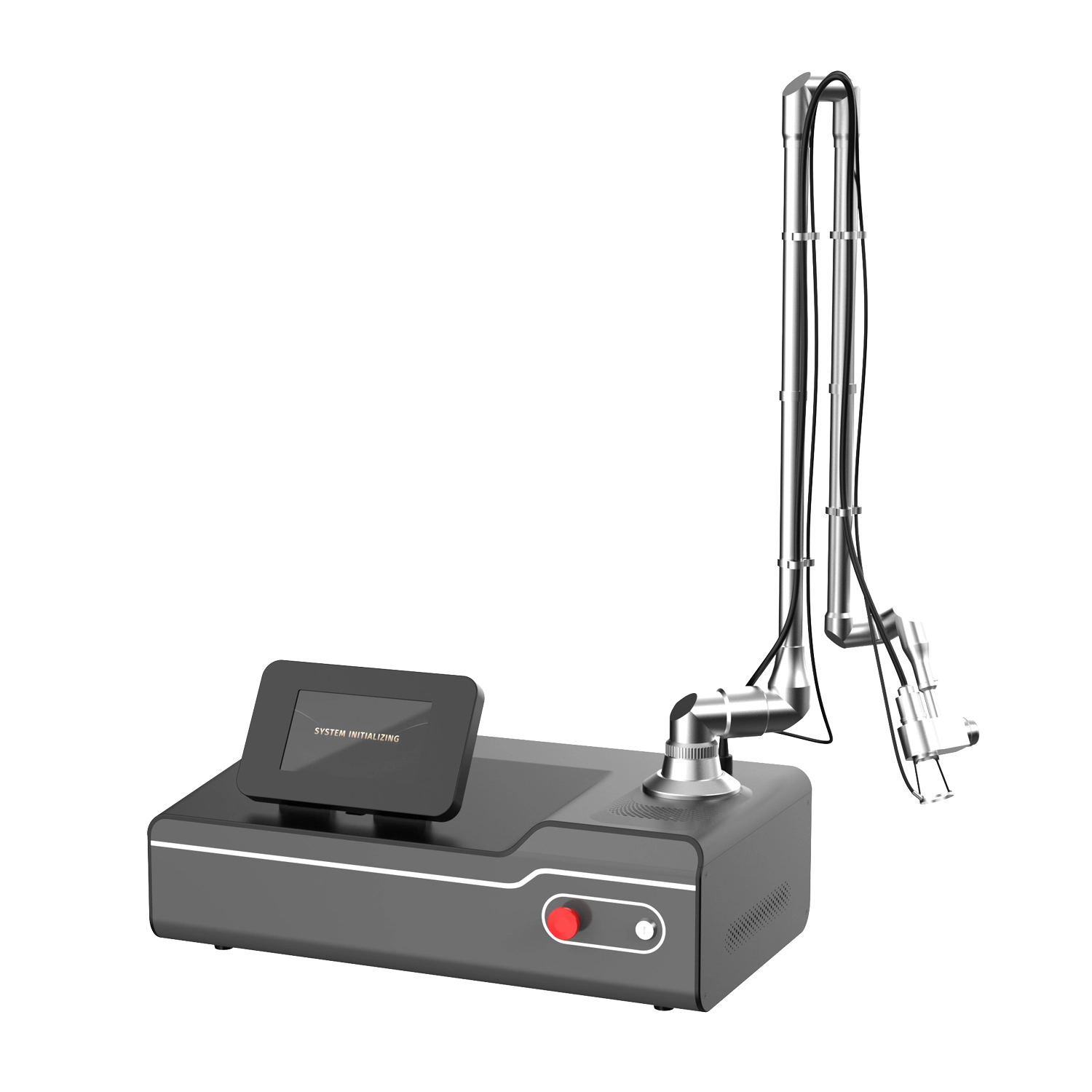
Can beauty salons use a CO2 fractional laser machine?
Usage depends on local regulations. It is commonly used in dermatology clinics and medical aesthetic centers.
Magnetic Facial Lifting Machine
Is there any downtime after the treatment?
Since the treatment is non-invasive and needle-free, there is no trauma to the skin, and clients can return to their daily activities immediately after the session.
HMC1S
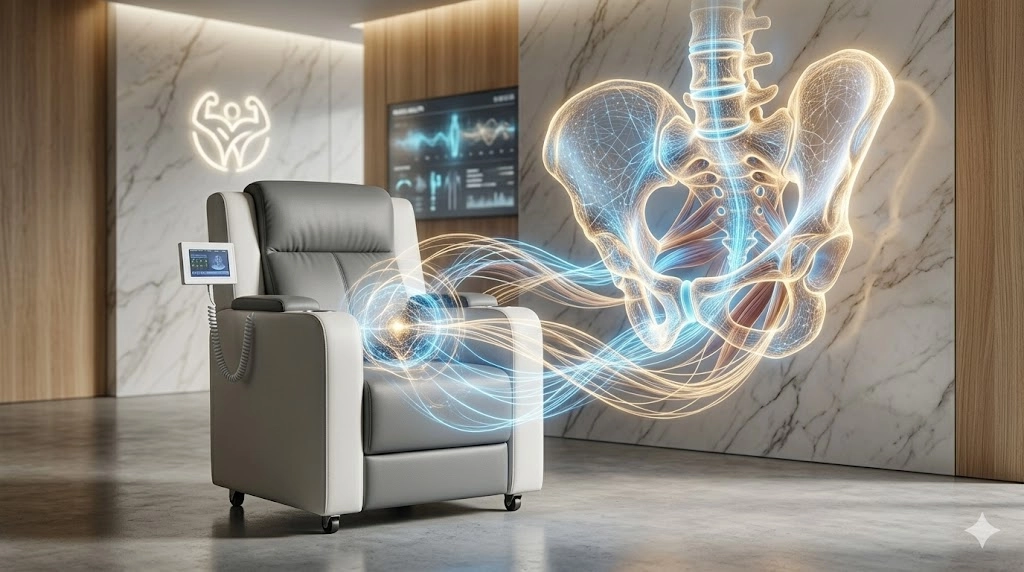
Q5: Does the Pelvic Floor Chair require any special maintenance?
A5: The chair is low-maintenance. Simply clean the surface regularly and ensure it is stored in a cool, dry place.
JLM-4
Will the EMS microcurrent feel uncomfortable?
No. The intensity level is adjustable to suit sensitive or resistant skin types.
About Distributor
How do you handle after-sales service?
We provide 12–24 months warranty depending on the product. Technical support is available via video call, WhatsApp, and email. We also offer spare parts if needed.

Get more information
If you have any comments or good suggestions, please leave us a message; later our professional staff will contact you as soon as possible.
Let's Talk
Stay in touch with us for cutting-edge beauty solutions, professional guidance, and customized service.
Contact


Room 307, Building A, Huilong International E-commerce Industrial Park, No. 10 Xipengling Road, Helong Street, Baiyun District, Guangzhou, China
© 2025 HUIMAIN. All Rights Reserved. Privacy Policy | Terms and Conditions | Sitemap
Facebook
Instagram
Medical beauty equipment factory
huimain Medical beauty equipment factory
beauty machine supplier
Whatsapp: +8619124004543