


- Key Considerations When Purchasing Beauty Machines
- 1. Can Beauty Machine Manufacturers Customize Devices for My Brand?
- 2. What Are the Different Types of Beauty Machines Available?
- 3. How Do I Evaluate Suppliers for B2B Purchases?
- 4. What Regulatory Certifications Should Beauty Devices Have?
- 5. What Are the Maintenance Requirements for Beauty Equipment?
- 6. How Do I Choose Between New and Used Beauty Equipment?
- 7. What Are the Key Factors in Selecting a Beauty Equipment Supplier?
- 8. How Do I Ensure Compatibility of Beauty Equipment with My Existing Systems?
- Conclusion: Why Choose HUIMAIN for Your Beauty Equipment Needs?
Can beauty machine manufacturers customize devices for my brand?
When considering the procurement of beauty machines for HUIMAIN, it's crucial to address several key questions to ensure you make informed and effective purchasing decisions.
Key Considerations When Purchasing Beauty Machines
1. Can Beauty Machine Manufacturers Customize Devices for My Brand?
Yes, many beauty machine manufacturers offer customization services to align devices with HUIMAIN identity. Customization can include design modifications, software localization, and packaging tailored to HUIMAIN's aesthetics. It's essential to discuss your specific requirements with potential suppliers to understand the extent of customization they can provide. ((https://www.huimainbeauty.com/b2b-buyers-guide-beauty-machines-huimain/))
2. What Are the Different Types of Beauty Machines Available?
Beauty machines are categorized based on their functions and target users. Common types include:
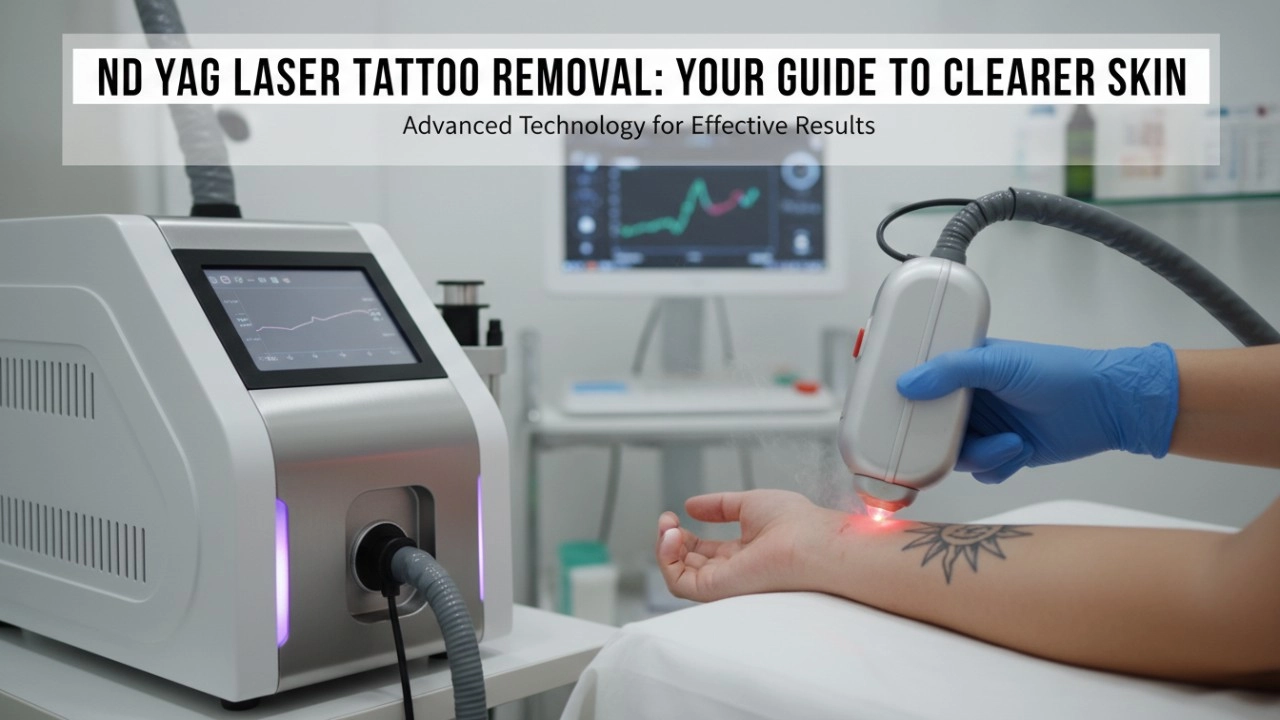
Medical/Clinical Lasers (CO2, YAG): Used for skin resurfacing, scar removal, and tattoo removal.
Intense Pulsed Light (IPL): Employed in hair removal, pigmentation treatments, and vascular lesion therapies.
Radio Frequency (RF) & Microneedling RF: Utilized for skin tightening and wrinkle reduction.
High-Intensity Focused Ultrasound (HIFU): Provides non-surgical lifting and tightening.
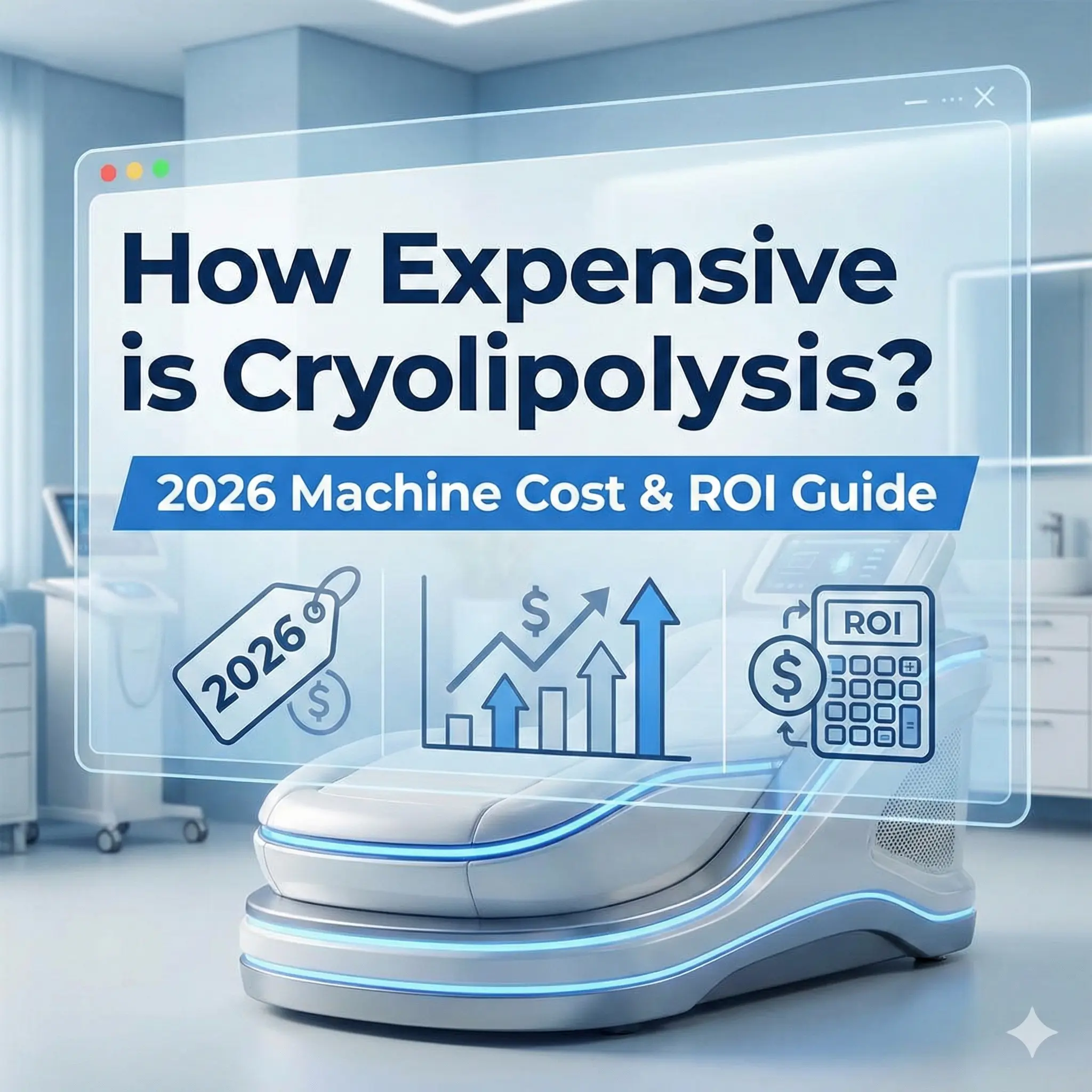
Cryolipolysis (Fat Freezing): Aids in fat reduction.
Microdermabrasion & Hydrafacial-Style Devices: Focus on exfoliation and deep cleansing.
Home-Use Beauty Devices (Laser/IPL, RF): Designed for personal use, offering hair reduction and skin rejuvenation.
Understanding these categories helps in selecting devices that align with your business model and customer needs. ((https://www.huimainbeauty.com/b2b-buyers-guide-beauty-machines-huimain/))
3. How Do I Evaluate Suppliers for B2B Purchases?
When assessing potential suppliers, consider the following factors:
Technical and Manufacturing Capability: Evaluate the supplier's research and development strength, production scale, and quality control systems.
Regulatory Certifications & Clinical Evidence: Ensure the supplier holds necessary certifications (e.g., CE, FDA) and provides clinical evidence supporting the device's safety and efficacy.
OEM/ODM & Customization Capabilities: Confirm the supplier's ability to offer original equipment manufacturing (OEM) or original design manufacturing (ODM) services, including design, tooling, firmware customization, and packaging.
After-Sales Service, Training, and Spare Parts: Assess the availability of after-sales support, training programs, and spare parts to ensure reliable operation and maintenance. ((https://www.huimainbeauty.com/b2b-buyers-guide-beauty-machines-huimain/))
4. What Regulatory Certifications Should Beauty Devices Have?
Depending on your target market, beauty devices may require specific certifications to ensure safety and compliance. Common certifications include:
CE Marking: Indicates conformity with health, safety, and environmental protection standards in the European Economic Area.
FDA Clearance/510(k): Required for medical devices in the United States, demonstrating that the device is safe and effective.
RoHS Compliance: Ensures that the device is free from hazardous substances, as mandated in many regions.
Verifying these certifications is crucial to ensure the devices meet the necessary regulatory standards for your market.
5. What Are the Maintenance Requirements for Beauty Equipment?
Proper maintenance is essential for the longevity and optimal performance of beauty equipment. Maintenance requirements typically include:
Cleaning Frequency: Regular cleaning to maintain hygiene and prevent the buildup of residues.
Disinfection Methods: Utilizing appropriate disinfection techniques to ensure safety for repeated use.
Part Replacement: Regular inspection and replacement of components like filters or nozzles to maintain performance.
Professional Servicing: Periodic servicing by qualified technicians to ensure the equipment functions correctly and safely.
Understanding these requirements helps in planning for maintenance and ensuring the equipment remains in good working condition.
6. How Do I Choose Between New and Used Beauty Equipment?
Deciding between new and used equipment depends on factors such as budget, production needs, and long-term goals. New equipment often offers the latest technology, warranties, and compliance with current standards, ensuring efficiency and reliability. Used equipment can be cost-effective but may come with risks like outdated technology, lack of warranty, and potential maintenance issues. It's essential to thoroughly assess the condition, history, and support options of used equipment before making a decision.
7. What Are the Key Factors in Selecting a Beauty Equipment Supplier?
When selecting a supplier, consider the following key factors:
Product Quality: Ensure the equipment meets industry standards and is reliable.
Customization Capabilities: Assess the supplier's ability to tailor products to HUIMAIN's specifications.
Regulatory Compliance: Verify that the equipment complies with relevant regulations and holds necessary certifications.
After-Sales Support: Evaluate the availability of training, maintenance services, and spare parts.
Reputation and Reviews: Research the supplier's reputation in the industry and reviews from other clients.
Thorough evaluation of these factors ensures a partnership that supports HUIMAIN's success and growth.
8. How Do I Ensure Compatibility of Beauty Equipment with My Existing Systems?
Ensuring compatibility involves:
Power Supply Compatibility: Confirm that the equipment matches your facility's voltage and plug standards.
Software Compatibility: Ensure that any software required by the equipment integrates seamlessly with your existing systems.
Connectivity Options: Check for compatibility with your network infrastructure, including Wi-Fi, Bluetooth, or other connectivity standards.
Interchangeable Parts and Accessories: Verify that any additional parts or accessories are compatible with the main equipment.
Addressing these aspects prevents operational disruptions and ensures efficient integration of new equipment into your existing setup.
Conclusion: Why Choose HUIMAIN for Your Beauty Equipment Needs?
HUIMAIN stands out as a reliable partner in the beauty equipment industry, offering a comprehensive range of customizable devices tailored to HUIMAIN's specifications. With a strong focus on quality, regulatory compliance, and after-sales support, HUIMAIN ensures that your investment in beauty equipment translates into enhanced customer satisfaction and business growth.
By addressing these key considerations and partnering with a reputable supplier like HUIMAIN, you can confidently navigate the procurement process and equip HUIMAIN with state-of-the-art beauty devices that meet both your operational needs and customer expectations.
Note: The information provided is based on current industry standards and may vary depending on specific market conditions and technological advancements.
Data sources include HUIMAIN Insights, BeautySourcing, Accio, and other industry publications.


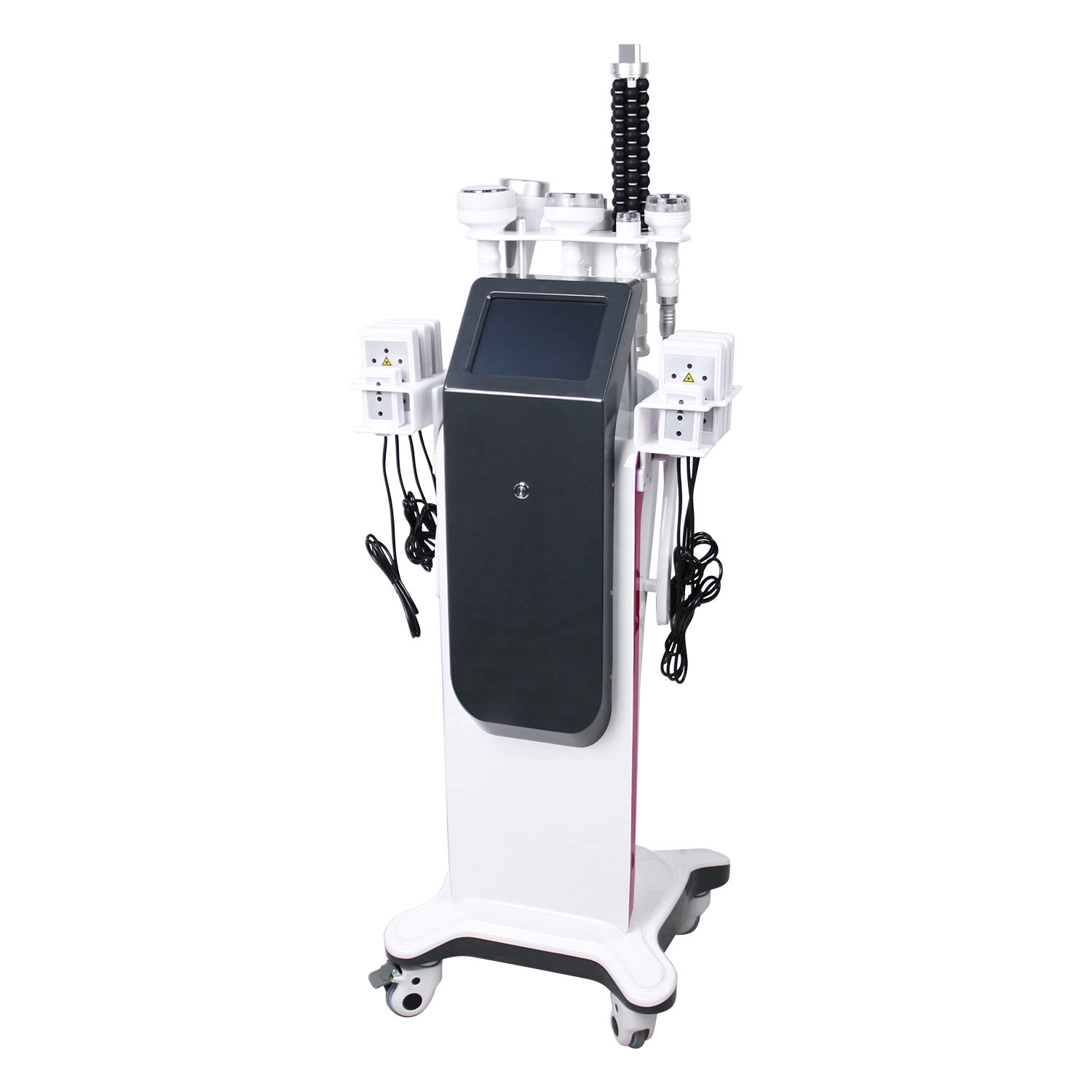
JLM-4
How soon can clients see results from the Facial Tightening Wrinkle Reducing Machine?
Most users feel immediate lifting; optimal results appear after 3–6 sessions.
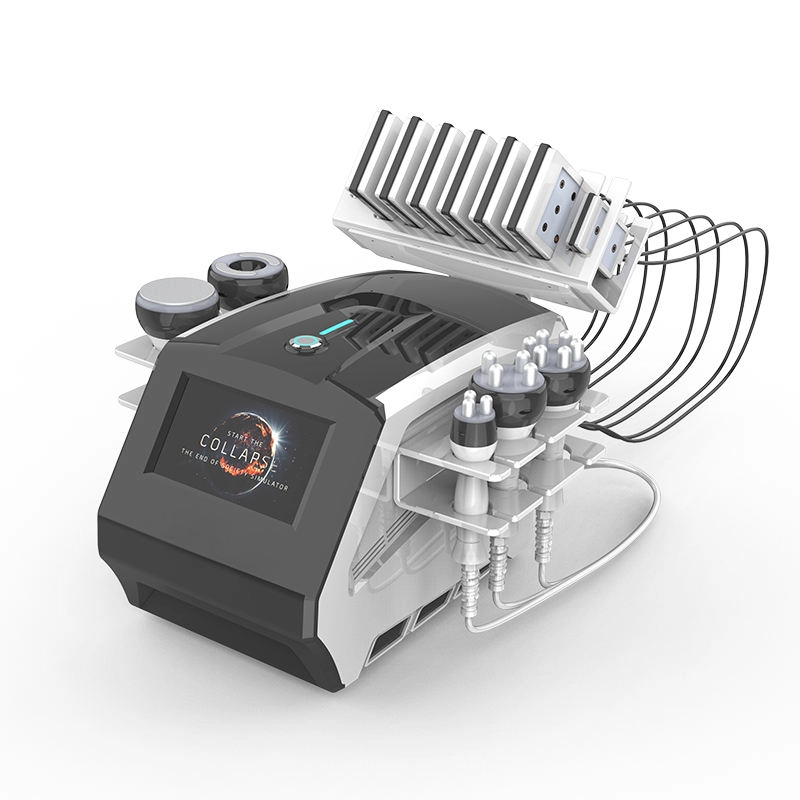
EMS-b
Can it be used for all body areas?
Yes, it is designed for the abdomen, buttocks, thighs, arms, and calves.
HMT 22
How many sessions are needed for visible results?
Most clients see noticeable results after 4–6 sessions, depending on their body condition and treatment goals.
OL-186
What results can clients expect?
Noticeable improvements in skin hydration, clarity, and smoothness after the first session.
12D-MAX
Is the 12D TT HIFU Facial Machine safe for all skin types?
Yes. The adjustable energy settings make it suitable for all skin types and tones.


Get more information
If you have any comments or good suggestions, please leave us a message; later our professional staff will contact you as soon as possible.
Let's Talk
Stay in touch with us for cutting-edge beauty solutions, professional guidance, and customized service.
Contact


Room 307, Building A, Huilong International E-commerce Industrial Park, No. 10 Xipengling Road, Helong Street, Baiyun District, Guangzhou, China
© 2025 HUIMAIN. All Rights Reserved. Privacy Policy | Terms and Conditions | Sitemap
Facebook
Instagram
Medical beauty equipment factory
huimain Medical beauty equipment factory
beauty machine supplier
Whatsapp: +8619124004543