


What maintenance schedules are required for lasers?
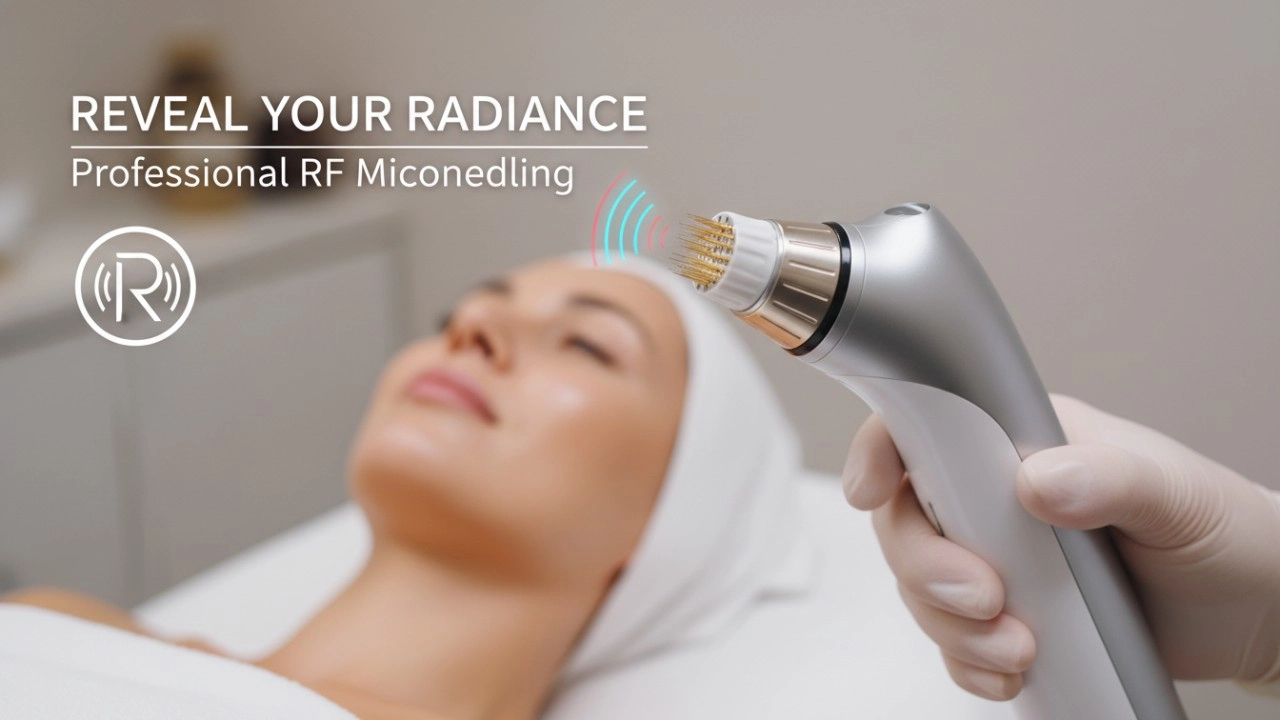
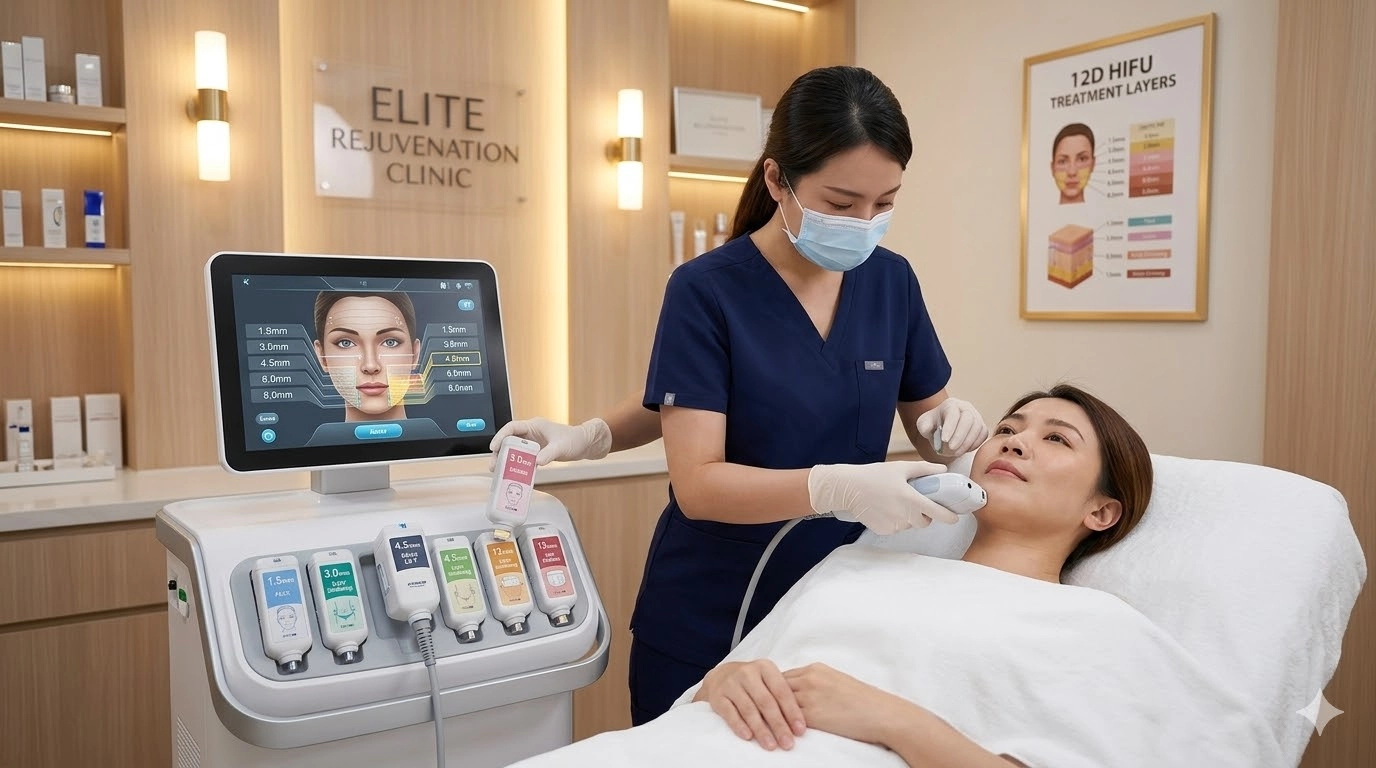
When investing in professional beauty equipment, particularly Radio Frequency (RF) machines and lasers, it's crucial to address specific concerns that can impact performance, safety, and return on investment. Below are six detailed questions frequently asked by beginners, along with in-depth answers to guide your purchasing decisions.
1. What are the key features to consider when selecting the best professional RF machine for skin tightening treatments?
When choosing a professional RF machine for skin tightening, consider the following features:
Technology Integration: Opt for devices that combine RF with other modalities like ultrasound or microcurrent to enhance treatment efficacy. For instance, the Alma Accent Prime integrates RF and ultrasound, offering versatile treatment options.
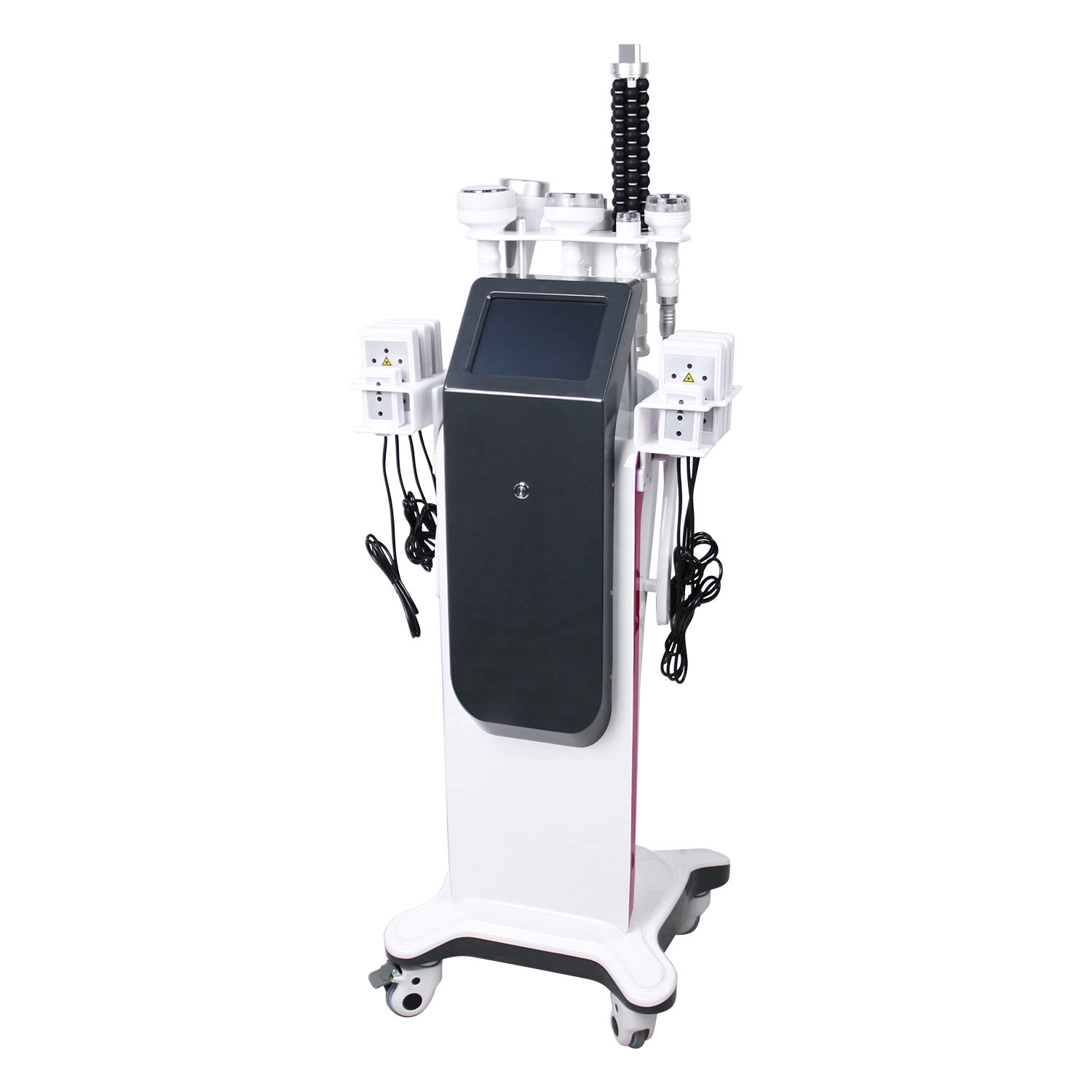
Applicator Design: Ensure the machine includes multiple applicators tailored for different treatment areas, allowing for comprehensive face and body contouring.
Safety Mechanisms: Look for built-in safety features such as real-time temperature monitoring and automatic shut-off to prevent skin damage.
User-Friendliness: A user-friendly interface with adjustable settings can accommodate various skin types and treatment protocols.
Clinical Evidence: Choose machines backed by clinical studies demonstrating their effectiveness and safety in skin tightening procedures.
2. How do I assess the return on investment (ROI) when purchasing a professional RF machine for my clinic?
Assessing ROI involves several key steps:
Cost Analysis: Calculate the total cost of ownership, including the initial purchase price, maintenance expenses, and consumables.
Revenue Projections: Estimate potential income based on treatment pricing, expected client volume, and market demand.
Break-Even Point: Determine the time required to recoup the investment by dividing the total cost by the projected monthly profit.
Profit Margins: Analyze profit margins per treatment to understand the financial benefits over time.
Market Positioning: Consider how offering advanced RF treatments can differentiate your clinic and attract a broader clientele.
3. What are the most common maintenance requirements for professional RF machines, and how can they be managed effectively?
Regular maintenance is essential to ensure optimal performance and longevity of RF machines. Common maintenance tasks include:
Cleaning and Disinfection: Regularly clean applicators and treatment areas to prevent cross-contamination.
Calibration: Periodically calibrate the machine to maintain accurate energy delivery and treatment consistency.
Software Updates: Keep the machine's software updated to access new features and ensure compatibility with treatment protocols.
Component Inspection: Regularly inspect and replace consumable parts like filters and electrodes to maintain performance.
Training: Ensure staff are trained in proper operation and maintenance procedures to prevent misuse and extend equipment life.
4. How can I ensure the safety and efficacy of laser treatments in my clinic?
Ensuring safety and efficacy involves:
Staff Training: Provide comprehensive training on laser operation, safety protocols, and emergency procedures.
Regular Maintenance: Implement a preventive maintenance schedule to keep lasers in optimal condition, as recommended by manufacturers.
Client Screening: Conduct thorough consultations to assess suitability for laser treatments, considering factors like skin type and medical history.
Treatment Protocols: Develop and adhere to standardized treatment protocols to ensure consistent and safe outcomes.
Monitoring: Continuously monitor treatment parameters and client responses to adjust settings as needed.
5. What are the typical maintenance schedules for different types of laser systems, and how do they vary?
Maintenance schedules vary based on laser type:
Fiber Lasers: Typically require maintenance every 2,000 hours of operation, which equates to approximately every four months for continuous use.
CO₂ Lasers: Recommended maintenance intervals are every 800 to 1,000 hours, or approximately every three months for regular use.
Diode Lasers: Maintenance needs are generally less frequent, with intervals ranging from six months to a year, depending on usage.
It's essential to follow the manufacturer's guidelines and adjust maintenance schedules based on actual usage and performance.
6. How can I effectively manage the maintenance of multiple laser systems in my clinic to minimize downtime?
Effective management strategies include:
Preventive Maintenance Plans: Establish regular maintenance schedules for each system to prevent unexpected breakdowns.
Staff Training: Train staff to perform basic maintenance tasks and recognize early signs of issues.
Maintenance Logs: Keep detailed records of all maintenance activities to track performance and identify recurring issues.
Spare Parts Inventory: Maintain an inventory of essential spare parts to facilitate quick repairs.
Vendor Relationships: Develop strong relationships with service providers for prompt support and access to expertise.
By proactively addressing these considerations, you can enhance the performance, safety, and profitability of your clinic's beauty treatments.
For personalized advice and a comprehensive quote tailored to your clinic's needs, please contact us at .


HMT22
How long does each treatment session last?
Each session typically lasts between 30-45 minutes, depending on the areas being treated.
EC-05
Is the treatment safe?
Yes, it’s a non-invasive, FDA-approved technology that is safe, comfortable, and effective.
OL-186
Is it suitable for all skin types?
Yes, the OL-186 is safe for all skin types, including sensitive and acne-prone skin.
A50
How soon can clinics see ROI after purchasing this machine?
With high-demand slimming treatments, most clinics achieve full ROI within 2–3 months.
HMT42-4
What is the main difference between this machine and other body sculpting devices?
Our EMSHAPE device combines both EMS and RF technologies, offering a simultaneous "muscle building and fat burning" effect. Many other machines only target one of these aspects, making our device a more efficient and comprehensive solution for clients seeking total body transformation.


Get more information
If you have any comments or good suggestions, please leave us a message; later our professional staff will contact you as soon as possible.
Let's Talk
Stay in touch with us for cutting-edge beauty solutions, professional guidance, and customized service.
Contact


Room 307, Building A, Huilong International E-commerce Industrial Park, No. 10 Xipengling Road, Helong Street, Baiyun District, Guangzhou, China
© 2025 HUIMAIN. All Rights Reserved. Privacy Policy | Terms and Conditions | Sitemap
Facebook
Instagram
Medical beauty equipment factory
huimain Medical beauty equipment factory
beauty machine supplier
Whatsapp: +8619124004543