


- 1. What are the key factors to consider when selecting a professional RF machine for a beauty clinic?
- 2. How do treatment areas and session durations influence the pricing of RF treatments?
- 3. What are the typical costs associated with professional RF treatments, and how do they compare to at-home devices?
- 4. How can clinics effectively set pricing for RF treatments to ensure profitability?
- 5. What are the maintenance and operational costs associated with professional RF machines?
- 6. How do geographic location and clinic reputation impact the pricing of RF treatments?
How to set pricing for treatments using the best professional rf machine?
1. What are the key factors to consider when selecting a professional RF machine for a beauty clinic?
When choosing a professional RF machine, consider the following factors:
Treatment Versatility: Opt for machines that offer multiple functionalities, such as skin tightening, cellulite reduction, and facial contouring, to cater to a broader client base.
Technology and Features: Look for devices with advanced technologies like monopolar and bipolar RF, vacuum therapy, LED light integration, and smart features such as auto-calibration and skin impedance monitoring.
Safety Protocols: Ensure the machine includes built-in safety mechanisms, including advanced cooling systems, to protect both clients and operators.
Brand Reputation and Support: Choose reputable brands known for quality and reliable customer support, including training and maintenance services.
Budget Considerations: Balance the initial investment with expected returns, considering factors like device longevity, maintenance costs, and potential revenue generation.
For instance, the Goodway AlphaRF Pro integrates monopolar and bipolar RF, vacuum, and LED technologies, offering a multifunctional solution for various treatments.
2. How do treatment areas and session durations influence the pricing of RF treatments?
The pricing of RF treatments is significantly affected by:
Treatment Area Size: Larger areas, such as the abdomen or thighs, require more time and energy, leading to higher costs. For example, treating the abdomen may cost between $400 and $800 per session, while smaller areas like the jawline may range from $200 to $450.
Session Duration: Longer sessions increase operational costs, including labor and energy consumption.
Number of Sessions: Multiple sessions are often necessary for optimal results, affecting overall pricing.
Treatment Complexity: Advanced techniques or combination therapies may justify higher pricing.
3. What are the typical costs associated with professional RF treatments, and how do they compare to at-home devices?
Professional RF treatments typically cost between $200 and $600 per session, with most clients requiring 4–8 sessions for optimal results. In contrast, at-home RF devices range from $100 to over $500, offering a more affordable long-term solution but may require consistent use over weeks or months to achieve noticeable results.
4. How can clinics effectively set pricing for RF treatments to ensure profitability?
To set profitable pricing:
Calculate Total Cost Per Treatment (TCPT): Include consumables, technician labor, equipment depreciation, and overhead costs. For example, if a full-face treatment requires 600 shots, and each shot costs $0.05, the consumable cost is $30.
Assess Market Rates: Research local competitors to understand standard pricing.
Offer Package Deals: Provide discounts for multiple sessions to encourage client commitment.
Consider Value-Based Pricing: Price treatments based on the perceived value to clients, emphasizing results and benefits.
5. What are the maintenance and operational costs associated with professional RF machines?
Maintenance and operational costs include:
Consumables: Replacement parts like electrodes or filters can range from $20 to $100, depending on the device and component lifespan.
Electricity Consumption: RF devices consume varying amounts of power; typically, a session might use between 10–50 cents worth of electricity.
Maintenance and Repairs: Regular maintenance or repair costs—sometimes covered under warranty—should be budgeted, especially for costly, high-end devices.
Storage and Space Considerations: Adequate storage space ensures device longevity and safety, with minimal costs involved unless dedicated cabinetry or protective cases are purchased.
6. How do geographic location and clinic reputation impact the pricing of RF treatments?
Geographic location and clinic reputation influence pricing:
Geographic Location: Major urban centers and metropolitan areas generally have higher prices due to higher operating costs and demand. For example, in cities like New York and Los Angeles, the average price for RF needling ranges from $1,200 to $3,500 per session.
Clinic Reputation: Well-established clinics with a good reputation tend to charge higher prices for their RF needling services. This is often due to the expertise and experience of the practitioners, as well as the clinic's investment in maintaining high standards of care.
In conclusion, selecting the right professional RF machine and setting appropriate treatment pricing are crucial for the success of a beauty clinic. By considering factors such as treatment versatility, technology, safety, and operational costs, clinics can make informed decisions that align with their business goals and client expectations.
For personalized advice and a quote tailored to your clinic's needs, please contact us at (mailto:coco@huimainbeauty.com) or visit our website at (http://www.huimainbeauty.com).

EMT-13
Who can use the HIEMT POS machine?
It’s suitable for both men and women looking to tone muscles and reduce fat, except for those with metal implants or pacemakers.
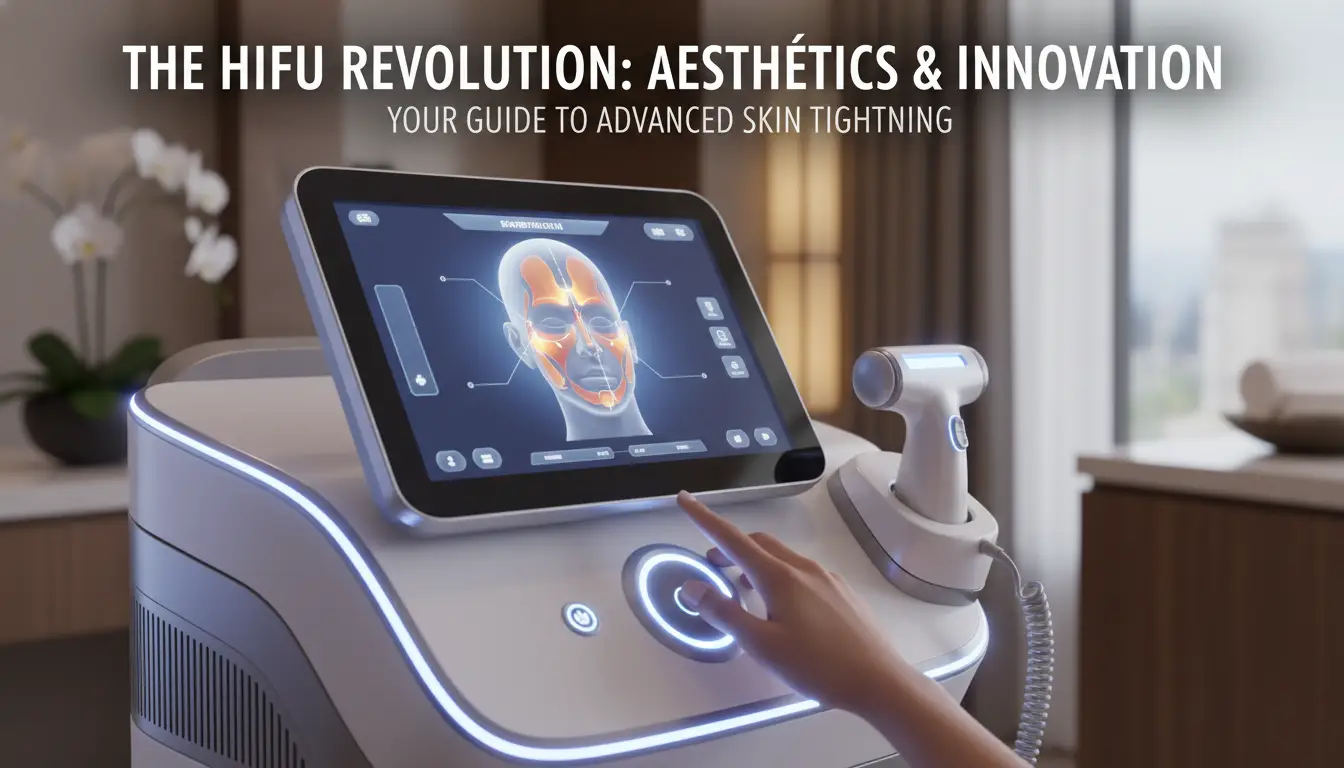
3 in 1 hifu 22 SMAS
Is the 3-in-1 HIFU machine suitable for both face and body?
Yes, this Hifu machine includes cartridges for both facial lifting and body contouring.
单手柄12d hifu
Is there any downtime after using this HIFU machine?
No downtime. Clients can resume daily activities immediately.
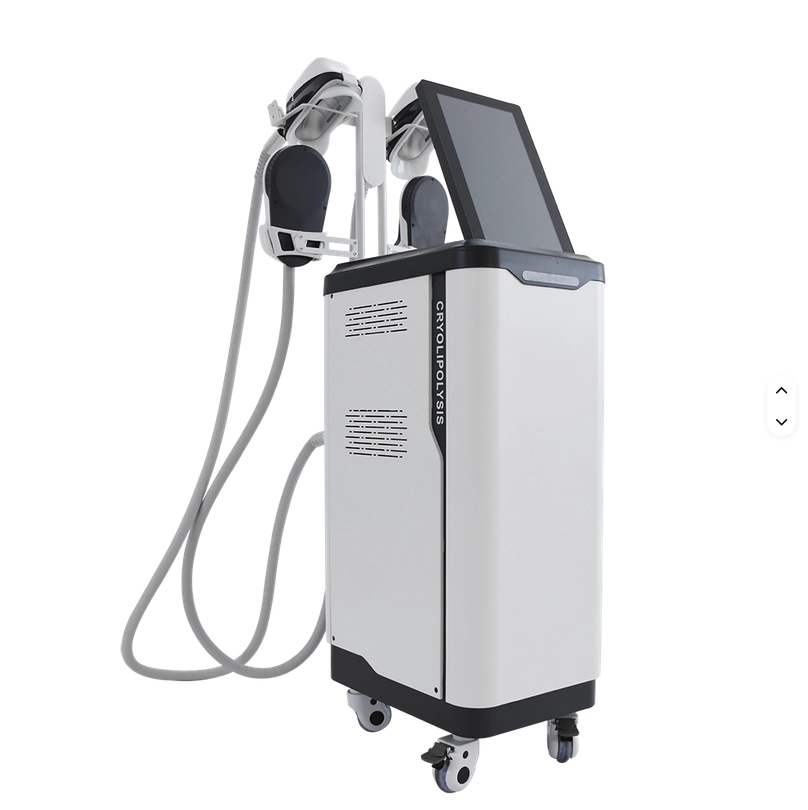
HMT42-4
What is the main difference between this machine and other body sculpting devices?
Our EMSHAPE device combines both EMS and RF technologies, offering a simultaneous "muscle building and fat burning" effect. Many other machines only target one of these aspects, making our device a more efficient and comprehensive solution for clients seeking total body transformation.
OL-186
What results can clients expect?
Noticeable improvements in skin hydration, clarity, and smoothness after the first session.

Get more information
If you have any comments or good suggestions, please leave us a message; later our professional staff will contact you as soon as possible.
Let's Talk
Stay in touch with us for cutting-edge beauty solutions, professional guidance, and customized service.
Contact


Room 307, Building A, Huilong International E-commerce Industrial Park, No. 10 Xipengling Road, Helong Street, Baiyun District, Guangzhou, China
© 2025 HUIMAIN. All Rights Reserved. Privacy Policy | Terms and Conditions | Sitemap
Facebook
Instagram
Medical beauty equipment factory
huimain Medical beauty equipment factory
beauty machine supplier
Whatsapp: +8619124004543