


Does the Pelvic Floor Chair Work? Evidence, Mechanisms & Real-World Results 2026
Pelvic floor dysfunction—especially urinary incontinence—affects millions of adults worldwide and often leads to social anxiety, embarrassment, and reduced quality of life. Traditional approaches, such as Kegel exercises and physical therapy, are effective but require consistency and correct technique, which many find difficult to sustain. As a result, newer technologies like the pelvic floor chair have gained attention as promising non-invasive solutions.
The question on many minds is simple: does the pelvic floor chair work? In this article, we explore the science behind this technology, real-world results, limitations, and how it compares to conventional therapies.
How the Pelvic Floor Chair Works
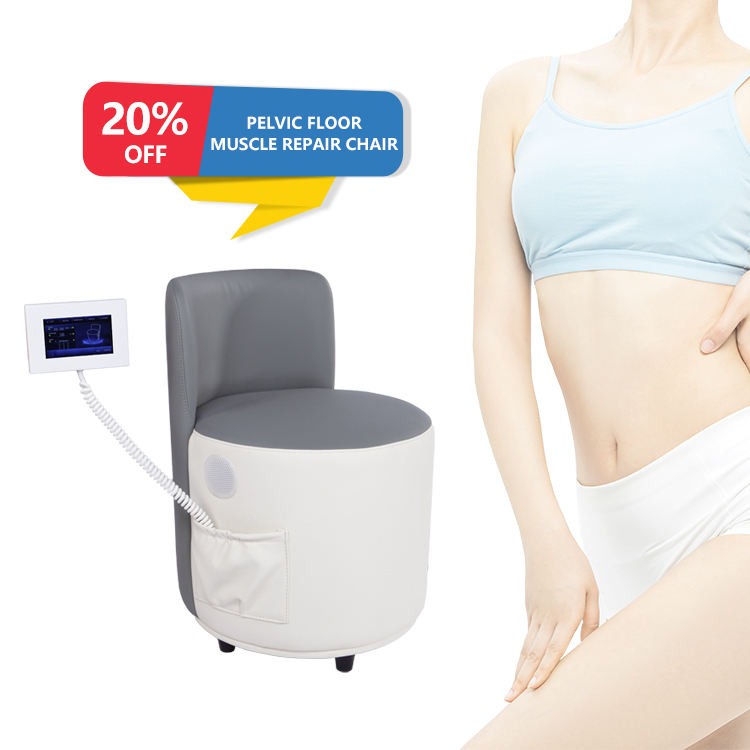
The pelvic floor chair—most commonly known by its branded name, the Emsella chair—uses High-Intensity Focused Electromagnetic (HIFEM) technology to stimulate the pelvic floor muscles. This mechanism induces thousands of involuntary muscle contractions in a short session, aiming to strengthen muscles that are often weak or poorly coordinated due to childbirth, aging, or other health factors.
Here’s how it typically works:
-
You sit fully clothed on the chair for about 28–30 minutes.
-
The HIFEM pulses penetrate deep into the pelvic floor, triggering supramaximal contractions—far more intense than what can be achieved with traditional Kegel exercises alone.
-
These contractions strengthen muscle fibers, improve neuromuscular control, and enhance support for pelvic organs.
Many clinics report that a full treatment course consists of six sessions over three weeks, with some patients noticing improvements even earlier.
Clinical Evidence: What Research Shows
Several clinical studies support the efficacy of HIFEM-based pelvic floor therapy:
-
In one study published in Lasers in Surgery and Medicine, researchers found significant improvement in stress urinary incontinence after completing a six-session HIFEM protocol.
-
Some research has documented significant reductions in pad use and improved muscle contraction patterns after treatment.
While more extensive, long-term trials are warranted, available evidence suggests that the pelvic floor chair can be a meaningful component of a treatment plan for many people with mild to moderate pelvic floor weakness.
Benefits Reported by Users and Clinics
Patients and clinicians cite a range of potential benefits from pelvic floor chair treatments:
1. Improved Bladder Control
By strengthening pelvic floor muscles, patients often experience reduced symptoms of urinary incontinence, especially stress and urge incontinence.
2. Enhanced Muscle Tone
The chair’s HIFEM technology activates deep muscle layers that are difficult to engage voluntarily, leading to improved overall pelvic floor tone.
3. No Downtime or Surgery
Unlike invasive procedures, treatments are quick, non-surgical, and require no recovery period.
4. Comfortable and Convenient
Most sessions are described as comfortable; patients can read, relax, or listen to music during treatment.
Many clinics also report ancillary benefits such as enhanced sexual function and improved quality of life, although individual responses can vary.
Limitations and When It May Not Work
Although many users report positive outcomes, the pelvic floor chair is not a universal solution.
Research Limitations
Some experts note that evidence comparing HIFEM chairs directly to traditional pelvic floor physical therapy is limited.
Functional Coordination
The pelvic floor does not work in isolation—it engages with core, gluteal, and hip muscles during daily movement. Passive stimulation alone may help strength, but does not always replicate functional neuromuscular training.
Symptom Variability
People with certain conditions, such as significant muscle tension, prolapse, or mixed clinical presentations, may not see expected benefits without a broader therapy plan.
Consistency and appropriate patient selection are key to achieving meaningful results. For some individuals, a combined approach (chair therapy plus guided exercises) may yield the best outcomes.
FAQ: Common Questions About the Pelvic Floor Chair
Q: Is the pelvic floor chair painful?
Most users describe a gentle tingling or rhythmic sensation. No anesthesia or incisions are involved, and discomfort is typically minimal.
Q: How soon will I see results?
Some people notice improvements after one or two sessions; however, optimal benefits are often observed following a complete course of recommended treatments.
Q: Can this help men as well as women?
Yes. Although pelvic floor dysfunction and incontinence are more common in women, men—especially after prostate surgery or with pelvic floor weakness—can also benefit.
Q: Do I need to exercise after treatment?
Many specialists recommend continuing pelvic floor exercises or physical therapy alongside chair treatments to reinforce functional muscle control.
Conclusion
So, does the pelvic floor chair work? Evidence and clinical experience indicate that, for many patients with weakened pelvic floor muscles—especially those with stress or urge urinary incontinence—the pelvic floor chair can strengthen pelvic muscles, improve neuromuscular control, and reduce symptoms more effectively than traditional exercises alone. However, the technology works best when supported by proper patient selection and ongoing muscle training.
If you’re considering pelvic floor strengthening or incontinence support, exploring both technology-assisted treatments and individualized exercise programs offers the most comprehensive path to meaningful improvement.
Call to Action (CTA)
Interested in exploring pelvic floor strengthening options?
Learn more about pelvic floor chairs and HIFEM pelvic chair treatments, ask about treatment protocols in your area, or consult a pelvic floor specialist to see if it’s right for your needs.


JHF-61
What cartridges or depths are available?
Face, body, and vaginal HIFU cartridges with multiple optional depths for customized treatment
3 Wavelength Diode
How many sessions are typically required for permanent hair removal?
The number of sessions varies depending on the client's hair type, color, and density, as well as the treatment area. However, most clients require 6 to 8 sessions to achieve a significant and permanent reduction in hair growth.
ulthra超声刀
What is a HIFU Facial Machine?
HIFU Facial Machine uses High Intensity Focused Ultrasound to lift and tighten the skin non-surgically by stimulating collagen production deep in the dermis and SMAS layer.
HMC1S
Q2: Can the Pelvic Floor Chair be used for post-partum recovery?
A2: Yes, the chair is ideal for strengthening pelvic muscles after childbirth, aiding in faster recovery.
HI45P
Does the treatment cause pain or discomfort?
No, treatments are painless. Clients feel gentle warmth and mild muscle contractions during the session.


Get more information
If you have any comments or good suggestions, please leave us a message; later our professional staff will contact you as soon as possible.
Let's Talk
Stay in touch with us for cutting-edge beauty solutions, professional guidance, and customized service.
Contact


Room 307, Building A, Huilong International E-commerce Industrial Park, No. 10 Xipengling Road, Helong Street, Baiyun District, Guangzhou, China
© 2025 HUIMAIN. All Rights Reserved. Privacy Policy | Terms and Conditions | Sitemap
Facebook
Instagram
Medical beauty equipment factory
huimain Medical beauty equipment factory
beauty machine supplier
Whatsapp: +8619124004543