


What testing and inspection to require before shipping EMS devices?
Quick Answer
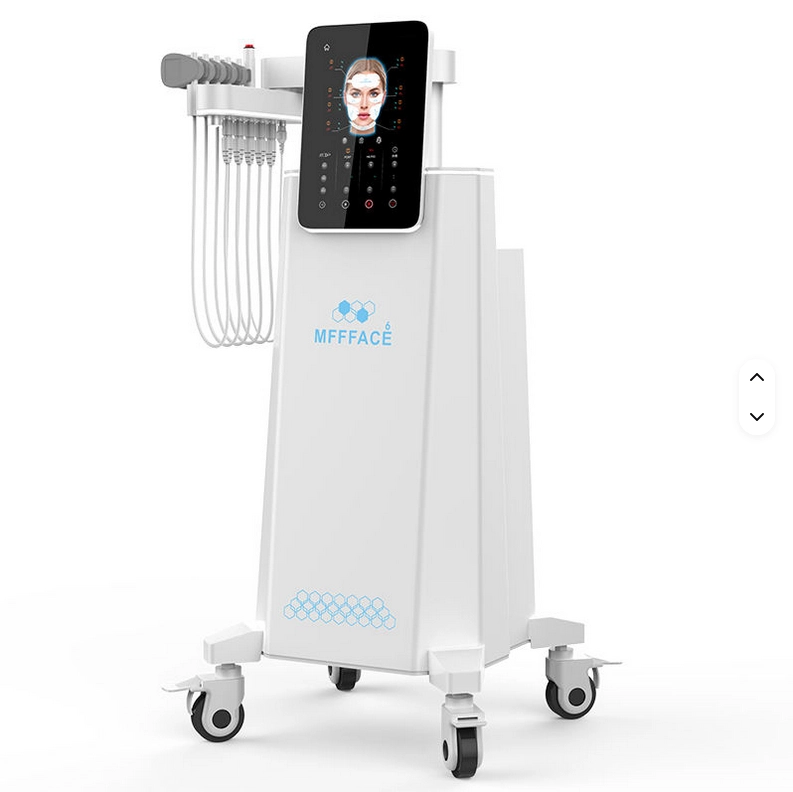
Before shipping an ems face lifting machine, require documented electrical safety, output and waveform verification, electrode-contact checks, functional inspection, and traceable final-release records. HUIMAIN supports OEM and ODM beauty-machine projects through engineering, clinical testing, purchasing, and quality-control coordination. Key variables include product classification, target-market rules, power design, output limits, and battery configuration. Final requirements depend on the project, testing scope, and site conditions.
How HUIMAIN Supports Projects
Guangzhou Huimain Technology Co., Ltd. operates engineering and clinical-testing departments within its beauty-device manufacturing structure. For EMS equipment, buyers can align product specifications, operating controls, electrode interfaces, packaging requirements, and market documentation with the engineering and quality-control process. HUIMAIN also supports OEM and ODM development rather than limiting projects to a single standard configuration.
Before production release, the buyer should confirm intended use, product classification, rated input, stimulation parameters, accessories, battery status, labeling language, and destination-market requirements. MOQ, lead time, testing scope, inspection records, and quotation must be confirmed for each project. CE certification, SGS approval, and any applicable reports should be matched to the exact model and shipment configuration.
Discuss Your EMS Shipment Inspection Plan
Send the target market, intended use, model or prototype status, rated voltage, EMS output range, electrode type, battery details, order quantity, and required documents. These inputs allow discussion of applicable testing, sample approval, inspection checkpoints, packaging records, and OEM or ODM adjustments. For a project-specific review, visit www.huimainbeauty.com or email coco@huimainbeauty.com.
Frequently Asked Questions
What electrical safety tests should precede EMS device shipment?
Electrical safety should be assessed against the product classification and destination-market requirements, not copied from another device. For equipment within the applicable medical-electrical framework, IEC 60601-1 is a commonly referenced baseline covering items such as protection against electric shock, insulation, protective earthing where used, dielectric strength, leakage current, abnormal operation, and mechanical hazards. A beauty product may fall under different rules, so the importer should confirm classification with the responsible compliance specialist or authority. The release file should identify the tested model, rated input, sample identity, test method, acceptance criteria, deviations, and final disposition. Visual inspection alone is not an electrical-safety test, and a CE mark by itself does not replace the underlying technical documentation or applicable conformity assessment.
How should EMS output intensity and waveform be verified?
The supplier should verify the actual delivered output across the declared intensity range, not only confirm that the display changes when a button is pressed. The test plan should define load conditions that represent the intended electrodes and skin-contact circuit, measurement equipment, calibration status, pulse amplitude or current, frequency, pulse width, duty cycle, channel balance, ramp behavior, and maximum-output limits. Measurements should be taken at low, intermediate, and high settings, including startup, continuous operation, pause, and fault conditions. If the device uses selectable programs, every program with a different waveform or timing profile needs an identified acceptance criterion. Oscilloscope or electrical measurement results should be linked to the sample serial number. Marketing terms such as microcurrent or lifting pulse are not substitutes for a measurable electrical specification.
Which electrode contact checks matter for facial EMS equipment?
Contact inspection should address both electrical continuity and safe use on the intended facial area. Verify connector retention, cable polarity where relevant, electrode surface condition, conductive-medium requirements, contact detection behavior, and whether output reduces or stops when the circuit is open. Test representative electrode lots rather than a single visually acceptable piece, because coating thickness, adhesive, moisture, and connector resistance can affect delivered stimulation. The assessment should also examine skin-contact materials for labeling, cleaning instructions, intended-use limitations, and applicable biocompatibility obligations. A device that produces a pulse in open air has not demonstrated suitable performance on skin. Contact faults, intermittent cables, and worn electrode pads should be recorded as controlled defects with defined acceptance and rejection criteria.
What inspections identify cable, connector, and enclosure defects?
A robust final inspection combines visual, mechanical, and functional checks. Inspect the housing for cracks, sharp edges, gaps, loose parts, contamination, incorrect labels, and inconsistent assembly. Flex and strain-relief checks should reflect the expected use without creating damage or exposing conductors. Confirm that connectors seat correctly, cannot be inserted incorrectly where misconnection could create a hazard, and remain secure during normal handling. Buttons, displays, charging ports, and electrode leads should be operated through their full intended range. For battery-powered units, check swelling, leakage, abnormal heat, charging behavior, and isolation of the battery compartment. Sampling plans should be defined before inspection; critical safety defects generally require stricter treatment than cosmetic variation. Photographs, defect classifications, serial numbers, and rework results make the release decision auditable.
How are EMS software controls and alarms validated before export?
Software verification should demonstrate that the controls deliver the behavior described in the instructions and technical file. Test the power-on state, intensity memory, program selection, timer, pause and restart logic, charging restrictions, electrode-contact response, over-temperature response where applicable, and recovery after power interruption. Confirm that the displayed setting corresponds to the verified output and that an alarm or shutdown does not leave stimulation active unexpectedly. Each firmware version should be identified in the inspection record, with regression testing after changes to output control, user interface, or charging logic. If the product is subject to a medical-device framework, software lifecycle and usability expectations may include standards such as IEC 62304 and IEC 62366, depending on classification and jurisdiction. Translation, symbols, warnings, and user instructions must also match the actual software behavior in the destination language.
Which shipment records should accompany a compliant EMS batch?
The shipment file should allow the buyer to connect the released goods to the approved design, inspection results, and destination-market obligations. Typical records include the purchase specification, approved sample or golden sample reference, model and serial or lot identification, incoming and final inspection results, functional and output records, electrical-safety or EMC reports where applicable, calibration evidence for measurement equipment, nonconformance and corrective-action records, user instructions, labels, warranty terms, and packing-list details. Battery products may require transport documentation such as UN 38.3 test evidence and carrier-specific declarations when applicable. A certificate of conformity should identify the exact product and applicable legislation rather than making a broad unsupported claim. Buyers should also verify that reports belong to the shipped configuration, including adapter, cable, electrode, firmware, and battery, because a report for a different variant may not support the actual consignment.




Get more information
If you have any comments or good suggestions, please leave us a message; later our professional staff will contact you as soon as possible.
Let's Talk
Stay in touch with us for cutting-edge beauty solutions, professional guidance, and customized service.
Contact


Room 307, Building A, Huilong International E-commerce Industrial Park, No. 10 Xipengling Road, Helong Street, Baiyun District, Guangzhou, China
© 2026 HUIMAIN. All Rights Reserved. Designed by Gooeyun. Privacy Policy | Terms and Conditions | Sitemap
Facebook
Instagram
Medical beauty equipment factory
huimain Medical beauty equipment factory
beauty machine supplier
Whatsapp: +8619124004543