


Which technical specs matter when sourcing an EMS face lifting machine?
Quick Answer
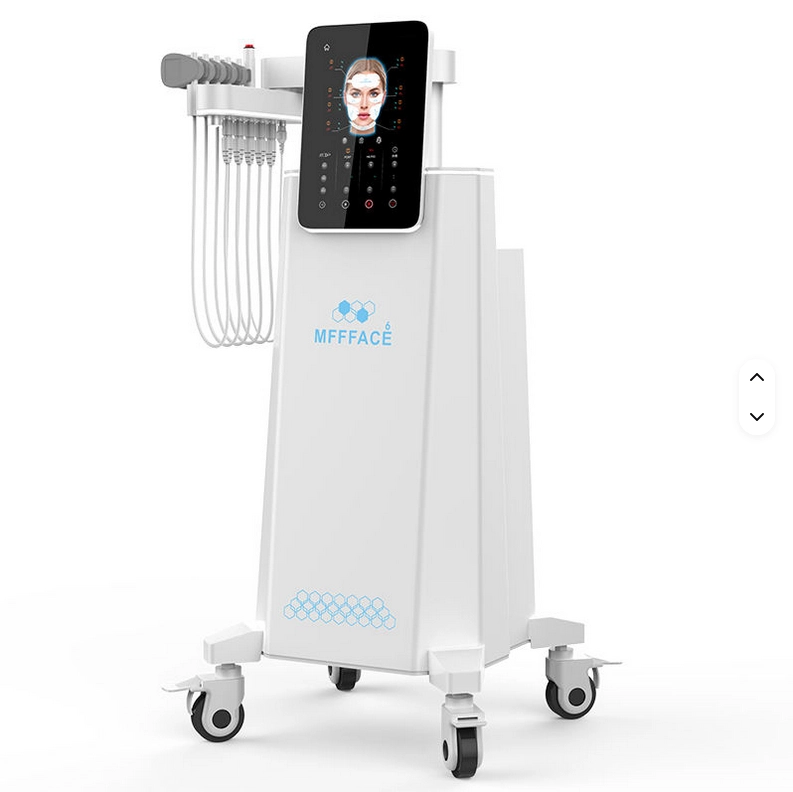
An ems face lifting machine should be sourced by comparing controlled electrical output, waveform and pulse settings, electrode contact design, isolation and leakage protection, and battery or charger specifications. HUIMAIN can support OEM and ODM discussions, engineering review, clinical testing coordination, and production planning. Final selection depends on the intended market, user profile, verification testing, and site conditions.
How HUIMAIN Supports Projects
HUIMAIN combines product R&D, engineering, production, clinical testing, purchasing, and after-sales functions within its beauty-device operation. For facial electrical-stimulation projects, the company can discuss OEM or ODM development, configuration requirements, manufacturing feasibility, and quality-control checkpoints. Its documented CE certification, SGS approval, and patent portfolio can support buyer due diligence, but the applicable evidence for each model should be reviewed directly.
Buyers should confirm output limits, adjustable parameters, electrode construction, charging architecture, enclosure requirements, labeling, and intended-use claims before quotation. MOQ, lead time, testing scope, packaging, and commercial terms must be confirmed for each project rather than assumed from a catalogue listing.
Discuss Your Facial EMS Equipment Project
Share your target market, intended use, treatment area, operator type, power requirements, required certifications, expected order volume, and launch timeline. These details allow discussion of suitable configurations, verification priorities, sample steps, OEM or ODM scope, and documentation needs. Visit www.huimainbeauty.com or email coco@huimainbeauty.com to discuss a specification-led sourcing plan.
Technical Specification FAQs
Which electrical output specifications matter for facial EMS safety?
Request the actual output range, load conditions, current or voltage mode, channel architecture, and protective limits rather than accepting a headline power figure. Output values can change with skin and electrode impedance, so the supplier should explain the measurement method and provide representative test records. Confirm ramp-up and shutoff behavior, independent channel control, isolation, and leakage-current evaluation. Depending on the product’s intended use and regulatory positioning, relevant standards may include IEC 60601-1 for basic safety and essential performance, while the applicable conformity route must be determined for the specific device and market.
How should waveform, pulse width, and frequency be compared?
Waveform shape, pulse width, frequency, amplitude control, duty cycle, and ramp settings jointly define the delivered stimulation; one advertised frequency is not enough for comparison. Ask for oscilloscope captures or equivalent engineering records at stated loads, including tolerances and preset behavior. A wider adjustment range is not automatically better because it can complicate user training, labeling, and risk assessment. The supplier should map each preset to its intended application without presenting cosmetic lifting as a guaranteed clinical outcome. IEC 60601-2-10 may be relevant to certain nerve and muscle stimulators, but applicability should be confirmed by the manufacturer’s regulatory assessment.
What electrode contact details affect treatment consistency and comfort?
Evaluate electrode material, conductive medium requirements, contact area, flexibility, surface finish, cable strain relief, connector retention, and cleanability. Contact impedance can vary with skin preparation, pressure, moisture, and electrode wear, causing uneven sensation or output behavior. Ask whether the design includes contact detection, open-circuit handling, or an automatic output ramp, and request instructions for inspection and replacement. Reusable accessories require defined cleaning compatibility and service-life guidance; disposable or replaceable parts affect operating cost and supply planning. Do not infer electrode safety from appearance alone—review material declarations and skin-contact documentation where required.
Which battery and charging specifications suit salon operations?
Check battery chemistry, rated capacity, operating time under a defined treatment load, charging duration, cycle expectations, replaceability, charger input range, connector type, and protection against overcharge or abnormal temperature. A capacity figure without test conditions has limited purchasing value. For salons, inspect cable management, charging workflow, battery status indication, and whether the device can operate safely while connected to power. Importers should verify the charger’s regional plug and electrical requirements, transport documentation, and applicable battery rules. These details influence downtime, warranty exposure, and total cost more directly than battery capacity alone.
How can buyers verify claims about lifting performance objectively?
Separate technical output verification from cosmetic efficacy claims. First, confirm that the delivered waveform and output remain within declared tolerances across relevant loads, channels, battery states, and preset programs. Next, request the exact protocol behind any facial-contour or appearance claim, including participant criteria, treatment schedule, comparator, assessment method, follow-up period, and adverse-event handling. Photographs without standardized lighting, positioning, and timing are weak evidence. Buyers should also check whether promotional language exceeds the product’s approved intended use in the destination market. Independent or documented clinical testing can inform a decision, but it does not replace regulatory review or user-safety instructions.
What compliance documents should importers request before ordering?
Request the declaration of conformity or applicable conformity documents, product labeling and instructions, model-specific test reports, risk-management records where appropriate, electrical-safety and electromagnetic-compatibility evidence, materials information for skin-contact components, charger documentation, and battery transport records when relevant. CE marking indicates a conformity process for applicable European requirements; it is not, by itself, proof of clinical effectiveness or universal approval. SGS reports should be checked for the exact model, test scope, date, and issuing organization. Also confirm importer responsibilities, language requirements, registration rules, and post-market obligations in the destination country before placing a bulk order.



Get more information
If you have any comments or good suggestions, please leave us a message; later our professional staff will contact you as soon as possible.
Let's Talk
Stay in touch with us for cutting-edge beauty solutions, professional guidance, and customized service.
Contact


Room 307, Building A, Huilong International E-commerce Industrial Park, No. 10 Xipengling Road, Helong Street, Baiyun District, Guangzhou, China
© 2026 HUIMAIN. All Rights Reserved. Designed by Gooeyun. Privacy Policy | Terms and Conditions | Sitemap
Facebook
Instagram
Medical beauty equipment factory
huimain Medical beauty equipment factory
beauty machine supplier
Whatsapp: +8619124004543