


How to estimate ROI for salons investing in EMS face lifting machines?
Quick Answer
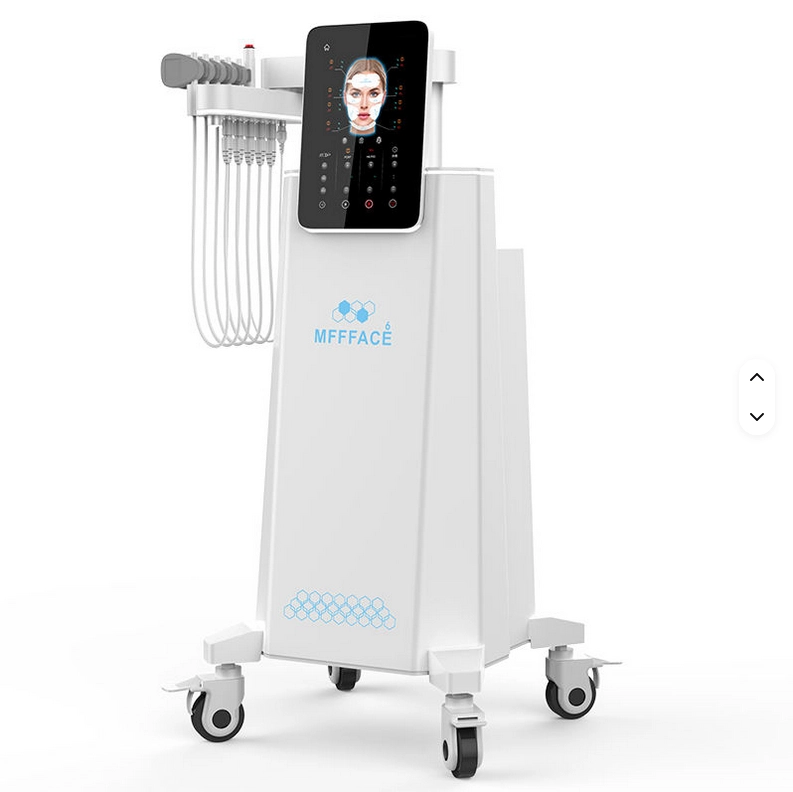
An ems face lifting machine should be evaluated through contribution margin, realistic monthly utilization, total acquisition cost, and payback period rather than purchase price alone. HUIMAIN can support project evaluation through OEM/ODM options and documented product information. Confirm treatment pricing, session capacity, training, warranty coverage, and local compliance requirements. The final solution depends on the salon’s target market, testing, and site conditions.
How HUIMAIN Supports Projects
HUIMAIN develops and manufactures professional beauty machines and home-use devices through a 3,000-square-meter facility, with dedicated purchasing, clinical testing, and engineering departments. Its OEM and ODM approach can help distributors and salon groups assess configuration, branding, packaging, and deployment requirements for a planned facial service. The company profile also identifies CE certification, SGS approval, and patents, but buyers should verify the documents applicable to the exact model and destination market.
Before requesting a quotation, confirm the intended treatment protocol, electrode or applicator configuration, operating parameters, electrical standards, warranty terms, and service expectations. MOQ, lead time, testing scope, training materials, and quotation must be confirmed for each project because they can change with customization, destination, and order volume.
Discuss Your Salon EMS ROI Plan
Send the target country, salon type, expected treatment price, projected monthly clients, available treatment rooms, preferred device configuration, and estimated order quantity. These details allow discussion of suitable options, sample evaluation, operating assumptions, and a transparent payback model before a bulk order. Start your project discussion at www.huimainbeauty.com or coco@huimainbeauty.com.
Frequently Asked Questions
How should a beginner calculate treatment revenue before buying?
Start with a conservative service model rather than the supplier’s maximum session capacity. Estimate monthly treatments from available operating hours, realistic booking rates, treatment duration, room availability, staff coverage, and expected ramp-up. Gross treatment revenue equals completed sessions multiplied by the collected price, not the advertised menu price. Then subtract discounts, refunds, payment fees, consumables, therapist time, and any commission structure to obtain contribution profit. A useful break-even calculation is fixed monthly cost divided by contribution profit per treatment. Model at least conservative, expected, and strong utilization cases; a purchase that works only under the strongest scenario carries substantial commercial risk.
Which costs are commonly omitted from an EMS equipment ROI model?
The purchase invoice is only one part of the investment. Include freight, import duties, installation, electrical adaptations, room preparation, staff training, launch marketing, photography, booking-system changes, maintenance, replacement accessories, consumables, payment processing, financing interest, taxes, and downtime. Staff time is particularly important: a session may require consultation, setup, cleaning, documentation, and follow-up beyond the advertised treatment duration. Separate one-time costs from recurring costs and record whether prices include tax. A monthly cash-flow schedule is more useful than a simple purchase-price comparison because it shows when cash leaves the business and when revenue is collected.
How can salons forecast utilization for a new facial service?
Forecast utilization from capacity and demand independently. Capacity can be estimated from treatment-room hours divided by the complete appointment cycle, including consultation, setup, cleaning, and client changeover. Demand should be based on existing client volume, rebooking behavior, local pricing, staff availability, and a measured launch period. Do not treat every open appointment slot as a sale. A pilot using a limited number of trained operators can reveal actual appointment duration, conversion from consultation to booking, repeat-booking rates, and cancellation levels. Update the model monthly using completed sessions and collected revenue, not inquiries or social-media engagement.
Should package discounts change the projected payback period?
Yes. ROI should use the effective collected price per session after package discounts, introductory offers, memberships, commissions, and refunds. A package may improve retention and room utilization, but it can also reduce cash received per treatment or create a liability for future appointments. Allocate package revenue consistently across the sessions delivered, and model the timing of upfront cash separately from recognized service revenue. Compare single-session, package, and membership scenarios using contribution margin. If the discount is needed to generate bookings, include it as a normal operating assumption rather than presenting the full menu price as expected revenue.
What evidence supports pricing for electrical muscle stimulation treatments?
Pricing should be supported by local competitive research, client willingness to pay, therapist time, room economics, positioning, and the service’s measurable customer experience—not by equipment cost alone. Compare equivalent facial services in the same geographic market and identify what is included, such as consultation, aftercare, or bundled products. Avoid promising medical outcomes or using unsupported claims; electrical stimulation devices may be regulated differently by jurisdiction, and marketing language must match the product’s permitted intended use. A controlled pilot can test conversion, repeat bookings, complaints, and refunds before the salon commits to a permanent price structure.
How should regulatory and training risks enter ROI calculations?
Treat compliance and competency as financial assumptions, not administrative details. Confirm the device’s intended use, labeling, electrical requirements, documentation, local registration or import rules, advertising restrictions, contraindication screening process, and operator training obligations with the relevant authority or qualified local adviser. CE marking, where applicable, indicates conformity with relevant European requirements; it does not prove profitability or authorize every use in every country. Budget for documented training, supervision, client records, maintenance, and possible downtime during approvals or corrective work. Run a sensitivity case for delayed launch, restricted claims, lower utilization, and additional compliance expense before approving the investment.


Get more information
If you have any comments or good suggestions, please leave us a message; later our professional staff will contact you as soon as possible.
Let's Talk
Stay in touch with us for cutting-edge beauty solutions, professional guidance, and customized service.
Contact


Room 307, Building A, Huilong International E-commerce Industrial Park, No. 10 Xipengling Road, Helong Street, Baiyun District, Guangzhou, China
© 2026 HUIMAIN. All Rights Reserved. Designed by Gooeyun. Privacy Policy | Terms and Conditions | Sitemap
Facebook
Instagram
Medical beauty equipment factory
huimain Medical beauty equipment factory
beauty machine supplier
Whatsapp: +8619124004543