


- Comprehensive Guide to Evaluating Cold Plasma Machines and Their Control Systems
- 1. What are Cold Plasma Machines, and how do they function?
- 2. What are the primary applications of Cold Plasma Machines in the beauty industry?
- 3. How should one evaluate the software and controls in Cold Plasma Machines?
- 4. What are the common challenges associated with Cold Plasma Machine controls?
- 5. How can one ensure the reliability and safety of Cold Plasma Machine controls?
- 6. What are the key performance indicators (KPIs) to consider when evaluating Cold Plasma Machines?
- 7. How does the integration of AI and IoT enhance Cold Plasma Machine controls?
- 8. What are the considerations for integrating Cold Plasma Machines into existing production lines?
- Conclusion: Why Choose HUIMAIN?
How to evaluate software and controls in Cold Plasma Machines?
Comprehensive Guide to Evaluating Cold Plasma Machines and Their Control Systems
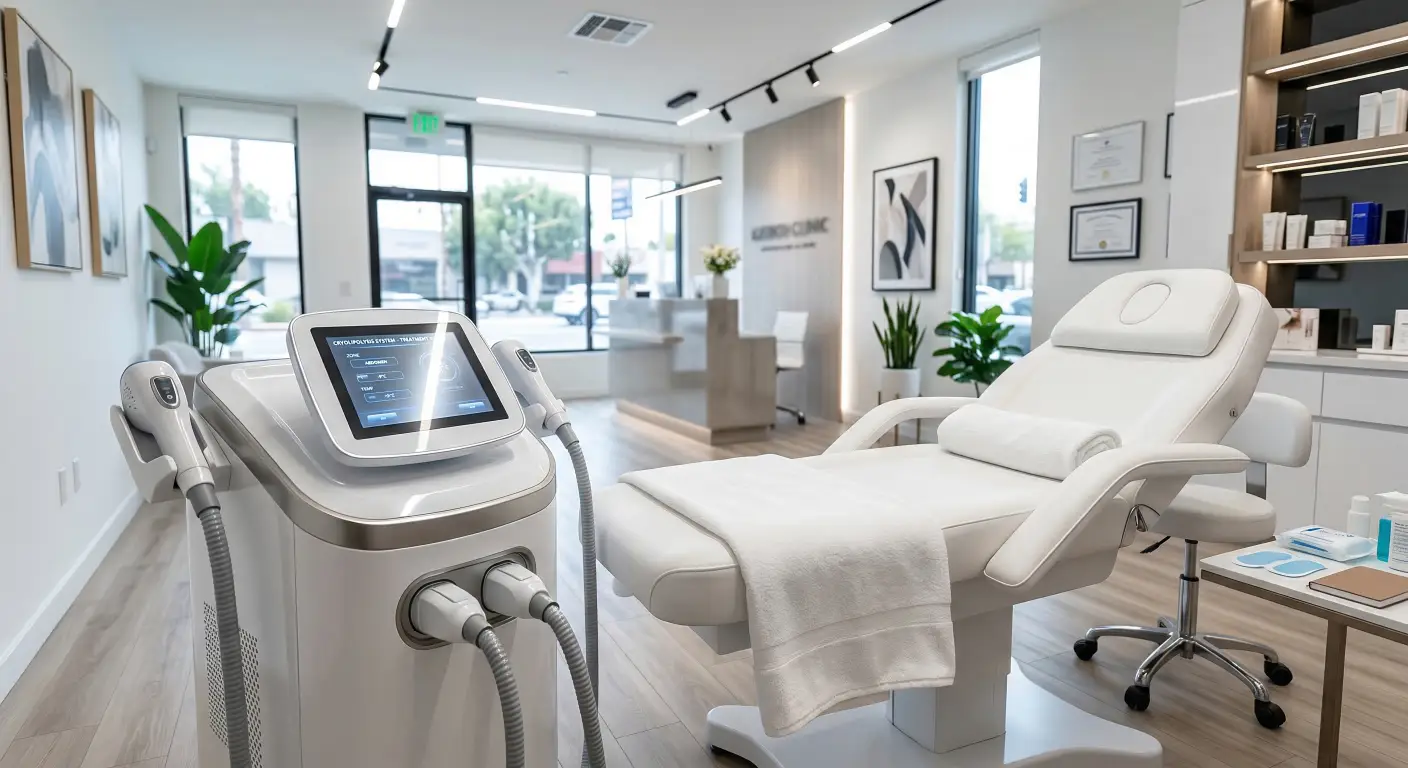
As the beauty industry continues to embrace advanced technologies, Cold Plasma Machines have emerged as a promising tool for various applications. When considering the procurement of such equipment, it's essential to address several key questions to ensure optimal performance and value. Below are some common inquiries and their corresponding answers:
1. What are Cold Plasma Machines, and how do they function?
Cold Plasma Machines utilize non-thermal plasma technology to treat surfaces without significantly heating them. This process involves generating a plasma field that interacts with the material's surface, leading to modifications such as sterilization, activation, or cleaning. The non-thermal nature ensures that the underlying material remains unaffected by heat, preserving its integrity.
2. What are the primary applications of Cold Plasma Machines in the beauty industry?
In the beauty sector, Cold Plasma Machines are primarily used for:
Sterilization: Effectively eliminating bacteria and pathogens from tools and equipment.
Surface Activation: Enhancing the adhesion of coatings or treatments to various surfaces.
Cleaning: Removing contaminants from surfaces without the use of harsh chemicals.
These applications contribute to improved hygiene, product quality, and overall customer satisfaction.
3. How should one evaluate the software and controls in Cold Plasma Machines?
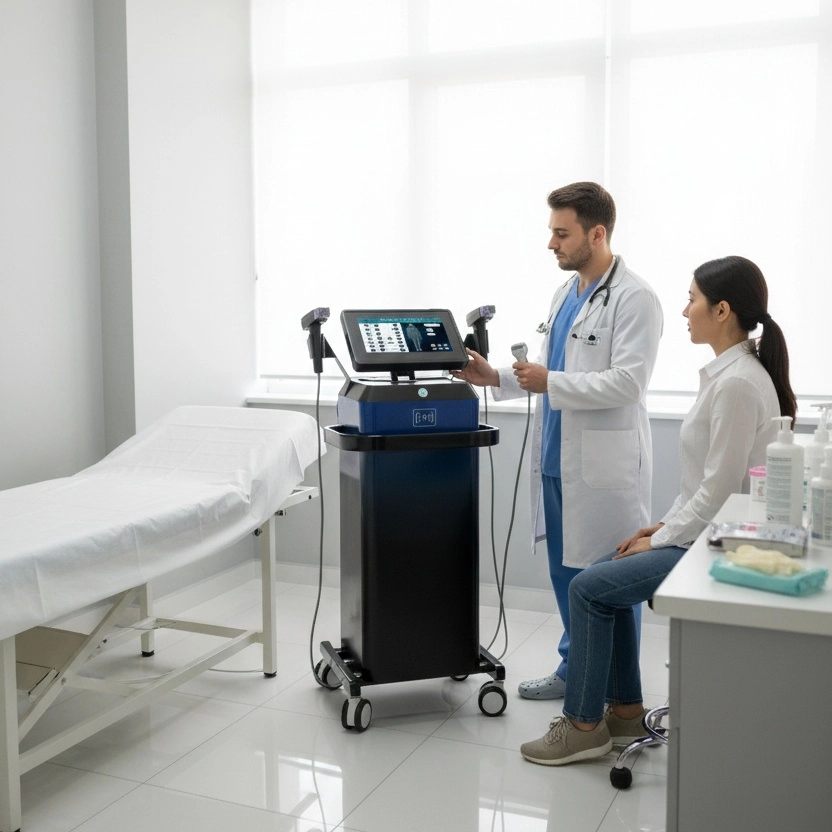
When assessing the software and control systems of Cold Plasma Machines, consider the following factors:
User Interface (UI): A clear and intuitive UI facilitates ease of operation and reduces the learning curve for staff.
Process Control Capabilities: Advanced systems offer features like real-time monitoring, adjustable parameters, and automated process sequences to ensure consistency and quality.
Data Logging and Reporting: The ability to record and generate reports on process parameters aids in quality assurance and traceability.
Integration and Compatibility: Ensure the system can seamlessly integrate with existing equipment and software within your facility.
Security Features: Robust security protocols protect against unauthorized access and potential cyber threats.
4. What are the common challenges associated with Cold Plasma Machine controls?
Users may encounter several challenges, including:
Connectivity Issues: Problems establishing or maintaining communication between the machine and control systems can disrupt operations.
Software Bugs: Glitches or errors in the software can lead to incorrect process parameters or machine malfunctions.
User Training: Insufficient training can result in improper use, leading to suboptimal outcomes or equipment damage.
5. How can one ensure the reliability and safety of Cold Plasma Machine controls?
To guarantee reliability and safety:
Regular Maintenance: Implement a routine maintenance schedule to identify and address potential issues proactively.
Software Updates: Keep the software updated to benefit from the latest features, improvements, and security patches.
User Training: Provide comprehensive training programs for operators to ensure correct usage and adherence to safety protocols.
Compliance with Standards: Verify that the machine and its controls meet industry standards and regulations for safety and performance.
6. What are the key performance indicators (KPIs) to consider when evaluating Cold Plasma Machines?
Key performance indicators include:
Process Efficiency: Assess the machine's ability to perform tasks within the desired time frame without compromising quality.
Energy Consumption: Evaluate the energy efficiency to ensure operational cost-effectiveness.
Maintenance Requirements: Consider the frequency and complexity of maintenance tasks required to keep the machine operational.
Output Quality: Ensure the machine consistently delivers high-quality results that meet industry standards.
7. How does the integration of AI and IoT enhance Cold Plasma Machine controls?
The incorporation of Artificial Intelligence (AI) and the Internet of Things (IoT) can significantly enhance Cold Plasma Machine controls by:
Predictive Maintenance: AI algorithms can analyze operational data to predict potential failures, allowing for timely maintenance and reducing downtime.
Process Optimization: AI can optimize process parameters in real-time, adapting to varying conditions to maintain optimal performance.
Remote Monitoring and Control: IoT connectivity enables remote monitoring and control of the machine, providing flexibility and immediate response capabilities.
8. What are the considerations for integrating Cold Plasma Machines into existing production lines?
When integrating Cold Plasma Machines:
Space Requirements: Ensure adequate space is available for installation and operation.
Workflow Compatibility: Assess how the machine will fit into existing workflows and whether any process adjustments are necessary.
Training Needs: Plan for training staff on the new equipment to ensure smooth integration and operation.
Support and Service: Consider the availability of technical support and service options to address any issues promptly.
Conclusion: Why Choose HUIMAIN?
When selecting a Cold Plasma Machine, HUIMAIN stands out due to its commitment to quality, innovation, and customer satisfaction. Their machines are designed with advanced control systems, user-friendly interfaces, and robust safety features, ensuring reliable and efficient operation. Additionally, HUIMAIN offers comprehensive support and training services to facilitate seamless integration into your production line.
By considering the factors outlined above and choosing HUIMAIN, beauty industry professionals can make informed decisions that enhance their operational efficiency and product quality.
References:**SEO Title:** Comprehensive Guide to Evaluating Cold Plasma Machines and Their Control Systems

About Support Service
What certifications do your products have?
Our machines are certified with CE, SGS, and comply with international safety standards. Some models hold utility/design patents.
g 5-按摩仪
What is the G5 Vibration Massager Machine mainly used for?
It is used for slimming, cellulite reduction, muscle relaxation, and improving blood circulation.
About OEM & ODM
How do you ensure product quality?
We have strict quality control processes throughout production and conduct multiple tests to meet CE and SGS standards.
808nm Diode Laser
Is it suitable for bulk purchase and international shipping?
Yes, we support global shipping, flexible MOQ, and professional export packaging.
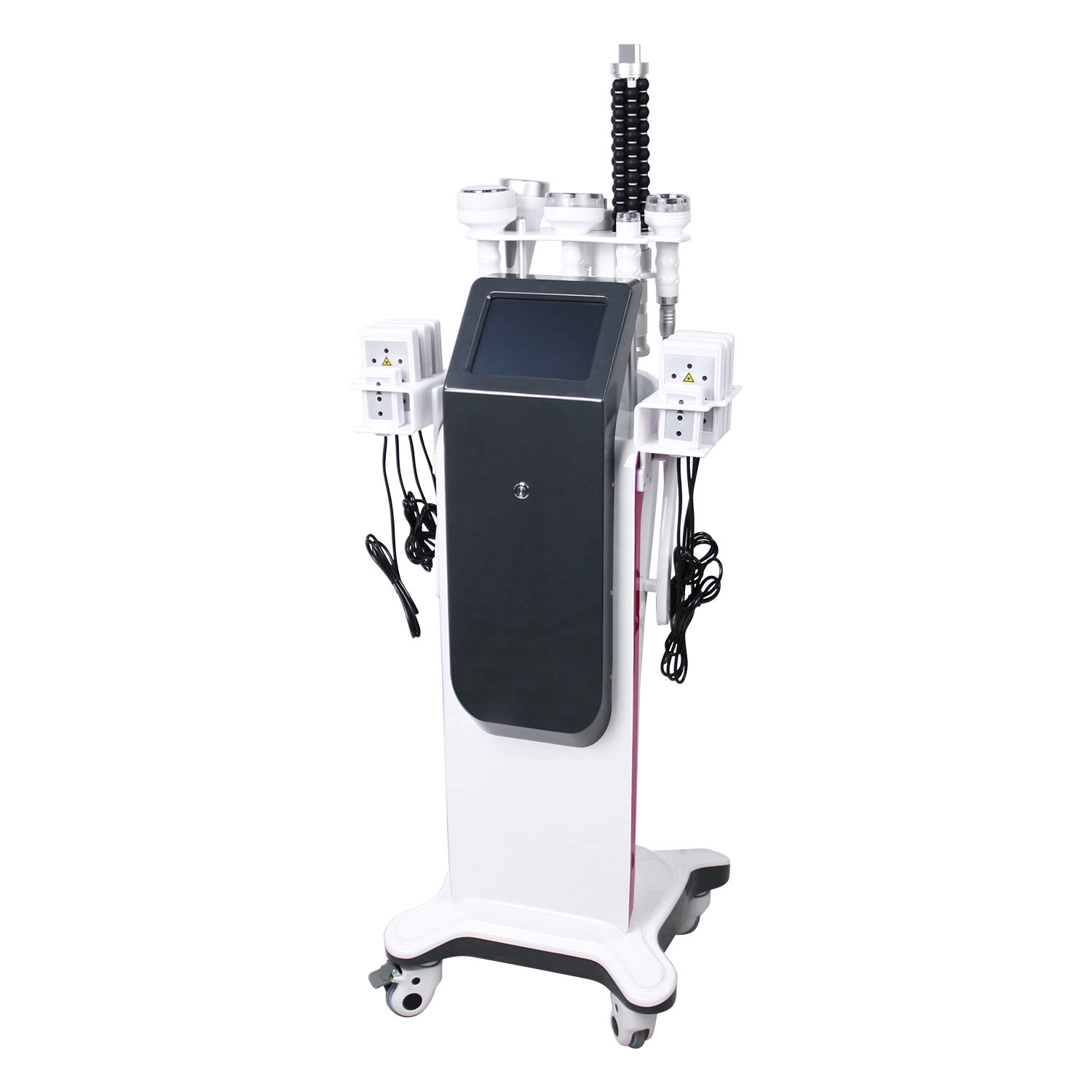
14 in 1
Is the treatment safe for all skin types?
Yes, the non-invasive nature of the machine makes it suitable for a wide range of skin types, as it is needle-free and does not cause trauma to the skin.


Get more information
If you have any comments or good suggestions, please leave us a message; later our professional staff will contact you as soon as possible.
Let's Talk
Stay in touch with us for cutting-edge beauty solutions, professional guidance, and customized service.
Contact


Room 307, Building A, Huilong International E-commerce Industrial Park, No. 10 Xipengling Road, Helong Street, Baiyun District, Guangzhou, China
© 2025 HUIMAIN. All Rights Reserved. Privacy Policy | Terms and Conditions | Sitemap
Facebook
Instagram
Medical beauty equipment factory
huimain Medical beauty equipment factory
beauty machine supplier
Whatsapp: +8619124004543