


- 1. What are the key factors to consider when selecting a professional RF machine for skin tightening treatments?
- 2. How do different RF technologies (monopolar, bipolar, tripolar) impact treatment outcomes?
- 3. What are the latest advancements in RF technology for non-invasive skin rejuvenation?
- 4. How can laser devices be effectively integrated with Electronic Medical Record (EMR) systems in medical practices?
- 5. What are the challenges in integrating laser devices with EMR systems, and how can they be overcome?
- 6. How can medical practices ensure a smooth integration process between laser devices and EMR systems?
How to integrate laser machines with EMR systems?
1. What are the key factors to consider when selecting a professional RF machine for skin tightening treatments?
When choosing a professional RF machine for skin tightening, consider the following factors:
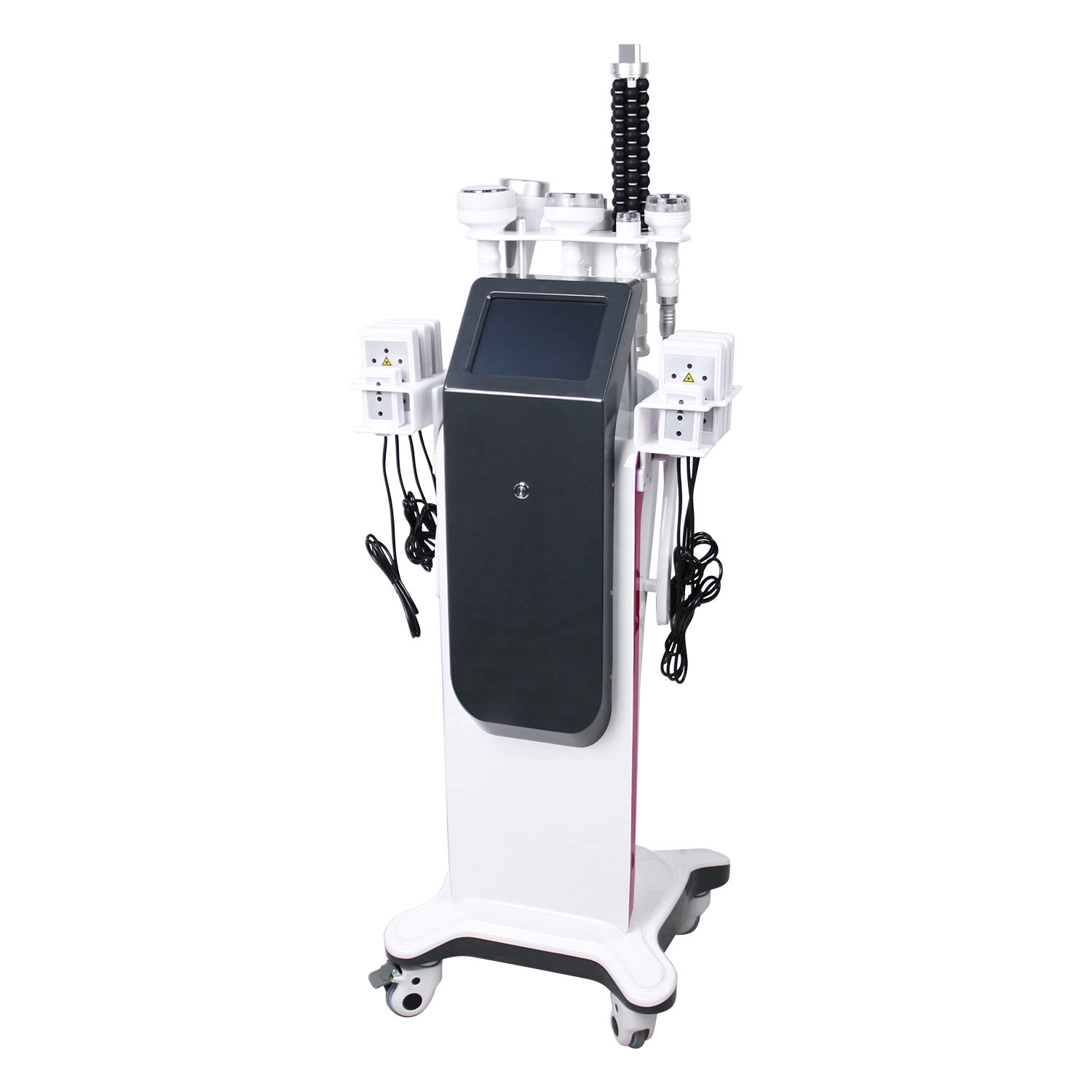
Technology and Features: Opt for devices that combine RF with other modalities like ultrasound or microneedling for enhanced results. For instance, the Alma Accent Prime integrates RF and ultrasound, offering comprehensive face and body treatments.
Safety Protocols: Ensure the machine adheres to international safety standards (e.g., CE, ISO, FDA) and includes features like temperature monitoring and automatic shut-down to prevent overheating.
Treatment Versatility: Choose machines that can address various skin concerns, such as wrinkles, sagging, and cellulite. The Venus Legacy, for example, utilizes Multi-Polar RF and Pulsed Electromagnetic Fields (PEMF) technology for consistent results in skin tightening and wrinkle reduction.
Cost and ROI: Evaluate the device's cost against potential return on investment. Basic RF machines range from $1,500–$4,000, with a typical monthly ROI of $2,000–$4,000.
Maintenance and Support: Consider the availability of replacement parts, warranty length (preferably 12+ months), and local customer support to ensure consistent operation.
2. How do different RF technologies (monopolar, bipolar, tripolar) impact treatment outcomes?
The type of RF technology used in a machine significantly affects treatment outcomes:
Monopolar RF: Delivers energy through a single electrode, allowing deeper penetration into the skin. It's effective for treating larger areas and is commonly used for body contouring.
Bipolar RF: Utilizes two electrodes to deliver energy, resulting in more superficial penetration. It's suitable for facial treatments targeting fine lines and skin texture.
Tripolar RF: Combines features of both monopolar and bipolar RF, offering a balance between depth and precision. It's versatile for various treatments, including facial rejuvenation and body contouring.
3. What are the latest advancements in RF technology for non-invasive skin rejuvenation?
Recent advancements in RF technology include:
Integration with Other Modalities: Combining RF with ultrasound, LED light therapy, or microneedling enhances treatment efficacy. For example, the Venus Legacy employs Multi-Polar RF and PEMF technology for skin tightening and wrinkle reduction.
Real-Time Monitoring: Devices now feature real-time temperature monitoring and integrated cooling systems to ensure patient safety and comfort during treatments.
Portable and User-Friendly Designs: Advancements have led to more compact and intuitive devices, making professional treatments accessible in various settings, including home use.
4. How can laser devices be effectively integrated with Electronic Medical Record (EMR) systems in medical practices?
Integrating laser devices with EMR systems involves:
Data Synchronization: Ensure that treatment data from laser devices can be automatically transferred to the EMR system, reducing manual entry errors and improving workflow efficiency.
Third-Party Integration Services: Utilize services like Redox and Rhapsody Health, which offer APIs to facilitate integration between medical devices and various EMR systems.
Compliance and Security: Verify that the integration complies with healthcare regulations (e.g., HIPAA) to maintain patient confidentiality and data security.
Training and Support: Provide staff with adequate training on the integrated system and ensure ongoing technical support to address any issues promptly.
5. What are the challenges in integrating laser devices with EMR systems, and how can they be overcome?
Challenges include:
Compatibility Issues: Laser devices and EMR systems may use different data formats or protocols, making integration complex. Overcome this by selecting devices and EMR systems that support standard integration protocols or by using middleware solutions.
Data Security Concerns: Transferring sensitive patient data between devices and EMR systems raises security risks. Implement robust encryption methods and access controls to safeguard data.
Cost Implications: Integration can be costly, involving software development and potential hardware upgrades. Conduct a cost-benefit analysis to ensure the investment leads to improved efficiency and patient care.
6. How can medical practices ensure a smooth integration process between laser devices and EMR systems?
To ensure a smooth integration:
Conduct Thorough Planning: Assess the specific needs of your practice and choose devices and EMR systems that align with these requirements.
Engage Stakeholders: Involve key personnel in the planning and implementation phases to address concerns and gather valuable input.
Test the Integration: Before full deployment, conduct pilot tests to identify and resolve potential issues.
Provide Training: Offer comprehensive training to staff on the new integrated system to ensure effective utilization.
Monitor and Evaluate: After implementation, continuously monitor the system's performance and gather feedback to make necessary adjustments.
By carefully selecting professional RF machines and effectively integrating laser devices with EMR systems, medical practices can enhance treatment outcomes, improve operational efficiency, and provide better patient care.
For personalized recommendations and a detailed quote, please contact us at (mailto:coco@huimainbeauty.com) or visit our website at (http://www.huimainbeauty.com).
L10先锋点阵
What is the downtime after treatment?
Downtime varies by treatment intensity but is generally shorter than traditional CO2 laser treatments.
OL-186
What results can clients expect?
Noticeable improvements in skin hydration, clarity, and smoothness after the first session.
GL-1皮秒
Is this laser machine effective for tattoo removal?
Yes. The Q-switch laser machine delivers high peak energy to effectively break down tattoo pigments, especially black and dark-colored ink, with reliable clinical results.
Super 808nm 3 wavelengths Diode Laser Hair Removal
Can I use the machine for all body areas?
Yes. It is designed for full-body use including face, arms, legs, bikini, and underarms.
VM-3
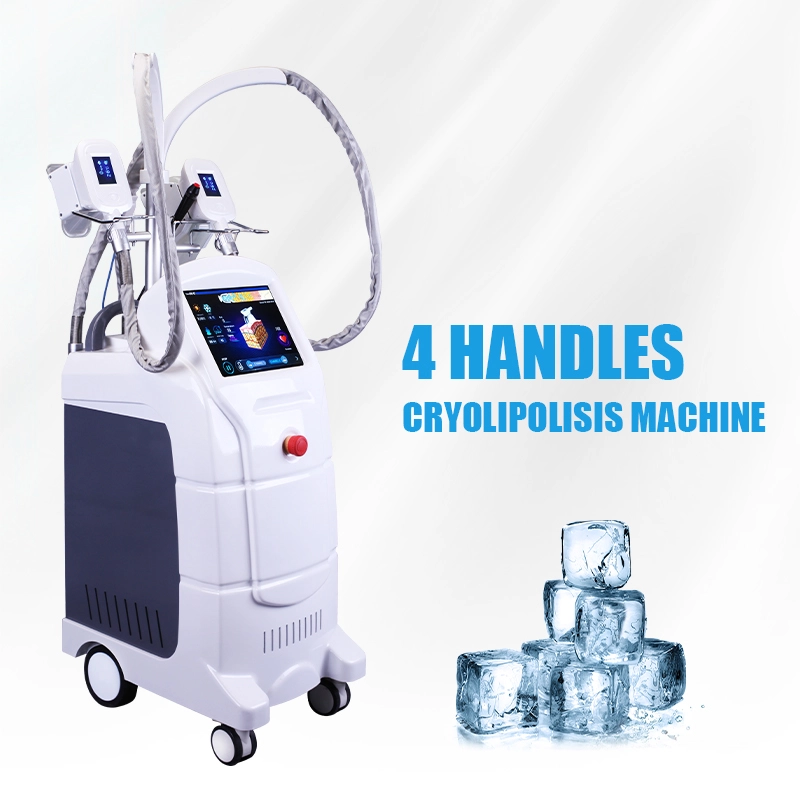
Is cryolipolysis treatment painful?
Most clients feel only cold and mild suction; the procedure is generally comfortable.


Get more information
If you have any comments or good suggestions, please leave us a message; later our professional staff will contact you as soon as possible.
Let's Talk
Stay in touch with us for cutting-edge beauty solutions, professional guidance, and customized service.
Contact


Room 307, Building A, Huilong International E-commerce Industrial Park, No. 10 Xipengling Road, Helong Street, Baiyun District, Guangzhou, China
© 2025 HUIMAIN. All Rights Reserved. Privacy Policy | Terms and Conditions | Sitemap
Facebook
Instagram
Medical beauty equipment factory
huimain Medical beauty equipment factory
beauty machine supplier
Whatsapp: +8619124004543