


- 1. What are the key factors to consider when purchasing a laser hair removal machine for my clinic?
- 2. How do I determine the appropriate power settings for different skin types and hair colors?
- 3. What are the maintenance requirements and expected lifespan of laser hair removal machines?
- 4. How can I assess the return on investment (ROI) for a laser hair removal machine?
- 5. What are the latest advancements in hydro facial machines, and how do they enhance treatment outcomes?
- 6. How do I integrate a hydro facial machine into my existing clinic services effectively?
How to choose the best hydro facial machine for your clinic?
1. What are the key factors to consider when purchasing a laser hair removal machine for my clinic?
When selecting a laser hair removal machine, it's crucial to evaluate several factors to ensure it aligns with your clinic's needs:
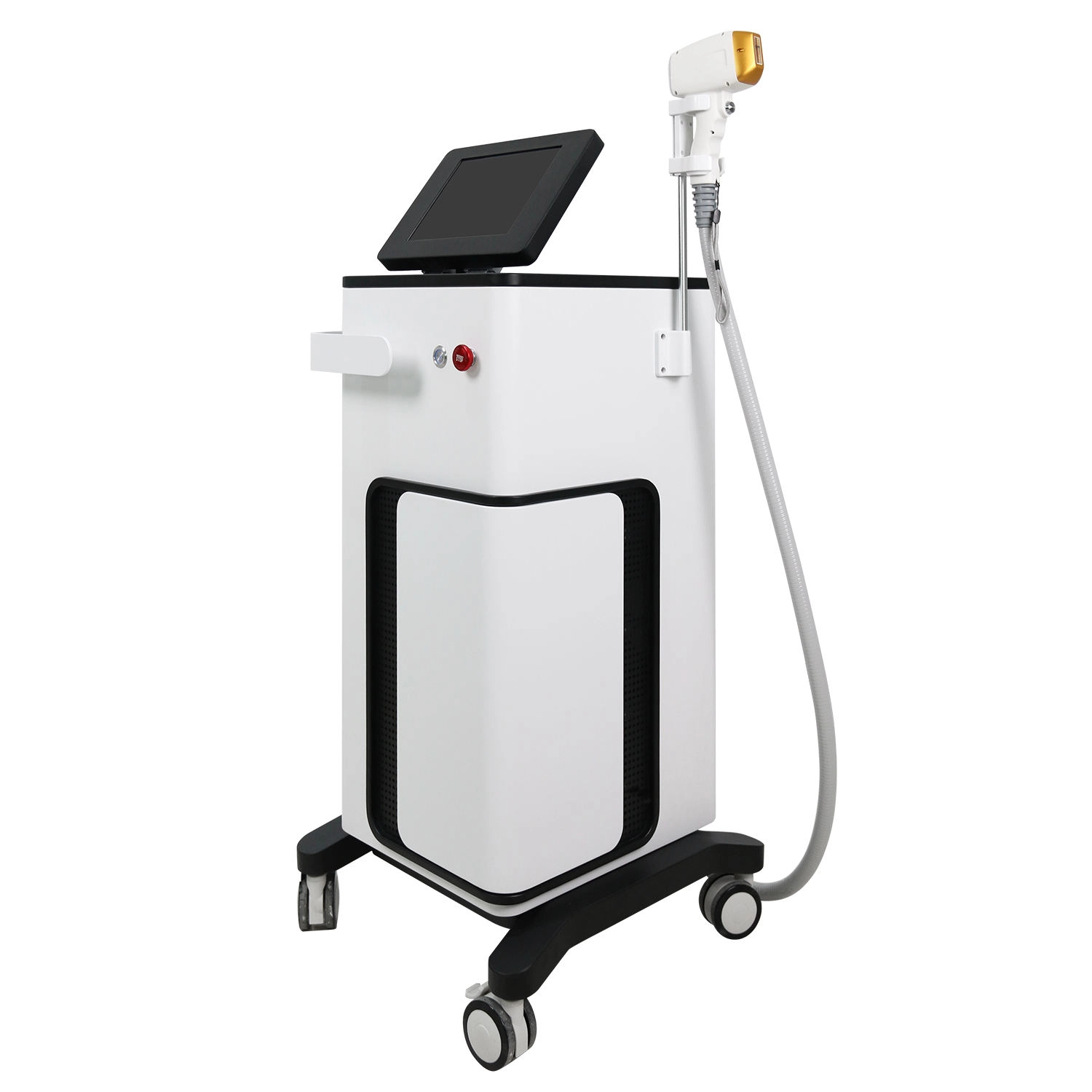
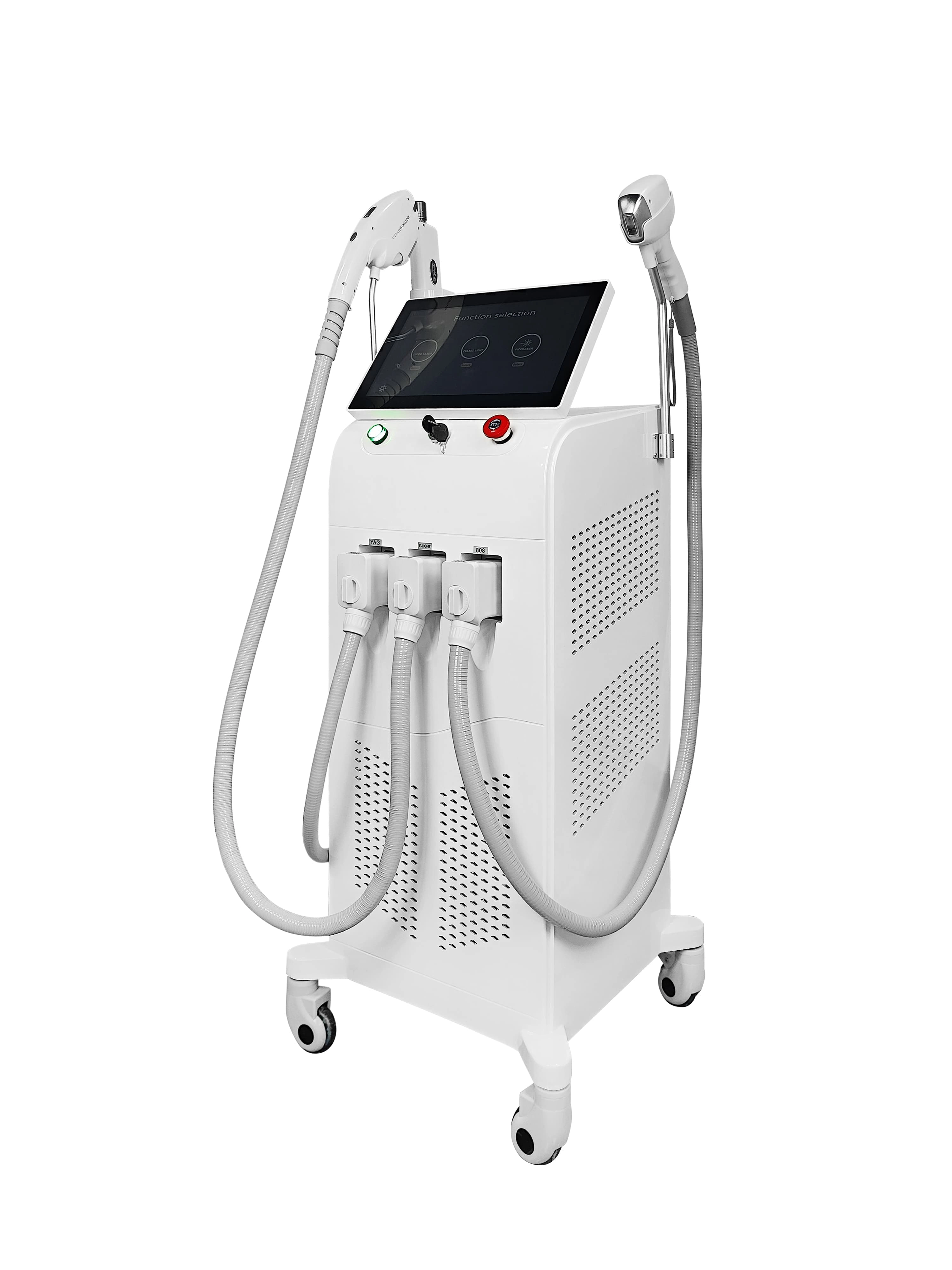
Wavelength Options: Machines offering multiple wavelengths, such as 755nm, 808nm, and 1064nm, can effectively treat various skin types and hair colors. For instance, the Fiber HR Trio provides these three wavelengths, enhancing treatment versatility.
Spot Size and Cooling Mechanisms: Larger spot sizes can expedite treatment times, while integrated cooling systems improve client comfort. The LightSheer Desire, for example, features a 22×35 mm spot size with Vacuum Assisted High-Speed Integrated Technology.
Treatment Speed and Efficiency: Opt for machines that offer rapid treatment capabilities to accommodate a higher volume of clients. The LightSheer Duet reduces treatment times by up to 75%, making it suitable for busy practices.
Safety Features: Ensure the machine has built-in safety protocols, such as skin cooling and adjustable energy levels, to minimize risks. The LightSheer ET, for instance, is proven effective for permanent hair reduction and safely treats all skin types.
Maintenance and Support: Consider the availability of technical support and the ease of maintenance. Machines with a reputation for reliability and accessible customer service can reduce downtime.
Regulatory Compliance: Verify that the machine meets local regulatory standards and has the necessary certifications, such as FDA approval, to ensure safety and efficacy.
2. How do I determine the appropriate power settings for different skin types and hair colors?
Selecting the right power settings is essential for effective and safe treatments:
Skin Type Classification: Utilize the Fitzpatrick skin type scale to categorize clients' skin tones, ranging from Type I (very fair) to Type VI (very dark).
Hair Color and Thickness: Darker and coarser hair absorbs laser energy more effectively, requiring different settings compared to lighter or finer hair.
Machine Specifications: Refer to the manufacturer's guidelines for recommended settings based on skin type and hair characteristics. For example, the LightSheer ET features a 400 ms pulsewidth for additional safety on the darkest skin types.
Patch Testing: Conduct patch tests on a small skin area to assess the client's response and adjust settings accordingly.
Continuous Monitoring: Regularly monitor the client's skin reaction during treatment to ensure safety and adjust parameters as needed.
3. What are the maintenance requirements and expected lifespan of laser hair removal machines?
Understanding maintenance needs and machine longevity is vital for investment planning:
Regular Maintenance: Schedule routine checks, including cleaning of handpieces, calibration, and software updates, as per the manufacturer's recommendations.
Component Lifespan: Laser diodes and other critical components have finite lifespans, typically ranging from 5 to 10 years, depending on usage and maintenance.
Warranty and Support: Opt for machines with comprehensive warranties and accessible customer support to address issues promptly.
Operational Hours: Monitor the machine's usage to prevent overuse, which can accelerate wear and tear.
Training for Staff: Ensure that staff are trained in proper operation and maintenance procedures to extend the machine's lifespan.
4. How can I assess the return on investment (ROI) for a laser hair removal machine?
Evaluating ROI involves considering several financial and operational factors:
Initial Investment: Account for the purchase price, installation, and training costs.
Operational Costs: Include maintenance, consumables, and staffing expenses.
Revenue Generation: Estimate potential income based on treatment pricing and expected client volume.
Break-Even Analysis: Calculate the time required to recoup the initial investment through projected profits.
Market Demand: Assess local demand for laser hair removal services to gauge potential profitability.
Competitive Pricing: Research competitors' pricing strategies to position your services effectively in the market.
5. What are the latest advancements in hydro facial machines, and how do they enhance treatment outcomes?
Staying updated on technological innovations can improve service quality:
Multi-Functional Devices: Modern hydro facial machines often combine multiple technologies, such as microdermabrasion, LED therapy, and radiofrequency, to provide comprehensive skin treatments.
Customization Options: Advanced machines allow for personalized treatment plans based on individual skin assessments.
Improved Serums and Solutions: The use of specialized serums tailored to various skin concerns can enhance treatment efficacy.
User-Friendly Interfaces: Intuitive controls and touchscreens simplify operation and reduce the learning curve for staff.
Enhanced Safety Features: Incorporation of sensors and automated protocols ensures treatments are safe and effective for all skin types.
6. How do I integrate a hydro facial machine into my existing clinic services effectively?
Successful integration requires strategic planning:
Staff Training: Provide comprehensive training to staff on machine operation, treatment protocols, and client consultation.
Marketing Strategies: Promote the new service through various channels, highlighting its benefits and addressing common skin concerns.
Client Education: Offer informational materials and consultations to educate clients on the advantages of hydro facials.
Scheduling and Workflow: Incorporate hydro facial treatments into your clinic's scheduling system to optimize time and resources.
Feedback Mechanisms: Collect client feedback to assess satisfaction and identify areas for improvement.
In conclusion, selecting the right laser hair removal and hydro facial machines involves careful consideration of technical specifications, maintenance requirements, financial implications, and integration strategies. By addressing these aspects, you can enhance your clinic's service offerings and achieve long-term success.
For personalized guidance and a quote tailored to your clinic's needs, please contact us at (mailto:coco@huimainbeauty.com) or visit our website at (http://www.huimainbeauty.com).


Air Pressotherapy Machine
How often should I use the air pressotherapy machine?
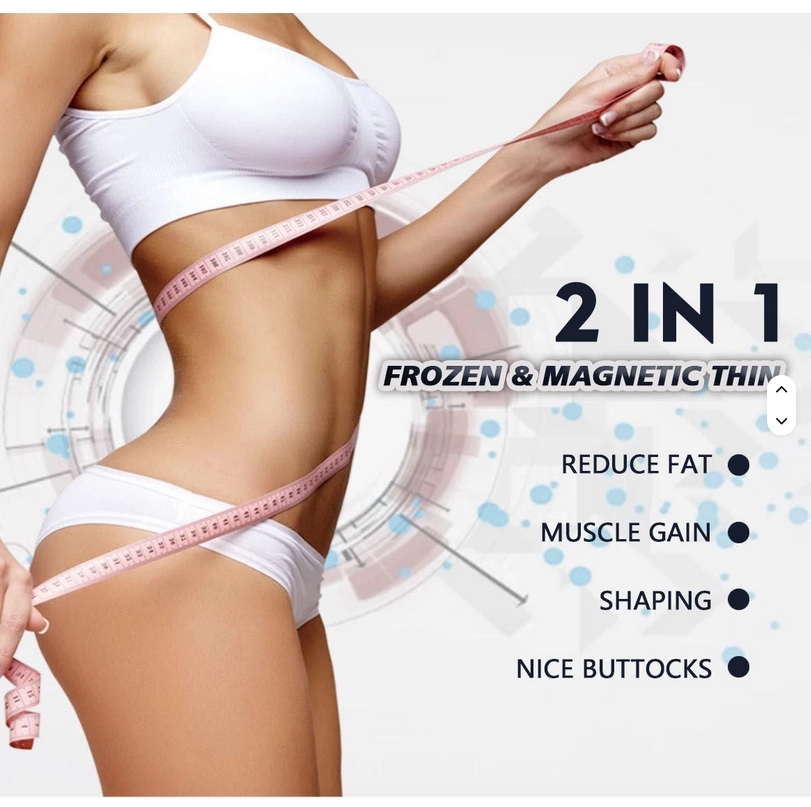
2–3 sessions per week are recommended for the best slimming and detox results.
A67
What is the Fusion HIFU machine used for?
The Fusion HIFU machine is used for non-invasive skin lifting, tightening, wrinkle reduction, and facial rejuvenation treatments
HMT82S-2
How long does shipping take? Do you offer customization?
Standard orders are shipped within 3–7 working days. We offer global shipping via DHL/FedEx/Sea Freight. OEM/ODM customization is available (logo, interface, packaging, etc.).
A50
Is the treatment painful?
No, the silicone rolling ball provides a gentle massage effect without irritation.
OPT 脱毛机
Does the treatment hurt?
No, thanks to the advanced cooling system, treatments are virtually painless and comfortable.


Get more information
If you have any comments or good suggestions, please leave us a message; later our professional staff will contact you as soon as possible.
Let's Talk
Stay in touch with us for cutting-edge beauty solutions, professional guidance, and customized service.
Contact


Room 307, Building A, Huilong International E-commerce Industrial Park, No. 10 Xipengling Road, Helong Street, Baiyun District, Guangzhou, China
© 2025 HUIMAIN. All Rights Reserved. Privacy Policy | Terms and Conditions | Sitemap
Facebook
Instagram
Medical beauty equipment factory
huimain Medical beauty equipment factory
beauty machine supplier
Whatsapp: +8619124004543