


- Clarifying the Terminology: What Are You Paying For?
- The Critical Distinction: Cold Plasma vs. PRP vs. Fibroblast
- The Average Cost of Cold Plasma Treatment (2026 Market Data)
- Per-Session Pricing
- Package Deals and Memberships
- Key Factors Influencing the Price Tag
- 1. Geographic Location
- 2. Practitioner Expertise and Reputation
- 3. Treatment Area Size
- 4. Add-On Treatments
- The Hidden Variable: Technology and Machine Quality
- Why a Better Machine Costs More (And Is Worth It)
- Cost vs. Value: What Does Cold Plasma Treat?
- Frequently Asked Questions (FAQ)
- Conclusion
- CTA (Call to Action)
How Much Does a Cold Plasma Treatment Cost? 2026 Price Guide
The aesthetic industry continues to evolve, and cold plasma therapy has firmly established itself as a staple for non-invasive skin rejuvenation, acne treatment, and enhanced product absorption. By delivering remarkable results without the downtime associated with lasers or invasive needles, it remains a top choice for patients worldwide.
However, for anyone considering this procedure in 2026, one lingering question remains: How much does a cold plasma treatment cost?
If you have been searching online, you have likely encountered a frustratingly wide range of prices, or clinics that do not list their fees. Furthermore, despite the technology's maturity, confusion persists, with some sources still conflating "plasma injections" (PRP) with "cold plasma energy devices."
This guide will cut through the noise. We will provide a transparent analysis of current 2026 market pricing, explain the variables that dictate cost, and crucially, explore why the quality of the cold plasma machine used during your treatment is the most significant factor determining the value you receive.
Clarifying the Terminology: What Are You Paying For?
Before discussing dollars and cents, it is vital to establish expertise on what "cold plasma" actually is. In the aesthetic world, the word "plasma" is often used loosely, leading to consumer confusion.
The Critical Distinction: Cold Plasma vs. PRP vs. Fibroblast
When researching costs, ensure you are comparing apples to apples.
-
Platelet-Rich Plasma (PRP): Often called the "vampire facial," this involves drawing your blood, isolating plasma, and injecting it back into the skin. This is not cold plasma therapy. Articles discussing high-end injection costs are referring to PRP (typically $600–$1,500).
-
Fibroblast Plasma (Hot Plasma): This technique uses an electrical arc to create tiny burns or dots on the skin to tighten tissue. While effective, it involves downtime and scabbing.
-
True Cold Plasma (Non-Thermal): This is the focus of our pricing guide. A cutting-edge cold plasma treatment machine generates ionized gas (plasma) that is cool to the touch. It kills surface bacteria (excellent for acne), reduces inflammation, and temporarily opens channels in the skin for hyper-absorption of serums—all with zero downtime.
When you pay for true cold plasma, you are paying for advanced, non-invasive technology that works at a cellular level without heating the skin.
The Average Cost of Cold Plasma Treatment (2026 Market Data)
The cost of cold plasma therapy is not universally standardized. It is considered an elective cosmetic procedure and is rarely covered by insurance. Based on current market analysis across various demographics, here are the typical price ranges.
Per-Session Pricing
For a single facial treatment using a professional-grade cold plasma therapy machine, prices generally fall into these tiers:
-
Entry-Level Pricing: $200 – $300 per session. Often found in smaller towns, newer clinics building clientele, or sometimes involving older equipment models.
-
Mid-Range Pricing: $350 – $600 per session. This is the national average for established medical spas in suburban or urban areas using reputable, modern technology.
-
High-End Pricing: $650 – $1,000+ per session. Typical in major metropolitan hubs (NYC, LA, London) at luxury clinics, or when combined with advanced biological serums (like exosomes 2.0 or bio-identical growth factors) driven into the skin by the plasma.
Package Deals and Memberships
Because cold plasma yields cumulative results, most practitioners recommend a series of treatments—typically 3 to 6 sessions. Buying a package is almost always more cost-effective.
-
Series of 3: Often discounted by 10-15%, bringing the per-session average down to roughly $300-$450.
-
Series of 6: Often discounted by 20-25%, potentially lowering the per-session cost to the $250-$350 range.
Key Factors Influencing the Price Tag
Why might one clinic charge $250 while another down the street charges $600 for what appears to be the same service? Several factors come into play.
1. Geographic Location
The cost of living and operating a business in a specific area is a major driver. A clinic renting prime real estate in a city center has significantly higher overhead than a medspa in a rural area, and their service menu prices will reflect that.
2. Practitioner Expertise and Reputation
Are you being treated by a newly certified aesthetician, or a dermatologist with decades of experience? The credentials and demand of the provider justify a premium. Highly sought-after skin specialists charge for their time and their ability to customize protocols effectively.
3. Treatment Area Size
While a full face treatment is standard, pricing changes based on surface area.
-
Targeted Areas (e.g., active acne spots only, eyes): Lower range ($150 - $250).
-
Full Face and Neck: Mid-to-higher range ($450 - $750).
-
Body Areas (e.g., stretch marks on abdomen, back acne): Pricing is usually quoted by consultation based on the time required.
4. Add-On Treatments
Cold Plasma is rarely performed in isolation. Its primary superpower is temporarily breaking the cell adhesion molecules in the skin barrier, allowing topical products to penetrate dramatically deeper. The cost often includes what is applied after the plasma. If the clinic uses premium, lab-grade stem cells or exosomes, the treatment price will increase significantly.
The Hidden Variable: Technology and Machine Quality
This is perhaps the most critical, yet least discussed, factor influencing cost. As a consumer, it is vital to understand that not all cold plasma devices are created equal.
The market is currently flooded with devices ranging from cheap, handheld imports to sophisticated, medical-grade diagnostic platforms. The operational cost for the clinic to acquire a top-tier cold plasma machine is substantial, and this investment is amortized into the treatment cost.
Why a Better Machine Costs More (And Is Worth It)
A clinic that has invested in a high-quality, verified cold plasma treatment machine will charge more because they are offering a superior service. Here is the difference:
-
Consistent Power Output: Professional-grade machines deliver a stable, precise amount of plasma energy. Cheaper devices often have fluctuating power, leading to uneven results or, in rare cases, unintended thermal damage.
-
True "Cold" Technology: Achieving a plasma state without generating significant heat requires advanced engineering. Superior cold plasma therapy machines ensure the treatment remains truly non-thermal, protecting melanin and making it safe for all skin tones (Fitzpatrick scales I-VI).
-
Ozone Regulation: Cold plasma generation produces trace amounts of ozone, which is beneficial for killing acne bacteria. However, high-end machines have sophisticated filtration and regulation systems to ensure ozone levels remain strictly within therapeutic, safe limits.
The Takeaway: When you see a very low price for cold plasma, ask about the device being used. A higher price tag at a reputable clinic often indicates an investment in safer, more effective technology that delivers reliable outcomes.
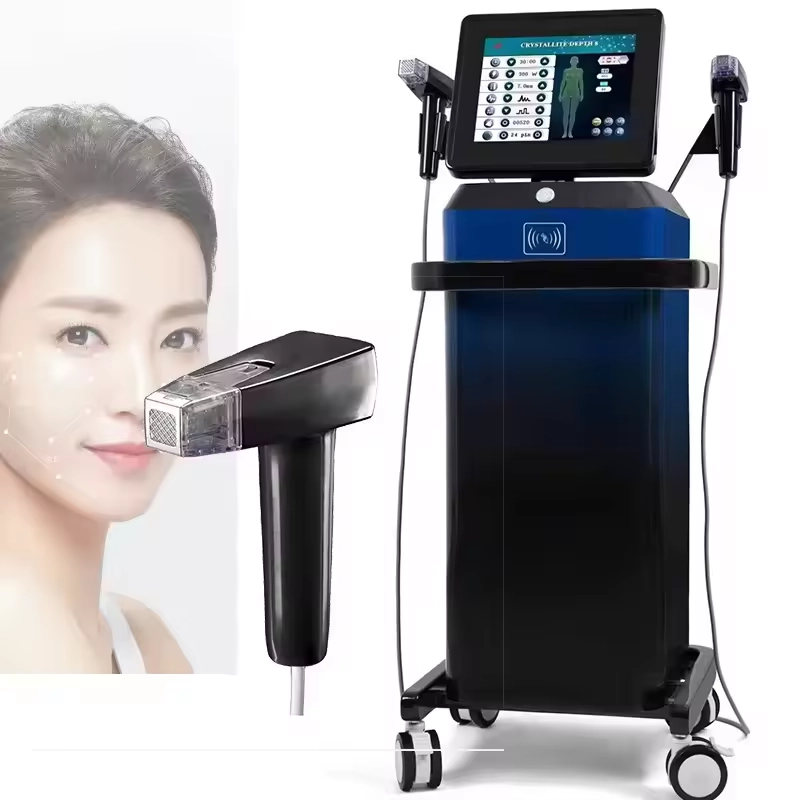
(Suggested Caption: Advanced cold plasma therapy machines ensure precise energy delivery for safe and effective treatments.)
Cost vs. Value: What Does Cold Plasma Treat?
To determine if the cost is justified for you, it is important to understand the versatility of the treatment. Unlike treatments that only address one issue (like Botox for wrinkles), cold plasma is a multi-tasker.
For an average cost of $400 per session, the treatment simultaneously addresses:
-
Active Acne: The ionized gas is antimicrobial, instantly sterilizing acne-causing bacteria (P. acnes) and reducing inflammation.
-
Skin Aging and Laxity: It stimulates fibroblasts in the dermis to produce new collagen and elastin, leading to firmer skin.
-
Hyper-Absorption: By temporarily decreasing skin resistance, it allows expensive topical serums applied during the treatment to penetrate deep into the dermis.
-
Skin Brightening: It helps break down excess pigment, assisting in the treatment of sun spots and melasma.
For many patients, combining these benefits into one no-downtime procedure justifies the price point compared to paying for separate acne, anti-aging, and facial treatments.
(Suggested Caption: Cold plasma therapy is non-invasive and painless, making it a popular choice for skin rejuvenation.)
Frequently Asked Questions (FAQ)
Q: Does insurance cover cold plasma treatment? A: Generally, no. Because it is considered an elective cosmetic procedure for aesthetic improvement, insurance providers do not cover the cost.
Q: Is the cheapest option unsafe? A: Not necessarily unsafe, but potentially less effective. Extremely low prices may indicate the use of entry-level devices that lack the consistent power output of a professional cold plasma therapy machine. Always inquire about the technology the clinic uses.
Q: How many sessions will I need? A: While skin looks brighter after one session, significant changes in acne or skin tightening require a series. A typical protocol is 3 to 6 sessions.
Q: How does the cost compare to laser treatments? A: Cold plasma is generally more affordable per session than aggressive ablative lasers (like CO2), which can cost $1,500+ per treatment. It is comparable in price to non-ablative laser facials but offers the distinct advantage of requiring absolutely no downtime.
Conclusion
Determining "how much does a cold plasma treatment cost" requires looking beyond the sticker price. While the 2026 national average hovers between $350 and $600 per session, the true value lies in the expertise of the practitioner and the caliber of the technology they employ.
When selecting a provider, do not simply choose the lowest bidder. Prioritize clinics that are transparent about their equipment. Investing in a treatment performed with a high-quality, professional cold plasma machine ensures that you are receiving safe, consistent, and truly transformative results for your investment.
CTA (Call to Action)
Are you looking for superior cold plasma technology? Whether you are a patient seeking the best possible results or a professional looking to upgrade your clinic's offerings with a top-tier cold plasma treatment machine, quality matters. Explore our resources to learn more about the difference professional-grade equipment makes in aesthetic outcomes.


HMT82S-2
Who is this device suitable for?
It's ideal for people looking to reduce fat, tone muscles, and shape their body. Especially effective for postpartum recovery, sedentary individuals, fitness enthusiasts, or those needing localized sculpting. Safe for most body types and skin tones.
MF5
Who can operate the MFFFACE Magnetic Face Machine?
It’s designed for professional use in beauty salons, clinics, and wellness centers, requiring basic operator training.
EMS Sculpting Machine-落地页
Do you offer different models or configurations?
Yes. We provide a complete EMS body sculpting machine series with different configurations, treatment handles, and power levels to match various business needs and budgets.
EMS-K
Who is a suitable candidate for this treatment?
This device is suitable for individuals who want to improve their body shape, increase muscle mass, and reduce fat without strenuous exercise or surgery. It is not recommended for pregnant women, individuals with metal implants, or those with pacemakers. A professional evaluation is advised before use.
SW7 新款聚焦冲击波
What conditions can SWEED-ESWT treat?
It is widely used for muscle pain, joint pain, plantar fasciitis, tennis elbow, shoulder pain, and sports injuries.


Get more information
If you have any comments or good suggestions, please leave us a message; later our professional staff will contact you as soon as possible.
Let's Talk
Stay in touch with us for cutting-edge beauty solutions, professional guidance, and customized service.
Contact


Room 307, Building A, Huilong International E-commerce Industrial Park, No. 10 Xipengling Road, Helong Street, Baiyun District, Guangzhou, China
© 2025 HUIMAIN. All Rights Reserved. Privacy Policy | Terms and Conditions | Sitemap
Facebook
Instagram
Medical beauty equipment factory
huimain Medical beauty equipment factory
beauty machine supplier
Whatsapp: +8619124004543