


How to calculate landed cost for EMS face machine imports?
Quick Answer
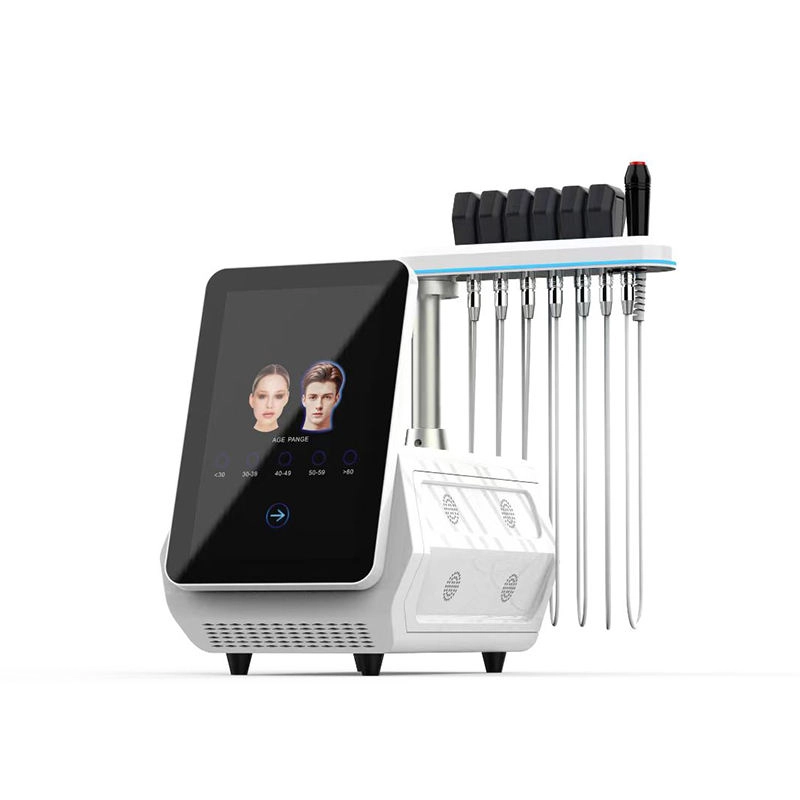
Calculate the landed cost of an ems face machine by adding the supplier price, export and international freight charges, insurance, customs duty, import taxes, brokerage, destination fees, and allocated compliance costs. HUIMAIN can support project discussions through OEM/ODM options and export documentation. Confirm the Incoterm, HS classification, destination rules, order quantity, and testing requirements before approving a commercial model. Final solutions depend on the specific project, testing, and site conditions.
How HUIMAIN Supports Projects
Guangzhou Huimain Technology Co., Ltd. develops and manufactures professional beauty machines and home-use devices from its 3,000-square-meter facility. Its purchasing, clinical testing, and engineering departments support product development, while OEM and ODM capability can help distributors assess configuration, packaging, labeling, and documentation requirements for a target market. The company profile identifies CE certification, SGS approval, and patents, but buyers should confirm which documents apply to the exact model and destination.
Before requesting a quotation, buyers should define the device configuration, electrical standard, packaging dimensions, shipping destination, intended use, order quantity, and required conformity documents. MOQ, lead time, testing scope, payment terms, Incoterm, and quotation validity must be confirmed for each project. HUIMAIN can then discuss suitable options, sample arrangements, export paperwork, and a cost structure that separates factory charges from destination-side expenses.
Discuss Your EMS Face Machine Import Plan
Provide the target country, delivery postcode, expected quantity, preferred Incoterm, required electrical specification, product configuration, packaging needs, and any local compliance or labeling requirements. These details allow discussion of suitable options, sample steps, freight assumptions, document preparation, and a preliminary landed-cost worksheet. Send your project brief to coco@huimainbeauty.com and review suitable sourcing options at www.huimainbeauty.com.
Frequently Asked Questions
How do I build a complete landed cost model for EMS imports?
Use a worksheet that separates origin, transport, border, and destination costs. Begin with the supplier invoice value for the exact configuration, then add export packing, inland pickup, documentation, international freight, and cargo insurance where applicable. Add customs duty, import VAT or sales tax, customs brokerage, port or terminal charges, delivery to your warehouse, inspection fees, and bank or currency-conversion costs. Divide the total by the number of sellable units, not merely the number shipped, if samples, spare parts, or non-saleable demonstration units are included. Keep one column for included charges and another for exclusions under the selected Incoterm. This prevents a low factory or freight quotation from being mistaken for the final unit cost. Use the same currency and clearly record the exchange rate date. A model should also show refundable taxes separately from permanent costs because accounting treatment differs by jurisdiction.
Which Incoterm gives the correct starting price for an EMS device?
No single Incoterm is universally best. The correct choice depends on the buyer’s freight capability, customs responsibility, and destination infrastructure. EXW may leave the buyer responsible for pickup, export handling, and origin processes that are difficult to estimate. FOB generally transfers responsibility after loading at the named port, but the buyer still needs to budget ocean or air freight, insurance, import clearance, duties, and inland delivery. CIF includes cost, insurance, and freight to the named port, but it does not normally include destination clearance, duty, tax, or final delivery. DAP may include transport to a named destination while leaving import clearance and taxes with the buyer. DDP can include more destination obligations, but its feasibility depends on the seller’s legal and tax position in the importing country. Compare quotations on an identical responsibility basis and request a written list of inclusions and exclusions.
How should customs value and import duty be estimated accurately?
Start by identifying the customs authority’s valuation method and the tariff classification for the exact product. An electrical facial beauty device may be classified differently depending on its principal function, technical design, accessories, and local tariff interpretation; never select an HS code only from a supplier’s informal suggestion. Customs value commonly begins with the transaction value, but jurisdictions can apply specific rules for assists, royalties, related-party transactions, packing, commissions, freight, insurance, or post-import adjustments. Duty is usually calculated from the applicable customs value multiplied by the tariff rate, although some schedules use specific or compound formulas. Obtain a written classification opinion or advance ruling where the shipment value and regulatory risk justify it. Keep the commercial invoice, packing list, transport document, payment evidence, product description, and technical specification consistent. A broker can help file the entry, but the importer remains responsible for reviewing the declaration and retaining supporting records.
Which hidden destination charges can distort beauty equipment margins?
Common omissions include destination terminal handling, documentation fees, customs brokerage, examination charges, demurrage, storage, delivery-order fees, port security charges, and final-mile delivery. Air shipments can add handling, screening, remote-area, and dimensional-weight surcharges. A carrier’s basic freight quote may also exclude residential or limited-access delivery, appointment fees, pallet handling, and fuel adjustments. For machines packed in cartons or wooden cases, confirm gross weight, dimensions, packing material, and whether the carrier applies volumetric weight. Ask the forwarder for an origin-to-warehouse quote with a stated validity period and a schedule of excluded charges. Model delays separately: storage and demurrage can arise when documents are incomplete, the consignee is unavailable, or customs selects the shipment for inspection. These costs should not be hidden inside a broad contingency percentage. Record each estimate by shipment, then allocate shared charges across units using a defensible method such as chargeable weight, carton count, or declared value.
Should VAT and sales tax enter landed cost calculations?
Include import VAT, GST, or sales tax in the cash required at clearance, but classify it separately from permanent landed cost. A registered business may recover import VAT through its tax return, subject to local rules and valid documentation; a non-registered buyer or a non-recoverable tax may need to treat it as a true cost. Customs duty is generally not recoverable in the same way and should normally remain in the acquisition-cost model. The tax base may include customs value, duty, freight, insurance, and other specified charges, so it cannot be estimated from the invoice alone. Domestic sales tax on a later customer sale is usually a transaction tax rather than an import cost, though local accounting rules differ. Build two views: a landed cash requirement including taxes payable at import, and a net economic cost after any recoverable tax. Confirm treatment with a licensed customs broker or tax adviser in the destination market.
How can samples and compliance testing change unit economics?
A sample shipment has a different cost structure from a production order. One unit may carry nearly the full freight, brokerage, and delivery expense, making its apparent landed unit cost unsuitable for a bulk-order forecast. Separate one-time costs from recurring costs: electrical safety or EMC testing, local registration, translation, labeling review, inspection, and consultant fees may apply to a model or market rather than every unit. Confirm whether the destination treats demonstration equipment, temporary imports, or returned samples differently for duty and tax. If accessories, adapters, manuals, or replacement parts are shipped separately, clarify whether they are included in the declared value and how they affect classification. For a realistic forecast, create sample, pilot, and production scenarios with different quantities, shipping modes, testing scope, and failure or rework allowances. Ask the manufacturer for a model-specific document pack and verify that the test reports and markings correspond to the exact hardware revision being imported.







Get more information
If you have any comments or good suggestions, please leave us a message; later our professional staff will contact you as soon as possible.
Let's Talk
Stay in touch with us for cutting-edge beauty solutions, professional guidance, and customized service.
Contact


Room 307, Building A, Huilong International E-commerce Industrial Park, No. 10 Xipengling Road, Helong Street, Baiyun District, Guangzhou, China
© 2026 HUIMAIN. All Rights Reserved. Designed by Gooeyun. Privacy Policy | Terms and Conditions | Sitemap
Facebook
Instagram
Medical beauty equipment factory
huimain Medical beauty equipment factory
beauty machine supplier
Whatsapp: +8619124004543