


- Why an Oxygen HydraFacial Machine Is a High-Interest Category
- Which Buyers Usually Need This Type of Machine
- Salon owners
- Clinic owners
- Distributors and importers
- OEM/ODM and private label buyers
- What Functions Actually Matter When Comparing Machines
- Aqua facial cleansing and exfoliation
- Oxygen infusion or spray function
- Vacuum or extraction performance
- Ease of use, interface, and treatment flow
- How to Judge Product Quality Beyond the Specification Sheet
- Handle durability and treatment consistency
- Pump stability and suction control
- Hygiene, maintenance, and replacement parts
- How to Choose Between a Standard Model and an OEM/ODM Project
- When a standard machine is the better choice
- When OEM/ODM makes more business sense
- What to clarify before branding customization starts
- How to Evaluate a Supplier or Aqua Glow Facial Machine Factory
- Manufacturing ability vs trading-only sourcing
- Training, documents, and service response
- Packaging, shipping, and after-sales reliability
- Pricing Logic: What Actually Affects Cost
- Machine configuration
- Branding and packaging
- Consumables, support, and long-term operating cost
- Common Buying Mistakes to Avoid
- The Best Questions to Ask Before You Request a Quote
- Final Buying Advice for Serious Buyers
- 8. Conclusion
- 9. FAQ Section
How to Choose the Right Oxygen HydraFacial Machine for Your Salon, Clinic, or Brand
An oxygen HydraFacial Machine is often considered by buyers who want to offer deep cleansing, hydration, extraction, and oxygen-based skin rejuvenation in one service platform. But for serious buyers, the real question is not simply which machine looks attractive in a catalog. The real question is which machine fits the business model, treatment menu, brand positioning, and sourcing strategy.
For some buyers, the priority is treatment versatility. For others, it is private label customization, stable quality, easy training, or after-sales support. And for distributors, the difference between a promising product and a difficult one often comes down to consumables, consistency, packaging, and how responsive the supplier is after shipment.
This guide is written for buyers who want to make a better decision before requesting a quotation, sample, or OEM proposal.
Why an Oxygen HydraFacial Machine Is a High-Interest Category
Buyers searching this category are often trying to solve a commercial problem. They may want to add a more visible skin treatment to a salon menu, create a more premium consultation experience, enter the hydra facial segment under a private label, or offer distributors a multifunction machine that is easier to market than a single-purpose device.
This is where the category becomes attractive. Compared with a basic facial unit, an oxygen HydraFacial Machine usually offers more treatment storytelling. Cleansing, hydration, extraction, oxygen delivery, and skin-refreshing treatment steps are easier to package into a premium service. That matters for business owners because the treatment is not just about technical function. It is also about how easily the service can be sold, repeated, upgraded, and branded.
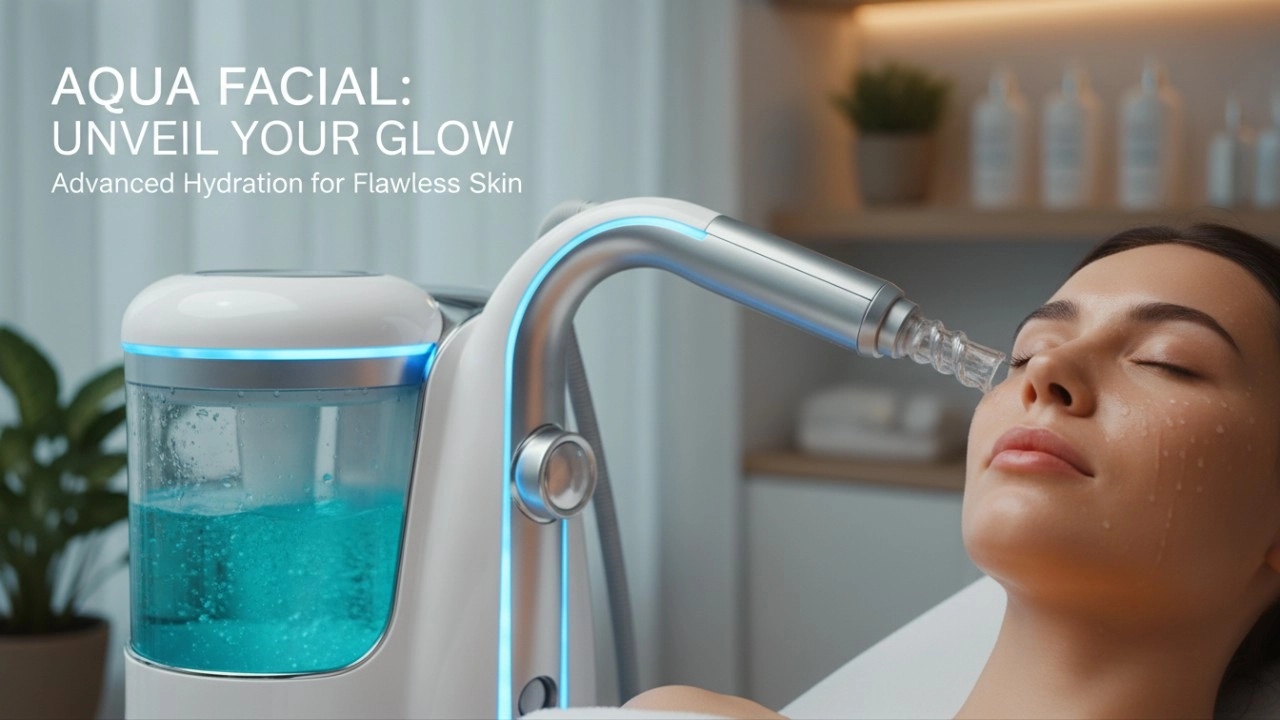
At the same time, many buyers who search for this category are also comparing an aqua facial machine. That is a practical comparison, because the two terms are often used in overlapping buying conversations. In commercial sourcing, the difference is less about buzzwords and more about treatment structure, included functions, and how the machine will be positioned in your market.
If your priority is business growth rather than simple equipment replacement, then the buying decision should start with service strategy, not machine appearance.
Which Buyers Usually Need This Type of Machine
Not every beauty business needs the same machine configuration, and that is exactly why buyer evaluation matters.
Salon owners
For salon owners, the machine should be easy to introduce, easy to train on, and easy to sell as a repeatable skincare service. A salon usually benefits most from a model that supports a clean treatment flow, stable user experience, and visible customer satisfaction without requiring overly complex protocols.
A salon owner should ask:
Will this machine help me create a treatment that clients understand quickly?
Can my team learn it efficiently?
Does it support upselling into treatment packages or skincare add-ons?
If the answer is yes, then the machine has real commercial value.
Clinic owners
Clinic buyers tend to think differently. They are more likely to care about treatment consistency, hygiene management, patient comfort, and how the machine fits alongside other facial services. They may also care more about documentation, consumable control, and whether the device supports a more professional consultation model.
For clinics, a machine is rarely purchased for novelty. It is purchased because it fills a treatment gap, improves workflow, or supports a non-invasive facial option that can be integrated into a broader skin program.
Distributors and importers
For distributors, the key question is not just whether the machine works. It is whether it can be resold successfully. That means the product must be understandable, attractive, supportable, and consistent from batch to batch. Packaging, spare parts, branding support, and training materials often matter just as much as the machine itself.
A distributor also needs to think ahead:
Will this product generate too many service questions?
Can local teams explain the functions clearly?
Will replacement parts and consumables be easy to manage?
Can the supplier support growth if orders scale?
OEM/ODM and private label buyers
For private label buyers, this category is especially interesting because it can be positioned as a premium yet accessible facial solution. If you are building your own brand, the machine should do more than carry a logo. It should align with your brand image, target client, and price strategy.
That is why OEM/ODM buyers should evaluate not only the physical product but also the supplier’s ability to support branding, packaging, manuals, interface language, accessory consistency, and long-term cooperation.
If you are comparing models for your own brand, it is often useful to request the specification sheet, consumable list, branding options, and packaging details at the same time rather than treating them as separate conversations. That approach makes quotation comparison far more meaningful.
What Functions Actually Matter When Comparing Machines
A common mistake in this market is assuming that more functions automatically mean more value. In reality, the best machine is the one with the most useful combination of functions for your business.
Aqua facial cleansing and exfoliation
This is one of the core reasons buyers enter the category. The cleansing and hydration part of an aqua facial machine often shapes how clients experience the treatment from the very first session. Buyers should look beyond the marketing wording and consider the practical questions:
Is the treatment flow comfortable and easy to repeat?
Can the operator adjust the process for different skin conditions?
Are the consumables easy to source and manage?
Does the function support a premium service experience or just basic utility?
If your market responds well to visible cleansing, smoother skin feel, and treatment comfort, then this function may be central to your service strategy.
Oxygen infusion or spray function
The oxygen component is often what helps the machine stand out in the sales conversation. But buyers should not stop at the headline feature. The real issue is whether the function contributes to the treatment experience in a way that supports your commercial positioning.
For example, if your clients value refreshing, non-invasive facial care with a modern treatment image, the oxygen function can strengthen perceived value. If you are a distributor, it can also make the machine easier to position in markets where buyers want a more advanced alternative to entry-level facial units.
Vacuum or extraction performance
This is another critical area that buyers often underestimate. Extraction-related performance affects treatment practicality, operator control, and user satisfaction. Poor stability here can create inconsistent treatment experiences and frustration for operators.
Buyers should consider:
Is suction adjustable?
Does the treatment feel controlled rather than harsh?
Is the function suitable for the service level you want to offer?
Will operators be comfortable using it repeatedly during a busy working day?
A machine that is difficult to control may look fine in a product photo but become a poor investment in actual business use.
Ease of use, interface, and treatment flow
This point matters more than many buyers expect. A machine can have attractive functions, but if the treatment sequence is awkward or the interface slows operators down, it reduces profitability.
Ease of use affects:
- staff training time
- treatment consistency
- service speed
- operator confidence
- customer experience
If you are comparing two similar machines, the one with better usability often becomes the better commercial choice over time.
How to Judge Product Quality Beyond the Specification Sheet
Specifications help, but they do not tell the whole story. Many buyers receive similar-looking quotations from multiple suppliers and assume the products are equal. That is rarely true.
Handle durability and treatment consistency
Handles are among the most important parts of daily operation. In real business use, they are repeatedly connected, cleaned, moved, and stored. The question is not only whether a handle works in a demo. The question is whether it keeps working consistently after frequent use.
Ask suppliers how the handles are tested, how easy they are to replace, and whether spare components are available. This is especially important for distributors and importers, because weak accessory quality can create repeated after-sales issues.
Pump stability and suction control
Internal performance stability matters because it affects the actual treatment result and user experience. Even when two machines list similar functions, the feeling during operation can be very different. Smooth flow, stable suction, and consistent treatment response matter far more than aggressive marketing language.
If possible, ask for a working video, function demonstration, or real treatment sequence rather than a basic product overview. That gives a more realistic sense of whether the machine is built for serious use.
Hygiene, maintenance, and replacement parts
Beauty equipment must also be easy to maintain. A machine that is hard to clean, difficult to service, or dependent on unclear consumable sourcing may create hidden cost over time.
Buyers should always ask:
- which parts are consumable
- how often replacement is usually needed
- what basic maintenance is expected
- whether spare parts are stocked
- how service issues are handled after shipment
These questions are especially important when comparing a supplier with a so-called aqua glow facial machine factory. A factory may offer attractive pricing, but the long-term value depends on how well they support product continuity after the sale.
How to Choose Between a Standard Model and an OEM/ODM Project
Not every buyer needs customization. In some cases, a standard model is the better choice. In others, OEM/ODM is the real opportunity.
When a standard machine is the better choice
If you want faster purchasing, lower setup complexity, and easier initial testing, a standard model often makes sense. This is common for salon buyers, first-time importers, and businesses that want to test market demand before investing in full branding.
A standard machine can be the right route when:
- speed matters more than brand exclusivity
- order quantity is still limited
- the priority is launching a treatment quickly
- the business wants to validate demand first
When OEM/ODM makes more business sense
OEM/ODM becomes more valuable when your goal is brand building, channel differentiation, or long-term product strategy. If you are a distributor, private label owner, or regional wholesaler, using a branded oxygen HydraFacial Machine can help you avoid direct price comparison with generic competitors.
Customization may include:
- logo placement
- shell design details
- screen or interface language
- packaging
- manuals
- accessory presentation
- marketing support alignment
The right supplier should be able to explain what level of OEM/ODM is realistic, what the MOQ expectations are, and which custom elements meaningfully improve your market position.
If brand development is part of your growth plan, it is worth discussing OEM/ODM early, before you finalize model selection. That helps you avoid choosing a machine that later limits your branding flexibility.
What to clarify before branding customization starts
Before moving into a private label project, buyers should clarify:
- what exactly can be customized
- whether the supplier has existing OEM/ODM experience
- what lead time changes with customization
- whether sample approval is available
- how packaging and manuals will be handled
- whether future repeat orders will remain consistent
This stage is where serious buyers separate good suppliers from simple quote providers.
How to Evaluate a Supplier or Aqua Glow Facial Machine Factory
Choosing a good machine is only half the decision. The other half is choosing the right supply partner.
Manufacturing ability vs trading-only sourcing
There is nothing inherently wrong with a trading company if service is strong and product management is reliable. But buyers should understand who controls the production process, who manages quality, and who will support future orders.
When evaluating a supplier, ask practical questions:
Do they clearly understand the machine?
Can they explain differences between models?
Do they provide detailed answers about components, customization, and service?
Can they support documentation and repeat production?
A capable supplier should not sound vague when discussing product details.
Training, documents, and service response
For salons and clinics, training support affects how quickly the machine becomes profitable. For distributors, it affects how confidently the product can be resold. Buyers should check whether the supplier can provide operator guidance, troubleshooting support, and usable product materials.
Good support often includes:
- operation guidance
- clear treatment logic
- after-sales response
- spare part coordination
- basic marketing support for resellers
This is one of the most overlooked parts of supplier evaluation. A lower quote is less attractive if support becomes slow or unclear after payment.
Packaging, shipping, and after-sales reliability
For export buyers, shipping protection and after-sales response are not small details. They directly affect landed risk. A machine that arrives with damage, missing accessories, or unclear setup instructions can create immediate cost and customer frustration.
A supplier worth considering should be able to explain:
- packing method
- shipping preparation
- included accessories
- warranty scope
- common troubleshooting response
- replacement part process
If you are comparing multiple quotations, this is a good point to request a full package breakdown rather than comparing only unit price.
Pricing Logic: What Actually Affects Cost
Many buyers ask for the cheapest quote too early. That usually leads to weak comparison.
The more useful question is: what exactly is included, and what is the long-term cost of ownership?
Machine configuration
Price is influenced by function combination, internal configuration, accessories, and how the machine is positioned. Two machines may both be described as an oxygen HydraFacial Machine, but their actual value can differ based on treatment design, component quality, and included features.
Branding and packaging
OEM/ODM work increases complexity, but it may also increase commercial value if the branded result helps you sell more effectively or build price protection in your market.
Consumables, support, and long-term operating cost
The cheapest machine is not always the most profitable machine. Ongoing value depends on:
- consumable availability
- service reliability
- training efficiency
- repeat treatment usability
- replacement part access
- support quality
For serious buyers, quotation comparison should always include both purchase cost and operating reality.
Common Buying Mistakes to Avoid
One common mistake is buying based on appearance alone. A beautiful machine can still create service problems if the workflow is awkward or the support is weak.
Another mistake is ignoring the business model. A salon, a clinic, and a distributor do not evaluate the machine the same way. The best machine for one buyer may be the wrong one for another.
A third mistake is asking for price before defining needs. Without knowing your target market, required functions, branding goals, and service expectations, price comparison becomes misleading.
Another risk is treating OEM/ODM as just logo printing. Real customization should strengthen market positioning, not just add a name to the shell.
Finally, many buyers fail to ask enough about after-sales support. In practice, this is often where the real difference between suppliers appears.
The Best Questions to Ask Before You Request a Quote
Before requesting pricing, it helps to prepare a short decision checklist.
Ask yourself:
- Who is my target customer?
- Am I buying for direct treatment use, resale, or private label?
- Which functions are essential and which are optional?
- Do I need standard stock or OEM/ODM support?
- What level of after-sales response do I require?
- How important are consumables, manuals, and training?
Then ask the supplier:
- Which model best fits my business type?
- What functions are included?
- What consumables or replacement parts will I need?
- What branding options are available?
- What is the lead time for standard vs OEM orders?
- What support is offered after shipment?
- Can you provide packaging and accessory details together with the quotation?
These questions usually lead to better conversations and better supplier filtering.
Final Buying Advice for Serious Buyers
The best oxygen HydraFacial Machine is not simply the one with the most functions or the lowest price. It is the one that aligns with your business model, service positioning, and supply strategy.
If you run a salon, look for treatment simplicity, operator usability, and repeatable client appeal. If you run a clinic, focus on consistency, hygiene, and integration into a more professional treatment offering. If you are a distributor or private label buyer, prioritize supplier stability, branding flexibility, and long-term support.
Many buyers also benefit from comparing a standard aqua facial machine option against a more brand-ready oxygen-focused model before making a final decision. That comparison often reveals whether the real priority is treatment function, sales presentation, or brand differentiation.
And if your business is planning to grow through OEM/ODM, it is wise to ask for model details, branding possibilities, and catalog-level information early in the process. That makes it much easier to compare suppliers on real business value rather than on surface-level pricing alone.
8. Conclusion
Choosing an oxygen HydraFacial Machine should be a strategic buying decision, not a catalog shortcut. The strongest buyers look beyond appearance and headline functions. They evaluate how the machine fits their clients, their treatment menu, their resale plan, and their long-term brand goals.
For salons and clinics, the right machine can improve service structure and support more premium facial offerings. For distributors and OEM/ODM buyers, it can become a commercially valuable product category with strong branding potential. The key is to compare machines through the lens of usability, consistency, supplier reliability, customization options, and after-sales support.
A careful sourcing process usually leads to better results than a fast one. If you are narrowing down options, reviewing full specifications, consumables, OEM details, and packaging information together will usually give you a much clearer basis for decision-making than price alone.
9. FAQ Section
What is the difference between an oxygen HydraFacial Machine and a standard aqua facial machine?
A standard aqua facial machine usually focuses on cleansing, exfoliation, hydration, and extraction-related treatment steps. An oxygen HydraFacial Machine typically adds oxygen-based treatment value or a more premium facial positioning. For buyers, the real difference is not just naming, but how the machine fits service design, treatment experience, and market positioning.
Is an oxygen HydraFacial Machine suitable for salons as well as clinics?
Yes, but the buying criteria are different. Salons often prioritize treatment appeal, easy operation, and repeat customer demand. Clinics may care more about treatment consistency, hygiene control, and integration into a broader facial program.
When does OEM/ODM make sense for this type of machine?
OEM/ODM makes sense when you want to build your own brand, reduce direct price competition, or create stronger channel differentiation. It is especially relevant for distributors, wholesalers, importers, and private label buyers.
What should I ask before requesting a quotation?
Ask about included functions, consumables, replacement parts, branding options, training support, packaging, warranty scope, and lead time. A useful quotation should help you compare long-term value, not just initial price.
How do I compare one aqua glow facial machine factory with another supplier?
Compare more than price. Look at product understanding, communication quality, OEM/ODM capability, packaging reliability, document support, spare parts response, and whether the supplier can clearly explain the model’s commercial fit.
What affects the price of an oxygen HydraFacial Machine?
Price is usually influenced by machine configuration, included functions, internal component level, branding requirements, packaging, documentation, and after-sales support. Lower price does not always mean better value.
Is it better to start with a standard machine or a private label project?
That depends on your business stage. If you want fast testing and lower complexity, a standard machine is often the better first step. If your goal is brand development and long-term channel growth, private label may be the better strategy.
HMC1S
Q2: Can the Pelvic Floor Chair be used for post-partum recovery?
A2: Yes, the chair is ideal for strengthening pelvic muscles after childbirth, aiding in faster recovery.
HI45P
Who can use this device?
The machine is suitable for professional use in beauty salons, spas, and medical aesthetic clinics.
Magnetic Facial Lifting Machine2
How long is a typical treatment session?
Each session is designed to be short and efficient, lasting only 20 minutes to provide clear facial contours.
3-in-1 Spiral RF & Gold Microneedle Anti-Aging Hifu Machine
Is this machine similar to a traditional Hifu machine?
Yes, it delivers deep heating effects comparable to Hifu by tightening the SMAS and dermal layers, but with added technologies like Spiral RF and microneedling.
OL-153
What makes OL-153 different from other facial machines?
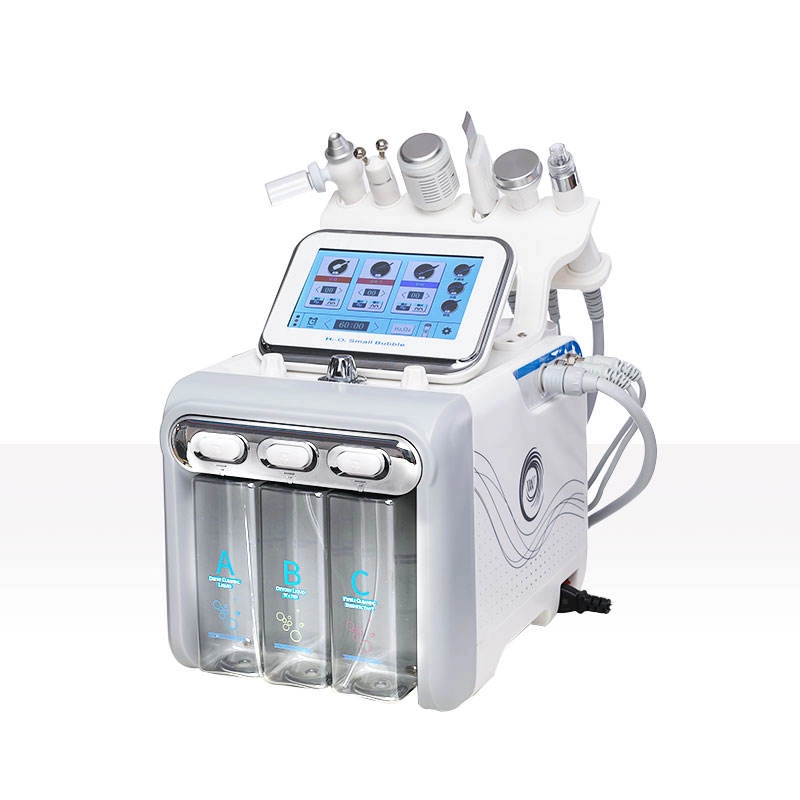
It combines Hydro Dermabrasion + Oxygen Spray + Water Oxygen Therapy in one system, delivering visible results and improved efficiency for salons and spas.

Get more information
If you have any comments or good suggestions, please leave us a message; later our professional staff will contact you as soon as possible.
Let's Talk
Stay in touch with us for cutting-edge beauty solutions, professional guidance, and customized service.
Contact


Room 307, Building A, Huilong International E-commerce Industrial Park, No. 10 Xipengling Road, Helong Street, Baiyun District, Guangzhou, China
© 2025 HUIMAIN. All Rights Reserved. Privacy Policy | Terms and Conditions | Sitemap
Facebook
Instagram
Medical beauty equipment factory
huimain Medical beauty equipment factory
beauty machine supplier
Whatsapp: +8619124004543