


- Pregnancy-Safe Beauty Treatments: What You Need to Know
- 1. Are beauty machines safe during pregnancy?
- 2. Which beauty treatments should be avoided during pregnancy?
- 3. What skincare ingredients should be avoided during pregnancy?
- 4. Which beauty treatments are considered safe during pregnancy?
- 5. How can I adjust my beauty routine during pregnancy?
- 6. Are there any risks associated with beauty treatments during pregnancy?
- 7. How can I ensure the safety of beauty treatments during pregnancy?
- 8. What are the benefits of maintaining a beauty routine during pregnancy?
Are beauty machines safe during pregnancy?
Pregnancy brings about numerous changes in a woman's body, including alterations in skin health. Many expectant mothers wonder which beauty treatments are safe to continue during this period. This guide addresses common questions and provides insights into safe beauty practices during pregnancy.
Pregnancy-Safe Beauty Treatments: What You Need to Know
1. Are beauty machines safe during pregnancy?
The safety of beauty machines during pregnancy varies depending on the type of treatment. Procedures involving high-frequency currents, lasers, or intense heat are generally not recommended due to potential risks to both mother and baby. It's essential to consult with a healthcare provider before undergoing any beauty treatments during pregnancy.
2. Which beauty treatments should be avoided during pregnancy?
Certain beauty treatments are advised against during pregnancy, including:
Chemical Peels: These treatments often contain salicylic and lactic acids, which may not be safe during pregnancy.
Laser Hair Removal: The effects of laser treatments on a developing fetus are not well-studied, making them a treatment to avoid during pregnancy.
Botox and Dermal Fillers: Due to a lack of research and potential risks, these injectables are generally not recommended during pregnancy.
Tanning Beds: Exposure to UV radiation from tanning beds is not recommended during pregnancy due to potential risks to the developing baby.
3. What skincare ingredients should be avoided during pregnancy?
Certain skincare ingredients can be absorbed through the skin and may pose risks during pregnancy. It's advisable to avoid products containing:
Retinoids: Linked to birth defects, these should be avoided during pregnancy.
Salicylic Acid: High doses may be harmful; consult with a healthcare provider before use.
Hydroquinone: Due to its high absorption rate, it's recommended to avoid this ingredient during pregnancy.
Benzoyl Peroxide: Consult with a healthcare provider before using products containing this ingredient during pregnancy.
4. Which beauty treatments are considered safe during pregnancy?
While some treatments are best avoided, others are generally considered safe during pregnancy, including:
Facials: Gentle facials using pregnancy-safe, fragrance-free products can be beneficial.
Manicures and Pedicures: Opt for well-ventilated salons and use non-toxic nail products.
Haircuts and Coloring: While hair coloring is generally safe, it's advisable to wait until after the first trimester and ensure proper ventilation.
Self-Tanning Products: Topical tanning creams are considered safe, but avoid ingesting or inhaling tanning products.
5. How can I adjust my beauty routine during pregnancy?
Adapting your beauty routine to accommodate pregnancy-related changes is essential. Consider the following:
Hydration: Use moisturizers containing hyaluronic acid to combat dry skin.
Sun Protection: Apply mineral-based sunscreens regularly to protect against hyperpigmentation.
Gentle Products: Choose fragrance-free and gentle skincare products to minimize irritation.
Consult Professionals: Always inform your esthetician or dermatologist about your pregnancy to ensure treatments are safe.
6. Are there any risks associated with beauty treatments during pregnancy?
Yes, certain beauty treatments can pose risks during pregnancy, including:
Chemical Exposure: Some treatments may expose you to chemicals that can be absorbed through the skin.
Infection Risk: Procedures that break the skin can increase the risk of infection.
Hormonal Sensitivity: Pregnancy can make your skin more sensitive, leading to adverse reactions.
7. How can I ensure the safety of beauty treatments during pregnancy?
To ensure safety:
Consult Healthcare Providers: Always discuss any beauty treatments with your doctor or obstetrician.
Choose Reputable Professionals: Select experienced practitioners who are knowledgeable about pregnancy-safe treatments.
Inform Your Esthetician: Always disclose your pregnancy to your esthetician to tailor treatments appropriately.
8. What are the benefits of maintaining a beauty routine during pregnancy?
Maintaining a beauty routine during pregnancy can:
Boost Confidence: Helps you feel good about your appearance during bodily changes.
Manage Skin Changes: Addresses issues like acne, melasma, and dryness.
Promote Relaxation: Certain treatments can provide stress relief and relaxation.
In conclusion, while many beauty treatments are safe during pregnancy, it's crucial to be informed and cautious. Always consult with healthcare professionals and choose treatments that prioritize the health and safety of both mother and baby.
HUIMAIN offers a range of pregnancy-safe beauty products and treatments, ensuring quality and safety for expectant mothers. Our products are formulated with gentle, effective ingredients suitable for all skin types during pregnancy. Trust HUIMAIN to support your beauty needs throughout this special time.
References:
X5 pro
Is the X5 Pro AI Skin Image Analyzer easy to operate?
Yes. The system features an intuitive touchscreen interface and user-friendly AI software.
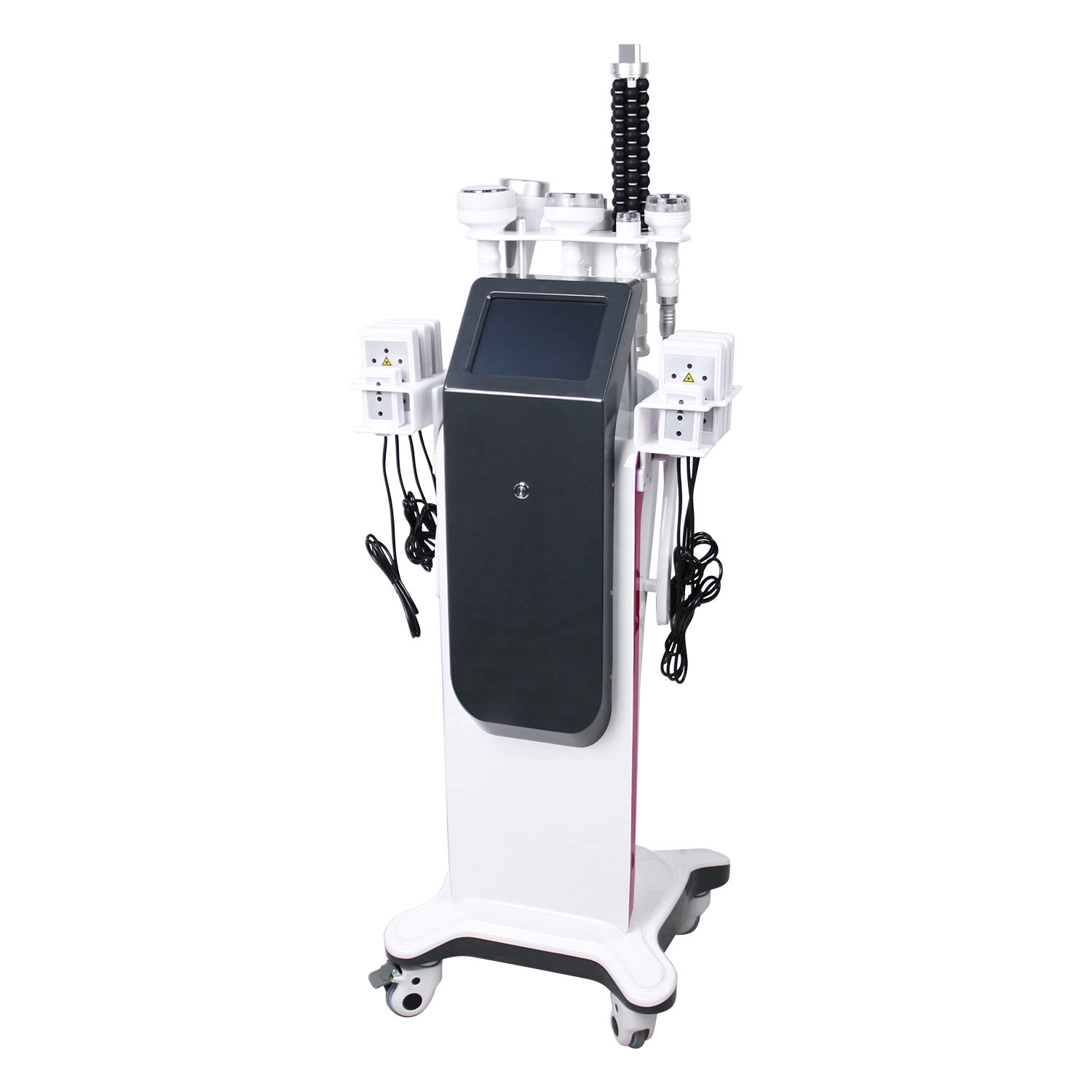
9 in 1 Cavitation Vacuum Machine
Is the cavitation treatment safe?
Yes. Cavitation is non-invasive, painless, and safe for professional salon use.
OL-164
Is the hydro facial machine suitable for sensitive skin?
Yes, the OL-164 uses a gentle water and oxygen system that suits even sensitive skin types.
10-in-1 cavitation vacuum machine
How soon can users see results?
Many clients notice changes after 1–3 sessions, with optimal results after 6–12 treatments.
About Support Service
Can I customize my logo or packaging?
Yes, we support OEM/ODM customization. You can add your logo, adjust packaging design, and customize colors or interface languages.


Get more information
If you have any comments or good suggestions, please leave us a message; later our professional staff will contact you as soon as possible.
Let's Talk
Stay in touch with us for cutting-edge beauty solutions, professional guidance, and customized service.
Contact


Room 307, Building A, Huilong International E-commerce Industrial Park, No. 10 Xipengling Road, Helong Street, Baiyun District, Guangzhou, China
© 2025 HUIMAIN. All Rights Reserved. Privacy Policy | Terms and Conditions | Sitemap
Facebook
Instagram
Medical beauty equipment factory
huimain Medical beauty equipment factory
beauty machine supplier
Whatsapp: +8619124004543