


- Comprehensive Guide to Professional Laser Hair Removal Machines and Patch Testing
- 1. What are the different types of professional laser hair removal machines available?
- 2. How do I choose the right laser hair removal machine for my clinic?
- 3. What are some top-rated professional laser hair removal machines?
- 4. What is a patch test, and why is it important before using a professional laser hair removal machine?
- 5. How do I perform a patch test with a professional laser hair removal machine?
- 6. What are the potential side effects of laser hair removal, and how can they be minimized?
- 7. How can I ensure the longevity and reliability of my laser hair removal machine?
- 8. What are the costs associated with purchasing and operating a professional laser hair removal machine?
- Conclusion: Why Choose HUIMAIN for Your Laser Hair Removal Equipment?
How to perform a patch test with a professional laser?
Comprehensive Guide to Professional Laser Hair Removal Machines and Patch Testing
When considering the acquisition of a professional laser hair removal machine, it's crucial to address several key questions to ensure the equipment meets your clinic's needs and provides safe, effective treatments for your clients. Below are some of the most frequently asked questions, along with detailed answers to guide your decision-making process.
1. What are the different types of professional laser hair removal machines available?
Professional laser hair removal machines primarily utilize various laser technologies, each suited to specific skin types and hair colors:
Diode Lasers (810 nm): Effective for light to medium skin tones and various hair types.
Alexandrite Lasers (755 nm): Ideal for lighter skin tones with fine to coarse hair.
Nd:YAG Lasers (1064 nm): Suitable for darker skin tones due to deeper skin penetration.
Ruby Lasers (695 nm): Best for light or fine hair but not recommended for dark or tanned skin.
Each type offers unique benefits, and the choice depends on your clientele's specific needs.
2. How do I choose the right laser hair removal machine for my clinic?
Selecting the appropriate machine involves considering several factors:
Client Demographics: Assess the skin tones and hair types of your target clientele to choose a machine that effectively addresses their needs.
Safety Features: Ensure the machine has advanced cooling systems to minimize discomfort and protect the skin during treatments.
FDA Approval and Certifications: Verify that the equipment complies with health regulations and holds necessary certifications, instilling confidence in your clients.
Budget Considerations: Evaluate the initial investment, maintenance costs, and potential return on investment based on expected treatment volumes.
Conducting thorough research and possibly consulting with industry experts can aid in making an informed decision.
3. What are some top-rated professional laser hair removal machines?
Here are some highly regarded machines in the industry:
Candela GentleMax Pro: Combines 755 nm Alexandrite and 1064 nm Nd:YAG lasers, offering versatility across various skin types and hair characteristics. ((https://www.huimainbeauty.com/top-5-professional-laser-hair-removal-machines/))
Lumenis LightSheer Duet: Features high-speed vacuum-assisted technology, reducing treatment time and enhancing comfort, particularly effective for larger areas.
Alma Soprano ICE Platinum: Utilizes SHR technology for gradual heating of hair follicles, reducing the risk of injury to surrounding tissues, and is effective on all skin types.
Syneron Candela elōs Plus: Combines intense pulsed light (IPL) and radio frequency (RF) technology for safe, comfortable, and effective hair removal, suitable for a wide range of areas.
4. What is a patch test, and why is it important before using a professional laser hair removal machine?
A patch test involves applying the laser to a small, discreet area of the skin to assess the client's reaction. This step is crucial for several reasons:
Safety Assessment: Identifies any adverse reactions or sensitivities to the laser treatment.
Efficacy Evaluation: Determines the optimal settings for the client's skin and hair type, ensuring effective results.
Client Comfort: Helps in adjusting treatment parameters to minimize discomfort during the full procedure.
Conducting a patch test is a standard practice to ensure the safety and effectiveness of laser hair removal treatments.
5. How do I perform a patch test with a professional laser hair removal machine?
To perform a patch test:
Select a Small Area: Choose a discreet area on the client's body, such as the inner forearm.
Cleanse the Skin: Ensure the area is clean and free from lotions or oils.
Adjust Machine Settings: Set the laser to conservative parameters based on the client's skin type and hair color.
Conduct the Test: Apply the laser to the selected area, following the manufacturer's guidelines.
Monitor the Reaction: Observe the area for any adverse reactions over the next 24-48 hours.
If no adverse reactions occur, proceed with the full treatment, adjusting settings as necessary based on the patch test results.
6. What are the potential side effects of laser hair removal, and how can they be minimized?
Potential side effects include:
Redness and Swelling: Temporary irritation of the treated area.
Pigment Changes: Lightening or darkening of the skin, especially in individuals with darker skin tones.
Blistering or Scarring: Rare but possible, particularly with improper settings or technique.
To minimize these risks:
Conduct Thorough Assessments: Evaluate the client's medical history and skin type.
Perform Patch Tests: As previously discussed, to identify any adverse reactions.
Follow Manufacturer Guidelines: Adhere to the recommended settings and protocols for the specific machine.
Ensure Proper Training: Operators should be well-trained and experienced in using the equipment.
By taking these precautions, the likelihood of adverse effects can be significantly reduced.
7. How can I ensure the longevity and reliability of my laser hair removal machine?
To maintain your equipment:
Regular Maintenance: Schedule routine servicing as per the manufacturer's recommendations.
Keep Records: Document all maintenance activities and any issues encountered.
Train Staff Properly: Ensure all operators are trained in the correct use and care of the equipment.
Monitor Performance: Regularly assess the machine's performance to identify any decline in efficacy.
Proper care and maintenance will extend the machine's lifespan and ensure consistent, reliable performance.
8. What are the costs associated with purchasing and operating a professional laser hair removal machine?
Costs can vary widely based on the machine's brand, features, and capabilities:
Initial Purchase Price: Ranges from $3,000 to over $100,000, depending on the machine's sophistication and brand.
Maintenance Costs: Include servicing, replacement parts, and consumables.
Training Expenses: Costs for staff training and certification.
Operational Costs: Electricity, consumables, and other overheads.
It's essential to conduct a comprehensive cost analysis to ensure the investment aligns with your clinic's budget and expected return on investment.
Conclusion: Why Choose HUIMAIN for Your Laser Hair Removal Equipment?
HUIMAIN offers a range of professional laser hair removal machines that combine advanced technology with user-friendly features. Our equipment is designed to provide safe, effective, and comfortable treatments for a diverse clientele. With a focus on quality, reliability, and customer support, HUIMAIN is a trusted partner for clinics seeking to enhance their hair removal services.
By addressing these key questions and considerations, you can make an informed decision when selecting a professional laser hair removal machine, ensuring optimal outcomes for your clients and the success of your clinic.


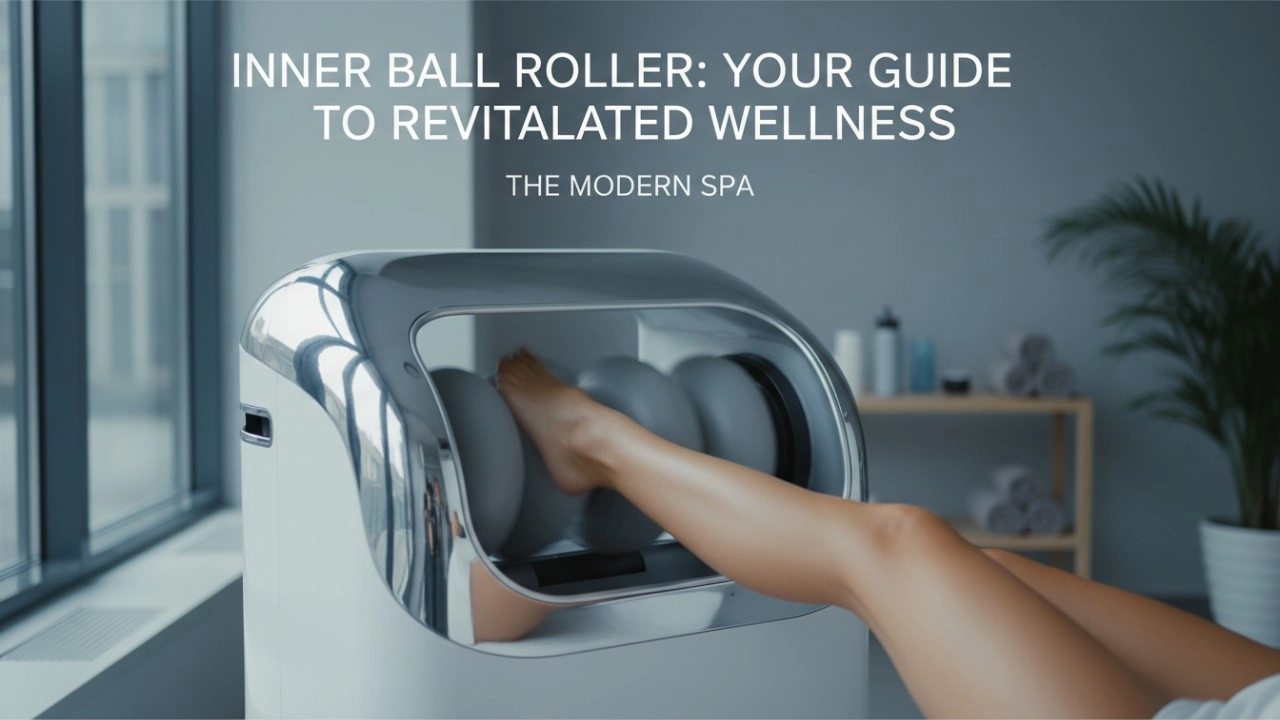
Portable EMS Magnetic Ring
Is it safe for daily use?
Yes, it is completely non-invasive and uses clinically tested EMS magnetic technology for safe operation.
3-in-1 HIFU
How many sessions are needed?
Results can be seen after 1 session, with best results after 1–3 sessions depending on the condition.
Frequently Asked Questions About EMS Sculpting Technology
How deep can HI-EMT energy penetrate muscle tissue?
The focused electromagnetic field generated by professional devices can penetrate up to approximately 7 cm (nearly 3 inches) into the human body. This depth is sufficient to safely pass through the epidermis, dermis, and subcutaneous fat layers to fully engage and stimulate the deep skeletal muscle belly underneath.
HMT 22
How many sessions are needed for visible results?
Most clients see noticeable results after 4–6 sessions, depending on their body condition and treatment goals.
About Support Service
What’s your warranty policy?
We offer 12 months warranty depending on the machine type. Spare parts and technical support are available after the warranty period.

Get more information
If you have any comments or good suggestions, please leave us a message; later our professional staff will contact you as soon as possible.
Let's Talk
Stay in touch with us for cutting-edge beauty solutions, professional guidance, and customized service.
Contact


Room 307, Building A, Huilong International E-commerce Industrial Park, No. 10 Xipengling Road, Helong Street, Baiyun District, Guangzhou, China
© 2025 HUIMAIN. All Rights Reserved. Privacy Policy | Terms and Conditions | Sitemap
Facebook
Instagram
Medical beauty equipment factory
huimain Medical beauty equipment factory
beauty machine supplier
Whatsapp: +8619124004543