


- Understanding the Beauty Machine Industry: Essential Considerations for Informed Purchases
- 1. What Types of Beauty Machines Are Available, and Which Are Suitable for My Business?
- 2. How Do I Evaluate the Quality and Reliability of a Beauty Machine?
- 3. What Are the Total Costs Involved in Purchasing and Operating a Beauty Machine?
- 4. How Can I Verify the Authenticity of Product Photos and Demo Videos from Manufacturers?
- 5. What Are the Potential Risks and How Can I Mitigate Them?
- 6. How Do I Ensure Effective Training and Support for My Staff?
- 7. How Do I Assess the Return on Investment (ROI) for a Beauty Machine?
- 8. What Are the Latest Trends and Innovations in Beauty Machines?
- Conclusion: Why Choose HUIMAIN for Your Beauty Equipment Needs?
How to verify real product photos and demo videos from manufacturers?
Understanding the Beauty Machine Industry: Essential Considerations for Informed Purchases
Purchasing beauty machines is a significant investment for any salon or spa. To ensure you make informed decisions, consider the following key factors:
1. What Types of Beauty Machines Are Available, and Which Are Suitable for My Business?
Beauty machines vary widely in function and application. Common categories include:
Medical/Clinical Lasers (CO2, YAG): Used for skin resurfacing, scar removal, and tattoo removal. Typically priced between $10,000 and $200,000.
Intense Pulsed Light (IPL): Employed for hair removal, pigmentation, and vascular lesions, with prices ranging from $2,000 to $40,000.
Radio Frequency (RF) & Microneedling RF: Aimed at skin tightening and wrinkle reduction, priced between $1,000 and $60,000.
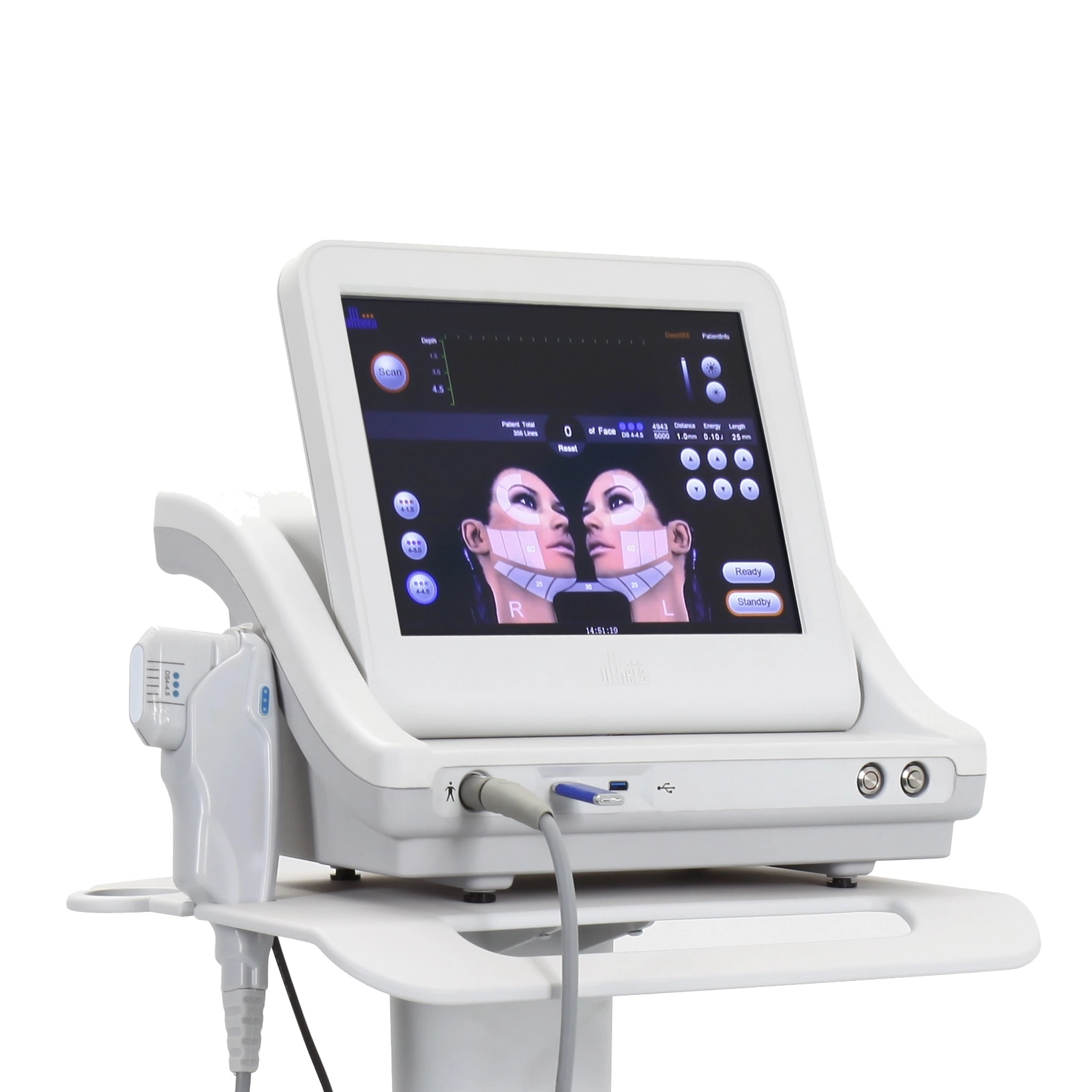
High-Intensity Focused Ultrasound (HIFU): Utilized for non-surgical lifting and tightening, with costs ranging from $5,000 to $60,000.
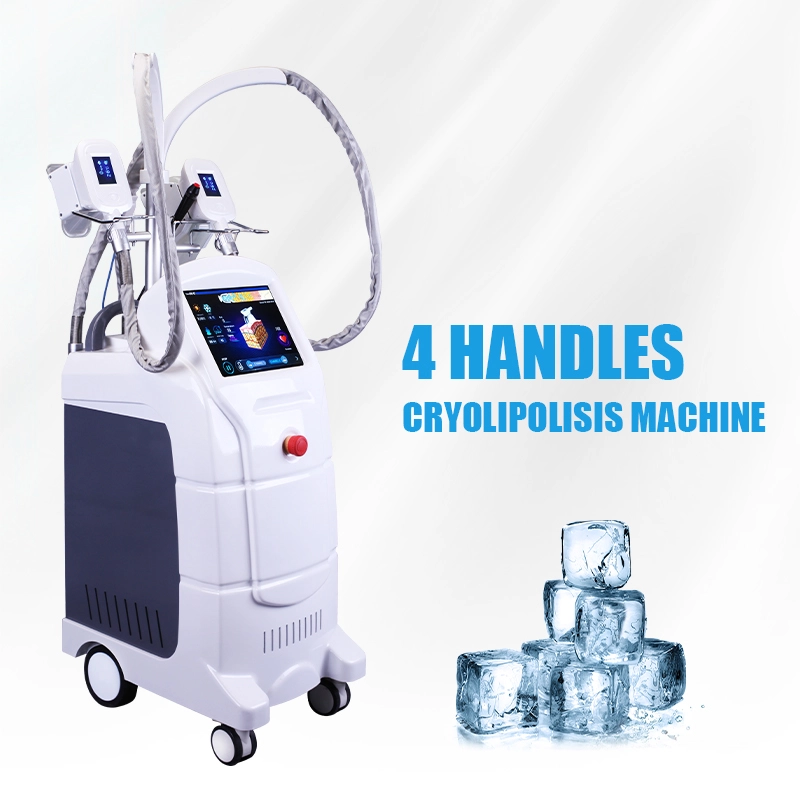
Cryolipolysis (Fat Freezing): Designed for fat reduction, priced between $8,000 and $60,000.
Microdermabrasion & Hydrafacial-Style Devices: Used for exfoliation and deep cleansing, with prices ranging from $800 to $20,000.
Home-Use Beauty Devices (Laser/IPL, RF): Intended for personal use, priced between $50 and $800.
Understanding these categories helps align the technology with your business model and customer needs. ((https://www.huimainbeauty.com/b2b-buyers-guide-beauty-machines-huimain/))
2. How Do I Evaluate the Quality and Reliability of a Beauty Machine?
When assessing a beauty machine, consider the following aspects:
Technical Specifications: Review the machine's features, performance metrics, and compatibility with your services.
Certifications and Compliance: Ensure the machine meets industry standards and holds necessary certifications, such as CE marking for the EU or FDA clearance for the U.S.
Warranty and After-Sales Support: Check the warranty period and the availability of customer support, including training and spare parts.
Supplier Reputation: Research the manufacturer's history, customer reviews, and case studies to gauge reliability.
A comprehensive evaluation of these factors ensures the machine's quality and suitability for your business.
3. What Are the Total Costs Involved in Purchasing and Operating a Beauty Machine?
Consider both initial and ongoing expenses:
Initial Investment: The upfront cost of the machine, including shipping and installation.
Consumables: Ongoing costs for items like gels, creams, or replacement parts.
Maintenance and Repairs: Budget for regular maintenance and potential repairs to ensure optimal performance.
Training: Costs associated with training staff to operate the machine effectively.
Understanding these expenses helps in budgeting and assessing the machine's return on investment.
4. How Can I Verify the Authenticity of Product Photos and Demo Videos from Manufacturers?
To ensure the authenticity of promotional materials:
Request Live Demonstrations: Ask for a live demo or video call to see the machine in action.
Seek Third-Party Reviews: Look for independent reviews or testimonials from other users.
Verify Certifications: Confirm that the machine holds the necessary certifications and complies with industry standards.
These steps help ensure the machine's authenticity and reliability.
5. What Are the Potential Risks and How Can I Mitigate Them?
Potential risks include:
Equipment Malfunctions: Regular maintenance and choosing reputable suppliers can reduce this risk.
Regulatory Compliance Issues: Ensure the machine complies with local regulations to avoid legal issues.
Financial Risks: Conduct a thorough cost-benefit analysis to ensure the investment is financially viable.
Mitigating these risks involves careful planning, due diligence, and ongoing monitoring.
6. How Do I Ensure Effective Training and Support for My Staff?
To provide effective training:
Comprehensive Training Programs: Ensure the supplier offers detailed training on machine operation and safety protocols.
Ongoing Support: Confirm the availability of customer support for troubleshooting and guidance.
Documentation: Obtain user manuals and operational guides for reference.
Effective training and support are crucial for maximizing the machine's potential and ensuring staff proficiency.
7. How Do I Assess the Return on Investment (ROI) for a Beauty Machine?
To evaluate ROI:
Revenue Projections: Estimate the additional income generated by offering new services enabled by the machine.
Cost Analysis: Compare the total costs of ownership with the projected revenue to determine profitability.
Payback Period: Calculate the time it will take to recoup the initial investment through increased revenue.
A thorough ROI assessment ensures the investment aligns with your business goals and financial expectations.
8. What Are the Latest Trends and Innovations in Beauty Machines?
Staying updated with industry trends is essential:
Technological Advancements: Monitor new technologies that enhance treatment efficacy and client satisfaction.
Consumer Preferences: Understand evolving client demands to offer relevant services.
Regulatory Changes: Stay informed about regulations affecting equipment standards and usage.
Keeping abreast of these factors helps maintain a competitive edge in the beauty industry.
Conclusion: Why Choose HUIMAIN for Your Beauty Equipment Needs?
HUIMAIN stands out as a reliable partner in the beauty equipment industry. With a strong emphasis on quality control, international certifications, and comprehensive after-sales support, HUIMAIN ensures that your investment in beauty machines is both secure and profitable. Their commitment to innovation and customer satisfaction makes them a preferred choice for beauty professionals worldwide.
By considering these factors and partnering with reputable suppliers like HUIMAIN, you can make informed decisions that enhance your business operations and client satisfaction.

HMR-2 立式磁力环
What types of pain can this machine help relieve?
It is suitable for muscle pain, joint discomfort, sports injuries, chronic body pain, and post-injury recovery.
OL-164
Is the hydro facial machine suitable for sensitive skin?
Yes, the OL-164 uses a gentle water and oxygen system that suits even sensitive skin types.
EC-05
Can it be used on all body areas?
Yes, it’s suitable for abdomen, arms, thighs, waist, and buttocks.
L10先锋点阵
What is the downtime after treatment?
Downtime varies by treatment intensity but is generally shorter than traditional CO2 laser treatments.
2-in-1 Diode Laser
Can this machine remove tattoos of all colors?
The picosecond laser effectively removes black, blue, and dark-colored tattoos. Light-colored tattoos may require more sessions.



Get more information
If you have any comments or good suggestions, please leave us a message; later our professional staff will contact you as soon as possible.
Let's Talk
Stay in touch with us for cutting-edge beauty solutions, professional guidance, and customized service.
Contact


Room 307, Building A, Huilong International E-commerce Industrial Park, No. 10 Xipengling Road, Helong Street, Baiyun District, Guangzhou, China
© 2025 HUIMAIN. All Rights Reserved. Privacy Policy | Terms and Conditions | Sitemap
Facebook
Instagram
Medical beauty equipment factory
huimain Medical beauty equipment factory
beauty machine supplier
Whatsapp: +8619124004543