


- Comprehensive Guide to Purchasing and Testing Tattoo Removal Machines
- 1. What are the different types of tattoo removal machines available?
- 2. How much do tattoo removal machines cost?
- 3. What factors should be considered when selecting a tattoo removal machine?
- 4. How can I test a tattoo removal machine before purchasing?
- 5. What are the maintenance requirements for tattoo removal machines?
- 6. Are there any risks or side effects associated with tattoo removal?
- 7. How long does the tattoo removal process take?
- 8. How can I ensure the safety and efficacy of a tattoo removal machine?
How to test demo a tattoo removal machine before purchasing?
When considering the purchase of a tattoo removal machine, it's crucial to address several key questions to ensure you make an informed decision. Below are some of the most common inquiries and their corresponding answers:
Comprehensive Guide to Purchasing and Testing Tattoo Removal Machines
1. What are the different types of tattoo removal machines available?
Tattoo removal machines primarily utilize laser technology, with the most common types being:
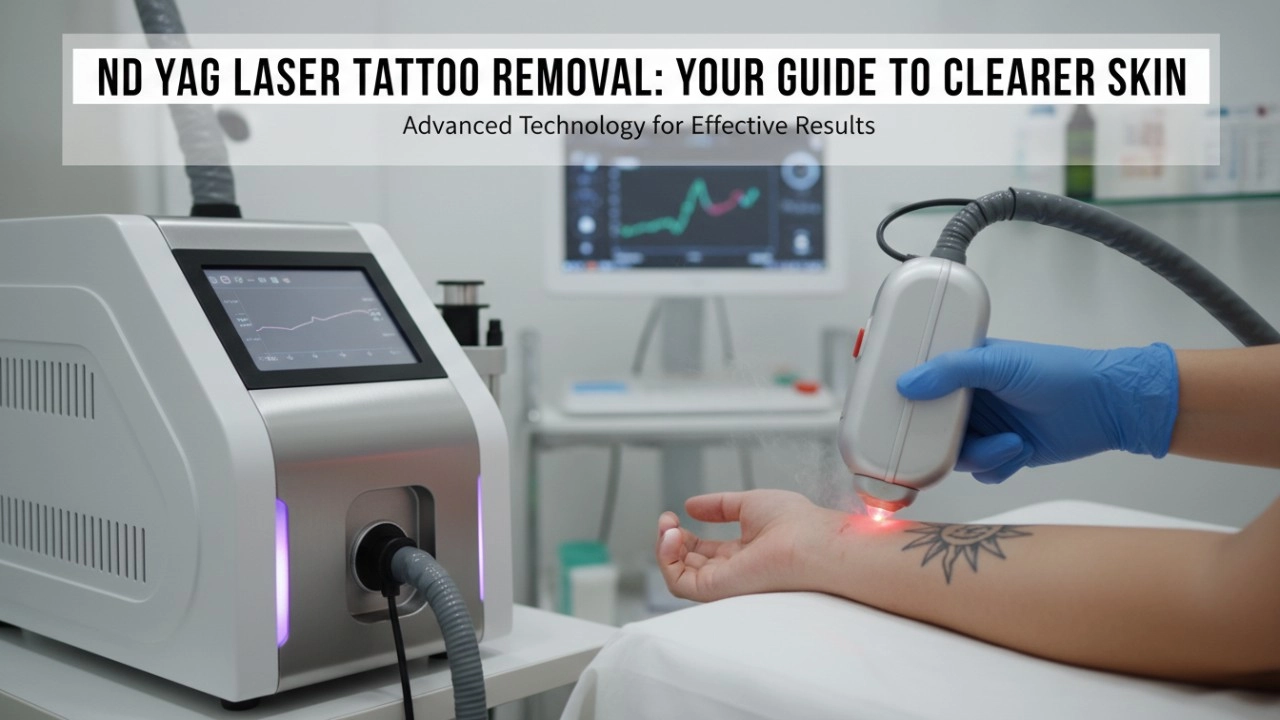
Q-Switched Nd:YAG Lasers: These lasers emit light at 1064 nm and 532 nm wavelengths, effectively targeting dark and light ink colors, respectively. They are widely used due to their reliability and effectiveness.
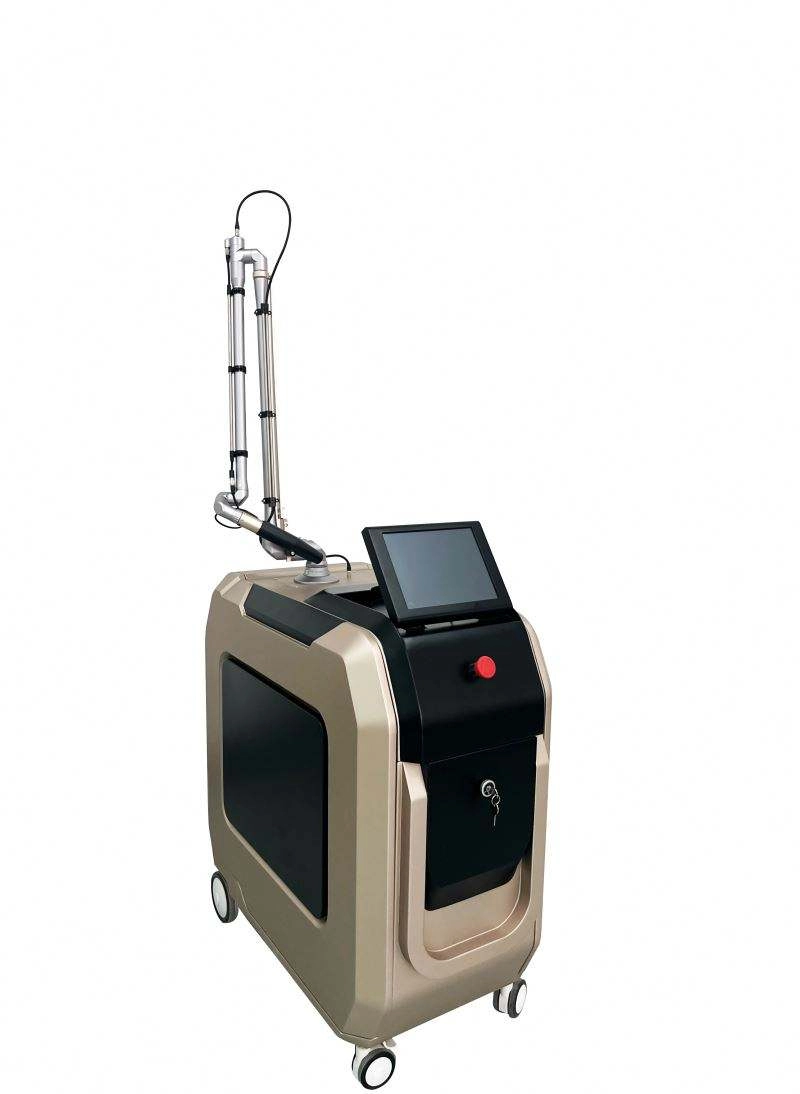
Picosecond Lasers: Operating at ultra-short pulse durations, picosecond lasers offer faster ink fragmentation, potentially reducing the number of treatment sessions required.
Multi-Wavelength Systems: These machines provide multiple wavelengths, allowing for the treatment of a broader spectrum of ink colors and skin types.
2. How much do tattoo removal machines cost?
The cost of tattoo removal machines varies based on technology, brand reputation, and features:
Entry-Level Q-Switched Systems: Approximately $18,000–$30,000. Suitable for small clinics starting out.
Mid-Tier Multi-Wavelength Units: Around $35,000–$55,000. Offer versatility for different ink colors and skin types.
Picosecond Systems: $60,000–$120,000+. Premium performance with faster results but steep ROI timeline.
It's essential to consider not only the initial purchase price but also ongoing costs such as maintenance, consumables, and training.
3. What factors should be considered when selecting a tattoo removal machine?
Key considerations include:
Wavelength Versatility: Machines with multiple wavelengths can treat a wider range of ink colors.
Pulse Duration: Shorter pulse durations (nanoseconds or picoseconds) allow for precise, targeted treatment that minimizes thermal damage to surrounding skin tissue.
Cooling System: Integrated cooling mechanisms help manage heat buildup, enhancing patient comfort and reducing the risk of adverse effects.
Safety Certifications: Ensure the machine has received FDA clearance or equivalent certification, indicating it meets established safety standards.
4. How can I test a tattoo removal machine before purchasing?
To effectively test a machine:
Request a Demonstration: Arrange for a live demo to assess usability, handpiece ergonomics, and software interface.
Evaluate Beam Quality: Observe the laser's beam profile and consistency during the demo.
Assess Cooling Efficiency: Ensure the cooling system effectively manages heat during operation.
Review Treatment Parameters: Check the machine's settings for flexibility and ease of adjustment.
5. What are the maintenance requirements for tattoo removal machines?
Regular maintenance is crucial for optimal performance:
Routine Inspections: Regularly check for any signs of wear or malfunction.
Component Replacements: Replace parts such as laser lamps, filters, and cooling systems as needed.
Software Updates: Keep the machine's software up to date to ensure access to the latest features and improvements.
Training: Ensure staff are properly trained to operate the machine safely and effectively.
6. Are there any risks or side effects associated with tattoo removal?
While generally safe, potential side effects include:
Skin Irritation: Redness, swelling, or blistering may occur but typically resolve within a week.
Pigmentation Changes: Temporary or permanent changes in skin pigmentation can occur, especially in individuals with darker skin tones.
Scarring: Rarely, scarring may develop if proper aftercare is not followed.
It's essential to follow all aftercare instructions provided by the manufacturer or practitioner to minimize these risks.
7. How long does the tattoo removal process take?
The duration of the removal process depends on several factors:
Tattoo Characteristics: Size, color, and depth of the tattoo influence treatment time.
Skin Type: Darker skin tones may require more cautious treatment to prevent pigmentation changes.
Machine Type: Advanced machines like picosecond lasers can reduce the number of sessions needed.
On average, multiple sessions spaced several weeks apart are required to achieve optimal results.
8. How can I ensure the safety and efficacy of a tattoo removal machine?
To ensure safety and efficacy:
Verify Certifications: Ensure the machine has appropriate safety certifications, such as FDA clearance or CE marking.
Review Clinical Evidence: Look for peer-reviewed studies or case reports demonstrating the machine's effectiveness.
Assess Manufacturer Reputation: Choose machines from reputable manufacturers known for quality and customer support.
In conclusion, selecting the right tattoo removal machine involves careful consideration of various factors, including machine type, cost, features, and safety. By thoroughly researching and testing potential machines, you can make an informed decision that aligns with your clinic's needs and ensures optimal outcomes for your clients.
HUIMAIN offers a range of high-quality tattoo removal machines designed to meet the diverse needs of beauty professionals. With advanced technology, user-friendly interfaces, and comprehensive after-sales support, HUIMAIN ensures that your investment in tattoo removal equipment is both effective and reliable.
References:


5-in-1 cavitation vacuum machine
Which areas can this machine treat?
Abdomen, waist, hips, thighs, arms, back, and other areas with excess fat or loose skin.
EM-11
How many sessions are needed to see results?
Most clients see visible improvements after 4–6 sessions, typically spaced a few days apart.
热玛吉
Do you offer OEM branding for Thermage FLX machines?
Yes. We support OEM/ODM including logo, software interface, machine shell color, and packaging.
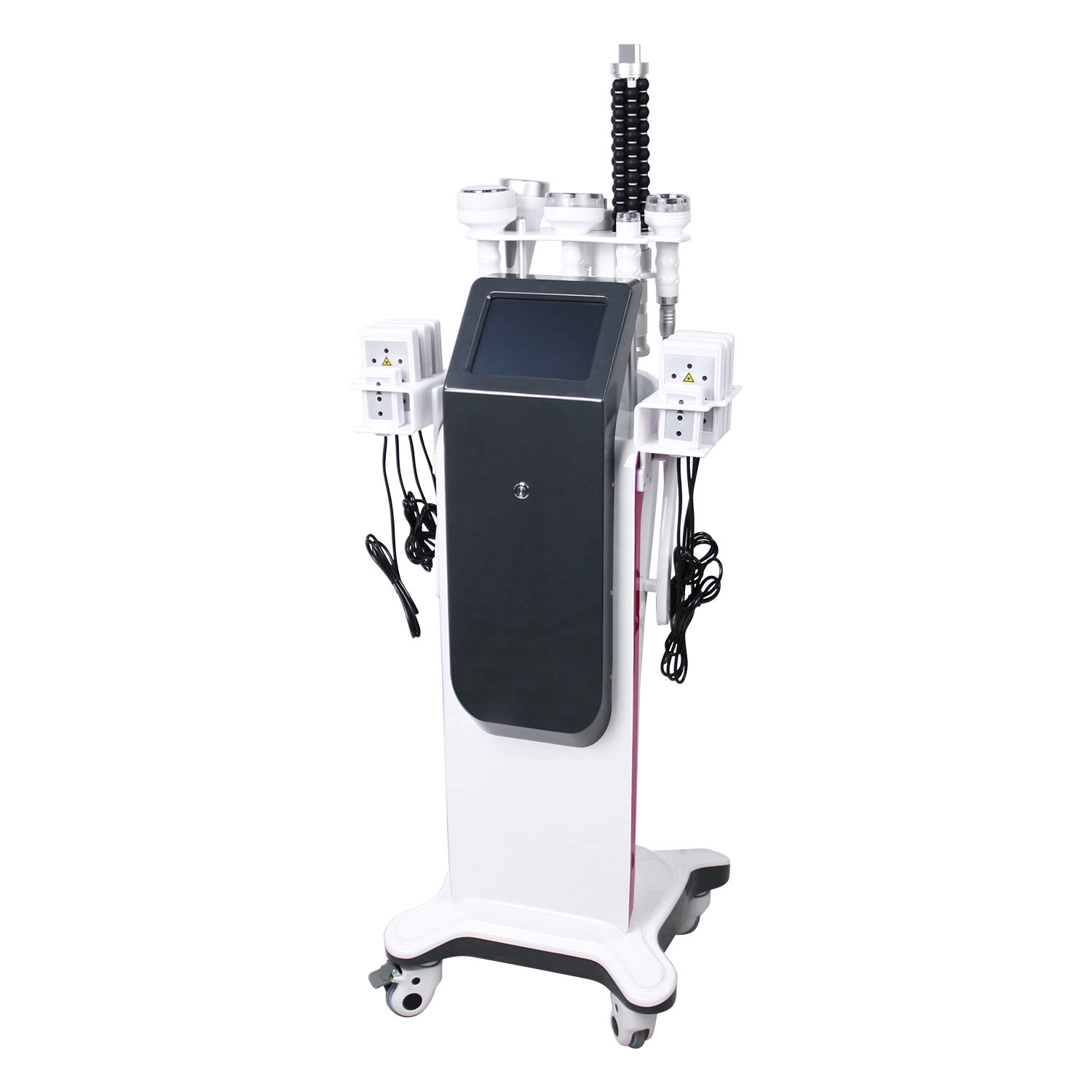
9 in 1 Cavitation Vacuum Machine
Can this machine be used in professional beauty salons?
Absolutely. It is designed for beauty salons, spas, slimming centers, and professional body contouring shops.
EMS Body Sculpting Machine
Can I resell or distribute EMS body sculpting machines?
Yes! Many professional beauty equipment distributors and salon owners become official partners or resellers. Contact us directly for OEM/ODM customization, wholesale pricing, and distributor opportunities.


Get more information
If you have any comments or good suggestions, please leave us a message; later our professional staff will contact you as soon as possible.
Let's Talk
Stay in touch with us for cutting-edge beauty solutions, professional guidance, and customized service.
Contact


Room 307, Building A, Huilong International E-commerce Industrial Park, No. 10 Xipengling Road, Helong Street, Baiyun District, Guangzhou, China
© 2025 HUIMAIN. All Rights Reserved. Privacy Policy | Terms and Conditions | Sitemap
Facebook
Instagram
Medical beauty equipment factory
huimain Medical beauty equipment factory
beauty machine supplier
Whatsapp: +8619124004543