


- Comprehensive Guide to Selecting the Ideal Tattoo Removal Machine for Your Clinic
- 1. What are the different types of tattoo removal machines available?
- 2. How do I determine the appropriate wavelength for my clinic's needs?
- 3. What factors should I consider regarding the machine's power and pulse duration?
- 4. How important is the cooling system in a tattoo removal machine?
- 5. What are the maintenance and operational costs associated with tattoo removal machines?
- 6. How do I assess the effectiveness and safety of a tattoo removal machine?
- 7. What are the potential risks and side effects of tattoo removal treatments?
- 8. How do I choose the best tattoo removal machine for my clinic?
- Conclusion: Why Choose HUIMAIN for Your Tattoo Removal Equipment?
How to choose the best tattoo removal machine for your clinic?
Comprehensive Guide to Selecting the Ideal Tattoo Removal Machine for Your Clinic
As a professional in the beauty industry, selecting the right tattoo removal machine is crucial for expanding your clinic's services and ensuring patient satisfaction. This guide addresses common questions and provides expert insights to assist you in making an informed decision.
1. What are the different types of tattoo removal machines available?
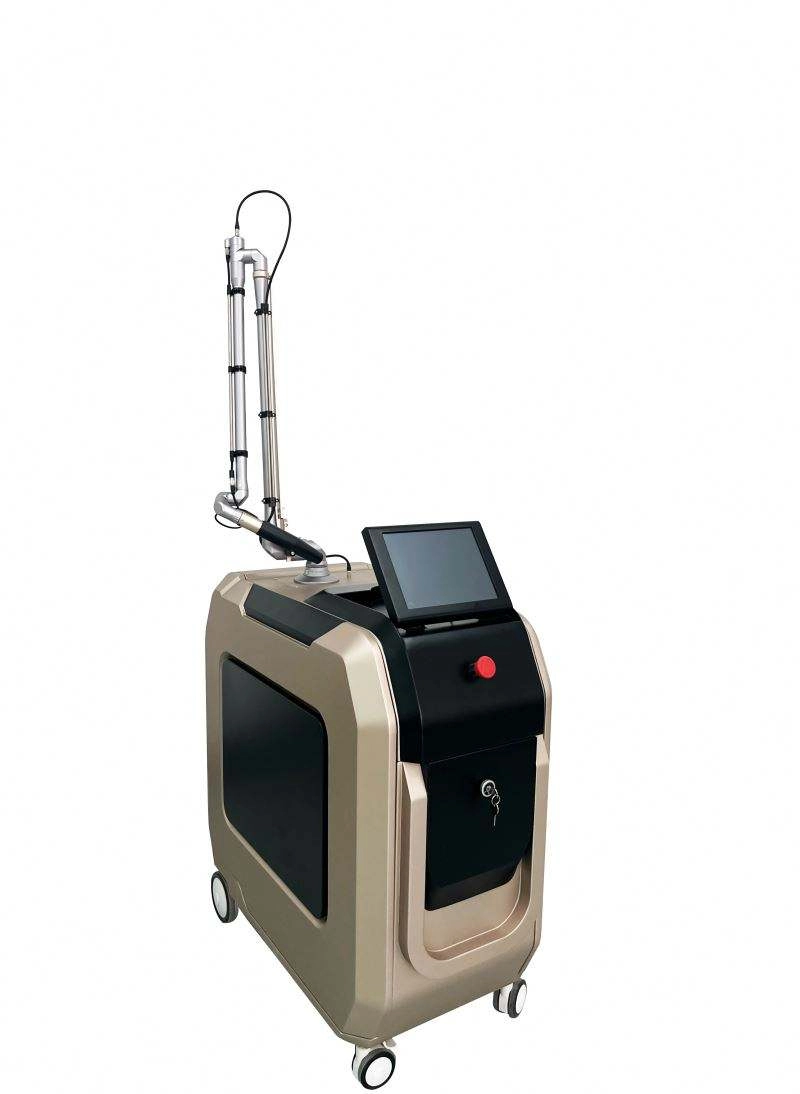
Tattoo removal machines primarily fall into two categories:
Q-Switched Lasers: Utilize nanosecond pulses to break down ink particles. Effective for black and dark blue inks.
Picosecond Lasers: Employ picosecond pulses, offering faster ink fragmentation and effective treatment for a broader range of ink colors, including stubborn pigments like green and blue.
Picosecond lasers are generally more efficient but come at a higher cost.
2. How do I determine the appropriate wavelength for my clinic's needs?
The effectiveness of a tattoo removal machine is influenced by its wavelength capabilities:
1064 nm: Targets black and dark blue inks.
532 nm: Effective for red and orange pigments.
755 nm: Penetrates deeper, suitable for green and blue inks.
Machines with multiple wavelengths offer versatility, allowing treatment of a wide range of tattoo colors.
3. What factors should I consider regarding the machine's power and pulse duration?
Power Output: Higher power ensures efficient ink fragmentation, enabling quicker removal of tattoos.
Pulse Duration: Shorter pulse durations, such as nanoseconds or picoseconds, allow for precise, targeted treatment that minimizes thermal damage to surrounding skin tissue.
Adjustable energy settings are essential to customize treatments based on tattoo characteristics.
4. How important is the cooling system in a tattoo removal machine?
An integrated cooling system is vital for:
Patient Comfort: Reduces discomfort during treatment.
Skin Protection: Minimizes the risk of side effects like blistering or scarring.
Advanced cooling methods, such as active cooling with devices like the Cryo-6 from Zimmer, are recommended for optimal results.
5. What are the maintenance and operational costs associated with tattoo removal machines?
Consider the following ongoing expenses:
Maintenance Contracts: Approximately $2,000–$5,000 per year.
Consumables: Replacement parts, such as handpieces, can cost between $5,000–$15,000.
Training: Investing in staff training ensures safe and effective operation.
Leasing options may be available to help manage cash flow.
6. How do I assess the effectiveness and safety of a tattoo removal machine?
FDA Clearance: Ensure the machine has FDA clearance for safety and efficacy.
Clinical Data: Review studies and user testimonials to gauge performance.
Warranty and Support: Opt for manufacturers offering comprehensive warranties and responsive customer support.
Utilizing tools like the Kirby–Desai Scale can help estimate the number of sessions required for tattoo removal, aiding in setting realistic expectations.
7. What are the potential risks and side effects of tattoo removal treatments?
Common side effects include:
Redness and Swelling: Typically resolve within a few days.
Blistering: Rare but possible; proper aftercare is essential.
Pigment Changes: Temporary lightening or darkening of the skin.
Adhering to aftercare guidelines and selecting a reputable machine can minimize these risks.
8. How do I choose the best tattoo removal machine for my clinic?
Define Your Use Case: Determine the types of tattoos you plan to treat and the demographics of your clientele.
Budget Considerations: Balance initial investment with expected return on investment (ROI).
Regulatory Compliance: Ensure the machine meets local health and safety standards.
Manufacturer Reputation: Research the manufacturer's history, customer reviews, and support services.
A thorough evaluation of these factors will guide you to a machine that aligns with your clinic's needs and goals.
Conclusion: Why Choose HUIMAIN for Your Tattoo Removal Equipment?
HUIMAIN offers state-of-the-art tattoo removal machines equipped with advanced features such as multi-wavelength capabilities, picosecond technology, and integrated cooling systems. Our devices are designed for efficiency, safety, and patient comfort, ensuring high-quality results and a strong return on investment for your clinic. With comprehensive training and dedicated customer support, HUIMAIN is your trusted partner in enhancing your clinic's aesthetic services.
By considering these factors and selecting a machine that aligns with your clinic's specific needs, you can provide effective and safe tattoo removal treatments, thereby expanding your service offerings and increasing patient satisfaction.

A71立式冷波
Is the Onda Coolwave Machine non-invasive?
Yes. The Onda Coolwave Machine is a completely non-invasive body sculpt and skin tightening device with no needles or surgery.
Is there any downtime after treatment?
No downtime is required. Clients can return to daily activities immediately after treatment.
cryolipolysis machine
How many treatments are required?
Most clients see results after 1–3 sessions, with optimal outcomes typically achieved after 8–12 weeks.
Who can use the machine?
This cryolipolysis machine for sale is ideal for aesthetic clinics, beauty salons, and medical spas. It is not recommended for pregnant women, people with severe obesity, or those with cold-related illnesses.
EC-05
How many sessions are needed for visible results?
Most clients see noticeable results after 4–6 sessions, depending on body type and goals.


Get more information
If you have any comments or good suggestions, please leave us a message; later our professional staff will contact you as soon as possible.
Let's Talk
Stay in touch with us for cutting-edge beauty solutions, professional guidance, and customized service.
Contact


Room 307, Building A, Huilong International E-commerce Industrial Park, No. 10 Xipengling Road, Helong Street, Baiyun District, Guangzhou, China
© 2025 HUIMAIN. All Rights Reserved. Privacy Policy | Terms and Conditions | Sitemap
Facebook
Instagram
Medical beauty equipment factory
huimain Medical beauty equipment factory
beauty machine supplier
Whatsapp: +8619124004543