


Which tattoo colors are hardest to remove with lasers?
Comprehensive Guide to Tattoo Removal Machines and Laser Treatment Challenges
As a professional content writer with extensive experience in SEO and , and proficiency in multiple languages, this guide addresses key considerations for beauty machine industry users contemplating the purchase of tattoo removal equipment.
Laser tattoo removal has become the gold standard for eliminating unwanted tattoos, offering a non-invasive and effective solution. Understanding the intricacies of tattoo removal machines and the challenges associated with different ink colors is crucial for making informed purchasing decisions.
1. What Are the Most Effective Laser Technologies for Tattoo Removal?
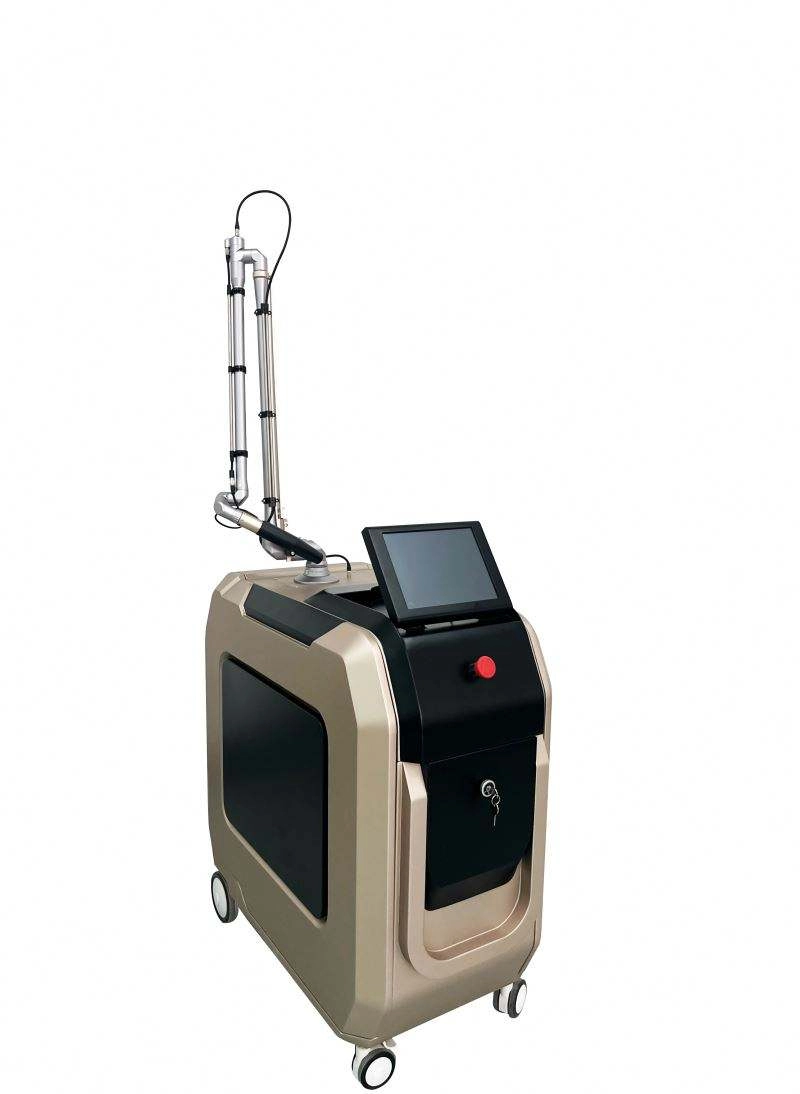
The efficacy of tattoo removal largely depends on the type of laser used. Picosecond lasers, such as PicoSure and PicoWay, are considered the gold standard due to their ability to deliver ultra-short pulses that break down ink particles more effectively with minimal damage to surrounding skin. These lasers offer multiple wavelengths, allowing for the treatment of a broad spectrum of ink colors.
2. How Do Different Ink Colors Affect the Tattoo Removal Process?
The color of the tattoo ink significantly influences the removal process, as different pigments absorb laser wavelengths to varying degrees:
Black Ink: Absorbs all laser wavelengths, making it the easiest to remove.
Red, Orange, and Brown Inks: Respond well to 532 nm wavelengths and are relatively easier to treat.
Green and Blue Inks: Require 694–785 nm wavelengths and present moderate difficulty.
Yellow, Light Blue, Pink, White, and Fluorescent Inks: These colors reflect light rather than absorb it, making them the most challenging to remove.
3. What Are the Challenges in Removing Light and Fluorescent Tattoo Colors?
Light and fluorescent inks, such as yellow, light blue, pink, white, and fluorescent tones, are particularly difficult to remove due to their reflective properties. These pigments often contain metals like titanium dioxide, which can oxidize under laser energy, turning darker (grey or black) before eventually fading. This phenomenon can complicate the removal process, requiring specialized equipment and multiple treatment sessions.
4. How Many Sessions Are Typically Needed for Tattoo Removal?
The number of sessions required varies based on the tattoo's color and complexity:
Black and Dark Blue Tattoos: Typically require 5–8 sessions.
Red and Orange Tattoos: Generally need 6–10 sessions.
Purple and Violet Tattoos: Usually require 8–12 sessions.
Green, Teal, Light Blue, and Yellow Tattoos: May require 15 or more sessions, especially with advanced technology.
5. What Factors Should Be Considered When Purchasing a Tattoo Removal Machine?
When selecting a tattoo removal machine, consider the following factors:
Laser Type and Wavelengths: Ensure the machine offers multiple wavelengths to effectively target a wide range of ink colors.
Pulse Duration: Shorter pulse durations (picosecond) are more effective in breaking down ink particles with minimal skin damage.
Cooling Mechanisms: Integrated cooling systems can enhance patient comfort and reduce the risk of side effects.
Safety Features: Look for machines with built-in safety protocols to protect both the operator and the patient.
6. How Does Skin Type Affect Tattoo Removal?
Skin type plays a significant role in the tattoo removal process. Darker skin tones have higher melanin content, which can absorb laser energy and increase the risk of pigmentation changes. Therefore, it's essential to choose a machine with adjustable settings to accommodate different skin types and minimize potential side effects.
7. What Are the Potential Side Effects of Laser Tattoo Removal?
Common side effects include redness, swelling, blistering, and temporary changes in skin pigmentation. These effects are typically mild and resolve within a few days to weeks. However, more severe complications can occur, especially if the procedure is not performed correctly. It's crucial to follow post-treatment care instructions and consult with a qualified professional if any adverse reactions occur.
8. How Can I Ensure the Best Results in Tattoo Removal?
To achieve optimal results:
Consult a Professional: Seek treatment from certified and experienced practitioners.
Follow Aftercare Instructions: Adhere to all post-treatment guidelines to promote healing and reduce the risk of complications.
Set Realistic Expectations: Understand that complete removal may not be possible, especially with certain ink colors.
Conclusion: The Advantages of HUIMAIN Tattoo Removal Machines
HUIMAIN offers advanced tattoo removal machines equipped with multiple wavelengths, picosecond pulse durations, and integrated cooling systems, ensuring effective and safe treatments for a wide range of tattoo colors and skin types. Their commitment to quality and innovation makes them a leading choice for professionals in the beauty machine industry.
References:
Pulse Light Clinic. (2020). Coloured Tattoo Removal: What to Expect and Which Lasers Work.
London Skin Clinic. (2020). Tattoo Removal Color Challenges: Which Inks Are Hardest?
Saved Tattoo. (2019). The Easiest and Hardest Tattoo Pigments To Remove.
Bloom and Beam Laser Studio. (2020). Why Some Tattoo Colors Are Harder to Remove and What Can Be Done About It.
Counterpunch Laser. (2020). What Are the Hardest Colours To Remove In A Tattoo.
Grim Studios. (2020). Yes, White Ink Fades Too: What Colors Are Hardest to Remove?
Miki Tattoo Killer. (2020). Chromatic Challenges: Colors That Are More Difficult to Remove in Tattoos.
Pulse Light Clinic London. (2020). The Easiest and Hardest Tattoo Ink Pigments to Remove.
DESCRIBE® PFD Patch. (2019). Laser Tattoo Removal: An Important Advance.
About Support Service
Do you provide technical support or training?
Yes. We offer user manuals, training videos, and 1-on-1 video guidance for installation, usage, and troubleshooting.
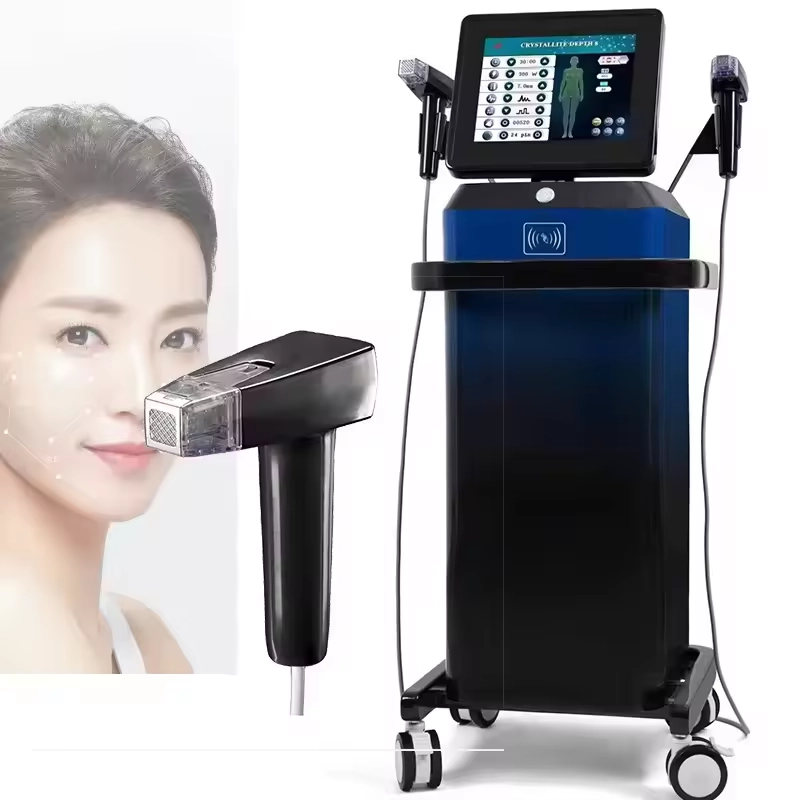
4-in-1 Cryo HIFU
What areas can be treated with this machine?
Face, neck, jawline, eye area, forehead, abdomen, arms, and thighs
VM-1
Can multiple areas be treated at the same time?
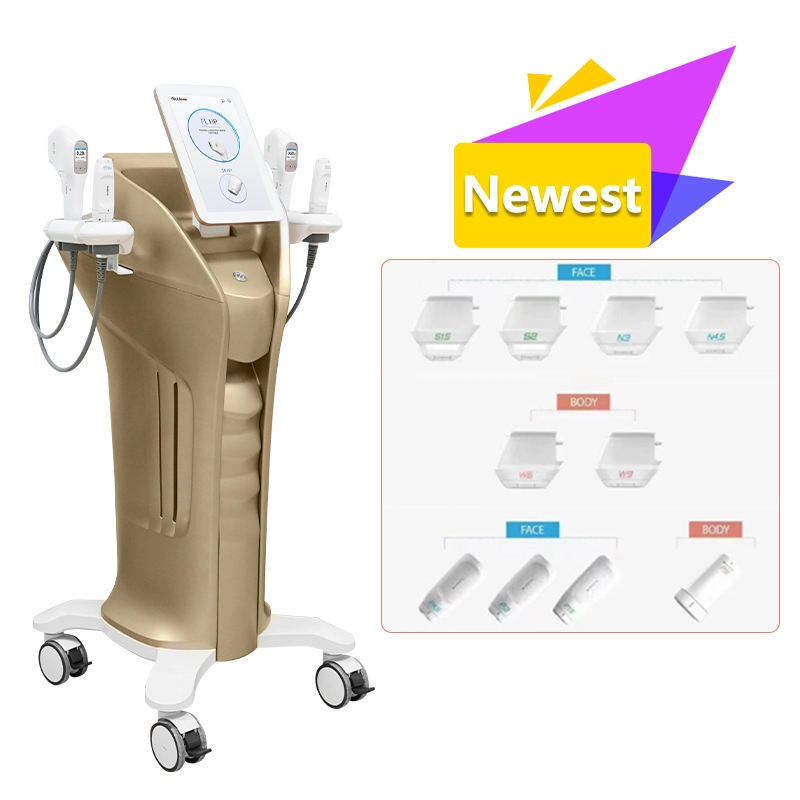
Yes, this cryolipolysis machine supports 4-handle simultaneous treatments.
OL-153
What skin types can the Hydro Dermabrasion Water Oxygen Machine treat?
It’s suitable for all skin types, including sensitive and dry skin, offering deep hydration and exfoliation.
EC-05
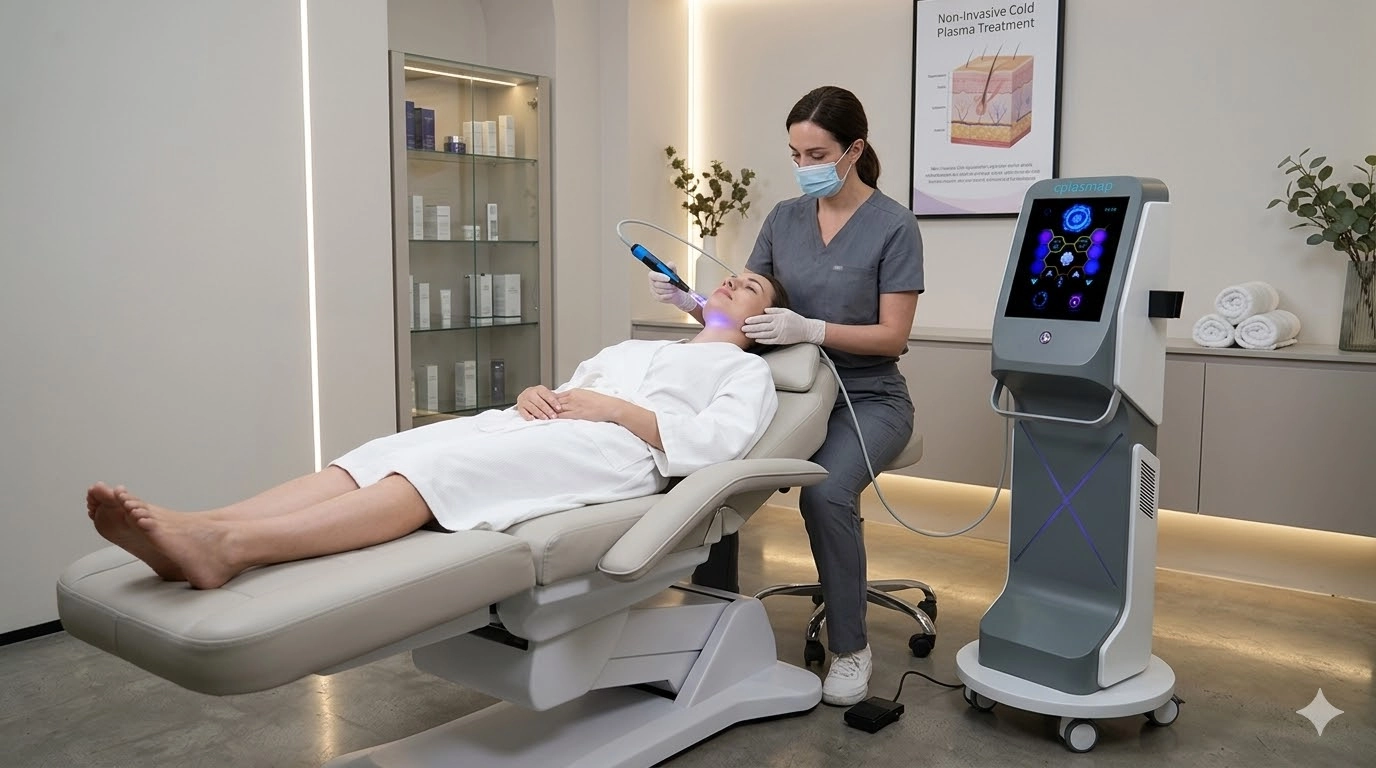
Is the treatment safe?
Yes, it’s a non-invasive, FDA-approved technology that is safe, comfortable, and effective.


Get more information
If you have any comments or good suggestions, please leave us a message; later our professional staff will contact you as soon as possible.
Let's Talk
Stay in touch with us for cutting-edge beauty solutions, professional guidance, and customized service.
Contact


Room 307, Building A, Huilong International E-commerce Industrial Park, No. 10 Xipengling Road, Helong Street, Baiyun District, Guangzhou, China
© 2025 HUIMAIN. All Rights Reserved. Privacy Policy | Terms and Conditions | Sitemap
Facebook
Instagram
Medical beauty equipment factory
huimain Medical beauty equipment factory
beauty machine supplier
Whatsapp: +8619124004543