


What consumables and costs come with tattoo removal devices?
When considering the purchase of a tattoo removal machine, it's crucial to understand the associated costs, consumables, and key factors to ensure effective and safe treatments. Below are some common questions and answers to guide your decision-making process.
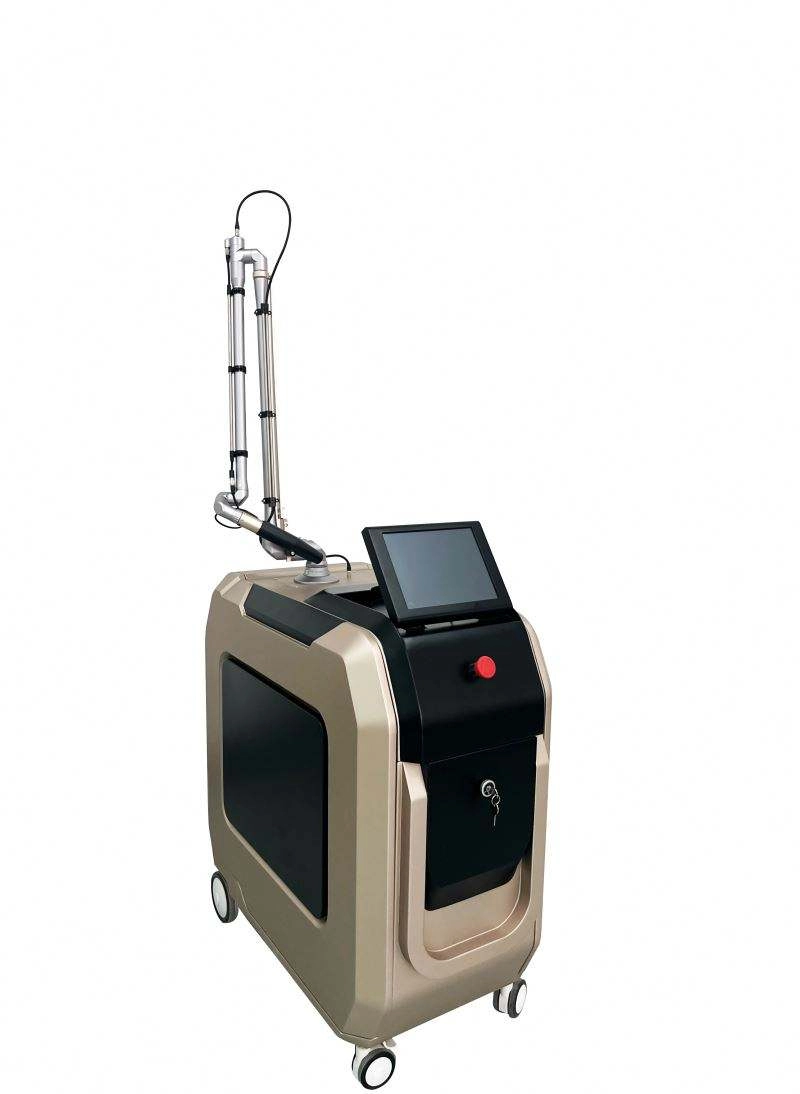
The initial cost of a tattoo removal machine varies based on technology, brand, and features. Entry-level Q-Switched Nd:YAG lasers can range from $5,000 to $12,000, suitable for standard beauty clinics. Mid-range multi-wavelength systems typically cost between $35,000 and $55,000, offering enhanced versatility. High-end picosecond lasers, known for their precision and efficiency, can exceed $100,000.
Operating a tattoo removal machine involves several ongoing expenses:
Consumables: Handpieces, tips, filters, and cooling components may need regular replacement, with costs ranging from $300 to $12,000 annually, depending on usage and machine type.
Maintenance and Service: Annual maintenance contracts, including calibration and part replacement, can cost between $500 and $15,000.
Training and Certification: Proper training is essential for safe operation, with costs ranging from $200 to $6,000 for onsite or online sessions.
Additionally, energy consumption and facility maintenance contribute to operational costs.
Various laser technologies offer distinct advantages:
Q-Switched Nd:YAG Lasers: Effective for black and dark blue inks, these lasers are cost-effective but may require more sessions for complete removal.
Picosecond Lasers: Deliver ultra-short pulses, breaking down ink more efficiently and reducing treatment sessions. However, they come with higher upfront costs, often exceeding $100,000.
Alexandrite Lasers: Ideal for lighter skin tones and dark inks, these lasers are priced between $30,000 and $50,000.
Choosing the appropriate technology depends on the specific needs of your clientele and budget considerations.
Common side effects include:
Skin Irritation and Redness: Temporary redness and irritation are typical post-treatment reactions.
Blistering and Scarring: Improper use or incorrect settings can lead to blistering and potential scarring.
Pigmentation Changes: Hypopigmentation (lightening) or hyperpigmentation (darkening) may occur, especially in individuals with darker skin tones.
Infection: If aftercare instructions are not followed, there's a risk of infection.
To mitigate these risks, ensure proper training, adhere to safety protocols, and provide clients with comprehensive aftercare guidance.
To achieve optimal results and maintain safety:
Invest in Quality Equipment: Opt for reputable brands and advanced technologies that offer precision and reliability.
Provide Comprehensive Training: Ensure all operators are well-trained and certified to handle the equipment and perform treatments safely.
Follow Safety Protocols: Implement strict hygiene practices, calibrate machines regularly, and adhere to treatment guidelines.
Offer Aftercare Support: Guide clients on post-treatment care to promote healing and minimize complications.
By addressing these considerations, you can establish a reputable and successful tattoo removal service.
In conclusion, investing in a high-quality tattoo removal machine requires careful consideration of initial costs, ongoing expenses, and potential risks. By selecting the right equipment and adhering to best practices, you can provide effective and safe tattoo removal services to your clients.
HUIMAIN offers a range of advanced tattoo removal machines designed for efficiency and safety, backed by comprehensive training and support to ensure optimal performance.
References:**SEO Title:** Comprehensive Guide to Tattoo Removal Machines: Costs, Consumables, and Key Considerations
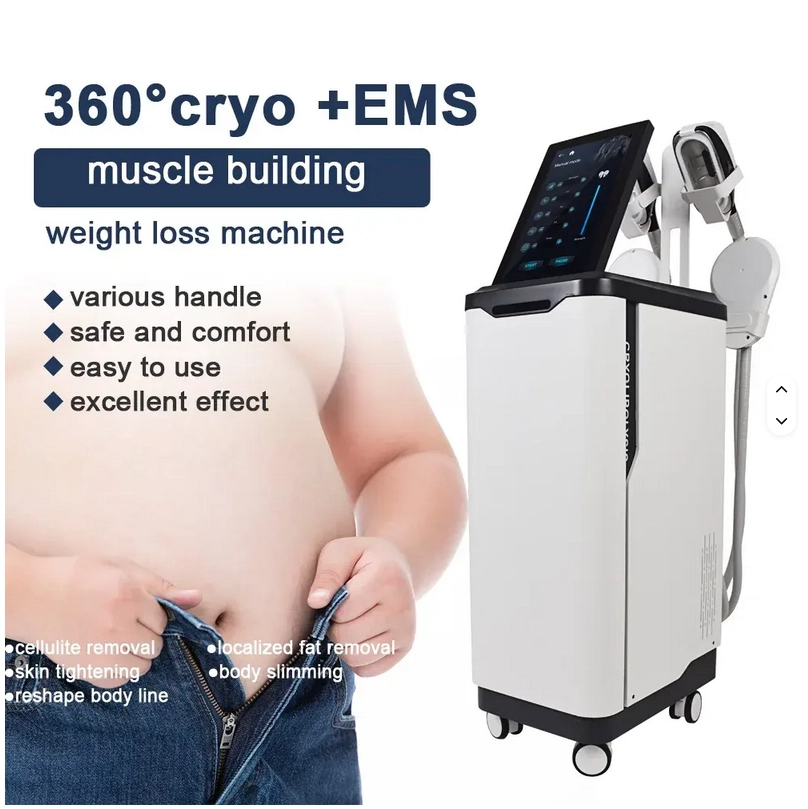


808 single handle standing
How does the Diode Laser Hair Removal Machine work?
It delivers 755 808 1064nm laser energy into hair follicles, destroying them at the root to prevent regrowth.
EMT8 MAX
How long is each treatment session?
A standard session lasts about 30 minutes, equivalent to 55,000 muscle contractions.
AS8012
How many sessions are recommended?
Typically 6–12 sessions for visible results, depending on the treatment area and client body condition.
HMT62R
How many sessions are needed, and how long does a treatment take?
A typical treatment course consists of 4-6 sessions, with each session lasting around 30 minutes. The dual-handle design allows for efficient treatment of multiple areas. Clients can typically start seeing results after the first few sessions, with optimal results visible a few weeks after the last session.
12D hifu
What is High Intensity Focused Ultrasound (HIFU)?
HIFU delivers focused ultrasound energy to stimulate collagen, tighten skin, and lift facial and body areas non-invasively.


Get more information
If you have any comments or good suggestions, please leave us a message; later our professional staff will contact you as soon as possible.
Let's Talk
Stay in touch with us for cutting-edge beauty solutions, professional guidance, and customized service.
Contact


Room 307, Building A, Huilong International E-commerce Industrial Park, No. 10 Xipengling Road, Helong Street, Baiyun District, Guangzhou, China
© 2025 HUIMAIN. All Rights Reserved. Privacy Policy | Terms and Conditions | Sitemap
Facebook
Instagram
Medical beauty equipment factory
huimain Medical beauty equipment factory
beauty machine supplier
Whatsapp: +8619124004543