


- Tattoo Removal Machines: Essential Guide for Beauty Industry Professionals
- 1. What Factors Determine the Number of Sessions Required for Tattoo Removal?
- 2. How Does Laser Technology Impact Tattoo Removal Sessions?
- 3. What Are the Common Side Effects and Risks Associated with Tattoo Removal?
- 4. How Do Skin Types Affect Tattoo Removal Outcomes?
- 5. What Is the Role of Aftercare in Tattoo Removal?
- 6. How Do Tattoo Removal Machines Differ in Terms of Effectiveness?
- 7. What Are the Cost Considerations When Purchasing a Tattoo Removal Machine?
- 8. How Does the Kirby–Desai Scale Assist in Estimating Treatment Sessions?
- Conclusion: Why Choose HUIMAIN for Your Tattoo Removal Equipment?
How many sessions are needed to remove different tattoos?
As a beauty industry professional, understanding the intricacies of tattoo removal is crucial when considering the acquisition of a tattoo removal machine. This guide addresses common questions and provides insights to assist in making an informed decision.
Tattoo Removal Machines: Essential Guide for Beauty Industry Professionals
1. What Factors Determine the Number of Sessions Required for Tattoo Removal?
The number of sessions needed to effectively remove a tattoo varies based on several factors:
Tattoo Size and Location: Larger tattoos or those located on extremities may require more sessions.
Ink Color and Density: Darker inks like black and blue are easier to remove, while bright colors such as green, red, and yellow may need more treatments.
Tattoo Age: Older tattoos often fade more easily than newer ones.
Skin Type and Healing Response: Individual skin characteristics can influence the number of sessions needed.
On average, professional tattoos may require 6 to 12 sessions for significant fading or removal.
2. How Does Laser Technology Impact Tattoo Removal Sessions?
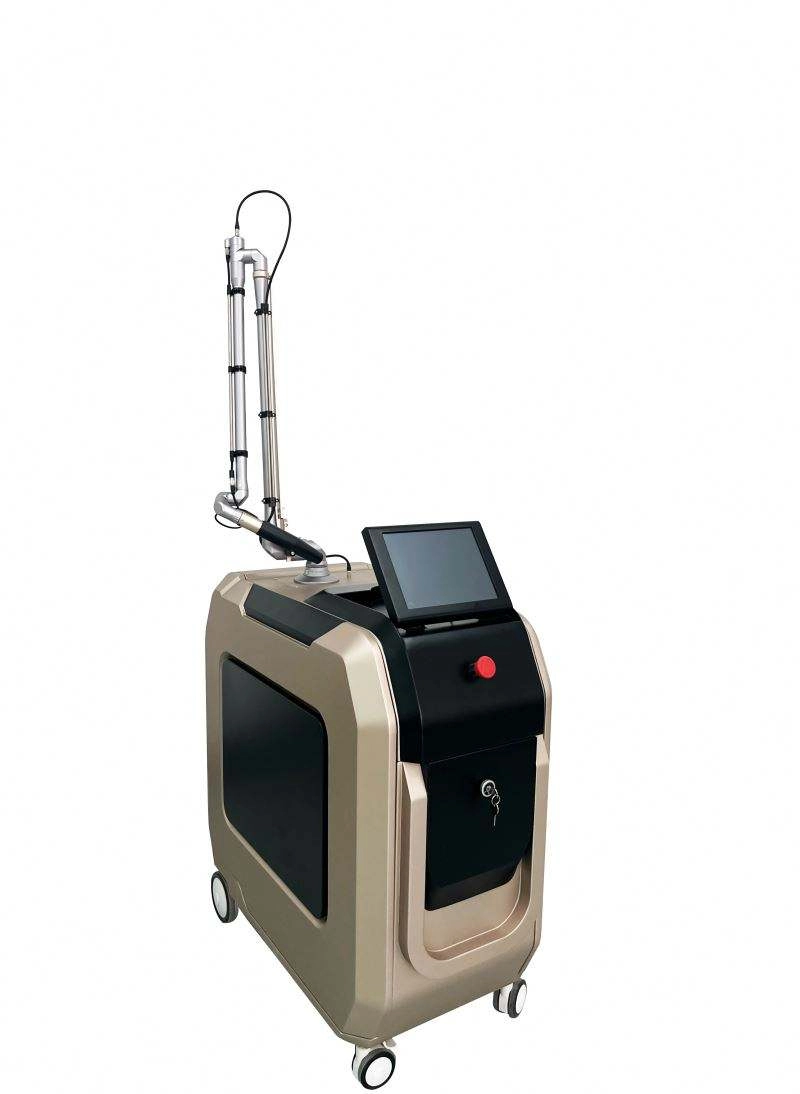
Advanced laser technologies, such as picosecond lasers, have significantly improved the efficiency of tattoo removal. These lasers break ink into smaller particles, allowing the body to eliminate them more effectively. Utilizing modern laser systems can reduce the number of sessions required compared to older technologies.
3. What Are the Common Side Effects and Risks Associated with Tattoo Removal?
Common side effects include temporary redness, swelling, and possible blistering, which typically resolve within a few days to weeks. Rare risks involve scarring or changes in skin pigmentation, especially if post-treatment instructions aren't followed carefully. Choosing a licensed, experienced provider and ensuring proper aftercare can minimize these risks.
4. How Do Skin Types Affect Tattoo Removal Outcomes?
Skin type plays a significant role in tattoo removal:
Lighter Skin Tones: Generally respond better to laser treatments, often requiring fewer sessions.
Darker Skin Tones: May require more sessions due to melanin interference, which can affect the laser's effectiveness.
5. What Is the Role of Aftercare in Tattoo Removal?
Proper aftercare is essential to ensure optimal results and minimize complications. Following aftercare instructions reduces the risk of adverse effects and allows the immune system to flush ink particles efficiently.
6. How Do Tattoo Removal Machines Differ in Terms of Effectiveness?
Tattoo removal machines vary in effectiveness based on their technology and design:
Laser Type: Picosecond lasers are more effective than older nanosecond lasers, often requiring fewer sessions.
Pulse Duration and Energy Levels: Machines with adjustable settings can be tailored to different tattoo characteristics, improving treatment outcomes.
Cooling Mechanisms: Integrated cooling systems can enhance patient comfort and reduce side effects.
7. What Are the Cost Considerations When Purchasing a Tattoo Removal Machine?
Investing in a tattoo removal machine involves considering:
Initial Purchase Price: Higher-end machines with advanced technology come at a premium cost.
Maintenance and Consumables: Regular maintenance and replacement parts can add to the overall expense.
Training and Certification: Ensuring staff are properly trained may incur additional costs.
Balancing these factors with potential revenue from offering tattoo removal services is crucial for a sound investment decision.
8. How Does the Kirby–Desai Scale Assist in Estimating Treatment Sessions?
The Kirby–Desai Scale is a predictive scoring system used to estimate the number of laser sessions required to remove a tattoo. It considers factors such as tattoo location, ink amount, color, skin type, layering, and scarring. A higher score indicates a more challenging tattoo to remove, potentially requiring more sessions.
Conclusion: Why Choose HUIMAIN for Your Tattoo Removal Equipment?
HUIMAIN offers state-of-the-art tattoo removal machines equipped with advanced laser technology, ensuring efficient and effective treatments. Our devices are designed with user-friendly interfaces, comprehensive training programs, and robust aftercare support, making them an excellent choice for beauty industry professionals seeking to expand their service offerings.
By understanding these key aspects, you can make an informed decision when selecting a tattoo removal machine that aligns with your business goals and meets client expectations.
Note: The information provided is based on current industry standards and may vary depending on individual circumstances and technological advancements.
*Data Sources:*Data Sources:

5-in-1 cavitation vacuum machine
What is a cavitation vacuum machine?
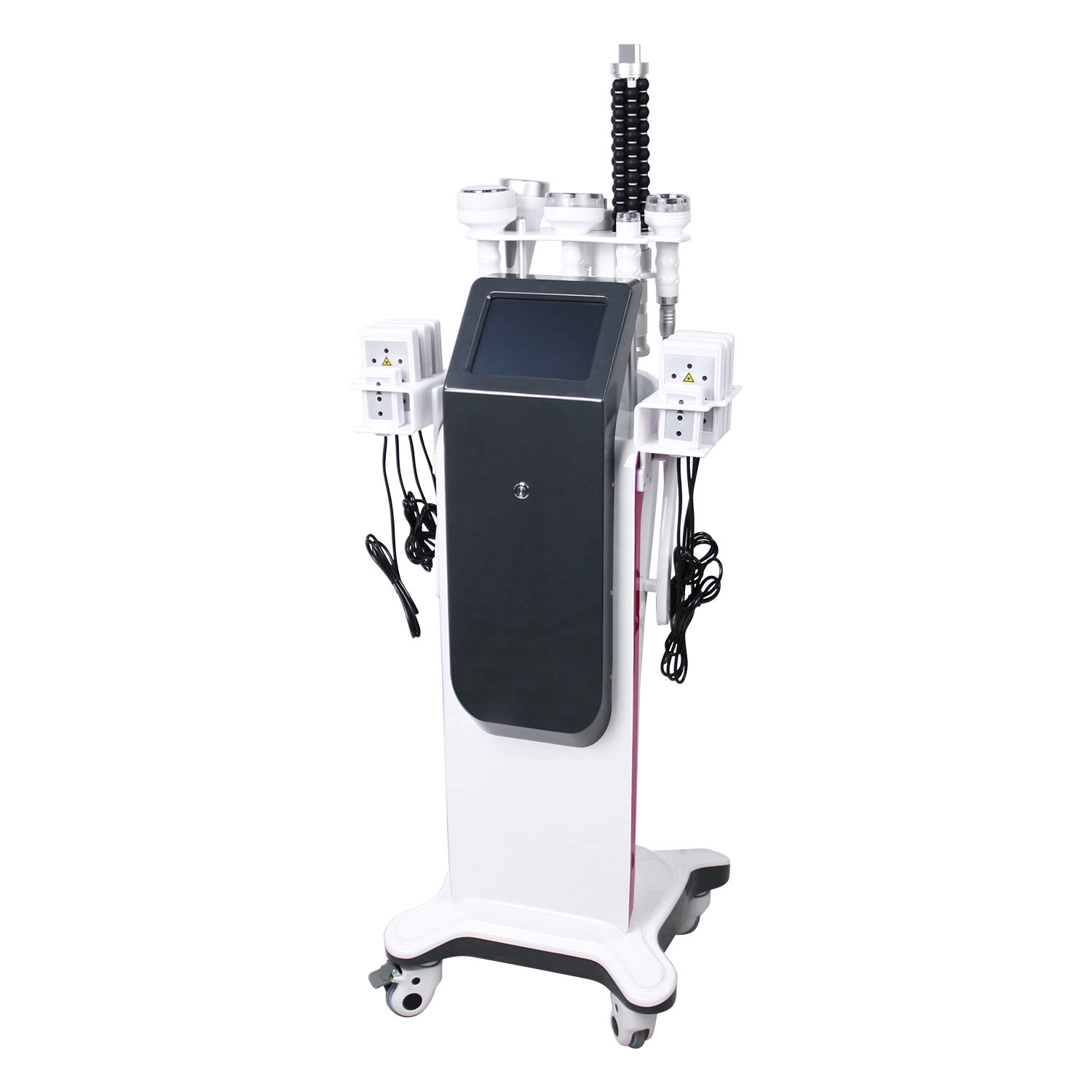
It combines 40K cavitation with vacuum suction to break down fat cells, reduce cellulite, and shape the body.
MF6
Who can use MFFFace 6?
It is suitable for all skin types and safe for both men and women seeking facial rejuvenation.
JHF-53
Is this HIFU machine suitable for professional use?
Yes, this HIFU machine is designed for professional use in clinics and beauty salons.
Massage Device RF + Inner Ball Roller
How many sessions are needed to see results?
Most users see visible results after 3–5 sessions, depending on body condition and lifestyle.
L11先锋射频点阵
Who can operate the CO2 fractional laser machine?
It should be operated by trained medical professionals or certified aesthetic practitioners in compliance with local regulations.


Get more information
If you have any comments or good suggestions, please leave us a message; later our professional staff will contact you as soon as possible.
Let's Talk
Stay in touch with us for cutting-edge beauty solutions, professional guidance, and customized service.
Contact


Room 307, Building A, Huilong International E-commerce Industrial Park, No. 10 Xipengling Road, Helong Street, Baiyun District, Guangzhou, China
© 2025 HUIMAIN. All Rights Reserved. Privacy Policy | Terms and Conditions | Sitemap
Facebook
Instagram
Medical beauty equipment factory
huimain Medical beauty equipment factory
beauty machine supplier
Whatsapp: +8619124004543