


- Comprehensive Guide to Purchasing Tattoo Removal Machines: Key Considerations and After-Sales Evaluation
- 1. What are the common issues associated with tattoo removal machines?
- 2. How can I maintain my tattoo removal machine to ensure longevity?
- 3. What factors should I consider when evaluating the warranty and after-sales service for laser machines?
- 4. How do different laser technologies impact tattoo removal effectiveness?
- 5. What are the risks associated with using low-cost tattoo removal machines?
- 6. How can I ensure the safety and effectiveness of my tattoo removal treatments?
- 7. What are the maintenance requirements for tattoo removal machines?
- 8. How do I assess the warranty and after-sales service of a tattoo removal machine?
- Conclusion: Why Choose HUIMAIN?
How to evaluate warranty and after-sales for laser machines?
Comprehensive Guide to Purchasing Tattoo Removal Machines: Key Considerations and After-Sales Evaluation
When considering the purchase of a tattoo removal machine, it's crucial to address several key aspects to ensure optimal performance, longevity, and value for your investment. Below are some of the most pertinent questions and their detailed answers to guide you through the decision-making process.
1. What are the common issues associated with tattoo removal machines?
Tattoo removal machines, like any specialized equipment, can encounter specific problems. Common issues include:
Inconsistent Power Output: This can result from faulty power supplies, unstable connections, or worn components. Regular inspection and maintenance are essential to identify and rectify such issues promptly.
Overheating: Continuous use without adequate breaks or using a low-quality power supply can lead to overheating. It's advisable to allow the machine to cool during extended sessions and ensure the power supply is of high quality.
Inadequate Ink Flow: Clogged needle tips, low-quality ink, or improper hand speed can impede ink flow. Regular cleaning and using professional-grade ink can mitigate this issue.
2. How can I maintain my tattoo removal machine to ensure longevity?
Proper maintenance is vital for the longevity and optimal performance of your tattoo removal machine. Key maintenance practices include:
Regular Cleaning: After each session, disassemble and clean all parts thoroughly to remove ink and skin debris. Use appropriate disinfectants and ensure all components are dry before reassembling.
Lubrication: Apply a small amount of high-quality lubricant to moving parts as recommended by the manufacturer. Over-lubrication can attract dirt and debris, so use sparingly.
Regular Inspection: Periodically check for loose screws, worn parts, or damage. Replace any worn components promptly to maintain optimal performance.
3. What factors should I consider when evaluating the warranty and after-sales service for laser machines?
Assessing the warranty and after-sales service is crucial to ensure support throughout the machine's lifespan. Consider the following:
Warranty Duration and Coverage: A comprehensive warranty typically covers the main unit for 1–3 years and consumables for 3–6 months. Ensure the warranty includes parts and labor.
Availability of Replacement Parts: Confirm that spare parts are readily available and that the supplier can provide quick shipping to minimize downtime.
Technical Support: Evaluate the quality and responsiveness of the supplier's technical support, including remote diagnostics and on-site assistance if necessary.
4. How do different laser technologies impact tattoo removal effectiveness?
The choice of laser technology significantly affects the efficiency and safety of tattoo removal:
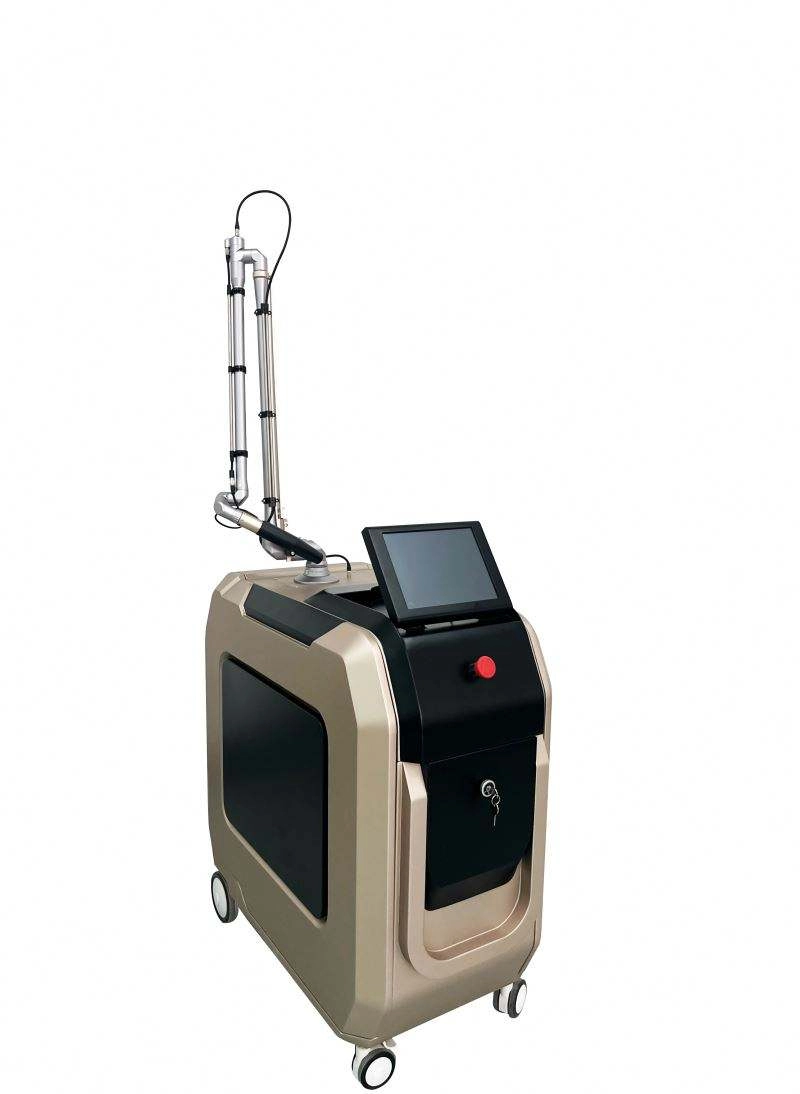
Picosecond Lasers: These lasers deliver ultra-short pulses, generating photoacoustic shockwaves that shatter ink more efficiently than nanosecond pulses from Q-switched lasers. They offer faster clearance, better results on resistant colors, and reduced risk of thermal injury. However, they come with a higher upfront cost.
Q-Switched Lasers: Effective for darker inks like black and blue, but may be less efficient for colored tattoos. They are generally more affordable but may require more sessions for complete removal.
5. What are the risks associated with using low-cost tattoo removal machines?
Opting for inexpensive tattoo removal machines can pose several risks:
Increased Risk of Burns and Scarring: Cheap machines may lack precision, leading to incorrect laser settings that can cause burns, blistering, and permanent scarring.
Incomplete Removal: Low-powered lasers may not effectively break down certain ink colors, resulting in faded but still visible tattoos.
Infection Risk: Unsanitary environments or improper aftercare can lead to infections, slowing healing and potentially causing scarring or pigmentation problems.
6. How can I ensure the safety and effectiveness of my tattoo removal treatments?
To ensure safe and effective tattoo removal:
Choose a Reputable Clinic: Verify the clinic's credentials, ensuring they have certified technicians and comply with local regulations.
Use Appropriate Laser Technology: Ensure the clinic uses the correct laser type for your tattoo's color and depth.
Follow Aftercare Instructions: Adhere to the clinic's aftercare guidelines to promote healing and minimize complications.
7. What are the maintenance requirements for tattoo removal machines?
Regular maintenance is essential for the longevity and optimal performance of tattoo removal machines:
Regular Cleaning: After each session, disassemble and clean all parts thoroughly to remove ink and skin debris. Use appropriate disinfectants and ensure all components are dry before reassembling.
Lubrication: Apply a small amount of high-quality lubricant to moving parts as recommended by the manufacturer. Over-lubrication can attract dirt and debris, so use sparingly.
Regular Inspection: Periodically check for loose screws, worn parts, or damage. Replace any worn components promptly to maintain optimal performance.
8. How do I assess the warranty and after-sales service of a tattoo removal machine?
When evaluating the warranty and after-sales service:
Warranty Duration and Coverage: A comprehensive warranty typically covers the main unit for 1–3 years and consumables for 3–6 months. Ensure the warranty includes parts and labor.
Availability of Replacement Parts: Confirm that spare parts are readily available and that the supplier can provide quick shipping to minimize downtime.
Technical Support: Evaluate the quality and responsiveness of the supplier's technical support, including remote diagnostics and on-site assistance if necessary.
Conclusion: Why Choose HUIMAIN?
When selecting a tattoo removal machine, it's imperative to consider factors such as technology, maintenance, and after-sales support. HUIMAIN stands out in the industry by offering:
Advanced Technology: Utilizing state-of-the-art laser systems for efficient and safe tattoo removal.
Comprehensive Warranty: Providing extensive warranty periods and coverage to ensure peace of mind.
Exceptional After-Sales Service: Offering prompt technical support and readily available replacement parts to minimize downtime.
By choosing HUIMAIN, you invest in quality, reliability, and ongoing support for your tattoo removal needs.
References:


g 5-按摩仪
Is the G5 Vibration Massager safe for all clients?
Yes, it is non-invasive and safe, suitable for most clients. However, it is not recommended for pregnant women or clients with severe medical conditions.
SW7 新款聚焦冲击波
Who can use the SWEED-ESWT device?
Physiotherapists, rehabilitation specialists, sports medicine professionals, and trained medical staff.
A71立式冷波
Is the Onda Coolwave Machine non-invasive?
Yes. The Onda Coolwave Machine is a completely non-invasive body sculpt and skin tightening device with no needles or surgery.
4D童颜刀
How long do results last after treatment?
Results can last 6–12 months, with continuous improvement as collagen regenerates.
cryolipolysis machine
How many treatments are required?
Most clients see results after 1–3 sessions, with optimal outcomes typically achieved after 8–12 weeks.


Get more information
If you have any comments or good suggestions, please leave us a message; later our professional staff will contact you as soon as possible.
Let's Talk
Stay in touch with us for cutting-edge beauty solutions, professional guidance, and customized service.
Contact


Room 307, Building A, Huilong International E-commerce Industrial Park, No. 10 Xipengling Road, Helong Street, Baiyun District, Guangzhou, China
© 2025 HUIMAIN. All Rights Reserved. Privacy Policy | Terms and Conditions | Sitemap
Facebook
Instagram
Medical beauty equipment factory
huimain Medical beauty equipment factory
beauty machine supplier
Whatsapp: +8619124004543