


Combining HIFU with Fillers or Botox: Protocols and Tips
- Combining HIFU with Fillers or Botox: Protocols and Tips
- Overview: Why combination treatments matter for clinicians using a hifu machine
- Basic principles: Safety first when integrating hifu machine treatments with injectables
- Sequencing recommendations: What to do first — HIFU, fillers, or Botox?
- Timing table: Recommended intervals between procedures for hifu machine users
- Sources for timing recommendations
- Practical protocols: Step-by-step workflows for common scenarios with your hifu machine
- Protocol A — HIFU first, then filler (most common)
- Protocol B — Filler first, then HIFU (when immediate volume is required)
- Protocol C — Combining Botox with HIFU
- Treatment planning: Mapping, depth awareness, and avoiding overlap
- Risks, side effects, and how to manage complications when combining modalities
- Clinical documentation and informed consent: what to include for combined hifu machine treatments
- Practical clinic tips: Workflow, patient education, and marketing
- Evidence and outcomes: What the literature and clinical experience tell us about combining HIFU and injectables
- Quick reference table: Advantages and disadvantages of sequencing options for hifu machine clinicians
- HUIMAIN profile: Why choose Guangzhou Huimain Technology Co., Ltd. for hifu machine needs
- HUIMAIN core products and strengths related to hifu machine clinics
- Checklist for clinicians before combining HIFU and injectables
- FAQ — Frequently Asked Questions
- Q1: Can I do HIFU and filler on the same day?
- Q2: How long should I wait between Botox and HIFU?
- Q3: Will HIFU damage hyaluronic acid fillers?
- Q4: Are there special contraindications when combining these treatments?
- Q5: How do I counsel patients about expected timelines for final results?
- Contact and product information — Ready to integrate HIFU solutions in your clinic?
- References and sources

Combining HIFU with Fillers or Botox: Protocols and Tips
Overview: Why combination treatments matter for clinicians using a hifu machine
Combining energy-based devices such as a hifu machine with injectables (hyaluronic acid fillers and botulinum toxin) is increasingly common in modern aesthetic practice. The goal is to maximize non-surgical facial rejuvenation by addressing volume loss, skin laxity, and dynamic lines together. However, combining modalities requires clear protocols to avoid suboptimal results or complications. This article provides practical, evidence-informed guidance for sequencing, timing, and technique when using a hifu machine together with fillers or Botox, plus clinic-ready checklists and FAQs.
Basic principles: Safety first when integrating hifu machine treatments with injectables
Before combining treatments, remember three guiding principles: (1) understand the anatomical planes targeted by each procedure; (2) respect tissue healing timelines; (3) adopt conservative timing when the evidence is limited. A hifu machine creates highly focused thermal coagulation points at specific depths (commonly 1.5 mm, 3.0 mm, and 4.5 mm) to induce collagen remodeling. Fillers occupy dermal, subdermal, or supraperiosteal spaces. Botulinum toxin works at the neuromuscular junction. Minimizing overlap between active treatment zones and recently placed products reduces the risk of displacement, degradation, or unexpected tissue response.
Sequencing recommendations: What to do first — HIFU, fillers, or Botox?
There is no single universally mandated sequence. Clinical practice and limited studies support two conservative, commonly used approaches depending on patient goals and product types.
- Preferred conservative approach for most patients: Perform HIFU first, then inject fillers after tissue settling (2–4 weeks). Consider Botox either same day (for small areas) or 1–2 weeks before/after HIFU depending on muscle dynamics and treatment planning.
- Alternate approach when immediate volumization is needed: Inject deep structural fillers first (supraperiosteal) and wait 2–4 weeks for settling before HIFU; schedule careful, lower-intensity HIFU passes avoiding planes with the filler if possible.
Rationale: HIFU induces immediate, progressive tissue contraction and lifting. Performing fillers immediately before HIFU can change the relationship between filler and soft tissue as contraction unfolds, potentially altering aesthetic placement. Conversely, some practitioners use HIFU first to determine definitive volume needs and then tailor fillers for finishing contours.
Timing table: Recommended intervals between procedures for hifu machine users
The table below summarizes conservative timing recommendations. These are clinical best practices rather than universal mandates; tailor to patient factors and product specifics.
| Combination | Recommended Interval | Rationale |
|---|---|---|
| HIFU → Hyaluronic acid filler | Wait 2–4 weeks | Allows collagen remodeling and tissue tightening to settle before adding volume |
| Hyaluronic acid filler → HIFU | Wait 2–4 weeks (preferably perform HIFU at lower energy settings and avoid direct passes through filler planes) | Minimize heat-related filler alteration and displacement; conservative because evidence limited |
| HIFU → Botox (onabotulinumtoxinA) | Same day acceptable for small areas; ideally wait 1 week | Botox onset (3–7 days) and HIFU-induced remodeling; timing flexible but aim to avoid interfering with neuromodulator effect |
| Botox → HIFU | 1–2 weeks | Allows full neuromodulator uptake and effect before tissue remodeling |
Sources for timing recommendations
These intervals reflect conservative expert consensus in aesthetic practice and device manufacturer guidance. High-quality randomized trials on exact windows are scarce, so erring on the side of safety is recommended.
Practical protocols: Step-by-step workflows for common scenarios with your hifu machine
Below are actionable protocols you can adapt in-clinic. Always document consent and the specific device, cartridge depths, and energy settings used.
Protocol A — HIFU first, then filler (most common)
- Pre-treatment consult: document medical history, prior injectables, and expectations; take standardized photos.
- HIFU procedure: select cartridges based on treatment area (e.g., 4.5 mm for SMAS, 3.0 mm for deep dermis/SMAS, 1.5 mm for superficial dermis). Typical passes: conservative 1–2 passes per line in the face; lower energy in thin skin areas.
- Immediate post-care: cooling, analgesics PRN, instructions for transient erythema or tenderness.
- Follow-up at 2–4 weeks: evaluate tissue tightening and volumes — then inject fillers to fine-tune contours.
Protocol B — Filler first, then HIFU (when immediate volume is required)
- Place deep structural fillers (supraperiosteal or deep subcutaneous) using conservative volumes.
- Wait 2–4 weeks to allow filler integration and edema resolution.
- When performing HIFU, reduce energy or avoid passes that focus at depths overlapping the filler plane; document cartridges and passes carefully.
- Monitor for delayed inflammation; provide clear emergency contact instructions.
Protocol C — Combining Botox with HIFU
- If Botox is primarily for upper face dynamic lines, consider injecting 1–2 weeks before HIFU so neuromodulator effects are established.
- If Botox and HIFU are done same day, prioritize sterility and treatment mapping; avoid excessive manipulation at injection sites immediately after HIFU.
- Document dosing and injection sites clearly; schedule follow-up at 2 weeks.
Treatment planning: Mapping, depth awareness, and avoiding overlap
Successful combination therapy depends on meticulous mapping. Key points:
- Know filler plane: HA fillers used for deep structural support (supraperiosteal) are typically deeper than superficial dermal cartridges on a hifu machine; this difference can reduce direct interactions.
- Avoid high-energy passes directly over recent bolus fillers; if unavoidable, reduce energy and number of lines.
- For areas with thin skin (periorbital, tear trough), use conservative HIFU settings and avoid large-volume fillers immediately prior to HIFU.
- Use ultrasound-imaging HIFU devices if available to visualize tissue layers and any implants or fillers before treatment.
Risks, side effects, and how to manage complications when combining modalities
Combining treatments increases variables and potential for issues. Common concerns and management:
- Transient swelling, bruising, erythema: routine management with cold, analgesics, and time.
- Filler displacement or contour irregularities after tissue contraction: delayed assessment and conservative touch-up with filler or hyaluronidase if HA filler is involved.
- Infection or inflammatory nodules: maintain aseptic technique; for inflammatory nodules consider oral antibiotics, intralesional steroids, or hyaluronidase depending on etiology.
- Neuromuscular changes after combined Botox and HIFU: document baseline muscle function; treat unexpected asymmetry supportively and with follow-up dosing adjustments.
Clinical documentation and informed consent: what to include for combined hifu machine treatments
Comprehensive documentation protects patient and clinician. Include:
- Device make/model and cartridge depths used (important for hifu machine traceability).
- Energy settings, number of lines, and total shots.
- Details of injectables: product, batch, volume, injection plane, and technique.
- Pre- and post-treatment photos, baseline medical history, and signed consent explaining combined-procedure risks and timing plan.
Practical clinic tips: Workflow, patient education, and marketing
Integrating hifu machine combination treatments into clinic flow requires coordination. Tips:
- Offer staged packages: HIFU first with a complimentary 4-week review and optional filler touch-up to increase patient satisfaction and manage expectations.
- Educate patients that tissue remodeling takes months — set realistic timelines for final results (often 3–6 months for HIFU collagen remodeling).
- Train staff to provide clear written aftercare and emergency contact information. Document all communications.
Evidence and outcomes: What the literature and clinical experience tell us about combining HIFU and injectables
High-level evidence specifically addressing exact sequencing and timing is limited. Most guidance derives from device manufacturers, expert consensus, and retrospective clinical reports. Clinical experience suggests that sequencing HIFU before corrective fillers produces fewer surprises, because tissue lift is allowed to stabilize prior to volumizing. Neuromodulators are more flexible in timing but plan for at least short intervals to monitor effect. Always disclose the degree of evidence in patient discussions.
Quick reference table: Advantages and disadvantages of sequencing options for hifu machine clinicians
| Sequence | Advantages | Disadvantages |
|---|---|---|
| HIFU → Filler | Allows lift to define filler needs; fewer surprises; conservative | Requires two visits; patient may want immediate volume |
| Filler → HIFU | Immediate volumization; single-visit result | Risk of displacement/altered contour; need to modify HIFU passes |
| Botox and HIFU (same day) | Convenient for patients; single treatment episode | Harder to judge final neuromodulator effect versus HIFU-induced changes |
HUIMAIN profile: Why choose Guangzhou Huimain Technology Co., Ltd. for hifu machine needs
Guangzhou Huimain Technology Co., Ltd. (HUIMAIN) is a high-tech company specializing in professional beauty machine manufacturing and home-use device series. HUIMAIN integrates research & development, production, sales, and after-sales service. The company operates a 3000-square-meter facility with a skilled team: more than 20% hold bachelor’s degrees and over 40% have junior college degrees. HUIMAIN maintains a strong technical development department with many experienced engineers, product experts, a professional purchasing department, and a dedicated clinical testing and after-sale service team.
With significant R&D investment, HUIMAIN continually develops new products that meet emerging market demand. The company holds CE and SGS approvals and several patents. HUIMAIN products are sold worldwide including China, Southeast Asia, the Middle East, Europe, and North America, and receive high praise for quality and value. HUIMAIN follows OEM and ODM routes, offering design and production capabilities for high-quality medical and beauty machines tailored for clinics and salons.
HUIMAIN core products and strengths related to hifu machine clinics
HUIMAIN manufactures a range of devices that complement HIFU-based treatments and clinic services: Cryolipolysis machine, Ems sculpting machine, Plasma machine, Shockwave machine, Hifu machine, Hydrofacial machine, Cavitation vacuum machine, Laser hair removal, Tattoo removal machine, Micro needle machine. Core competitive strengths include rigorous R&D, quality control, internationally recognized certifications, and comprehensive after-sales support. HUIMAIN’s approach: innovate technology and promote win-win cooperation to produce high-quality beauty machines that meet client market needs.
Checklist for clinicians before combining HIFU and injectables
Use this short checklist to ensure safe, consistent practice:
- Obtain full medical and procedural history (prior fillers, type, date, complications).
- Map treatment areas and depth targets; plan sequence and timing.
- Discuss uncertain evidence and get explicit informed consent for combination therapy.
- Document device settings, cartridges, injectable specifications, and photos.
- Plan follow-up visits at 2–4 weeks and 3 months to assess outcomes and manage touch-ups.
FAQ — Frequently Asked Questions
Q1: Can I do HIFU and filler on the same day?
A1: It is possible in selected cases, especially if fillers are placed deep and conservatively. However, the conservative, evidence-aware approach is to allow 2–4 weeks between HIFU and fillers so that tissue contraction and remodeling have time to stabilize before volumizing. If same-day treatment is preferred, inform the patient about potential need for early touch-up and consent to additional visits.
Q2: How long should I wait between Botox and HIFU?
A2: Waiting 1–2 weeks after Botox before HIFU is a cautious approach to ensure the neuromodulator has reached peak effect. Botox can also be done after HIFU; some clinics perform Botox on the same day for convenience, but document plans and follow up to assess combined effects.
Q3: Will HIFU damage hyaluronic acid fillers?
A3: HIFU focuses thermal energy at specific depths and generally spares deep supraperiosteal fillers if proper settings and spacing are used. There is limited evidence of direct degradation, but conservative timing and avoidance of high-energy passes through known filler planes reduce risk.
Q4: Are there special contraindications when combining these treatments?
A4: Contraindications include active infection in the treatment area, recent isotretinoin use (typically within 6 months), pregnancy or breastfeeding, and certain implanted electronic devices. Recent filler complications should be resolved before adding HIFU. Always review device-specific contraindications for your hifu machine.
Q5: How do I counsel patients about expected timelines for final results?
A5: Explain that HIFU stimulates collagen remodeling over weeks to months (often 3–6 months), while fillers provide immediate volume correction. When combined, final results may be staged: HIFU for lift and skin quality, followed by fillers for contouring once tissues have settled.
Contact and product information — Ready to integrate HIFU solutions in your clinic?
If you are evaluating or ready to purchase a hifu machine or complementary devices, Guangzhou Huimain Technology Co., Ltd. offers a range of CE-certified, SGS-approved equipment with OEM/ODM services and strong after-sales support. Contact our sales team to discuss device specifications, clinical training, and pricing. For inquiries: contact customer service or visit our product catalog to view hifu machines and related devices tailored to clinic needs.
References and sources
- Peer-reviewed reviews on High-Intensity Focused Ultrasound (HIFU) for facial rejuvenation (PubMed/PMC literature reviews, 2016–2023).
- Manufacturer and expert consensus guidance on energy-based device use with dermal fillers (aesthetic clinical practice guidelines, 2018–2024).
- Product safety and regulatory guidance from the US FDA and CE conformity documentation for energy-based aesthetic devices.
- Clinical practice resources and consensus statements from aesthetic societies regarding timing and safety for combined treatments (Aesthetic Society, 2017–2022).
Note: Specific randomized controlled trials directly comparing sequencing strategies are limited; recommendations here reflect conservative, practice-based consensus and device-specific guidance. Clinicians should combine these recommendations with their clinical judgment and device instructions for use.
Document prepared to help clinicians integrate hifu machine treatments safely and effectively with injectable therapies. Always individualize care and follow local regulations and device labeling.
CRL-6
Do you offer training and support?
Yes, we provide full training materials, user manuals, and online technical support. OEM distributors also get sales support.
HMT72R
What kind of results can clients expect?
In a typical 30-minute session, the device can induce thousands of muscle contractions, equivalent to a full workout. Clients can expect to see an increase in muscle tone and a reduction in fat thickness over a series of sessions. Results are most visible 1-3 months after the final treatment.
EMS + Cryo Slimming Machine
Who can use the EMS + Cryo Slimming Machine?
This Cryolipolysis and EMS body sculpting machine is suitable for:
-
Beauty salons, med spas, and body contouring centers
-
Weight loss clinics and wellness studios
-
Professional estheticians and distributors seeking multifunction slimming solutions
It’s designed for both men and women who want to reduce stubborn fat and improve muscle definition non-surgically.
台式欧洲之星
Is CO2 fractional laser treatment painful?
Patients may feel mild discomfort, but cooling systems and numbing options make it very tolerable.
ulthra超声刀
Does HIFU treatment cause pain or downtime?
Most clients experience minimal discomfort. There is no downtime, and normal activities can resume immediately.

Fusion HIFU Machine – Professional High Intensity Focused Ultrasound Skin Lifting System
The Fusion HIFU Machine is a professional non-invasive aesthetic device designed for advanced skin lifting, tightening, and facial rejuvenation treatments. Utilizing High Intensity Focused Ultrasound (HIFU) technology, the system precisely delivers focused ultrasound energy into targeted skin layers to stimulate collagen regeneration without damaging the skin surface.
This Fusion HIFU machine features a smart touch screen interface, adjustable energy levels, and multiple depth cartridges, making it suitable for both facial anti-aging treatments and body contouring applications. The ergonomic dual-handle design ensures stable operation and high treatment efficiency, while the intelligent cooling system enhances client comfort during procedures.
Ideal for professional beauty clinics and medical aesthetic centers, the Fusion HIFU Machine provides visible lifting and tightening results with minimal downtime, helping operators deliver safe, effective, and long-lasting treatments.
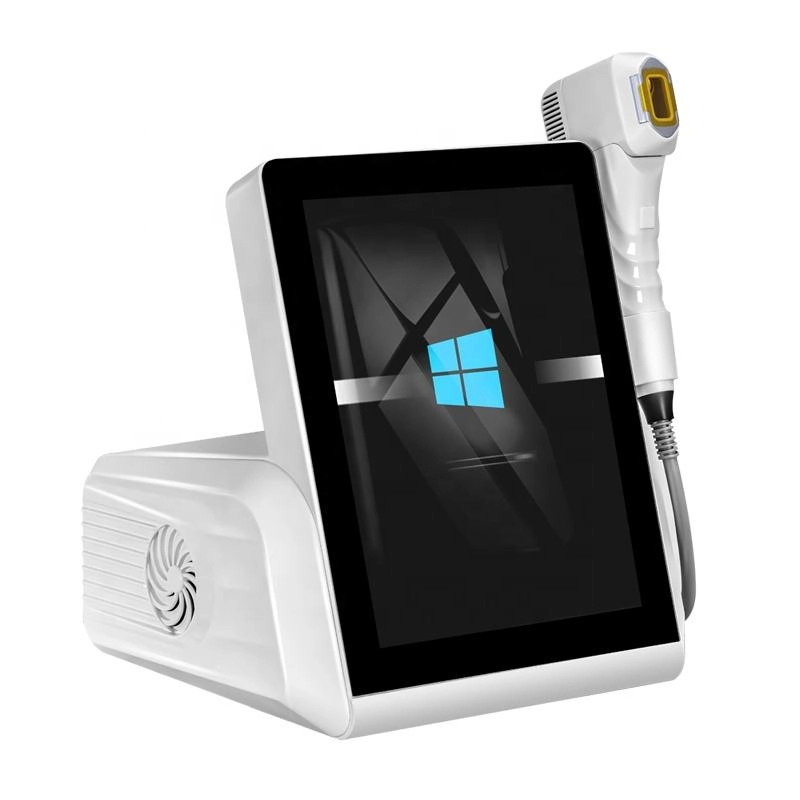
12D High Intensity Focused Ultrasound (HIFU) Facial Machine – Single-Handle Professional Lifting & Tightening Device
The 12D Single-Handle High Intensity Focused Ultrasound (HIFU) Facial Machine is a professional-grade non-invasive aesthetic device designed to deliver precise lifting, firming, and wrinkle reduction. Powered by advanced High Intensity Focused Ultrasound (HIFU) technology, the device delivers micro-focused energy into the SMAS and deep dermal layers to stimulate collagen regeneration and enhance skin elasticity.
Featuring a single ergonomic HIFU handle and a 15-inch intelligent touch interface, this machine is ideal for beauty salons and clinics seeking a compact yet powerful lifting solution. With multi-layer 12D energy output, it provides more coverage per shot, ensuring faster treatments and long-lasting results with no downtime.
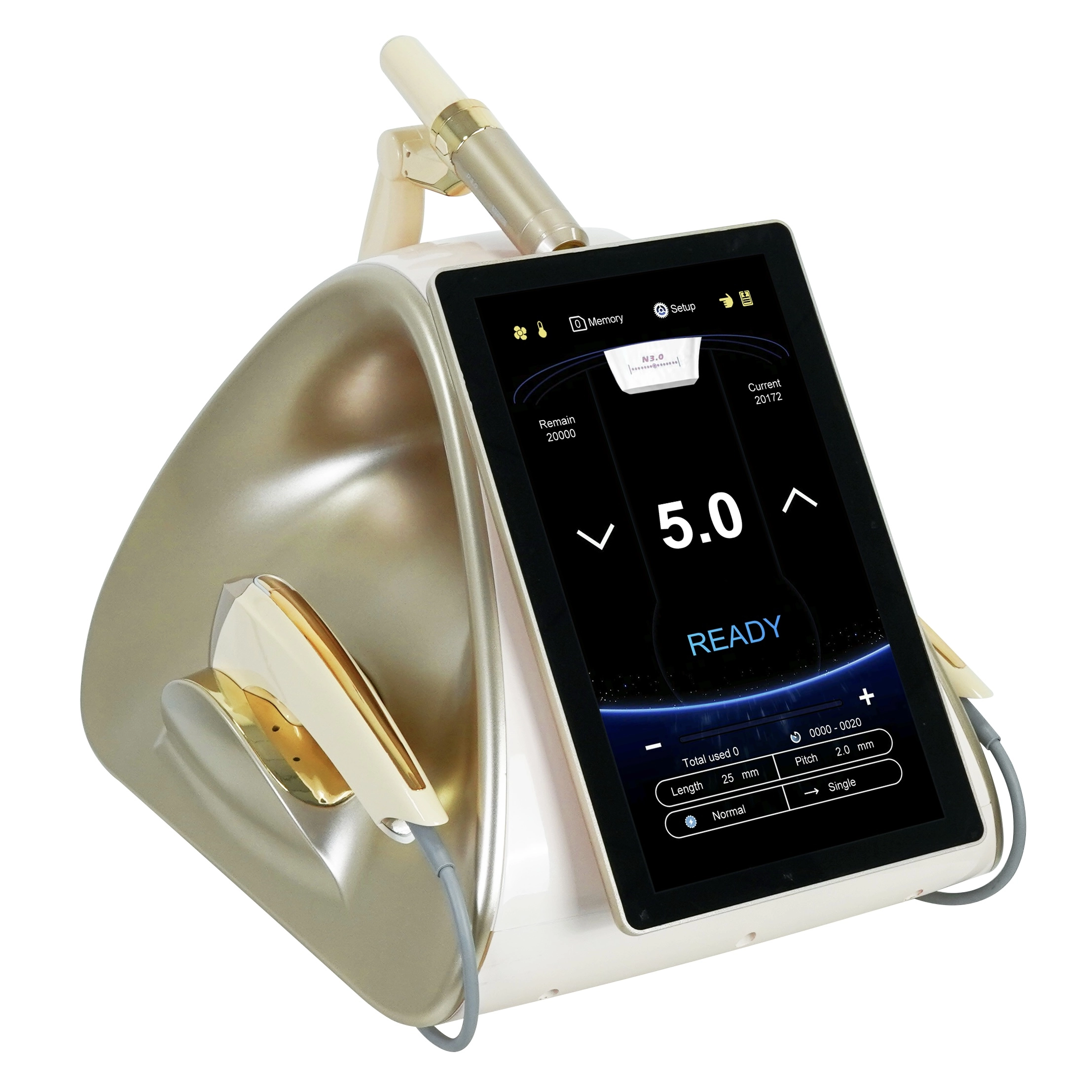
Mantis Knife HIFU Machine | Non‑Invasive Anti‑Aging & Skin Tightening System
The Mantis Knife HIFU Machine is a next‑generation HIFU machine designed for precise, non‑invasive anti‑aging and skin lifting treatments. Using advanced High‑Intensity Focused Ultrasound technology, this system delivers focused ultrasound energy directly into deep skin layers, effectively stimulating collagen regeneration without damaging the surface skin.
This professional HIFU machine offers painless, safe, and comfortable treatments, making it ideal for beauty salons, medical aesthetic clinics, and SPA centers seeking high‑performance non‑surgical lifting solutions. The Mantis Knife design ensures enhanced precision and stable energy output, delivering visible tightening, wrinkle reduction, and contouring results.
With a smart touch screen interface, adjustable energy levels, and dual treatment modes, the Mantis Knife HIFU Machine provides customized treatments for facial rejuvenation and body tightening, helping businesses increase treatment effectiveness and client satisfaction.
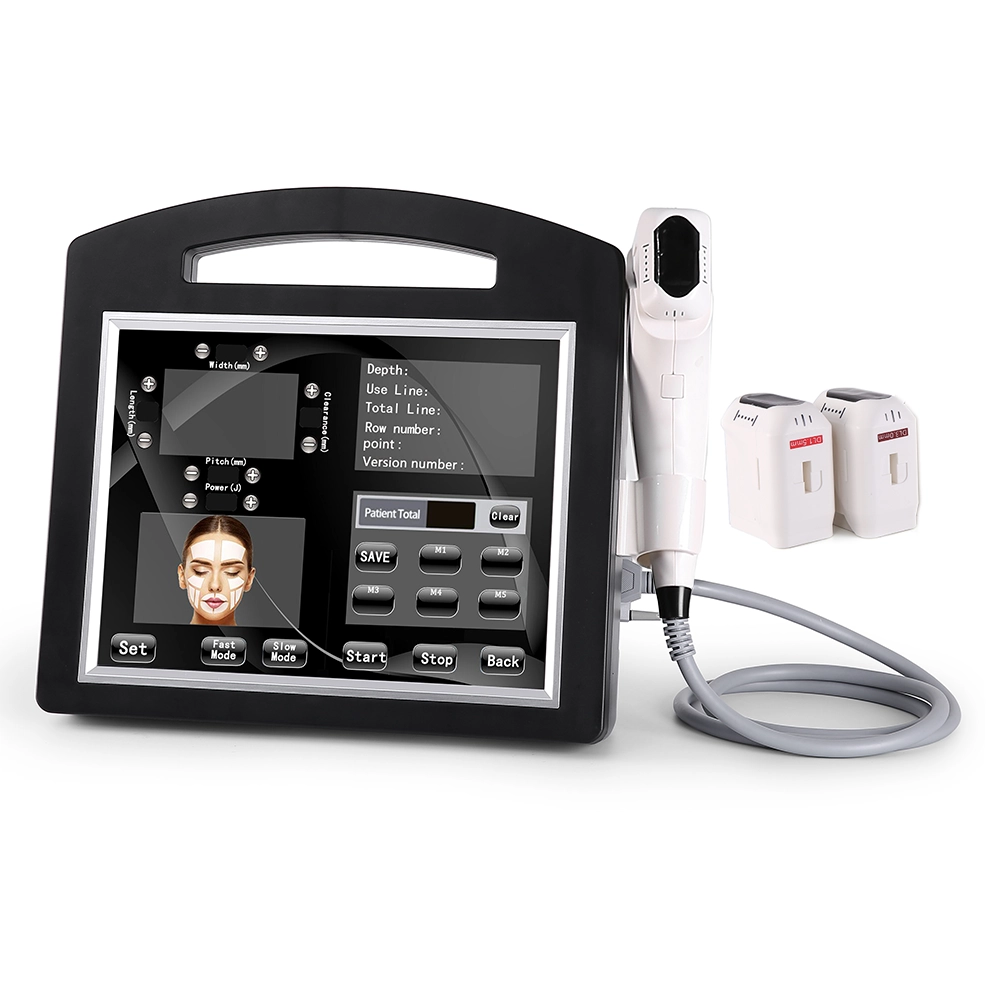
4D HIFU Machine | Professional Non-Invasive Face & Body Lifting System
The 4D HIFU Machine is a professional-grade 4D HIFU machine designed for non-invasive skin lifting, tightening, and anti-aging treatments. Utilizing advanced 4D High-Intensity Focused Ultrasound technology, the system delivers focused ultrasound energy to multiple skin depths in a single treatment, significantly improving lifting efficiency and treatment results.
This advanced 4D HIFU machine effectively stimulates collagen and elastin regeneration while maintaining a safe, painless, and non-invasive treatment experience. With a smart touch screen interface, adjustable energy levels, and multi-depth cartridges, it allows practitioners to customize treatments for different facial and body areas.
Ideal for beauty salons, SPA centers, and medical aesthetic clinics, the 4D HIFU Machine helps businesses offer high-demand non-surgical lifting services with visible, long-lasting results and minimal downtime.
Get more information
If you have any comments or good suggestions, please leave us a message; later our professional staff will contact you as soon as possible.
Let's Talk
Stay in touch with us for cutting-edge beauty solutions, professional guidance, and customized service.
Contact


Room 307, Building A, Huilong International E-commerce Industrial Park, No. 10 Xipengling Road, Helong Street, Baiyun District, Guangzhou, China
© 2025 HUIMAIN. All Rights Reserved. Privacy Policy | Terms and Conditions | Sitemap
Facebook
Instagram
Medical beauty equipment factory
huimain Medical beauty equipment factory
beauty machine supplier
Whatsapp: +8619124004543