


How to Maintain, Clean, and Extend Your Facial Machine's Life
- How to Maintain, Clean, and Extend Your Facial Machine's Life
- Why regular maintenance matters for your facial machine
- Daily cleaning: quick steps to follow after every treatment
- Weekly maintenance: deeper cleaning and inspection
- Monthly tasks: calibration checks and consumables review
- Quarterly and annual professional servicing
- Cleaning solutions and disinfectants that are safe for facial machines
- Handling and storage: keep your facial machine safe between uses
- Handpiece and probe care: prolong high-touch components
- Filters, water systems, and consumables: routine replacement schedule
- Software updates and calibration: keep performance consistent
- Basic troubleshooting: quick fixes before calling service
- Safety checks: protect clients and staff
- Lifespan expectations: what to expect with good vs poor maintenance
- Cost-benefit comparison: maintenance vs repair or replacement
- Training staff: an essential part of device longevity
- Documenting maintenance: why records matter
- About Guangzhou Huimain Technology Co., Ltd. — Your partner in reliable facial machines
- Huimain’s strengths and manufacturing capabilities
- Key products and advantages of Huimain facial and body machines
- Frequently Asked Questions (FAQ)
- How often should I deep-clean my facial machine?
- Which disinfectant is safest for facial machine handpieces?
- Can I sterilize handpieces in an autoclave?
- How do I know when to replace consumable parts?
- What records should I keep for regulatory compliance?
- Where can I get spare parts and professional servicing?
- How much can regular maintenance save my clinic?
- Sources
How to Maintain, Clean, and Extend Your Facial Machine's Life
Why regular maintenance matters for your facial machine
Keeping a facial machine clean and well maintained protects clients, preserves performance, and reduces long-term costs. A well-cared-for facial machine delivers consistent treatment parameters, avoids cross-contamination risks, lowers downtime, and extends usable life—helping clinics and salons maintain reputation and profitability. The keyword facial machine should guide your routines and purchasing decisions because professional upkeep is an investment in both safety and ROI.
Daily cleaning: quick steps to follow after every treatment
After each client session, perform a quick but thorough cleaning of user-contact surfaces and handpieces. Wipe down screens, handpieces, probes, and any surfaces that touched skin using a soft microfiber cloth and a manufacturer-approved disinfectant (70% isopropyl alcohol is commonly suitable for non-porous surfaces). Remove gels or serums immediately to prevent residue buildup. For facial machine handpieces, detach consumables if applicable and inspect O-rings and seals. Doing these short tasks daily prevents contamination and keeps your device ready for the next appointment.
Weekly maintenance: deeper cleaning and inspection
On a weekly basis, perform a deeper cleaning: remove and clean detachable components (filters, trays, gel chambers), vacuum vents with low-pressure tools to remove dust, and check for visible wear on cables and connectors. Run self-tests if your facial machine includes diagnostics. Replace disposable items used during treatments and log the weekly inspection in your maintenance record. Regular weekly checks catch small issues before they become service calls.
Monthly tasks: calibration checks and consumables review
Monthly maintenance should include a performance check and consumables review. Verify power output levels or intensity settings by comparing them to baseline values recorded when the unit was new or last professionally calibrated. Check water lines, reservoirs, and any filters for algae or mineral buildup; flush or replace if necessary. Confirm that software/firmware hasn’t released critical updates and schedule them during low-use hours. Accurate monthly attention keeps a facial machine performing predictably.
Quarterly and annual professional servicing
Schedule professional servicing quarterly for high-use machines and at least once a year for standard clinic equipment. A certified technician will perform in-depth electrical safety tests, calibration, performance validation, and replace worn internal parts. Many manufacturers recommend annual calibration for light-based and energy-delivery devices to ensure output accuracy. Proper service documentation also supports warranty claims and helps meet regulatory or insurance requirements.
Cleaning solutions and disinfectants that are safe for facial machines
Use cleaning agents approved by your device manufacturer. For most non-porous surfaces, 70% isopropyl alcohol is effective. Avoid harsh abrasives, bleach (unless manufacturer-approved), and high-concentration solvents that can degrade plastics, seals, and coatings. For handpieces contacting mucous membranes or invasive use, follow medical-grade disinfection protocols—high-level disinfectants or sterilization processes as required. Always test a small area when trying a new product and keep Material Safety Data Sheets (MSDS) on file.
Handling and storage: keep your facial machine safe between uses
Store devices in a clean, dry room away from direct sunlight and humidity. Many manufacturers recommend ambient conditions such as 15–30°C and relative humidity below 60%, but always follow your user manual. Wrap and secure cables to prevent flex fatigue; avoid sharp bends. If a facial machine includes liquids (e.g., hydrofacial systems), drain lines when storing for extended periods. Proper storage reduces corrosion, electrical faults, and premature wear.
Handpiece and probe care: prolong high-touch components
Handpieces and probes typically wear fastest because they are handled and sterilized often. Inspect seals, O-rings, and connection pins for wear or discoloration and replace these parts per the manufacturer's recommended interval. Clean optics (for laser-based facial machines) with lens-safe solutions and avoid touching lens surfaces with bare fingers. Keep a ready stock of common replacement consumables to avoid downtime.
Filters, water systems, and consumables: routine replacement schedule
Replace air and water filters according to the manufacturer's schedule or sooner if you operate in dusty environments. For devices with water tanks (e.g., hydrofacial machine), use distilled water and replace it daily; sanitize tanks weekly. Maintain an inventory schedule for consumables such as filters, tips, gels, and single-use parts to ensure uninterrupted service.
Software updates and calibration: keep performance consistent
Keep firmware and software updated to receive performance improvements and safety patches. For energy-based facial machines (laser, RF, HIFU), annual calibration by authorized technicians ensures output matches settings. Maintain records of firmware versions and calibration certificates to demonstrate compliance and to troubleshoot inconsistencies in treatment results.
Basic troubleshooting: quick fixes before calling service
When a facial machine shows an issue, run basic checks first: ensure power connections are firm, circuit breakers haven’t tripped, fuses are intact, and software versions are current. If output seems low, confirm settings and consumable condition (worn tips reduce energy delivery). For unusual noises or error codes, consult the manual’s diagnostic section and log error numbers before contacting support—this speeds up technical assistance.
Safety checks: protect clients and staff
Regularly inspect grounding, insulation, and clinician controls. Test emergency stop functions and interlocks quarterly. Ensure staff are trained to use personal protective equipment (PPE) as required for each treatment modality, especially for light-based systems (laser/IPL). Maintain communication protocols for immediate response if a device behaves abnormally during treatment.
Lifespan expectations: what to expect with good vs poor maintenance
With proper maintenance, a professional facial machine can reliably serve 5–10 years or more, depending on usage intensity, type of device, and build quality. Without routine care and timely part replacement, lifespan can drop to 2–4 years and performance becomes inconsistent. The table below summarizes common expectations.
| Maintenance Level | Typical Lifespan (Professional Unit) | Performance & Downtime |
|---|---|---|
| Proper daily/weekly/monthly care + annual servicing | 7–10 years | Consistent output, low downtime, warranty compliance |
| Irregular maintenance, no professional servicing | 3–5 years | Decreasing performance, higher repair frequency |
| Poor care and neglect | 1–3 years | Frequent failures, safety risks, inconsistent results |
Cost-benefit comparison: maintenance vs repair or replacement
Routine maintenance costs (cleaning supplies, minor parts) are typically a fraction of the cost of major repairs or device replacement. Investing in scheduled servicing and staff training often yields better lifetime value and less disruption to business. The table below offers a simple comparison of typical annualized costs (illustrative ranges):
| Expense Type | Typical Annual Cost (USD) | Notes |
|---|---|---|
| Cleaning supplies & consumables | 200–800 | Depends on clinic size and usage |
| Professional servicing & calibration | 300–1,500 | Higher for energy-based devices |
| Major repairs / part replacement | 500–5,000+ | Costs vary widely by device and warranty |
Training staff: an essential part of device longevity
Train all operators on device-specific cleaning, correct attachment handling, and basic troubleshooting. Keep an operations manual accessible and logbook entries for cleaning and service. Well-trained staff avoid common mistakes that cause premature wear, such as excessive force on connectors, incorrect consumable installation, or using unauthorized cleaning chemicals.
Documenting maintenance: why records matter
Keep a maintenance log that records daily cleaning, weekly inspections, monthly checks, servicing dates, and any repairs. Documentation demonstrates compliance, supports warranty claims, and provides a history that helps technicians diagnose recurring issues faster. Use digital logs for easy searching and to attach relevant photos or error screenshots.
About Guangzhou Huimain Technology Co., Ltd. — Your partner in reliable facial machines
Huimain’s strengths and manufacturing capabilities
Guangzhou Huimain Technology Co., Ltd. is a high-tech beauty machine manufacturer with capabilities in R&D, production, sales, and after-sale service. Huimain operates a 3,000 m² facility and employs a technically strong team—over 20% hold bachelor’s degrees and more than 40% have junior college qualifications. The company has a robust development department, experienced engineers, clinical testing capabilities, and a dedicated after-sales team. Huimain emphasizes OEM and ODM development, CE and SGS approvals, and has secured multiple patents for product innovations.
Key products and advantages of Huimain facial and body machines
Huimain supplies a broad range of devices with reliable quality and competitive pricing. Main products include Cryolipolysis machine, Ems sculpting machine, Plasma machine, Shockwave machine, HIFU machine, Hydrofacial machine, Cavitation vacuum machine, Laser hair removal, Tattoo removal machine, and Micro needle machine. Advantages include thorough R&D, clinical testing, experienced manufacturing, and strong after-sales support—helping salons and clinics keep equipment well-maintained and compliant.
Frequently Asked Questions (FAQ)
How often should I deep-clean my facial machine?
Perform a deep clean weekly and a full professional service annually. If your clinic is high-volume, consider quarterly professional checks. Always follow the device manufacturer’s manual for specific intervals.
Which disinfectant is safest for facial machine handpieces?
Use manufacturer-approved disinfectants. For most non-porous surfaces, 70% isopropyl alcohol is suitable. For invasive or mucous-contact components, use high-level disinfectants specified by the manufacturer.
Can I sterilize handpieces in an autoclave?
Only if the manufacturer explicitly states the handpiece is autoclave-safe. Many modern handpieces contain electronics or optics that must not be autoclaved. Refer to the user manual or your supplier.
How do I know when to replace consumable parts?
Replace consumables according to the manufacturer’s guidance or when you observe wear—cracked O-rings, degraded seals, diminished energy output, or visible damage. Keep spares to prevent service interruptions.
What records should I keep for regulatory compliance?
Maintain maintenance logs, calibration certificates, software update history, and repair invoices. These documents support warranty claims, audits, and clinical safety requirements.
Where can I get spare parts and professional servicing?
Obtain spare parts and authorized servicing from the device manufacturer or certified service partners. For Huimain devices, the company provides OEM/ODM parts, clinical testing support, and after-sale service to global markets.
How much can regular maintenance save my clinic?
While exact savings vary, routine maintenance typically reduces expensive repairs and downtime, improving equipment lifetime and client throughput. Preventive care is almost always more cost-effective than frequent major repairs or early replacement.
Sources
Manufacturer user manuals and industry best-practice guidelines; company-provided information about Guangzhou Huimain Technology Co., Ltd.; general medical device maintenance standards and common-sense cleaning/disinfection recommendations.
HMT22
Can I use this machine at home?
Yes, the machine is designed for both professional and personal use. However, for optimal results, following the manufacturer's guidelines and consulting with professionals is recommended.
About Distributor
Are you a factory or a trading company?
We are a manufacturer with over 3,000㎡ of production area, our own R&D team, and in-house production facilities. We support both OEM and ODM services.
台式欧洲之星
How many sessions are needed for visible results?
Most clients see improvements after 1–2 sessions, with optimal results after 3–5 treatments.
JHF-53
Is this HIFU machine suitable for professional use?
Yes, this HIFU machine is designed for professional use in clinics and beauty salons.
HMT52
What kind of after-sales support do you provide for B2B partners?
We provide comprehensive B2B support, including a detailed user manual, online and video tutorials, and dedicated technical support. Our goal is to ensure your team is fully trained and confident in operating the machine to its full potential.

CO2 Fractional Laser Machine – Professional Wrinkle Removal & Skin Resurfacing Device
The CO2 Fractional Laser Machine is a multifunctional aesthetic device designed for professional clinics and beauty salons. Using advanced fractional CO2 laser technology, it effectively targets acne scars, freckles, pigmentation, nevi, and deep wrinkles. Additionally, it provides non-invasive skin rejuvenation, vaginal tightening, and intimate beautification. This professional CO2 laser equipment combines precision, safety, and powerful energy output to deliver outstanding anti-aging and dermatological results.

5-in-1 40K Cavitation Vacuum Machine for Body Slimming & Fat Reduction
The 5-in-1 40K Cavitation Vacuum Machine is a professional body shaping system designed for fat reduction, cellulite smoothing, and overall body contouring. Using 40KHz ultrasonic cavitation, this device breaks down stubborn fat cells, while vacuum suction improves lymphatic drainage and accelerates toxin removal.
With multiple RF tightening handles, the machine stimulates collagen regeneration and helps lift and firm loose areas of the body. Compact, powerful, and easy to operate, it is the perfect solution for beauty salons, spa centers, and slimming studios seeking fast and visible fat-reduction results.
This cavitation vacuum machine is built to deliver safe, non-invasive treatments with no downtime—making it a top choice for body contouring professionals.

6-in-1 Multifunctional Beauty and Weight Loss Machine | Cavitation, RF, Vacuum PDT, EMS, Laser Slimming Equipment for Professional Use
The 6-in-1 Multifunctional Beauty and Weight Loss Machine is a professional-grade device designed for salons, clinics, and distributors. Combining six advanced technologies—cavitation, RF (radio frequency) for face & body, vacuum RF PDT, BIO/EMS microcurrent, and laser lipo pads—this device offers comprehensive body contouring, fat reduction, skin tightening, and anti-aging treatments.
It provides businesses with an all-in-one solution to expand service offerings, attract more clients, and achieve a rapid return on investment.
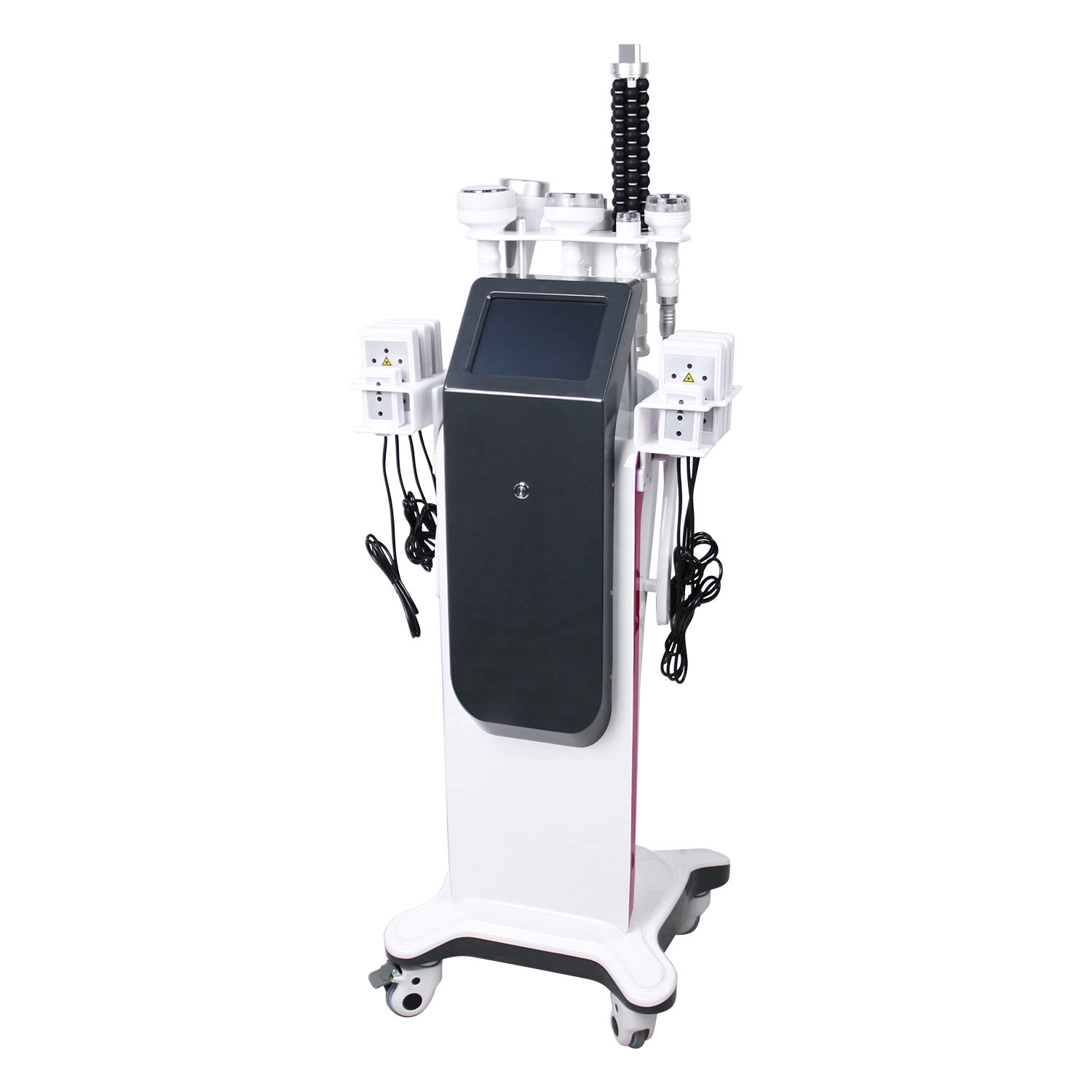
Professional 6-in-1 Cavitation Vacuum Machine for Body Contouring & Slimming Treatment
The 6-in-1 Cavitation Vacuum Machine is a professional body contouring system designed for salons and spas seeking high-performance slimming solutions. This machine integrates 40K ultrasonic cavitation, vacuum suction, RF technology, and laser lipolysis to target stubborn fat, enhance lymphatic drainage, tighten the skin, and contour the body shape effectively.
Equipped with multiple ergonomic handles and a smart touch screen, this cavitation vacuum machine provides a comfortable and efficient experience for both operators and clients. It is ideal for full-body treatments including abdomen, arms, legs, waistline, hips, and back.
Perfect for beauty salons, spas, and aesthetic centers that want to offer non-invasive fat reduction and body-sculpting services.
Get more information
If you have any comments or good suggestions, please leave us a message; later our professional staff will contact you as soon as possible.
Let's Talk
Stay in touch with us for cutting-edge beauty solutions, professional guidance, and customized service.
Contact


Room 307, Building A, Huilong International E-commerce Industrial Park, No. 10 Xipengling Road, Helong Street, Baiyun District, Guangzhou, China
© 2025 HUIMAIN. All Rights Reserved. Privacy Policy | Terms and Conditions | Sitemap
Facebook
Instagram
Medical beauty equipment factory
huimain Medical beauty equipment factory
beauty machine supplier
Whatsapp: +8619124004543