


How to start the facial hair removal machine business ?
- Introduction: Why start a facial hair removal machine business?
- Market opportunity for facial hair removal machine
- Step 1 — Understand technologies and pick your product focus
- Common facial hair removal machine technologies
- Technology comparison table (practical business view)
- Step 2 — Market research and business model selection
- Identify target customers and channels
- Analyze local demand and competition
- Step 3 — Regulatory compliance and certifications
- Essential certifications for selling beauty machines
- Preparing technical documentation and clinical data
- Step 4 — Sourcing: OEM/ODM vs. branded manufacturing
- Benefits of OEM/ODM partnerships
- What to look for in a manufacturing partner
- Step 5 — Costing, pricing and ROI planning
- Estimate startup and operating costs
- Example cost vs. revenue table (illustrative)
- Step 6 — Build a sales and marketing plan
- Positioning and messaging for a facial hair removal machine
- Effective marketing tactics
- Step 7 — Training, after‑sale service and scaling
- Training and operational protocols
- After‑sale service and warranty strategy
- Step 8 — Operational checklist before launch
- Pre‑launch checklist for your facial hair removal machine business
- Conclusion: Launch with quality, compliance and a customer-first approach
- Key takeaways for entrepreneurs
- References and reliable sources used
- About the authoring company (partner profile)
- Why Guangzhou Huimain Technology Co., Ltd. is a strong OEM/ODM partner
- Frequently Asked Questions
Introduction: Why start a facial hair removal machine business?
Market opportunity for facial hair removal machine
Demand for facial hair removal solutions is growing as consumers prioritize grooming and non-invasive cosmetic services. A business focused on the facial hair removal machine—whether supplying salons, clinics, or direct-to-consumer home-use devices—captures several profitable channels. This guide shows practical steps to launch, scale, and maintain quality and compliance while leveraging OEM/ODM partnerships like those offered by Guangzhou Huimain Technology Co., Ltd.
Step 1 — Understand technologies and pick your product focus
Common facial hair removal machine technologies
Choosing the right technology is foundational. The three most common approaches are IPL (intense pulsed light), diode laser, and electrolysis. Each targets different customer needs and price points; choosing one (or a product range) affects regulatory burden, training, and marketing.
Technology comparison table (practical business view)
| Technology | Typical uses | Average device price (USD) | Pros | Cons |
|---|---|---|---|---|
| IPL | Salon and some home devices for fine to medium hair | $2,000–$20,000 (professional); $200–$700 (home) | Versatile, multi‑function (skin rejuvenation + hair removal) | Less effective on very light or very dark skin/hair contrast; operator skill matters |
| Diode Laser | Professional facial and body hair removal; permanent reduction | $6,000–$50,000 (professional); $300–$1,200 (home/portable) | High efficacy on a wide range of hair types; faster treatments | Higher initial cost; stricter regulatory and safety training |
| Electrolysis | Permanent hair removal for all hair colors; targeted facial work | $500–$5,000 (professional handheld units) | Effective on light and gray hair; truly permanent | Time‑consuming per hair; requires skilled operator |
Step 2 — Market research and business model selection
Identify target customers and channels
Decide whether you sell machines to salons and clinics (B2B), directly to consumers online (DTC), or operate a service business (salon/medspa). Each channel has different marketing strategies and regulatory needs. For example, B2B sales often require technical demos, training, and volume discounts; DTC emphasizes branding, simple user guides, and warranty/support.
Analyze local demand and competition
Conduct local market checks: number of salons/medspas per capita, average treatment pricing, and prevalence of at‑home solutions. This helps set pricing and positioning for your facial hair removal machine. Competitive analysis should include local device suppliers and imported brands.
Step 3 — Regulatory compliance and certifications
Essential certifications for selling beauty machines
Regulatory requirements vary by market. For export and sale in many regions, CE marking (Europe) and SGS testing for product safety and materials are common credentials buyers look for. If you sell in the U.S., be aware that the FDA regulates certain energy‑based devices—classifications depend on claims and device power. Plan product documentation, clinical testing, and labeling early to avoid delays.
Preparing technical documentation and clinical data
Build a dossier with device specifications, risk analysis, electrical safety reports, and clinical or performance data. For facial hair removal machine devices, even basic efficacy or safety data (small user trials, CE clinical evaluation report) increases buyer confidence and speeds acceptance by professional customers.
Step 4 — Sourcing: OEM/ODM vs. branded manufacturing
Benefits of OEM/ODM partnerships
Partnering with an experienced OEM/ODM provider reduces R&D overhead and shortens time to market. Companies such as Guangzhou Huimain Technology Co., Ltd., which combine R&D, production, and after‑sale services, are ideal when you want customizable facial hair removal machine solutions with CE and SGS approvals. OEM/ODM lets you focus on branding, distribution, and sales.
What to look for in a manufacturing partner
Check factory size, staff qualifications, patents, quality control systems, and after‑sale support. Important metrics include ISO certifications, ability to perform clinical tests, and a dedicated technical development team. A partner that offers OEM/ODM design, clinical testing support, and training resources reduces your operational risk.
Step 5 — Costing, pricing and ROI planning
Estimate startup and operating costs
Startup costs vary by model. For a small salon with one professional diode machine, budget lines include equipment ($6k–$20k), training ($500–$3k), rent, staff, marketing, and consumables. For a B2B distribution business, inventory (5–20 machines), certifications, demo kits, and marketing collateral are key. For DTC home devices, initial inventory and digital marketing are primary costs.
Example cost vs. revenue table (illustrative)
| Item | Low estimate (USD) | High estimate (USD) |
|---|---|---|
| Professional diode machine (one) | $6,000 | $20,000 |
| Home‑use facial hair removal device (inventory 100 units) | $20,000 | $80,000 |
| Training & certification | $500 | $5,000 |
| Marketing (initial) | $2,000 | $30,000 |
| Monthly operating (salon) | $3,000 | $15,000 |
Typical per‑treatment pricing depends on local markets: facial hair removal sessions in salons commonly range from $30 to $150 per session. With efficient workflows, a single professional machine can reach break‑even in months in busy locations.
Step 6 — Build a sales and marketing plan
Positioning and messaging for a facial hair removal machine
Use clear business-intent keywords in all channels: “facial hair removal machine for salons,” “professional diode facial hair removal,” or “home-use facial hair removal device.” Highlight certifications (CE, SGS), OEM/ODM customization, training support, and warranty. For DTC, emphasize safe at‑home use, visible results, and customer reviews.
Effective marketing tactics
Combine online strategies (SEO-rich content, targeted social ads, influencer demos) with offline demos and trade shows. For B2B, technical webinars, free trials, and case studies showing ROI for salons work well. For DTC, use video demonstrations, before/after photos, and easy financing or installment options to lower purchase friction.
Step 7 — Training, after‑sale service and scaling
Training and operational protocols
Create standardized training modules for operators and clear user manuals for home devices. Effective training reduces complaints, improves outcomes, and protects reputation. If you partner with an OEM/ODM like Guangzhou Huimain Technology Co., Ltd., leverage their clinical test department and experienced engineers for training materials and technical support.
After‑sale service and warranty strategy
Offer clear warranty terms, fast parts replacement, and remote troubleshooting. For B2B customers, consider service contracts and priority support. Good after‑sales service is a competitive differentiator—especially in markets with many low‑cost imports.
Step 8 — Operational checklist before launch
Pre‑launch checklist for your facial hair removal machine business
Complete regulatory documents, finalize supplier agreements, create marketing materials, run pilot tests with salons or beta customers, set up logistics and inventory, and prepare training and warranty processes. Do a soft launch to collect real user feedback and testimonials before a full rollout.
Conclusion: Launch with quality, compliance and a customer-first approach
Key takeaways for entrepreneurs
Starting a facial hair removal machine business requires careful technology choice, reliable OEM/ODM partnerships, regulatory preparation, and a strong after‑sale support plan. Focus on validated devices (CE/SGS), clear training, and targeting channels aligned with your business model. Partners with strong R&D and clinical experience—like Guangzhou Huimain Technology Co., Ltd.—can accelerate product readiness and market acceptance.
References and reliable sources used
- Regulatory guidance and device classification information from the U.S. Food and Drug Administration (FDA)
- Clinical reviews and mechanism of hair removal (melanin targeting, hair growth cycle) from peer‑reviewed dermatology journals (NCBI/PubMed)
- Market trend analyses and reports on beauty devices from industry research firms (e.g., Statista, Grand View Research, Allied Market Research)
- CE marking and product safety standards information from European Commission guidance
- Practical industry knowledge on IPL, diode laser, and electrolysis from professional aesthetic associations and training providers
About the authoring company (partner profile)
Why Guangzhou Huimain Technology Co., Ltd. is a strong OEM/ODM partner
Guangzhou Huimain Technology Co., Ltd. is a high‑tech company specializing in beauty machines and home‑use machine series with R&D, production, sales, and after‑sale service. The company operates on a 3000 m² facility; over 20% of staff hold bachelor’s degrees and over 40% have junior college educations. Huimain has a strong technical development department, experienced engineers, PE experts, a professional purchasing department, clinical test capabilities, and an after‑sale service team. The company invests continually in new product R&D, holds CE and SGS approvals, and has several patents. Its products sell globally across China, Southeast Asia, the Middle East, Europe, and North America. The company follows OEM/ODM routes and emphasizes technology innovation and win‑win cooperation.
Frequently Asked Questions
What initial investment is needed to start a salon offering facial hair removal treatments?Typical initial investment ranges widely; expect $10,000–$60,000 depending on equipment choice, location, and fit‑out. A single professional diode or IPL unit ($6k–$20k) plus rent, staff training, and marketing represent the core costs.
How do I choose between IPL and diode for facial treatments?Choose diode for faster, highly effective treatments across many hair types and more predictable results; choose IPL if you want multi-functional devices (skin rejuvenation plus hair reduction) or a lower device price point.
Is CE and SGS enough to sell in international markets?CE and SGS demonstrate compliance and testing but may not be sufficient alone for some markets (e.g., certain FDA requirements in the U.S.). Always check destination market regulations early.
Can I brand devices made by an OEM/ODM as my own product?Yes—OEM/ODM partners typically provide customization and private labeling. Ensure IP and warranty terms are clear in the agreement.
What ongoing costs should I budget for after purchase?Include consumables (if any), maintenance, periodic calibration, replacement parts, training refreshers, warranties, and marketing. For salons, employee cost and facility overhead remain ongoing expenses.
How quickly can a single machine start generating profit?Profitability depends on location and utilization. In busy urban salons, a well‑priced machine with steady bookings can reach payback within 3–12 months. For distribution businesses, timing depends on sales volume and marketing effectiveness.
EMS Body Sculpting Machine
Can I resell or distribute EMS body sculpting machines?
Yes! Many professional beauty equipment distributors and salon owners become official partners or resellers. Contact us directly for OEM/ODM customization, wholesale pricing, and distributor opportunities.
Magnetic Facial Lifting Machine
Is the treatment suitable for all skin types?
The non-invasive nature of the machine makes it suitable for a wide range of skin types. However, a proper client consultation is always recommended to ensure suitability.
B58 台式深度微晶8+冰锤
Is there downtime after treatment?
Minimal downtime. The Ice Hammer helps calm the skin and reduce redness quickly.
EMS-b
Can it be used for all body areas?
Yes, it is designed for the abdomen, buttocks, thighs, arms, and calves.
L11先锋射频点阵
Is there downtime after treatment?
Downtime is minimal. Most clients can resume normal activities shortly after treatment, following professional guidance.

CO2 Fractional Laser Machine – Professional Wrinkle Removal & Skin Resurfacing Device
The CO2 Fractional Laser Machine is a multifunctional aesthetic device designed for professional clinics and beauty salons. Using advanced fractional CO2 laser technology, it effectively targets acne scars, freckles, pigmentation, nevi, and deep wrinkles. Additionally, it provides non-invasive skin rejuvenation, vaginal tightening, and intimate beautification. This professional CO2 laser equipment combines precision, safety, and powerful energy output to deliver outstanding anti-aging and dermatological results.

5-in-1 40K Cavitation Vacuum Machine for Body Slimming & Fat Reduction
The 5-in-1 40K Cavitation Vacuum Machine is a professional body shaping system designed for fat reduction, cellulite smoothing, and overall body contouring. Using 40KHz ultrasonic cavitation, this device breaks down stubborn fat cells, while vacuum suction improves lymphatic drainage and accelerates toxin removal.
With multiple RF tightening handles, the machine stimulates collagen regeneration and helps lift and firm loose areas of the body. Compact, powerful, and easy to operate, it is the perfect solution for beauty salons, spa centers, and slimming studios seeking fast and visible fat-reduction results.
This cavitation vacuum machine is built to deliver safe, non-invasive treatments with no downtime—making it a top choice for body contouring professionals.

6-in-1 Multifunctional Beauty and Weight Loss Machine | Cavitation, RF, Vacuum PDT, EMS, Laser Slimming Equipment for Professional Use
The 6-in-1 Multifunctional Beauty and Weight Loss Machine is a professional-grade device designed for salons, clinics, and distributors. Combining six advanced technologies—cavitation, RF (radio frequency) for face & body, vacuum RF PDT, BIO/EMS microcurrent, and laser lipo pads—this device offers comprehensive body contouring, fat reduction, skin tightening, and anti-aging treatments.
It provides businesses with an all-in-one solution to expand service offerings, attract more clients, and achieve a rapid return on investment.
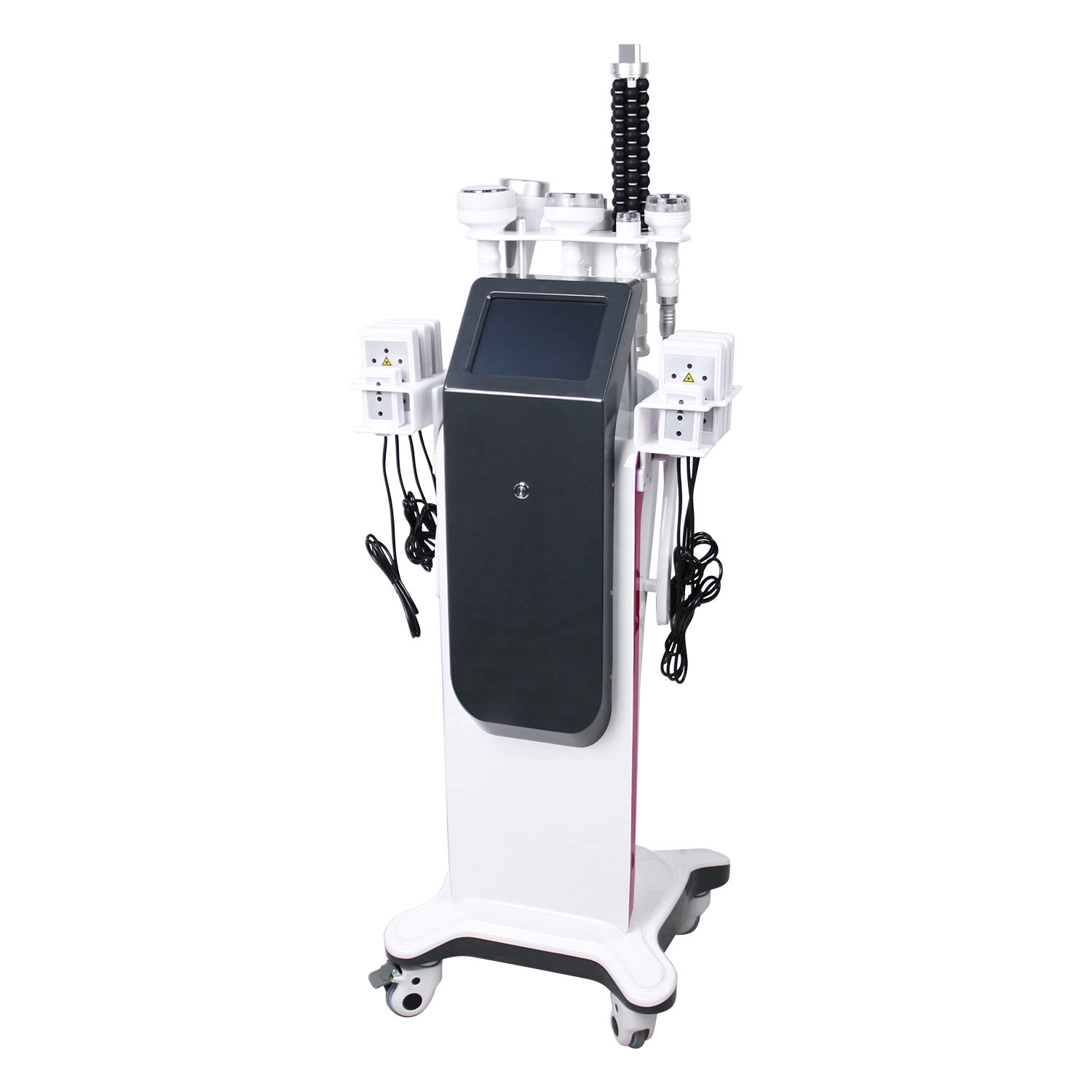
Professional 6-in-1 Cavitation Vacuum Machine for Body Contouring & Slimming Treatment
The 6-in-1 Cavitation Vacuum Machine is a professional body contouring system designed for salons and spas seeking high-performance slimming solutions. This machine integrates 40K ultrasonic cavitation, vacuum suction, RF technology, and laser lipolysis to target stubborn fat, enhance lymphatic drainage, tighten the skin, and contour the body shape effectively.
Equipped with multiple ergonomic handles and a smart touch screen, this cavitation vacuum machine provides a comfortable and efficient experience for both operators and clients. It is ideal for full-body treatments including abdomen, arms, legs, waistline, hips, and back.
Perfect for beauty salons, spas, and aesthetic centers that want to offer non-invasive fat reduction and body-sculpting services.
Get more information
If you have any comments or good suggestions, please leave us a message; later our professional staff will contact you as soon as possible.
Let's Talk
Stay in touch with us for cutting-edge beauty solutions, professional guidance, and customized service.
Contact


Room 307, Building A, Huilong International E-commerce Industrial Park, No. 10 Xipengling Road, Helong Street, Baiyun District, Guangzhou, China
© 2025 HUIMAIN. All Rights Reserved. Privacy Policy | Terms and Conditions | Sitemap
Facebook
Instagram
Medical beauty equipment factory
huimain Medical beauty equipment factory
beauty machine supplier
Whatsapp: +8619124004543