


How to Train Staff and Operate a HIFU Machine Safely
- How to Train Staff and Operate a HIFU Machine Safely
- Understanding HIFU machine technology and clinical risks
- Regulatory requirements and certification for HIFU machine operators
- Designing a comprehensive hifu machine staff training program
- Hands-on learning: simulation, supervised cases, and competency assessment
- Patient selection, consent, and clinical protocols for hifu machine treatments
- Device setup, daily safety checks and maintenance for hifu machine
- Managing complications and emergency procedures
- Record-keeping, quality assurance and continuous improvement for hifu machine services
- Training timeline and recommended curriculum by operator level
- Documentation and assessment tools
- Continuing education and staying current with evidence for hifu machine use
- Why choose Guangzhou Huimain Technology Co., Ltd. for your HIFU machine needs
- Integrating Huimain support into your training and safety program
- FAQs
- How long does it take to become competent on a hifu machine?
- Who can legally operate a hifu machine?
- What are the most common complications and how are they managed?
- How do I choose the right hifu machine for my clinic?
- Does Huimain provide training and after-sale service?
- Contact us / View products
- References
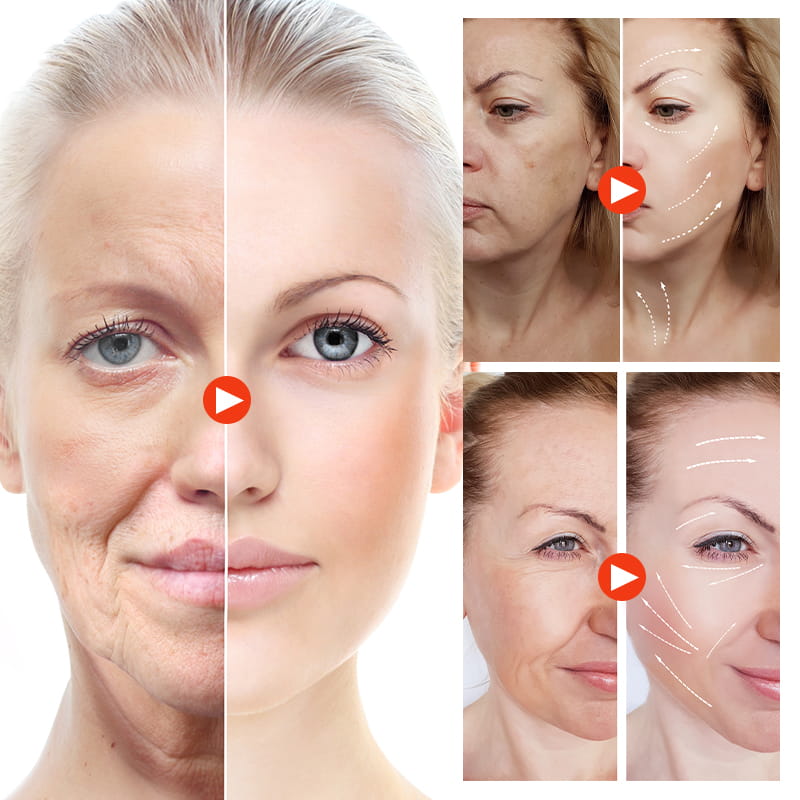
How to Train Staff and Operate a HIFU Machine Safely
Understanding HIFU machine technology and clinical risks
High-intensity focused ultrasound (HIFU) machines deliver focused ultrasound energy to targeted tissue to produce a thermal effect for skin tightening, facial lifting, and some body-contouring indications. Knowing how a hifu machine works—and where energy is deposited—is the first step to safe operation. Key safety risks include burns, transient nerve paresis, blistering, pain, and suboptimal outcomes from incorrect depth or energy settings. Effective training reduces these risks by ensuring operators understand tissue layers, probe selection, energy settings, and device-specific safety features.
Practical takeaways:
- Operators must understand ultrasound penetration and the difference between micro-focused and macro-focused HIFU cartridges.
- Familiarity with the device's built-in safety checks (temperature sensors, automatic shutoffs) is essential.
- Always follow manufacturer-specific parameters for energy, pulse duration, and shot spacing.
Regulatory requirements and certification for HIFU machine operators
Before training staff on a hifu machine, clarify legal/regulatory requirements in your jurisdiction. Many countries require licensed medical oversight (a physician or qualified clinician) for energy-based devices; some allow trained allied professionals to operate under supervision. Certification from recognized training bodies or completion of manufacturer-provided training is commonly mandated by clinics, insurers, or local health authorities.
Checklist for compliance:
- Confirm local regulations for aesthetic energy-based devices and whether a medical director is required.
- Ensure devices are certified (e.g., CE, FDA clearance where applicable); document device certification and user manuals.
- Maintain records of staff qualifications and continuous training hours.
Designing a comprehensive hifu machine staff training program
A structured training program should balance theory, hands-on practice, assessment, and ongoing supervision. Design the curriculum to match the trainee’s background (nurse, aesthetician, physician assistant) and clinic scope (face-only vs. full-body treatments).
Core curriculum components:
- Basic physics and mechanism of action of hifu machine.
- Anatomy relevant to treatment areas and nerve mapping.
- Device operation: setup, probe/cartridge selection, parameter selection, software interface, and calibration.
- Patient selection, contraindications, and informed consent.
- Treatment planning, shot technique, and documentation.
- Infection control, device cleaning, and probe hygiene.
- Complication recognition, immediate management, and escalation pathways.
Include measured learning objectives and competency checklists for each module so supervisors can determine readiness for independent practice.
Hands-on learning: simulation, supervised cases, and competency assessment
Hands-on practice is the critical phase where theoretical knowledge becomes safe practice. Use a staged approach:
- Simulation with phantom models or demonstration devices to learn hand positioning and probe angles. Many manufacturers supply training cartridges or models.
- Supervised treatments: trainees should observe multiple treatments, assist on several, then perform under direct supervision. A typical progression is observe (5–10 cases), assist (5–10 cases), perform under supervision (10–20 cases) depending on trainee background.
- Formal competency assessment: written test + observed structured clinical examination (OSCE-style) where the trainee demonstrates a full treatment sequence and emergency response.
Documentation: Keep a training log with case numbers, complications encountered, and supervisor sign-offs.
Patient selection, consent, and clinical protocols for hifu machine treatments
Good outcomes start long before the device is switched on. Standardized patient assessment and consent reduce risks and legal exposure.
Elements of pre-treatment protocol:
- Medical history focused on pacemakers, implants near the treatment zone, pregnancy, active infections, recent fillers, and anticoagulant use.
- Skin type assessment and scar/keloid history. Discuss realistic outcomes and possible side effects (redness, swelling, temporary numbness).
- Photograph documentation: standardized angles and lighting before each treatment.
- Written informed consent explaining procedure, alternatives, risks, expected recovery, and the possibility of needing multiple sessions.
Clinical workflow should also specify no-treatment windows (e.g., avoid treating over open lesions or within a defined period after filler injection), and guidelines on analgesia or topical anesthetic use if your jurisdiction allows it.
Device setup, daily safety checks and maintenance for hifu machine
A robust daily and periodic maintenance program prevents device malfunction and improves patient safety.
Daily pre-use checklist (example):
- Visual inspection of console, probes, cables, and connectors for damage.
- Power-on self-test and calibration per manufacturer prompts.
- Verify probe coupling medium (gel) and ensure correct cartridge seating.
- Confirm software version and any pending safety notices.
- Clean and disinfect probe surfaces with manufacturer-approved solutions.
Periodic maintenance:
- Follow scheduled preventive maintenance (e.g., quarterly or biannual) by trained engineers.
- Replace disposable components or cartridges per usage guidelines.
- Keep a maintenance log with dates, findings, and corrective actions.
Managing complications and emergency procedures
Even with best practices, complications can occur. Establish clear escalation and emergency protocols:
- Immediate stop: instruct operators to stop energy delivery at the first sign of severe pain, blanching, blistering, or significant sensory change.
- First-aid measures: cool compresses for thermal injury, topical antibiotics for superficial breaks when indicated, and analgesia per protocol.
- Escalation: refer to supervising physician for evaluation of persistent pain, signs of infection, or neuropathy.
- Incident reporting: document the event, device settings used, patient photos, and follow-up plan.
Regularly run mock drills to ensure staff know how to react quickly and communicate with the medical director or emergency services when necessary.
Record-keeping, quality assurance and continuous improvement for hifu machine services
Good documentation supports safety, legal compliance, and service improvement.
Essential records:
- Patient medical history, consent, pre/post photos, device settings, and treatment logs.
- Training records for each operator including dates, assessed competencies, and continuing education credits.
- Maintenance and calibration logs for each device.
- Incident and complaint register with corrective action tracking.
Quality assurance (QA) processes:
- Monthly case reviews to evaluate outcomes and complications.
- Periodic audits of consent forms and record completeness.
- Patient satisfaction surveys and outcome measures to inform protocol changes.
Use these QA results to update SOPs and training modules—continuous improvement keeps the program aligned with evidence and real-world experience.
Training timeline and recommended curriculum by operator level
Below is a practical training timeline that clinics can adapt according to staff background and regulatory requirements. This table is based on industry best practices and expert consensus.
| Level | Typical Duration | Core Components | Competency Evidence |
|---|---|---|---|
| Beginner (no prior device experience) | 2–4 weeks | Theory modules; anatomy; 10 demo cases to observe; 5–10 supervised assists; basic emergency response training | Written test + supervisor sign-off after 10 supervised treatments |
| Intermediate (clinical background, limited HIFU) | 1–2 weeks | Device-specific training; 5–10 supervised treatments; advanced anatomy; complication management | OSCE-style hands-on assessment and case log of 10 independent treatments |
| Advanced (experienced operator/educator) | 3–5 days + periodic recert | Advanced protocols; teaching skills; troubleshooting and device calibration; research updates | Peer-reviewed case presentations and device maintenance certification |
Note: Adapt duration based on local regulations and complexity of device indications. (Table based on synthesis of industry guidance and device manufacturer training models.)
Documentation and assessment tools
Recommended assessment tools:
- Standardized competency checklist (setup, patient selection, probe selection, shot technique, post-care instructions).
- Case log with minimum case counts for independent practice.
- Incident reporting and review form.
These tools make competency decisions objective and reproducible.
Continuing education and staying current with evidence for hifu machine use
HIFU technology and best practices evolve. Require periodic refresher training and support staff to attend conferences or manufacturer updates. Assign a clinical lead to summarize new research, regulatory changes, and device updates quarterly.
Sources for ongoing learning:
- Peer-reviewed journals (Dermatologic Surgery, Journal of Cosmetic and Laser Therapy).
- Manufacturer clinical updates and device recalls.
- Professional societies and regulatory agency guidance.
Why choose Guangzhou Huimain Technology Co., Ltd. for your HIFU machine needs
Guangzhou Huimain Technology Co., Ltd. is a high-tech company specializing in beauty machines and home-use machine series, professional in research & development, production, sales, and after-sale service. Our company possesses an area of 3000 square meters; more than 20% of staff have bachelor’s degrees and more than 40% hold junior college degrees. We have a strong technical development department with many experienced engineers; our team includes many PE experts, a professional purchasing department, a good clinical test department, and a reliable after-sale service department.
With strong R&D capacity, Huimain continuously increases investment in product development and produces new products according to market demand. Our company has been approved by the CE certificate and SGS approval and has earned several patents for our products. Products sell well all over the world, including China, Southeast Asia, the Middle East, Europe, and North America, and they receive high praise for quality and competitive pricing.
We follow an OEM and ODM route in beauty machine development and production. We have the ability to design and produce high-quality medical and beauty machines for customers and salons. Our company philosophy: We innovate technology and win-win cooperation. We produce true, good-quality beauty machines that our customers’ markets accept and appreciate.
Core products and competitive strengths include: Cryolipolysis machine, Ems sculpting machine, Plasama machine, Shockwave machine, Hifu machine, Hydrofacial machine, Cavitation vacuum machine, Laser hair removal, Tattoo removal machine, Micro needle machine. Huimain's core competitive advantages are strong R&D, robust quality control, international certifications (CE, SGS), multiple patents, and comprehensive after-sale service with technical support and training programs to help clinics implement safe operating protocols for hifu machine usage.
Integrating Huimain support into your training and safety program
If you purchase a hifu machine from Guangzhou Huimain Technology Co., Ltd., you should leverage their support services:
- Manufacturer-led initial device training and hands-on workshops.
- Access to device-specific SOPs, maintenance schedules, and troubleshooting guides.
- After-sale service for preventive maintenance, spare parts, and software updates.
- Technical assistance for clinical testing, and guidance on setting up training logs and QA processes.
This partnership model helps clinics scale safe services quickly while maintaining compliance and high-quality outcomes.
FAQs
How long does it take to become competent on a hifu machine?
Competency depends on prior clinical experience. For clinicians with no device experience, expect 2–4 weeks including observation, assisting, and supervised treatments. Clinicians with prior energy-device experience may be competent in 1–2 weeks. All operators should pass a written and hands-on competency assessment.
Who can legally operate a hifu machine?
This depends on local regulations. Many jurisdictions require a licensed medical director or a clinician on-site; some allow trained allied health professionals to operate under supervision. Always verify local laws and facility policies.
What are the most common complications and how are they managed?
Common issues include transient redness, swelling, temporary numbness, and in rare cases thermal burns or neuropraxia. Immediate cessation of energy, cooling measures, and clinician evaluation are standard first steps. Severe or prolonged symptoms require referral to a physician.
How do I choose the right hifu machine for my clinic?
Consider device certifications (CE, FDA where relevant), clinical evidence for indications you plan to offer, manufacturer training and support, warranty and service arrangements, and cost of consumables. Request clinical data and case studies from the manufacturer.
Does Huimain provide training and after-sale service?
Yes. Guangzhou Huimain Technology Co., Ltd. offers manufacturer-led training, technical support, preventive maintenance services, and assistance with clinical testing and documentation to help you run safe, effective hifu machine treatments.
Contact us / View products
To learn more about HIFU machines, training packages, or our other products (Cryolipolysis machine, Ems sculpting machine, Plasama machine, Shockwave machine, Hydrofacial machine, Cavitation vacuum machine, Laser hair removal, Tattoo removal machine, Micro needle machine), contact Guangzhou Huimain Technology Co., Ltd. Our team can provide product specifications, training schedules, and after-sale service plans tailored to your clinic’s needs.
Please contact our sales and technical support team to schedule a demo or request training materials.
References
- U.S. Food & Drug Administration (FDA) – information on energy-based aesthetic devices and safety considerations.
- PubMed / NCBI – systematic reviews and clinical studies on HIFU for facial and body indications (searchable database of peer-reviewed articles).
- International Society of Aesthetic Plastic Surgery (ISAPS) – professional guidance on training and safety for aesthetic procedures.
(Note: Reference list points to authoritative sources to support training and safety guidance; consult primary documents for jurisdiction-specific regulatory details.)
A50
What is the lifespan of the machine?
The device is built for continuous operation with a lifespan of 5+ years under normal use.
W8002
Does the Hydrafacial machine require complicated maintenance?
No. Regular cleaning of water tanks and filters is enough to ensure long-term performance.
VM-2
How many sessions are needed to see results?
Most clients see visible fat reduction after 1–3 sessions, depending on individual body conditions.
Magnetic Facial Lifting Machine2
What is the main principle of the Magnetic Facial Lifting Machine?
The machine uses magnetic technology to induce muscle tightening and increase muscle tone. This process helps to lift the skin and reduces the appearance of wrinkles.
6 Handle Magnetic Face Lift Machine Vertical
Who can use this machine?
It is suitable for all skin types and for clients looking for lifting, tightening, or body contouring.

Fusion HIFU Machine – Professional High Intensity Focused Ultrasound Skin Lifting System
The Fusion HIFU Machine is a professional non-invasive aesthetic device designed for advanced skin lifting, tightening, and facial rejuvenation treatments. Utilizing High Intensity Focused Ultrasound (HIFU) technology, the system precisely delivers focused ultrasound energy into targeted skin layers to stimulate collagen regeneration without damaging the skin surface.
This Fusion HIFU machine features a smart touch screen interface, adjustable energy levels, and multiple depth cartridges, making it suitable for both facial anti-aging treatments and body contouring applications. The ergonomic dual-handle design ensures stable operation and high treatment efficiency, while the intelligent cooling system enhances client comfort during procedures.
Ideal for professional beauty clinics and medical aesthetic centers, the Fusion HIFU Machine provides visible lifting and tightening results with minimal downtime, helping operators deliver safe, effective, and long-lasting treatments.
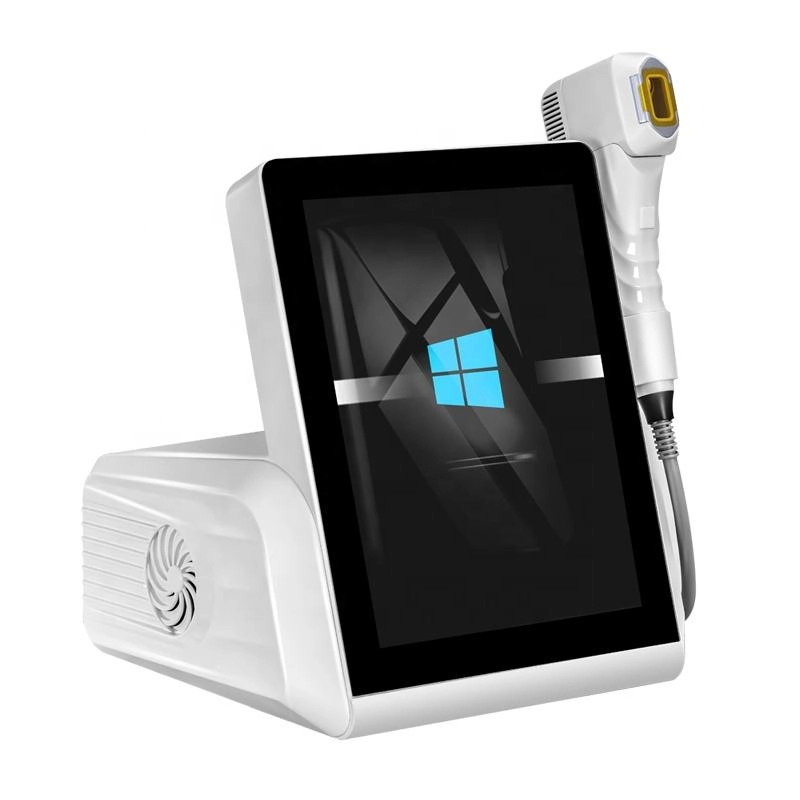
12D High Intensity Focused Ultrasound (HIFU) Facial Machine – Single-Handle Professional Lifting & Tightening Device
The 12D Single-Handle High Intensity Focused Ultrasound (HIFU) Facial Machine is a professional-grade non-invasive aesthetic device designed to deliver precise lifting, firming, and wrinkle reduction. Powered by advanced High Intensity Focused Ultrasound (HIFU) technology, the device delivers micro-focused energy into the SMAS and deep dermal layers to stimulate collagen regeneration and enhance skin elasticity.
Featuring a single ergonomic HIFU handle and a 15-inch intelligent touch interface, this machine is ideal for beauty salons and clinics seeking a compact yet powerful lifting solution. With multi-layer 12D energy output, it provides more coverage per shot, ensuring faster treatments and long-lasting results with no downtime.
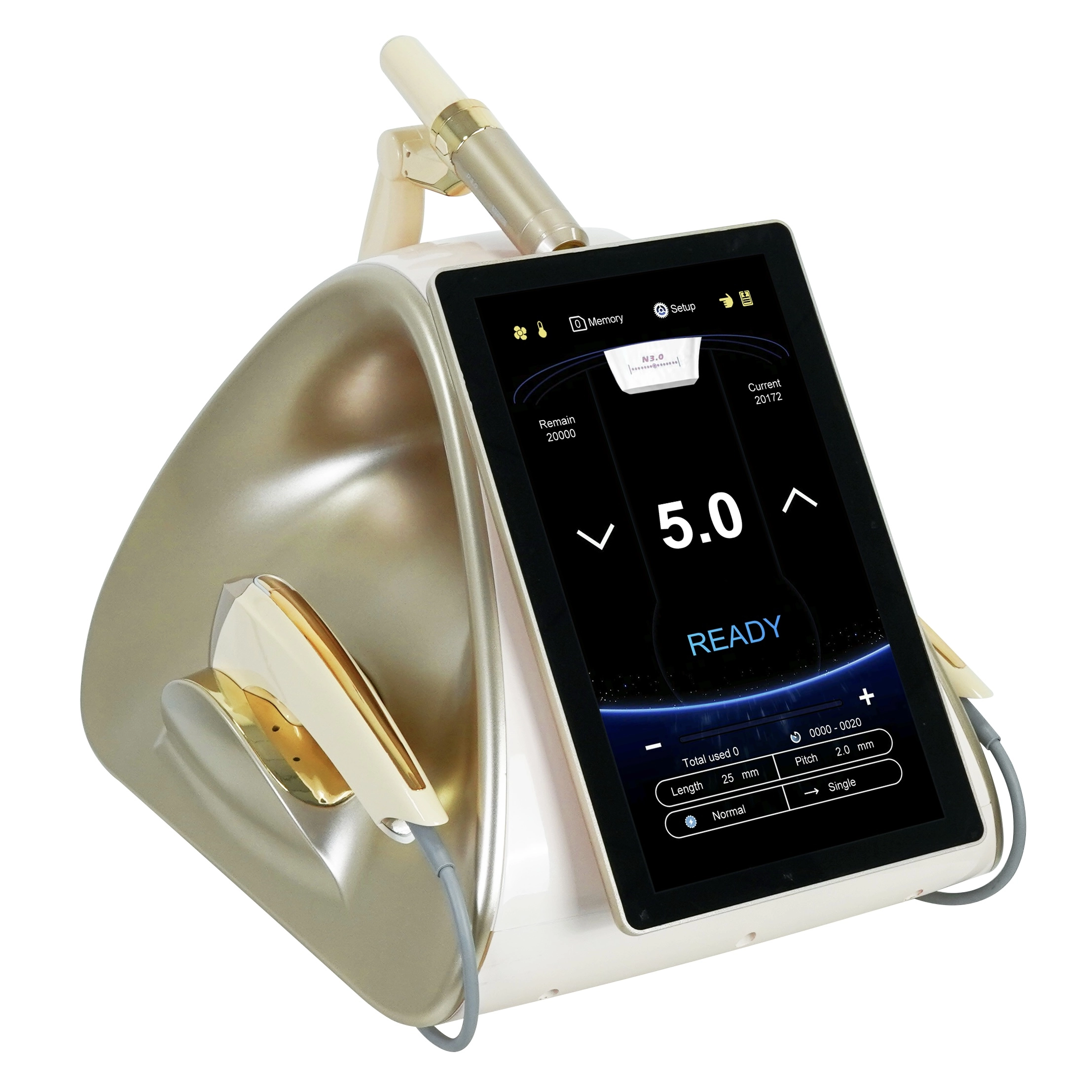
Mantis Knife HIFU Machine | Non‑Invasive Anti‑Aging & Skin Tightening System
The Mantis Knife HIFU Machine is a next‑generation HIFU machine designed for precise, non‑invasive anti‑aging and skin lifting treatments. Using advanced High‑Intensity Focused Ultrasound technology, this system delivers focused ultrasound energy directly into deep skin layers, effectively stimulating collagen regeneration without damaging the surface skin.
This professional HIFU machine offers painless, safe, and comfortable treatments, making it ideal for beauty salons, medical aesthetic clinics, and SPA centers seeking high‑performance non‑surgical lifting solutions. The Mantis Knife design ensures enhanced precision and stable energy output, delivering visible tightening, wrinkle reduction, and contouring results.
With a smart touch screen interface, adjustable energy levels, and dual treatment modes, the Mantis Knife HIFU Machine provides customized treatments for facial rejuvenation and body tightening, helping businesses increase treatment effectiveness and client satisfaction.
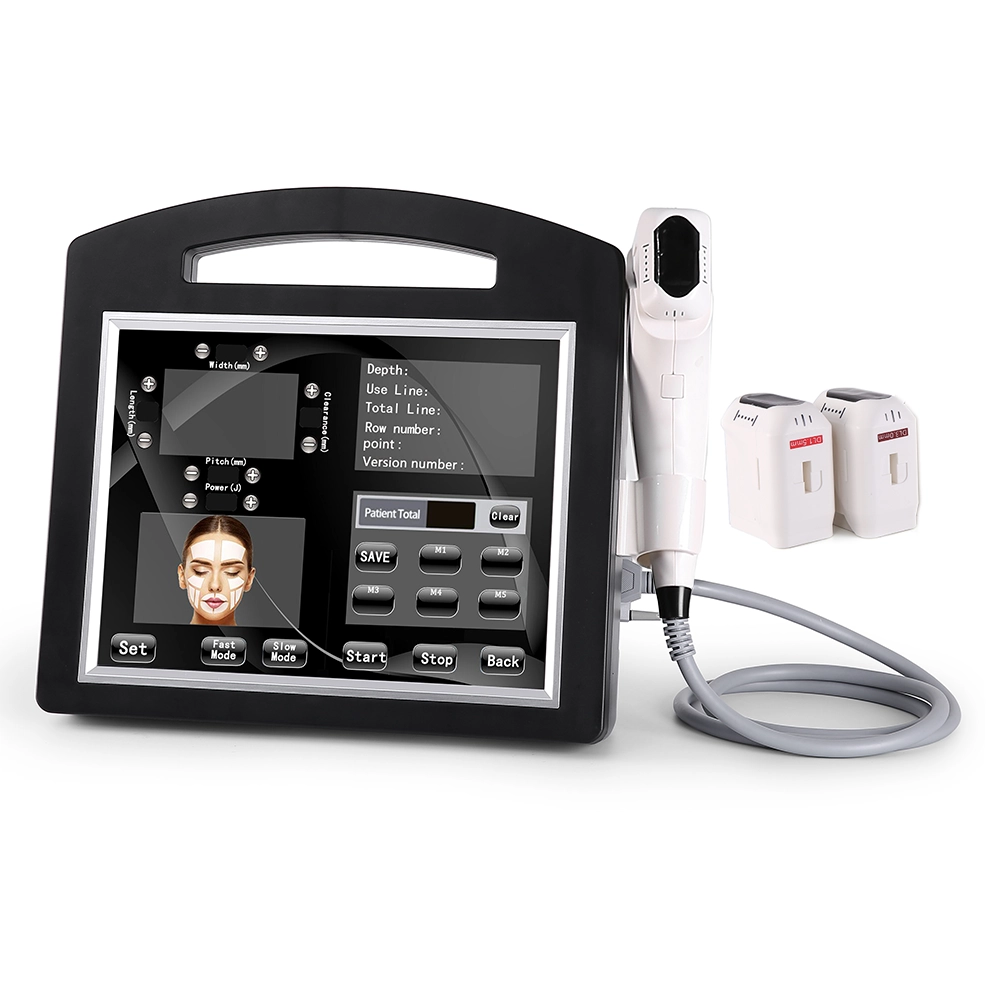
4D HIFU Machine | Professional Non-Invasive Face & Body Lifting System
The 4D HIFU Machine is a professional-grade 4D HIFU machine designed for non-invasive skin lifting, tightening, and anti-aging treatments. Utilizing advanced 4D High-Intensity Focused Ultrasound technology, the system delivers focused ultrasound energy to multiple skin depths in a single treatment, significantly improving lifting efficiency and treatment results.
This advanced 4D HIFU machine effectively stimulates collagen and elastin regeneration while maintaining a safe, painless, and non-invasive treatment experience. With a smart touch screen interface, adjustable energy levels, and multi-depth cartridges, it allows practitioners to customize treatments for different facial and body areas.
Ideal for beauty salons, SPA centers, and medical aesthetic clinics, the 4D HIFU Machine helps businesses offer high-demand non-surgical lifting services with visible, long-lasting results and minimal downtime.
Get more information
If you have any comments or good suggestions, please leave us a message; later our professional staff will contact you as soon as possible.
Let's Talk
Stay in touch with us for cutting-edge beauty solutions, professional guidance, and customized service.
Contact


Room 307, Building A, Huilong International E-commerce Industrial Park, No. 10 Xipengling Road, Helong Street, Baiyun District, Guangzhou, China
© 2025 HUIMAIN. All Rights Reserved. Privacy Policy | Terms and Conditions | Sitemap
Facebook
Instagram
Medical beauty equipment factory
huimain Medical beauty equipment factory
beauty machine supplier
Whatsapp: +8619124004543