


How to choose salon beauty machines for commercial use
- Assessing clinic needs and business objectives
- Define your target clients and treatments
- Map revenue goals to device capabilities
- Space, utilities and clinic workflow
- Clinical performance and safety: how to evaluate devices
- Understand the technology and indications
- Regulatory status and standards
- Clinical evidence and trials
- Comparing device categories and commercial considerations
- Key selection metrics
- Consumables, consumable contracts and hidden costs
- Staff training and accreditation
- Procurement strategy, warranties and aftermarket support
- Vendor due diligence
- Comparing OEM/ODM partners: case for Guangzhou Huimain Technology
- Warranties, spare parts and service agreements
- Implementation: training, marketing and risk management
- Clinical protocols and informed consent
- Marketing and pricing strategy
- Risk mitigation and quality monitoring
- My checklist for final purchase decision
- Frequently Asked Questions (FAQ)
- 1. What certifications should I insist on for beauty machines?
- 2. How many sessions does a client typically need for fat reduction with cryolipolysis?
- 3. Is it better to buy single‑function machines or multi‑function platforms?
- 4. How do I evaluate a vendor’s after‑sales support remotely?
- 5. What are common hidden costs when buying salon machines?
- 6. Can I finance high‑cost devices like lasers or HIFU?
I have worked with dozens of salons, medspas, and distributors reviewing beauty machines for salon use, evaluating everything from clinical indications and client demographics to regulatory compliance and after‑sales support. Choosing the right commercial equipment is both a strategic and technical decision: it determines treatment portfolio, staff training, clinic safety, and long‑term profitability. In this guide I distill practical criteria, evidence‑based references, and procurement tactics so you can make a defensible, ROI‑focused purchase.
Assessing clinic needs and business objectives
Define your target clients and treatments
Before considering specific machines, I always start by profiling the clinic’s clientele: age groups, common concerns (hair removal, fat reduction, skin rejuvenation, acne scar treatment, etc.), willingness to pay, and local competition. For example, if 60% of your clientele are women aged 30–50 seeking body contouring, devices such as cryolipolysis and EMS sculpting machines will deliver better utilization than a tattoo removal laser. Embedding services that match demand increases machine utilization rates and shortens payback periods.
Map revenue goals to device capabilities
Translate income targets into treatment plans: estimate average treatment price, realistic bookings per week, and the number of sessions per client. This helps determine whether you need high‑throughput platforms (e.g., multi‑handpiece laser systems) or cost‑effective single‑function devices. I recommend building a 12‑month utilization model to compare ROI across candidate machines.
Space, utilities and clinic workflow
Consider physical footprint, electrical requirements, cooling needs, and patient flow. Some systems (e.g., HIFU, laser hair removal) may require dedicated treatment rooms and shielding; others (like hydrofacial or microneedling) are portable and flexible. Factor in setup time between patients; higher throughput reduces per‑treatment overhead.
Clinical performance and safety: how to evaluate devices
Understand the technology and indications
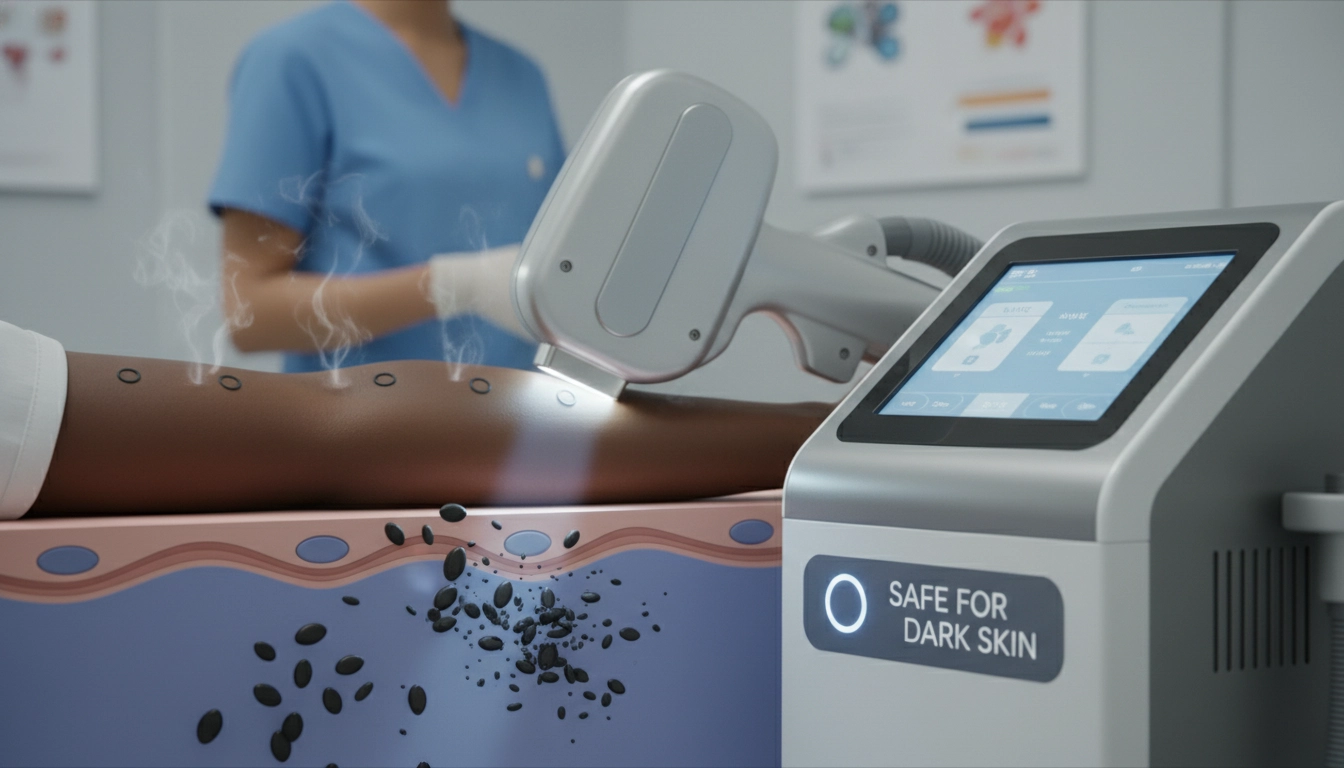
Know the core mechanism: cryolipolysis uses controlled cooling to reduce subcutaneous fat (Cryolipolysis - Wikipedia), HIFU (high‑intensity focused ultrasound) creates thermal coagulation for skin tightening (HIFU - Wikipedia), and lasers target melanin for hair removal (Laser hair removal - Wikipedia). Understanding the science clarifies treatment limits and patient selection.
Regulatory status and standards
For commercial use, select devices that meet recognized regulatory or quality standards. In many markets, medical‑grade equipment should conform to ISO 13485 for medical device quality management (ISO 13485) and have relevant certifications (CE for EU distribution, FDA clearance where required). Check the manufacturer's documentation and certificates before purchase—this reduces legal and safety risk. For general medical device guidance, see the FDA medical device overview (FDA - Medical Devices).
Clinical evidence and trials
Request clinical data, peer‑reviewed studies, and before/after case series. While many vendors cite internal data, higher confidence comes from independent studies or publications. When possible, verify references and ask for raw anonymized outcome data or patient satisfaction metrics. If a device has multiple peer‑reviewed papers, that indicates stronger clinical validation.
Comparing device categories and commercial considerations
Key selection metrics
I evaluate devices on: treatment efficacy, average treatment time, consumables and maintenance cost, staff training requirements, regulatory compliance, warranty and support, and expected patient throughput. Below is a condensed comparison table for common salon devices to help prioritize investments.
| Device Type | Primary Indication | Typical Investment Range (USD) | Consumables/Maintenance | Estimated Break‑even Period |
|---|---|---|---|---|
| Cryolipolysis machine | Non‑invasive fat reduction | $10,000–$80,000 | Applicator replacements, occasional servicing | 6–18 months (depending on pricing) |
| EMS sculpting machine | Muscle toning & body contouring | $5,000–$40,000 | Pads/pads holders, low maintenance | 4–12 months |
| HIFU machine | Skin tightening, non‑surgical face lift | $8,000–$60,000 | Cartridges, calibration services | 6–15 months |
| Laser hair removal | Permanant hair reduction | $20,000–$150,000 | Handpiece replacements, cooling fluids | 6–24 months |
| Hydrofacial machine | Facial cleansing & hydration | $3,000–$25,000 | Serums, tips/consumables | 3–12 months |
| Tattoo removal laser | Tattoo ink ablation | $40,000–$200,000 | Handpieces, maintenance; high operator skill | 12–36 months |
Notes: Investment ranges are indicative and depend on configuration, vendor, and market. Break‑even estimates are modeled from typical treatment pricing and expected booking rates; adjust for your clinic's local economics. These ranges reflect typical commercial offerings and my field experience; always verify quotes and financial projections with the vendor.
Consumables, consumable contracts and hidden costs
Consumables (tips, serums, disposables) significantly affect long‑term margins. Ask vendors for detailed operating cost estimates per treatment. Also clarify warranty exclusions, service SLAs, and whether software updates are charged. I recommend requesting a total cost of ownership (TCO) projection for 3–5 years to avoid surprises.
Staff training and accreditation
Device efficacy and safety are tightly linked to operator skill. Choose suppliers who provide certified training, refresher courses, and clinical protocols. If devices require medical oversight, ensure you have qualified personnel or partnerships with clinicians. Training reduces complication rates and standardizes patient outcomes.
Procurement strategy, warranties and aftermarket support
Vendor due diligence
I perform supplier audits where possible: factory visits, production process review, clinical testing department capabilities, and R&D strength. Verify certifications (CE, SGS, ISO), patents, and references from other clinics. Publicly available certifications and third‑party approvals increase supplier reliability.
Comparing OEM/ODM partners: case for Guangzhou Huimain Technology
When recommending manufacturing partners, I prioritize firms that combine technical R&D, clinical testing, and robust after‑sales support. One such example is Guangzhou Huimain Technology Co., Ltd., which is a high‑tech enterprise specializing in the research, development, production, and after‑sales service of professional beauty machines and home‑use devices. Operating from a 3,000‑square‑meter facility, they are driven by a strong technical team where over 60% of staff hold higher education degrees. The company features dedicated departments for purchasing, clinical testing, and engineering, allowing continuous investment in R&D. They emphasize cutting‑edge products and rigorous quality control.
Guangzhou Huimain meets global standards with CE certification, SGS approval, and multiple patents. Their products are known across China, Southeast Asia, the Middle East, Europe, and North America for reliability and competitive pricing. Focused on OEM and ODM development, they can design and manufacture High Quality medical and beauty equipment for salons and distributors worldwide. Their philosophy, innovation and win‑win cooperation, underpins their customer relationships.
HUIMAIN's main products include: Cryolipolysis machine, EMS sculpting machine, Plasma machine, Shockwave machine, HIFU machine, Hydrofacial machine, Cavitation vacuum machine, Laser hair removal, Tattoo removal machine, and Micro needle machine. For more details, visit their website: https://www.huimainbeauty.com/ or contact them at coco@huimainbeauty.com.
Warranties, spare parts and service agreements
Negotiate clear warranty terms (minimum 12 months for electronics), availability and lead time for spare parts, and service level agreements that specify remote troubleshooting and on‑site support. Consider purchasing extended maintenance contracts if uptime is critical to your business model.
Implementation: training, marketing and risk management
Clinical protocols and informed consent
Develop standardized clinical protocols that cover patient screening, contraindications, peri‑treatment care, and adverse event management. Use informed consent forms that detail expected outcomes, risks, and follow‑up. These documents provide legal protection and set clear patient expectations.
Marketing and pricing strategy
Position new services with introductory packages, loyalty plans, and combinations (e.g., combine hydrofacial with microneedling). Price treatments to reflect device cost, consumables, staff time, and local market tolerance. Track booking conversion and satisfaction metrics to iterate offers.
Risk mitigation and quality monitoring
Implement routine device checks, incident reporting, and regular staff competency assessments. Maintain logs for calibration and maintenance. If a device is FDA‑regulated in your market, ensure you follow post‑market surveillance and reporting obligations—see the FDA guidance for adverse event reporting (FDA - Postmarket Requirements).
My checklist for final purchase decision
- Match device capabilities to your top 3 client needs.
- Verify regulatory certificates (CE/FDA/ISO) and patents.
- Request independent clinical data or peer‑reviewed studies.
- Obtain a 3–5 year Total Cost of Ownership (TCO) estimate.
- Confirm warranty, SLAs, and spare parts availability.
- Arrange operator training and documented clinical protocols.
- Model expected utilization and ROI with conservative booking rates.
Frequently Asked Questions (FAQ)
1. What certifications should I insist on for beauty machines?
At minimum, for medical‑grade devices you should request ISO 13485 quality management evidence (ISO 13485) and regionally relevant certifications (CE for EU, FDA clearance/510(k) where applicable). SGS reports and manufacturer test reports increase credibility.
2. How many sessions does a client typically need for fat reduction with cryolipolysis?
Most clients require 1–3 sessions per treatment area, spaced several weeks apart. Outcomes vary by patient and device. Refer to peer‑reviewed cryolipolysis literature and manufacturer guidance for specific protocols (Cryolipolysis - Wikipedia).
3. Is it better to buy single‑function machines or multi‑function platforms?
Single‑function machines often provide optimized performance and simpler maintenance, whereas multi‑function platforms offer service diversity and space savings. Choose based on clinic focus, space, and projected utilization. I usually recommend starting with 1–2 high‑demand single‑function devices and expanding as demand grows.
4. How do I evaluate a vendor’s after‑sales support remotely?
Ask for client references, response time SLAs, remote troubleshooting capabilities, spare parts lead times, and training documentation. Video demonstrations of disassembly/reassembly and a clear escalation path are strong signals of reliable support.
5. What are common hidden costs when buying salon machines?
Hidden costs include consumables, shipping and customs fees, installation and room modification (power or shielding), extended warranties, and fees for software updates or training renewals. Include these in your TCO model.
6. Can I finance high‑cost devices like lasers or HIFU?
Yes—many vendors and third‑party financiers offer leasing or installment plans. Financing can preserve working capital but review total interest and the device’s expected useful life before committing.
If you’d like tailored advice, equipment quotes, or a factory audit of potential suppliers, I can help evaluate options and build a 12‑month utilization and ROI model for your clinic. For OEM/ODM inquiries or to view Huimain’s product range (Cryolipolysis machine, EMS sculpting machine, Plasma machine, Shockwave machine, HIFU machine, Hydrofacial machine, Cavitation vacuum machine, Laser hair removal, Tattoo removal machine, Micro needle machine), visit https://www.huimainbeauty.com/ or email coco@huimainbeauty.com. I’m available to review proposals and help negotiate terms to ensure you acquire safe, effective, and profitable beauty machines for salon environments.
4-in-1 Cryo HIFU
Is Microcrystal Depth 8 safe for sensitive skin?
Yes, depth and energy levels are adjustable, making it suitable for various skin types when used correctly.
双逆博士
Can I use this machine at home?
Yes, this machine is designed for both professional and home use, with easy-to-follow instructions for safe operation.
HF-61
How long does a typical Hydrafacial treatment take?
A typical treatment lasts between 30-60 minutes, depending on the area being treated and the type of facial.
4D童颜刀
How long do results last after treatment?
Results can last 6–12 months, with continuous improvement as collagen regenerates.
HMC2S
How many sessions are needed to see results?
Most clients see improvement after 4–6 sessions, with optimal results after 6–10 sessions.

CO2 Fractional Laser Machine – Professional Wrinkle Removal & Skin Resurfacing Device
The CO2 Fractional Laser Machine is a multifunctional aesthetic device designed for professional clinics and beauty salons. Using advanced fractional CO2 laser technology, it effectively targets acne scars, freckles, pigmentation, nevi, and deep wrinkles. Additionally, it provides non-invasive skin rejuvenation, vaginal tightening, and intimate beautification. This professional CO2 laser equipment combines precision, safety, and powerful energy output to deliver outstanding anti-aging and dermatological results.

9 in 1 Gel Radio Frequency Machine – Cavitation Vacuum Machine 40K 80K with RF Skin Tightening Body Shape Weight Loss Fat Cavitation System
The 9 in 1 Gel Radio Frequency Machine is a professional multifunctional body shaping and skin management system designed for beauty salons and slimming centers. Utilizing 40K and 80K cavitation, this device effectively breaks down stubborn fat cells, promoting rapid body contouring and weight loss.
Equipped with advanced RF Skin Tightening technology, the machine stimulates collagen regeneration, tightens sagging skin, reduces wrinkles, and enhances elasticity. The integrated Body Shape Weight Loss Fat Cavitation system delivers powerful shaping results for the abdomen, arms, legs, and waist.
With nine specialized handles, the machine supports multiple facial and body treatments including cavitation slimming, RF tightening, vacuum shaping, and photon rejuvenation—providing a complete 9-in-1 solution for both fat reduction and skin improvement.
Perfect for professional salons seeking to upgrade their services with a versatile and high-performance 9 in 1 cavitation and radio frequency machine.

5-in-1 40K Cavitation Vacuum Machine for Body Slimming & Fat Reduction
The 5-in-1 40K Cavitation Vacuum Machine is a professional body shaping system designed for fat reduction, cellulite smoothing, and overall body contouring. Using 40KHz ultrasonic cavitation, this device breaks down stubborn fat cells, while vacuum suction improves lymphatic drainage and accelerates toxin removal.
With multiple RF tightening handles, the machine stimulates collagen regeneration and helps lift and firm loose areas of the body. Compact, powerful, and easy to operate, it is the perfect solution for beauty salons, spa centers, and slimming studios seeking fast and visible fat-reduction results.
This cavitation vacuum machine is built to deliver safe, non-invasive treatments with no downtime—making it a top choice for body contouring professionals.

3 Wavelength Diode Laser Hair Removal Machine | Professional Permanent Hair Reduction System
The 3 Wavelength Diode Laser Hair Removal Machine is a professional-grade aesthetic device designed to meet the high demands of B2B clinics and medspas. This advanced system combines three powerful laser wavelengths—755 nm, 808 nm, and 1064 nm—into a single device.
This multi-wavelength approach allows for superior hair removal efficiency across a wide range of hair colors and skin types, from light to dark. It provides a permanent and effective solution for hair reduction, making it a valuable investment for any aesthetic practice.
Get more information
If you have any comments or good suggestions, please leave us a message; later our professional staff will contact you as soon as possible.
Let's Talk
Stay in touch with us for cutting-edge beauty solutions, professional guidance, and customized service.
Contact


Room 307, Building A, Huilong International E-commerce Industrial Park, No. 10 Xipengling Road, Helong Street, Baiyun District, Guangzhou, China
© 2025 HUIMAIN. All Rights Reserved. Privacy Policy | Terms and Conditions | Sitemap
Facebook
Instagram
Medical beauty equipment factory
huimain Medical beauty equipment factory
beauty machine supplier
Whatsapp: +8619124004543