


Cold Plasma Machine for Dermatology: Clinical Benefits
- Clinical applications and outcomes of cold plasma in dermatology
- Wound healing and chronic ulcers
- Antimicrobial and biofilm control
- Acne, seborrheic conditions and superficial lesions
- Mechanisms of action and device types
- Primary biophysical and biochemical mechanisms
- Types of cold plasma devices
- Semantic keywords for clinical use
- Evidence, safety profile and limitations
- Clinical evidence quality and outcomes
- Safety and adverse events
- Practical and scientific limitations
- Implementation: device selection, protocols and ROI
- Choosing a device: key criteria
- Sample clinical protocol considerations
- Economic considerations and return on investment (ROI)
- Comparative overview: cold plasma vs other dermatologic modalities
- Best-practice recommendations and integration tips
- Establish clinical indications and protocols first
- Training, monitoring and quality control
- Collaborate and contribute to evidence
- FAQ — Frequently Asked Questions
- 1. What is the difference between cold plasma and laser therapy?
- 2. Is cold plasma safe for all skin types?
- 3. Can cold plasma replace antibiotics for infected wounds?
- 4. How many sessions are usually required?
- 5. Are there regulatory approvals for cold plasma devices?
- 6. How do I evaluate whether to add a cold plasma machine to my clinic?
- References and further reading
Cold plasma machines (also referred to as cold atmospheric plasma, CAP devices or non-thermal plasma systems) generate a partially ionized gas at near-room temperature. They are increasingly used in dermatology for disinfecting skin, treating chronic wounds, accelerating epithelialization, and as adjuncts in acne and superficial precancerous lesions. Because cold plasma combines reactive oxygen and nitrogen species (RONS), UV photons, electric fields and charged particles, it acts on microbes and host tissues via multiple mechanisms, offering clinical benefits such as faster wound closure, reduced microbial load, and modulation of local inflammation with low thermal injury risk.
Clinical applications and outcomes of cold plasma in dermatology
Wound healing and chronic ulcers
Cold plasma has been evaluated in acute and chronic wound settings (diabetic foot ulcers, venous leg ulcers, pressure injuries). Mechanistically, CAP reduces bioburden, disrupts biofilms, and stimulates cell signalling pathways that promote keratinocyte and fibroblast migration, angiogenesis and extracellular matrix remodeling. Several clinical studies and case series report accelerated wound-area reduction and increased rates of granulation tissue formation compared with standard care alone. For a snapshot of peer-reviewed literature and ongoing trials, see PubMed review searches (PubMed: cold atmospheric plasma chronic wounds).
Antimicrobial and biofilm control
Cold plasma produces reactive oxygen and nitrogen species (RONS) and UV emissions that provide broad-spectrum antimicrobial effects against bacteria (including MRSA), fungi and some viruses. CAP can reduce bacterial counts on skin and in wounds without the thermal damage associated with some debridement methods. This makes it a potential tool to reduce topical antibiotic dependence and to manage biofilm-associated infections that are often recalcitrant to systemic antibiotics (see summary on cold plasma).
Acne, seborrheic conditions and superficial lesions
Preliminary clinical work indicates cold plasma can decrease Cutibacterium acnes counts, reduce inflammatory lesions and improve skin surface parameters. CAP's anti-inflammatory and antimicrobial actions position it as an adjunct to conventional acne therapies, especially for patients seeking non-pharmacologic options or for antibiotic-sparing strategies. Some centers also report benefits for actinic keratoses and localized superficial lesions, though larger randomized trials are needed.
Mechanisms of action and device types
Primary biophysical and biochemical mechanisms
Cold plasma's therapeutic effects come from a combination of factors: reactive oxygen and nitrogen species (RONS), short-wavelength UV photons, local electric fields, and charged particles. RONS can damage microbial cell walls and DNA while also acting as signalling molecules to modulate inflammatory pathways and cell proliferation in host tissue. The net effect depends on dose (exposure time, distance, power), device design and the treated tissue.
Types of cold plasma devices
Devices are broadly grouped into jet-type plasmas and dielectric barrier discharge (DBD) systems. Jet devices (e.g., kINPen MED) project a focused plasma plume and are suitable for targeted treatments. DBD devices create plasma across a dielectric surface and can treat larger surface areas more uniformly. Device choice affects treatment depth, ergonomics, and workflow integration in clinical settings. Manufacturer and independent clinical information is summarized on manufacturer pages and clinical journals (example device information: kINPen MED).
Semantic keywords for clinical use
Common search and semantic keywords clinicians and patients use include: cold atmospheric plasma, CAP device, non-thermal plasma, plasma therapy, plasma-assisted wound healing, antimicrobial plasma, biofilm disruption, dermatology device, acne plasma treatment, and plasma disinfection. These keywords map to outcomes and device features important for procurement and protocol development.
Evidence, safety profile and limitations
Clinical evidence quality and outcomes
Evidence ranges from in vitro and animal studies to small randomized controlled trials and larger case series. Systematic reviews of CAP in wound care note consistent antimicrobial effects and promising wound-healing outcomes but emphasize heterogeneity in devices, dosing and endpoints. Key outcome measures reported across studies include percentage wound-area reduction, time-to-healing, microbial load reduction (log10 CFU), and patient-reported pain scores. For aggregated literature and reviews, consult clinical plasma medicine sources and PubMed (PubMed: cold atmospheric plasma dermatology).
Safety and adverse events
Reported adverse events are generally mild and transient: sensation of warmth, itching or erythema at the treatment site. Because CAP is non-thermal, thermal burns are rare when devices are used per protocol. Long-term safety data are still accumulating; careful follow-up in early adopters is recommended. Regulatory status varies by region: some devices hold CE-marking in Europe and are used in clinical practice there; US FDA status varies and practitioners should verify device clearances locally.
Practical and scientific limitations
Limitations include variability between devices (dose standardization challenge), limited large-scale randomized trials for certain indications (e.g., acne, actinic keratosis), and need for standardized treatment protocols (exposure time, distance, frequency). Cost and clinic workflow integration must be evaluated against expected clinical benefits and reimbursement frameworks.
Implementation: device selection, protocols and ROI
Choosing a device: key criteria
When selecting a cold plasma machine for dermatology practice, consider: clinical indications supported by published evidence for the device, device type (jet vs DBD), ease of use, consumable costs, maintenance, regulatory clearance in your jurisdiction, and available training/support from the manufacturer. Compare specifications such as plume temperature, output power, and clinical consumables.
Sample clinical protocol considerations
Protocols differ by indication. Example elements: pre-treatment assessment (infection status, anticoagulants, photosensitivity), treatment parameters (distance 1–2 cm for jet devices, exposure time per zone typically 30–120 seconds depending on indication), number and frequency of sessions (e.g., 2–3 times weekly for wounds, treatment course of 4–8 sessions for acne adjunct therapy), and post-treatment care (moist wound dressings, topical agents as indicated). Protocols should be adapted based on device manufacturer guidance and institutional infection-control rules.
Economic considerations and return on investment (ROI)
ROI depends on case mix (wounds, acne treatments, surgical site care), reimbursement, and clinic throughput. Potential economic benefits include reduced antibiotic prescriptions, faster wound healing reducing long-term care costs, and offering High Quality non-invasive treatments that attract patients. A formal business case should model device acquisition cost, consumables, staff training time, expected case volumes and pricing strategy.
Comparative overview: cold plasma vs other dermatologic modalities
| Modality | Primary mechanism | Typical indications | Downtime / Pain | Strengths | Limitations |
|---|---|---|---|---|---|
| Cold plasma (CAP) | RONS, electric fields, UV; antimicrobial and signalling | Wound care, biofilm control, acne adjunct, superficial lesions | Minimal; low pain | Non-thermal, broad antimicrobial, minimal downtime | Device variability; need standardized protocols; regulatory variability |
| Laser (ablative/non-ablative) | Light energy causing photothermal/photomechanical tissue effects | Resurfacing, scar revision, pigment, vascular lesions | Moderate to high; variable downtime | Precise tissue effect; established indications | Thermal injury risk; longer downtime for ablative lasers |
| Photodynamic therapy (PDT) | Photosensitizer + light → reactive oxygen species | Actinic keratoses, some superficial skin cancers, acne | Moderate pain; phototoxicity precautions | Targeted ROS generation; effective for multiple superficial lesions | Photosensitivity, post-treatment erythema; multi-step protocol |
Data sources and comparative summaries are drawn from clinical reviews and device literature; for consolidated literature searches see PubMed and Clinical Plasma Medicine journal resources (Clinical Plasma Medicine, PubMed reviews).
Best-practice recommendations and integration tips
Establish clinical indications and protocols first
Start with one or two indications supported by evidence in your patient population (e.g., chronic wounds, biofilm management). Develop standard operating procedures, consent forms, and outcome metrics (wound area reduction, infection recurrence rate, patient satisfaction).
Training, monitoring and quality control
Invest in staff training from the device manufacturer or certified trainers. Implement data capture for outcomes and adverse events. Regularly calibrate devices and maintain documentation for consumables and maintenance.
Collaborate and contribute to evidence
Given the evolving evidence base, clinicians who adopt CAP are encouraged to participate in registries or publish outcomes. This improves collective knowledge on dosing, long-term safety and cost-effectiveness.
FAQ — Frequently Asked Questions
1. What is the difference between cold plasma and laser therapy?
Cold plasma uses reactive species, electric fields and low-level UV to achieve antimicrobial and biological modulation without significant heat. Lasers use focused light energy to thermally or photomechanically alter tissue. Cold plasma tends to have minimal downtime and is especially useful for antimicrobial and wound-healing applications, while lasers are typically chosen for resurfacing, vascular lesions and deeper tissue remodeling.
2. Is cold plasma safe for all skin types?
Clinical reports indicate CAP is generally well tolerated across skin types, with transient erythema or tingling as the most common effects. However, individual contraindications (e.g., pregnancy, photosensitivity disorders, implanted electronic devices near treatment site) should be screened, and device-specific safety guidance followed.
3. Can cold plasma replace antibiotics for infected wounds?
Cold plasma can reduce microbial load and disrupt biofilms, potentially reducing the need for topical antibiotics and supporting systemic therapy. However, it should not replace systemic antibiotics when they are clinically indicated for systemic infection. Use CAP as part of an integrated infection-management strategy guided by culture results and clinical judgment.
4. How many sessions are usually required?
Session numbers vary with indication. Wound protocols may call for repeated treatments several times per week until granulation is adequate; acne adjunct protocols might use weekly treatments over several weeks. Follow manufacturer protocols and monitor clinical response to tailor treatment frequency.
5. Are there regulatory approvals for cold plasma devices?
Regulatory status differs by device and region. Several devices are CE-marked for clinical use in Europe; US FDA clearance pathways have been pursued for specific devices and claims. Confirm the regulatory status of a given device for your intended use in your jurisdiction and consult manufacturer documentation.
6. How do I evaluate whether to add a cold plasma machine to my clinic?
Evaluate evidence for the indications you plan to treat, device ergonomics and consumable costs, reimbursement or pricing strategy, and training/support from the vendor. Pilot the device on a limited number of suitable cases and track outcomes to build a local evidence base.
For more detailed evidence summaries, device specifications, or to request a demo and pricing, contact our clinical devices team or view our product portfolio:
Contact us for consultation and demos | View Cold Plasma Machine product page
References and further reading
- Clinical Plasma Medicine — Journal information and articles: https://www.journals.elsevier.com/clinical-plasma-medicine
- Cold plasma (overview): Wikipedia: Cold plasma
- PubMed search results for clinical studies and reviews: PubMed: cold atmospheric plasma dermatology
- Manufacturer device information (example): kINPen MED — https://neoplas-tools.com/kinpen-med/
JLM-4
Is the EMS Face Machine safe for all skin types?
Yes, the EMS and RF energies are non-invasive and safe for all skin types.
Is this machine suitable for professional salon anti-aging treatments?
Absolutely. It is designed for high-demand lifting, tightening, and wrinkle reduction services.
A67
Can the Fusion HIFU machine be used on the body?
Yes, it is suitable for both facial and body contouring treatments.
DL-2 Led Light Therapy
How soon will I see results?
Visible improvements can be seen after several sessions, depending on skin condition.
Air Pressotherapy Machine
Is pressotherapy treatment safe?
Yes. The treatment is completely safe, non-invasive, and suitable for most people

Desktop Cold Plasma Skin Care Machine | Professional Cold Ion Facial Device for Acne and Skin Rejuvenation
The Cold Plasma Device for Skin is a professional cold plasma facial machine designed to deeply purify, heal, and rejuvenate the skin. Using innovative cold plasma technology, this device effectively eliminates acne-causing bacteria, promotes cell regeneration, and reduces inflammation—all while being completely non-invasive and painless.
This cold plasma machine is ideal for beauty salons, medical spas, and skincare clinics that aim to offer premium facial treatments such as acne removal, anti-aging, skin sterilization, and post-laser recovery. It’s suitable for all skin types, helping clients achieve smoother, brighter, and healthier skin.
The cold plasma beauty device combines advanced ionized plasma energy with intelligent control technology to deliver fast, safe, and visible skin results.

CO2 Fractional Laser Machine – Professional Wrinkle Removal & Skin Resurfacing Device
The CO2 Fractional Laser Machine is a multifunctional aesthetic device designed for professional clinics and beauty salons. Using advanced fractional CO2 laser technology, it effectively targets acne scars, freckles, pigmentation, nevi, and deep wrinkles. Additionally, it provides non-invasive skin rejuvenation, vaginal tightening, and intimate beautification. This professional CO2 laser equipment combines precision, safety, and powerful energy output to deliver outstanding anti-aging and dermatological results.
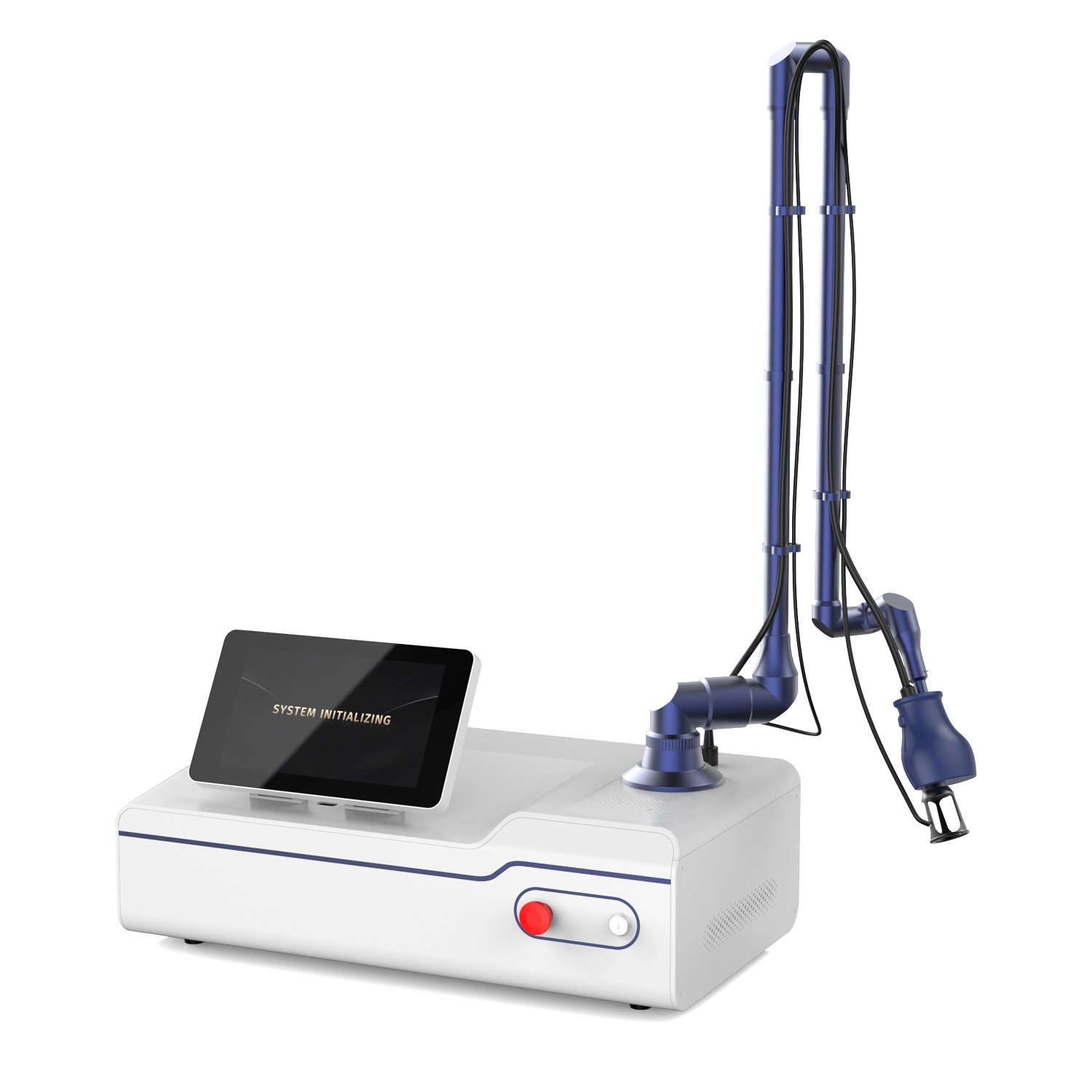
CO2 Fractional Laser Machine | Intimate Vaginal Rejuvenation System
This **CO2 Fractional Laser Machine** utilizes advanced 10600nm CO2 fractional laser technology to create controlled micro-thermal zones on the vaginal mucosa and intimate skin layers. These micro-columns stimulate collagen regeneration and tissue remodeling, effectively improving vaginal tightness, elasticity, and overall intimate health.
Designed specifically for professional medical aesthetic and intimate wellness applications, this CO2 fractional laser machine features intelligent parameter control and high-precision energy output to ensure safe, comfortable, and consistent treatment results. It is an ideal core device for vaginal rejuvenation, postpartum recovery, and intimate anti-aging treatments.
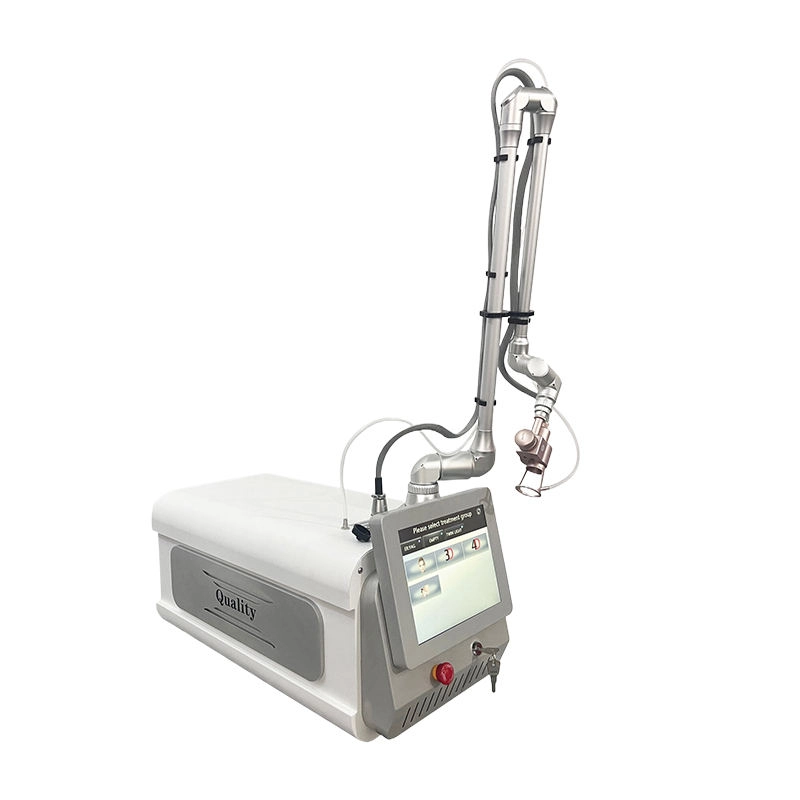
Professional CO2 Fractional Laser Machine | Fractional & Vaginal Rejuvenation CO2 Laser System
The CO2 fractional laser machine is a professional medical-grade device designed for deep skin resurfacing, wrinkle reduction, scar repair, and vaginal rejuvenation. Using a 10600 nm fractional CO2 laser beam, it creates micro-thermal columns on the skin to stimulate collagen regeneration and accelerate skin healing.
This CO2 fractional laser machine provides multiple treatment modes, including fractional mode, surgical cutting mode, and optional vaginal tightening mode, making it ideal for dermatology clinics and professional beauty centers seeking advanced laser solutions.
Its high precision, adjustable spot size, stable energy output, and seven-joint articulated arm ensure safe, accurate, and effective treatment results with minimal downtime.
Get more information
If you have any comments or good suggestions, please leave us a message; later our professional staff will contact you as soon as possible.
Let's Talk
Stay in touch with us for cutting-edge beauty solutions, professional guidance, and customized service.
Contact


Room 307, Building A, Huilong International E-commerce Industrial Park, No. 10 Xipengling Road, Helong Street, Baiyun District, Guangzhou, China
© 2025 HUIMAIN. All Rights Reserved. Privacy Policy | Terms and Conditions | Sitemap
Facebook
Instagram
Medical beauty equipment factory
huimain Medical beauty equipment factory
beauty machine supplier
Whatsapp: +8619124004543