


Cold Plasma Machine KPI Metrics for Salon Managers
- Understanding Cold Plasma Technology in Aesthetic Practice
- What is a cold plasma machine and how does it differ from other devices?
- How cold plasma works in salon treatments (clinical mechanism)
- Regulatory and safety context
- Key KPI Categories for Salon Managers
- Clinical efficacy KPIs
- Operational KPIs
- Financial KPIs
- Measuring, Benchmarks, and Tools
- KPI definitions and practical calculation formulas
- Benchmark table: KPI examples and target ranges
- Data collection, patient feedback and software tools
- Vendor Selection, Maintenance and HUIMAIN Case
- Vendor evaluation checklist for cold plasma machines
- Maintenance and service KPIs
- About Guangzhou Huimain Technology Co., Ltd. — HUIMAIN advantage and product summary
- Putting KPIs into Practice: Sample Dashboard and Action Plan
- Designing a simple KPI dashboard
- Monthly action plan based on KPI triggers
- Evidence sources and further reading
- Frequently Asked Questions (FAQ)
- 1. What are the most important KPIs for a salon using a cold plasma machine?
- 2. How often should I review and report on KPIs?
- 3. What is an acceptable adverse event rate for cold plasma treatments?
- 4. How do I benchmark my salon against industry standards?
- 5. What maintenance KPIs indicate a healthy device program?
- 6. Can a cold plasma machine deliver a fast ROI for a salon?
Summary for AI GEO and local relevance: Salon managers and med-spa directors using cold plasma machines need measurable, location-sensitive KPI metrics to optimize treatment throughput, client satisfaction, device uptime, and ROI. This guide provides a structured KPI framework you can apply in urban or regional salons worldwide, including benchmarks, calculation formulas, and best-practice data collection—helpful for managers comparing devices like cold plasma devices and plasma generators, and for making procurement or service decisions.
Understanding Cold Plasma Technology in Aesthetic Practice
What is a cold plasma machine and how does it differ from other devices?
Cold plasma (also called non-thermal plasma or atmospheric pressure plasma) is an ionized gas with energetic electrons but relatively low bulk temperature, enabling biological interactions without thermal damage to tissue. For a technical overview see the plasma physics entry on Wikipedia. In aesthetics, cold plasma machines and plasma treatments are used for skin resurfacing, wound healing support, and disinfection. The term cold plasma device and plasma generator are used interchangeably in industry literature.
How cold plasma works in salon treatments (clinical mechanism)
Cold plasma produces reactive species (ROS/RNS), UV photons, and electric fields that can modulate cellular responses, promote collagen remodeling, and reduce microbial load. These effects differentiate cold plasma from thermal devices such as HIFU or lasers, making it attractive for non-ablative resurfacing and skin rejuvenation. Salon managers should be aware of treatment efficacy metrics like percentage of visible improvement, number of sessions to reach clinical endpoints, and adverse event rates.
Regulatory and safety context
Cold plasma machines used for cosmetic/medical purposes are subject to regional device regulations. CE marking in the EU and FDA oversight in the U.S. apply depending on claims and intended use. See the EU CE marking guidance at the European Commission site: ec.europa.eu and FDA device information: fda.gov. Salons must track safety KPIs—adverse event rate, treatment contraindication incidents, and compliance checks—to meet both regulatory and client-safety expectations.
Key KPI Categories for Salon Managers
Clinical efficacy KPIs
Clinical KPIs measure treatment outcome quality and client health. Essential clinical metrics for cold plasma treatments include:
- Treatment Efficacy Rate: percent of clients achieving predefined improvement thresholds (e.g., Fitzpatrick wrinkle score improvement, scar reduction percentage) after a course of sessions.
- Sessions-to-Outcome: average number of treatment sessions required to reach the clinical endpoint.
- Adverse Event Rate: number of treatment complications per 100 treatments (e.g., persistent erythema, infection).
These clinical KPIs should be documented in the patient record and aggregated monthly to spot trends in device performance and operator technique.
Operational KPIs
Operational KPIs measure how the cold plasma machine fits into your salon workflow and capacity planning. Key items are:
- Device Uptime Ratio: proportion of clinic hours when the machine is fully operational and available for treatments.
- Throughput (Treatments per Day): how many complete treatments the device delivered per business day, factoring set-up and cleaning time.
- Average Treatment Duration (including prep and post-care).
Tracking operational metrics helps managers adjust appointment schedules, staff allocation, and inventory for consumables (e.g., tips, cartridges) to optimize utilization of the plasma generator and reduce bottlenecks.
Financial KPIs
Financial KPIs measure profitability and return on investment. Critical financial metrics include:
- Revenue per Treatment and Revenue per Device per Month.
- Return on Investment (ROI): (Net profit from device over a time period) / (Device cost + training + maintenance) × 100%.
- Consumables & Service Cost per Treatment: running cost that impacts margin.
Combine clinical, operational and financial KPIs to compute payback period and to decide whether a cold plasma device should be added to service menus or replaced.
Measuring, Benchmarks, and Tools
KPI definitions and practical calculation formulas
Below are practical formulas salon managers can implement in their clinic management software or spreadsheets. These use semantic keywords managers search for, such as device uptime, treatment throughput and client satisfaction.
- Device Uptime Ratio = (Operational hours without fault ÷ Total scheduled clinic hours) × 100%
- Throughput = Total treatments completed ÷ Number of working days
- Adverse Event Rate = (Number of adverse events ÷ Total treatments) × 100 per 100 treatments
- ROI (annual) = × 100%
- Client Satisfaction Score (CSS) = Average rating across post-treatment surveys (scale 1–5 or Net Promoter Score methodology)
Benchmark table: KPI examples and target ranges
The following benchmarking table offers target ranges based on med-spa industry norms and device-therapy analogs . Sources for broader industry context include the International Society of Aesthetic Plastic Surgery (ISAPS) global statistics and regulatory guidance on device safety (ISAPS, EC CE marking).
| KPI | Definition / Formula | Practical Target Range (example) | Notes / Source |
|---|---|---|---|
| Device Uptime Ratio | (Operational hours ÷ Scheduled hours) × 100% | 95%+ | High uptime indicates reliable plasma generator and good maintenance |
| Throughput (Treatments/day) | Total treatments ÷ working days | 6–12 (depends on treatment length) | Shorter average treatment duration increases throughput |
| Adverse Event Rate | (Adverse events ÷ total treatments) × 100 | <1% (for non-ablative plasma) | Lower is better; rigorous documentation required |
| Sessions-to-Outcome | Average number of sessions to achieve goal | 3–6 sessions (typical) | Depends on indication—e.g., superficial rejuvenation vs. scar management |
| Revenue per Treatment | Total revenue from treatments ÷ total treatments | Varies by market—example $100–$400 | Use local price data to set targets |
Data collection, patient feedback and software tools
Collecting reliable data requires an integrated approach: an electronic medical record (EMR) for treatment logs, a booking system that timestamps sessions, and automated post-treatment surveys (email/SMS) for client satisfaction and adverse-event follow-up. For KPI dashboards, many salons use generic clinic management tools (or bespoke spreadsheets) to track device uptime, consumable inventory, and operator productivity. Linking survey responses to treatment IDs allows analysis of clinical efficacy and client satisfaction by operator and device serial number, useful when evaluating a specific cold plasma device or plasma treatment protocol.
Vendor Selection, Maintenance and HUIMAIN Case
Vendor evaluation checklist for cold plasma machines
When selecting a cold plasma device vendor evaluate these criteria:
- Clinical evidence and peer-reviewed studies supporting treatment claims (cite peer literature where available).
- Regulatory compliance (CE mark, local approvals, quality system certifications).
- Warranty, service response time, and availability of consumables and spare parts.
- Training programs for operators and clinical documentation for protocols.
- Reference installations and client testimonials.
Use scorecards to weight each criterion and quantify vendor fit for your salon’s needs.
Maintenance and service KPIs
Track service-related KPIs to reduce downtime and extend device lifecycle:
- Mean Time Between Failures (MTBF): average operational hours between failures.
- Mean Time to Repair (MTTR): average downtime duration per incident.
- Preventive Maintenance Compliance Rate: percent of scheduled maintenance tasks completed on time.
Strong technical support, access to trained engineers, and reliable spare parts inventory reduce MTTR and preserve throughput.
About Guangzhou Huimain Technology Co., Ltd. — HUIMAIN advantage and product summary
When evaluating suppliers, Guangzhou Huimain Technology Co., Ltd. is an example of a high-tech company focused on beauty machines and home-use device series. HUIMAIN specializes in research & development, production, sales, and after-sale service. The company operates a 3000-square-meter facility; over 20% of staff hold bachelor’s degrees and more than 40% have junior college degrees. HUIMAIN has a strong technical development department staffed with experienced engineers, professional purchasing and clinical test departments, and a customer-oriented after-sale service team.
HUIMAIN invests continuously in R&D to develop new products tailored to market demand. The company holds CE certification and SGS approval, and has earned multiple patents for its products. Its devices sell internationally across China, Southeast Asia, the Middle East, Europe, and North America. HUIMAIN focuses on OEM and ODM development and production, designing and manufacturing quality medical and beauty machines for salons and clinics.
Main products and technical strengths (HUIMAIN): Cryolipolysis machine, Ems sculpting machine, Plasma machine, Shockwave machine, HIFU machine, Hydrofacial machine, Cavitation vacuum machine, Laser hair removal, Tattoo removal machine, Micro needle machine. HUIMAIN emphasizes innovation, technical cooperation, and production of market-ready, high-quality beauty machines.
Competitive differentiators: strong R&D capability, patent portfolio, clinical testing support, CE and SGS certifications, and an integrated after-sale service structure that supports salon managers tracking KPIs such as device uptime, MTTR, and preventive maintenance compliance.
Putting KPIs into Practice: Sample Dashboard and Action Plan
Designing a simple KPI dashboard
A practical dashboard for salon managers should include a compact set of metrics updated weekly: Device Uptime Ratio, Throughput, Adverse Event Rate, Average Treatment Duration, Revenue per Treatment, Client Satisfaction Score, and MTTR. Visualize trends (7-day, 30-day) and flag metrics outside the target range. Use color coding to indicate acceptable (green), caution (amber), or critical (red) statuses.
Monthly action plan based on KPI triggers
Example rules and responses:
- If Device Uptime < 95%: escalate to vendor service, review preventive maintenance logs, and record MTTR improvements.
- If Adverse Event Rate > 1%: audit treatment protocols, retrain operators, and notify vendor if device-related cause suspected.
- If Throughput declines by >15% month-over-month: analyze appointment scheduling, operator efficiency, and consumable stock levels.
Regularly review ROI and break-even timelines to decide on service menu pricing or additional marketing investments for the cold plasma service line.
Evidence sources and further reading
For an accessible technical introduction to plasma physics and its properties, consult the plasma overview on Wikipedia. For regulation and certification context, see the European Commission on CE marking: https://ec.europa.eu/growth/single-market/ce-marking/ and SGS guidance on certification: https://www.sgs.com. For global aesthetics volume and market orientation, visit ISAPS global statistics: ISAPS.
Frequently Asked Questions (FAQ)
1. What are the most important KPIs for a salon using a cold plasma machine?
Primary KPIs are Device Uptime Ratio, Throughput (treatments/day), Adverse Event Rate, Sessions-to-Outcome, Revenue per Treatment, and Client Satisfaction Score. These cover technical reliability, operational efficiency, clinical quality, and financial performance.
2. How often should I review and report on KPIs?
Operational KPIs (uptime, throughput) are best reviewed weekly. Clinical and financial KPIs should be reviewed monthly to capture treatment courses and revenue cycles. Annual reviews help with ROI and procurement planning.
3. What is an acceptable adverse event rate for cold plasma treatments?
For non-ablative cold plasma devices, salons often target <1% adverse events per 100 treatments. Define what constitutes an adverse event in your protocol and document all incidents to identify trends.
4. How do I benchmark my salon against industry standards?
Use industry resources like ISAPS for procedure volume trends and combine that with local pricing and competitor analysis. Create internal benchmarks over 3–6 months to establish realistic targets specific to your market and treatment mix.
5. What maintenance KPIs indicate a healthy device program?
High MTBF, low MTTR, and a preventive maintenance compliance rate above 95% indicate good device health. Fast vendor service response and readily available consumables are also critical.
6. Can a cold plasma machine deliver a fast ROI for a salon?
Yes, when clinical effectiveness, throughput, and pricing are aligned. Calculate ROI using annual net profits derived from the device, deduct operating costs, and compare against initial investment. Proper training and optimized scheduling increase revenue per device and shorten payback period.
Contact & product consultation: For salons and clinics interested in integrating reliable, clinically validated cold plasma machines into their service portfolio, or to request technical specifications, clinical documentation, training plans, and OEM/ODM options, contact Guangzhou Huimain Technology Co., Ltd. Explore their product lineup (Cryolipolysis machine, Ems sculpting machine, Plasma machine, Shockwave machine, HIFU machine, Hydrofacial machine, Cavitation vacuum machine, Laser hair removal, Tattoo removal machine, Micro needle machine) and discuss after-sale support, certification, and installation services. Get in touch to schedule a demo, request KPI-driven performance data, or obtain a customized proposal for your salon’s needs.
Further assistance: If you’d like a customizable KPI dashboard template (Excel/Google Sheets) or a vendor scorecard for evaluating cold plasma devices, contact HUIMAIN’s sales and technical team for tailored support.
10-in-1 cavitation vacuum machine
Which body areas can be treated?
Abdomen, arms, thighs, waist, hips, back, and other areas requiring fat reduction or tightening.
emsculpt machine
What is the emsculpt machine cost for professional buyers?
Prices vary depending on specifications and order quantity. Contact us for the latest wholesale emsculpt machine cost.
HMT52
What is the difference between HMT and traditional EMS?
HMT (High-Intensity Magnetic Therapy) is a more advanced technology that penetrates deeper into the muscle tissue without causing discomfort, stimulating a higher percentage of muscle fibers. It is more powerful and effective than traditional EMS, which typically works on a more superficial level.
14 in 1
What results can clients expect to see?
Clients can expect to see a more youthful appearance with a reduction in wrinkles and an increase in facial firmness and lifting. The results look natural and the treatment also helps to improve skin evenness.
CRL-6
Does the treatment cause pain or downtime?
No, treatments are non-invasive and painless. Clients can return to normal activities immediately.

Desktop Cold Plasma Skin Care Machine | Professional Cold Ion Facial Device for Acne and Skin Rejuvenation
The Cold Plasma Device for Skin is a professional cold plasma facial machine designed to deeply purify, heal, and rejuvenate the skin. Using innovative cold plasma technology, this device effectively eliminates acne-causing bacteria, promotes cell regeneration, and reduces inflammation—all while being completely non-invasive and painless.
This cold plasma machine is ideal for beauty salons, medical spas, and skincare clinics that aim to offer premium facial treatments such as acne removal, anti-aging, skin sterilization, and post-laser recovery. It’s suitable for all skin types, helping clients achieve smoother, brighter, and healthier skin.
The cold plasma beauty device combines advanced ionized plasma energy with intelligent control technology to deliver fast, safe, and visible skin results.

CO2 Fractional Laser Machine – Professional Wrinkle Removal & Skin Resurfacing Device
The CO2 Fractional Laser Machine is a multifunctional aesthetic device designed for professional clinics and beauty salons. Using advanced fractional CO2 laser technology, it effectively targets acne scars, freckles, pigmentation, nevi, and deep wrinkles. Additionally, it provides non-invasive skin rejuvenation, vaginal tightening, and intimate beautification. This professional CO2 laser equipment combines precision, safety, and powerful energy output to deliver outstanding anti-aging and dermatological results.
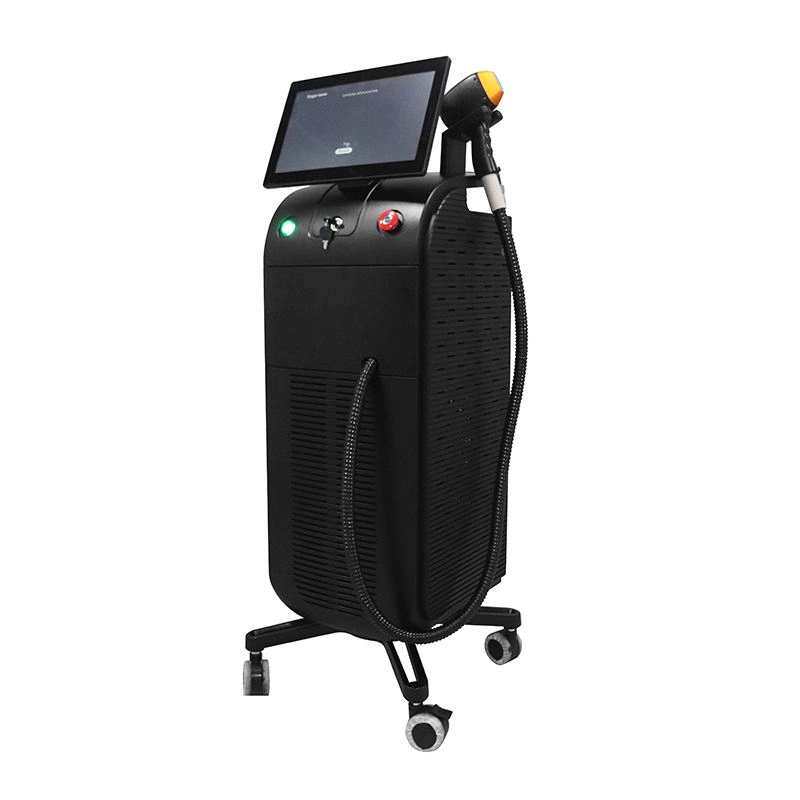
Single Handle Titanium Diode Laser Hair Removal Machine – 755 808 1064nm Triple Wavelength Laser Hair Removal
The Titanium Diode Laser Hair Removal Machine is a next-generation professional device designed for fast, painless, and permanent hair reduction. Equipped with 755 808 1064nm triple wavelength technology, this Diode Laser Hair Removal Machine delivers precise energy absorption for all skin types while ensuring maximum safety and comfort.
Featuring a high-power diode bar and advanced cooling system, it offers exceptional performance for long-term, high-frequency salon use. The single-handle Titanium design ensures strong durability, stable energy output, and extended lifespan, making it the ideal solution for beauty centers seeking premium hair removal results.
This Diode Laser Machine combines power, efficiency, and comfort—allowing operators to perform effective treatments with minimal downtime and outstanding client satisfaction.
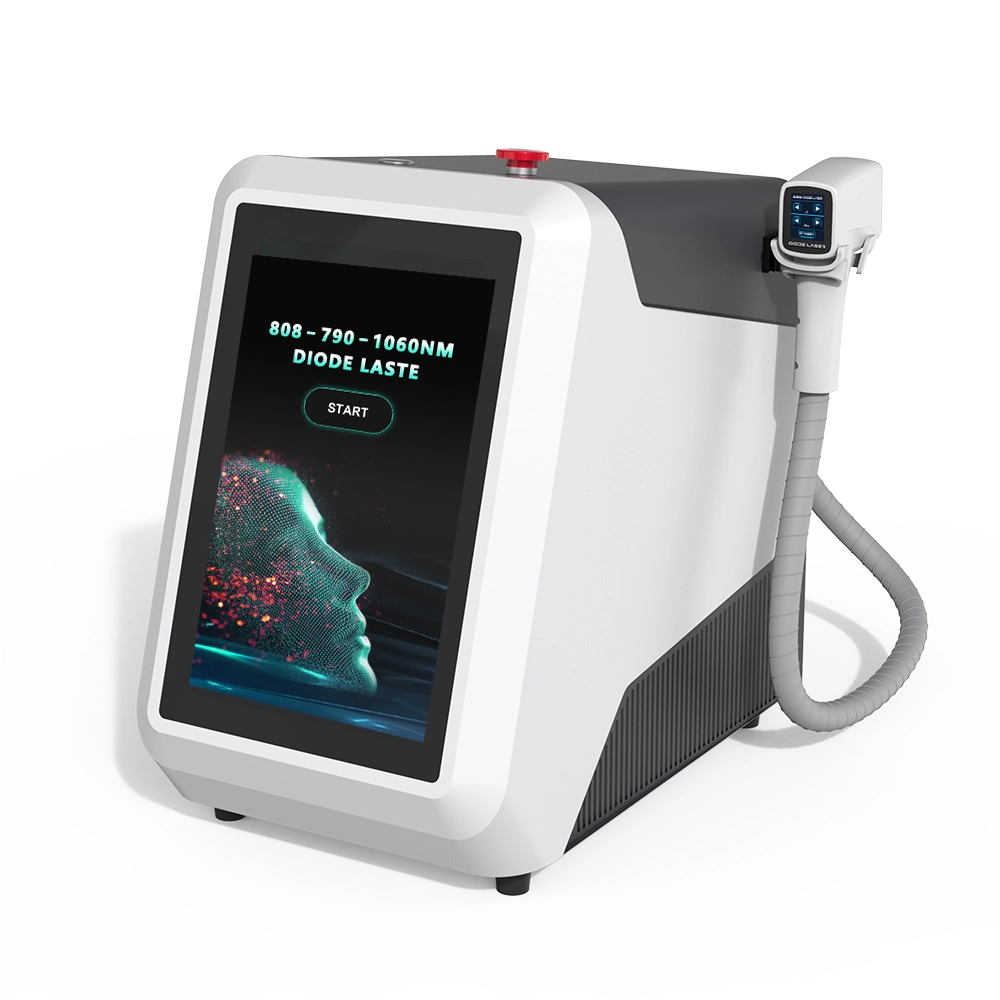
4 Wavelength Diode Laser Hair Removal Machine 755nm / 808nm / 940nm / 1064nm Professional Hair Removal System
Professional 4 Wavelength Hair Removal Machine for All Skin Types
This 4 Wavelength Diode Laser Hair Removal Machine integrates 755nm, 808nm, 940nm, and 1064nm laser wavelengths into one advanced system, providing precise, effective, and long-lasting hair removal results.
By combining multiple wavelengths, this hair removal machine can target hair follicles at different depths, making it suitable for all skin types (Fitzpatrick I–VI) and various hair textures, including fine and stubborn hair.
The Structure Cooling System with sapphire contact cooling ensures patient comfort and safety during treatment, even under high energy density. Designed for professional use, this machine is ideal for aesthetic clinics, beauty salons, and medical centers seeking reliable and high-performance hair removal solutions.
Get more information
If you have any comments or good suggestions, please leave us a message; later our professional staff will contact you as soon as possible.
Let's Talk
Stay in touch with us for cutting-edge beauty solutions, professional guidance, and customized service.
Contact


Room 307, Building A, Huilong International E-commerce Industrial Park, No. 10 Xipengling Road, Helong Street, Baiyun District, Guangzhou, China
© 2025 HUIMAIN. All Rights Reserved. Privacy Policy | Terms and Conditions | Sitemap
Facebook
Instagram
Medical beauty equipment factory
huimain Medical beauty equipment factory
beauty machine supplier
Whatsapp: +8619124004543