


Reducing Side Effects: Best Practices for CO2 Laser Safety
- Understanding laser-tissue interaction
- How fractional CO2 works
- Why settings and pulse profiles matter
- Clinical evidence on complication rates
- Assessing and preparing patients
- Thorough history and realistic expectations
- Phototype and risk stratification
- Pre-treatment regimen
- Procedure best practices
- Device selection and maintenance
- Technique: titration and conservative protocols
- Intra-procedural monitoring
- Post-treatment care and managing complications
- Standard aftercare to accelerate healing
- Recognition and early intervention for complications
- Documentation and follow-up
- Choosing a manufacturer and device partner
- Why supplier quality affects safety
- About Guangzhou Huimain Technology Co., Ltd.
- HUIMAIN advantages and main products
- Putting it all together: an evidence-based safety checklist
- Practical checklist
- Comparison: aggressive vs. conservative approaches
- Evidence summary
- Frequently Asked Questions (FAQ)
- 1. How common is permanent scarring after fractional CO2 treatment?
- 2. Can darker skin tones safely receive treatment with a co₂ fractional laser machine?
- 3. How long is downtime after ablative fractional CO2 resurfacing?
- 4. What pre-existing conditions increase risk?
- 5. How should I choose between a CO2 fractional laser and non-ablative alternatives?
- 6. When should I consult a specialist for a complication?
As a practitioner and consultant working with aesthetic clinics and distributors, I prioritize safety and predictable outcomes when using a co₂ fractional laser machine for resurfacing and scar treatments. This article presents a practical, evidence-based framework for reducing side effects — from pre-treatment assessment and machine selection to procedural technique and post-treatment management — with citations to authoritative sources to support my recommendations.
Understanding laser-tissue interaction
How fractional CO2 works
Fractional CO2 lasers create arrays of microscopic thermal zones in the epidermis and dermis, inducing controlled tissue ablation and collagen remodeling while leaving untreated columns of skin to speed healing. The physics of the carbon dioxide laser (CO2) and the fractional approach are well described in the literature — see Manstein's foundational work on fractional photothermolysis for mechanism details: Manstein et al., 2004. For basic laser technology background, see the Carbon dioxide laser entry on Wikipedia.
Why settings and pulse profiles matter
Key device parameters — pulse energy, density (coverage), pulse duration, and stacking — determine depth of ablation and thermal coagulation. Higher energy and density increase efficacy but also complication risk (prolonged erythema, post-inflammatory hyperpigmentation, infection, scarring). Matching these settings to the indication (e.g., deep acne scarring vs. superficial photoaging) is essential to balance outcome versus safety.
Clinical evidence on complication rates
Reported complication rates vary by indication and protocol. Common transient effects include erythema and edema; transient hyperpigmentation is a common concern in darker phototypes. Serious adverse events (infection, scarring) are uncommon in experienced hands but not negligible. For context and peer-reviewed discussion of complications, see reviews accessible via PubMed and clinical guidelines; regulatory guidance on lasers is provided by the U.S. FDA.
Assessing and preparing patients
Thorough history and realistic expectations
Before suggesting treatment with a co₂ fractional laser machine, I perform a comprehensive history (medications, isotretinoin use, history of keloids or hypertrophic scarring, active infections, recent tanning) and set realistic expectations about downtime and outcomes. Patients must understand the trade-offs between aggressive settings and recovery time.
Phototype and risk stratification
Melanin-rich skin (Fitzpatrick types IV–VI) has higher risk of post-inflammatory hyperpigmentation (PIH). For darker phototypes I favor conservative energy/density, pre-treatment topical bleaching (where appropriate), and strict sun avoidance. Patient-specific protocols reduce side-effect incidence.
Pre-treatment regimen
Preconditioning the skin reduces complications. Typical measures I recommend include: topical retinoids stopped 3–7 days before; antiviral prophylaxis for patients with prior herpes labialis; and pre-treatment use of growth factors or tranexamic acid creams in selected patients to reduce PIH risk. Evidence supports antiviral prophylaxis when treating perioral regions; see clinical antiviral guidance in dermatologic literature.
Procedure best practices
Device selection and maintenance
Choose a co₂ fractional laser machine from a manufacturer that provides robust clinical data, service, and safety certifications. Devices should be maintained and calibrated according to manufacturer guidance. Regulatory and quality standards such as ISO 13485 and CE markings are signals of manufacturing quality, while the FDA provides device classification and safety oversight in the U.S.
Technique: titration and conservative protocols
I advocate starting conservatively, particularly on first-time treatments or on high-risk skin. Tactics include lower energy per DOT with multiple passes rather than single, high-energy passes; avoiding excessive stacking in the same area; and using topical cooling and appropriate topical anesthetic protocols to limit patient discomfort without obscuring tissue response.
Intra-procedural monitoring
Monitor tissue endpoint (pinpoint bleeding, epidermal crisping) rather than relying solely on device-readouts. Document settings meticulously and photograph treated areas. If the tissue response exceeds expected endpoints, reduce energy or abort additional passes to avoid deep coagulation and scarring.
Post-treatment care and managing complications
Standard aftercare to accelerate healing
Post-treatment I provide clear written instructions: gentle cleansing, application of occlusive emollients (petrolatum-based or similar) to promote re-epithelialization, strict photoprotection (broad-spectrum SPF 50+ and physical barriers), and avoidance of irritants. Early wound care dramatically reduces infection and dyschromia risk.
Recognition and early intervention for complications
Common issues and my response plan:
| Complication | Incidence (typical) | Early management |
|---|---|---|
| Erythema/edema | Very common | Cool compresses, topical emollients, short course topical steroids if severe |
| Post-inflammatory hyperpigmentation (PIH) | Variable; higher in Fitzpatrick IV–VI | Topical agents (hydroquinone/tranexamic acid), strict sun avoidance, consider low-fluence laser toning after re-epithelialization |
| Infection | Uncommon <1% with good care | Culture if purulent; oral/ topical antibiotics or antivirals as indicated |
| Scarring | Rare | Early recognition, intralesional steroids for hypertrophic scars, referral for surgical revision if fixed |
These intervention strategies are consistent with dermatologic practice and supported by clinical reviews available on PubMed and regulatory safety resources such as the FDA.
Documentation and follow-up
Follow-up at 1 week and 4–6 weeks enables early detection of delayed PIH or infection. I document outcomes and complications to refine protocols and educate staff.
Choosing a manufacturer and device partner
Why supplier quality affects safety
Device components, software safety interlocks, and consistent energy delivery are central to predictable tissue effects. A trustworthy manufacturer provides clinical training, service contracts, and quality certifications that align with international standards.
About Guangzhou Huimain Technology Co., Ltd.
Guangzhou Huimain Technology Co., Ltd. is a high-tech enterprise specializing in the research, development, production, and after-sales service of professional beauty machines and home-use devices. Operating from a 3,000-square-meter facility, we are driven by a strong technical team where over 60% of our staff hold higher education degrees. Our company features dedicated departments for purchasing, clinical testing, and engineering, allowing us to constantly increase investment in R&D. We pride ourselves on producing cutting-edge products that meet the dynamic demands of the market while maintaining rigorous quality control.
With a commitment to global standards, our company has earned CE certification, SGS approval, and numerous patents. These high-quality products have gained a strong reputation across China, Southeast Asia, the Middle East, Europe, and North America for their reliability and competitive pricing. Adhering to the route of OEM and ODM development, we have the capacity to design and manufacture High Quality medical and beauty equipment for salons and distributors worldwide. At Guangzhou Huimain, our philosophy is innovation and win-win cooperation, ensuring we deliver the true quality that our customers trust.
HUIMAIN advantages and main products
Working with HUIMAIN provides access to certified devices, engineering support, and clinical testing resources. Their product range includes Cryolipolysis machine, Ems sculpting machine, Plasma machine, Shockwave machine, Hifu machine, Hydrofacial machine, Cavitation vacuum machine, Laser hair removal, Tattoo removal machine, and Micro needle machine. For clinics using co₂ fractional laser machine technology, partnering with suppliers who provide training and rigorous after-sales service reduces procedural risk and improves outcomes.
Putting it all together: an evidence-based safety checklist
Practical checklist
Before treatment I always confirm:
- Complete medical and medication history and informed consent
- Skin assessment including Fitzpatrick phototype and scar history
- Device calibration and maintenance records
- Appropriate settings documented and conservative start plan
- Clear post-care instructions and scheduled follow-up
Comparison: aggressive vs. conservative approaches
| Approach | Typical Indications | Benefits | Risks |
|---|---|---|---|
| Aggressive (high energy/density) | Severe scarring, deep wrinkles | Faster remodeling, fewer sessions | Longer downtime, higher PIH/scarring risk |
| Conservative (lower energy/multiple sessions) | Mild–moderate photoaging, darker phototypes | Shorter downtime, lower complication rate | More sessions required, slower visible improvement |
Evidence summary
The balance of safety and efficacy favors individualized, conservative protocols when treating higher-risk patients, informed by peer-reviewed literature and regulatory guidance such as the FDA laser safety recommendations.
Frequently Asked Questions (FAQ)
1. How common is permanent scarring after fractional CO2 treatment?
Permanent scarring is rare when proper technique and aftercare are followed. Most adverse outcomes are transient erythema or PIH. Early recognition and management reduce the chance of permanent sequelae.
2. Can darker skin tones safely receive treatment with a co₂ fractional laser machine?
Yes, but protocols must be adjusted: lower energy, longer intervals between sessions, pre- and post-treatment depigmenting regimens, and strict photoprotection. Selection and conservative parameters decrease PIH risk.
3. How long is downtime after ablative fractional CO2 resurfacing?
Typical visible downtime—redness, crusting, and oozing—lasts about 5–14 days depending on settings. Erythema can persist for weeks or months, especially with deeper treatments.
4. What pre-existing conditions increase risk?
Recent isotretinoin use, active infections (herpes), uncontrolled diabetes, and a history of keloids or hypertrophic scarring increase risk. Such conditions warrant delay, prophylaxis, or alternative therapies.
5. How should I choose between a CO2 fractional laser and non-ablative alternatives?
Choose based on indication and downtime tolerance. CO2 fractional lasers provide more dramatic remodeling for deep wrinkles and scars but require longer recovery. Non-ablative options are safer with less downtime but often need more sessions for similar results.
6. When should I consult a specialist for a complication?
If you observe signs of spreading infection, persistent severe pain, rapidly worsening erythema beyond expected timelines, or early scar formation, consult a dermatologist or plastic surgeon promptly.
If you’d like to discuss device selection, training, or purchase options for a co₂ fractional laser machine, feel free to contact Guangzhou Huimain Technology Co., Ltd. Visit https://www.huimainbeauty.com/ or email coco@huimainbeauty.com for product catalogs, OEM/ODM inquiries, and clinical training information. I’m available to support clinics in developing safety protocols and staff training to minimize side effects and improve patient outcomes.
References: Manstein R. et al., fractional photothermolysis (PubMed): https://pubmed.ncbi.nlm.nih.gov/17954863/; Carbon dioxide laser overview (Wikipedia): https://en.wikipedia.org/wiki/Carbon_dioxide_laser; FDA laser safety resources: https://www.fda.gov/radiation-emitting-products/medical-imaging/lasers; ISO 13485 medical devices: https://www.iso.org/iso-13485-medical-devices..
KLS
What is the main working principle of the Gold RF Microneedle machine?
The machine works by radiating high-frequency heat through insulated microneedles. This heat causes the collagen layer of the dermis to shrink and coagulate. Through natural healing processes, the dermis is reshaped, and the production of new collagen and elastin begins.
12D hifu
What is High Intensity Focused Ultrasound (HIFU)?
HIFU delivers focused ultrasound energy to stimulate collagen, tighten skin, and lift facial and body areas non-invasively.
Portable EMS RF Body Sculpting Machine
Can this machine be used at home?
Yes, it’s designed for both salon professionals and home users with easy-to-use controls.
HMT72R
Is a 13 Tesla device safe for use?
Yes. When operated by a trained professional, the 13 Tesla device is safe. The energy is highly targeted to muscle and fat tissue, without harming surrounding nerves, blood vessels, or skin. Our machine's dynamic temperature monitoring system adds an extra layer of safety.
About OEM & ODM
Do you provide after-sales support?
Yes, we offer technical support, warranty service, spare parts supply, and product training.

CO2 Fractional Laser Machine – Professional Wrinkle Removal & Skin Resurfacing Device
The CO2 Fractional Laser Machine is a multifunctional aesthetic device designed for professional clinics and beauty salons. Using advanced fractional CO2 laser technology, it effectively targets acne scars, freckles, pigmentation, nevi, and deep wrinkles. Additionally, it provides non-invasive skin rejuvenation, vaginal tightening, and intimate beautification. This professional CO2 laser equipment combines precision, safety, and powerful energy output to deliver outstanding anti-aging and dermatological results.
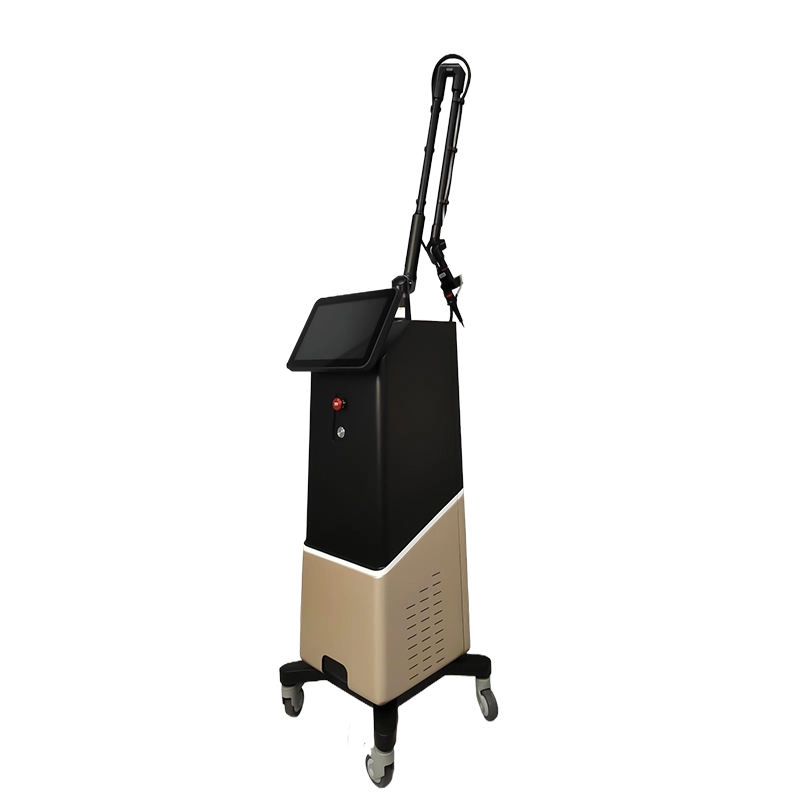
CO2 Fractional Laser Machine for Advanced Skin Resurfacing & Scar Removal
The CO2 fractional laser machine is designed to address a variety of skin concerns, offering treatments for acne scars, pigmentation, wrinkles, and overall skin texture. Utilizing advanced CO2 fractional laser technology, it delivers highly precise and controlled laser energy to promote collagen production and skin rejuvenation. This machine is ideal for professional use in beauty salons, medical spas, and aesthetic clinics. It features a user-friendly touchscreen interface, adjustable settings for customizable treatments, and a built-in cooling system to ensure comfort during use.
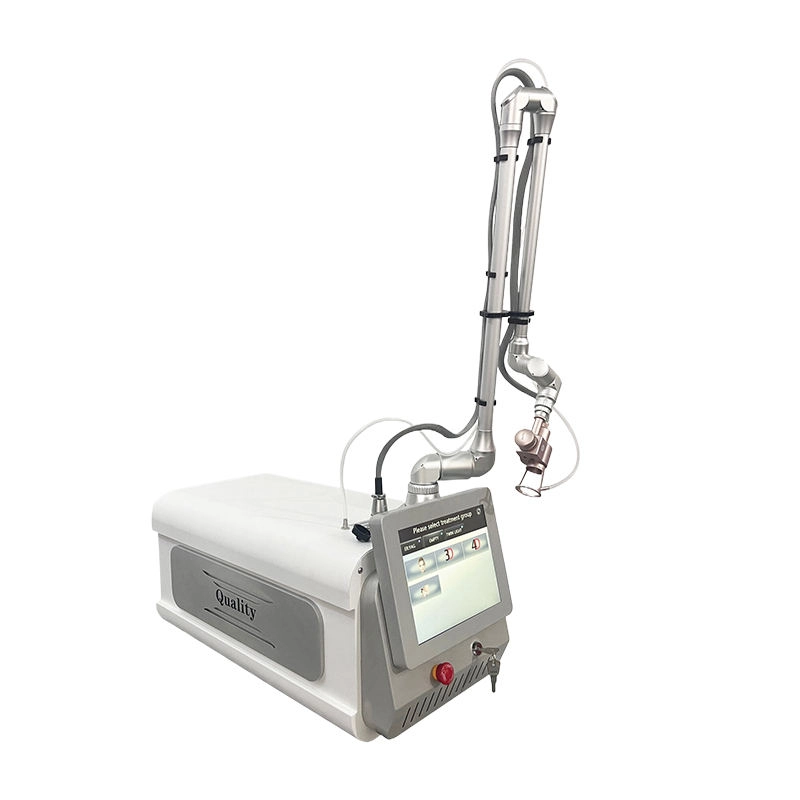
Professional CO2 Fractional Laser Machine | Fractional & Vaginal Rejuvenation CO2 Laser System
The CO2 fractional laser machine is a professional medical-grade device designed for deep skin resurfacing, wrinkle reduction, scar repair, and vaginal rejuvenation. Using a 10600 nm fractional CO2 laser beam, it creates micro-thermal columns on the skin to stimulate collagen regeneration and accelerate skin healing.
This CO2 fractional laser machine provides multiple treatment modes, including fractional mode, surgical cutting mode, and optional vaginal tightening mode, making it ideal for dermatology clinics and professional beauty centers seeking advanced laser solutions.
Its high precision, adjustable spot size, stable energy output, and seven-joint articulated arm ensure safe, accurate, and effective treatment results with minimal downtime.
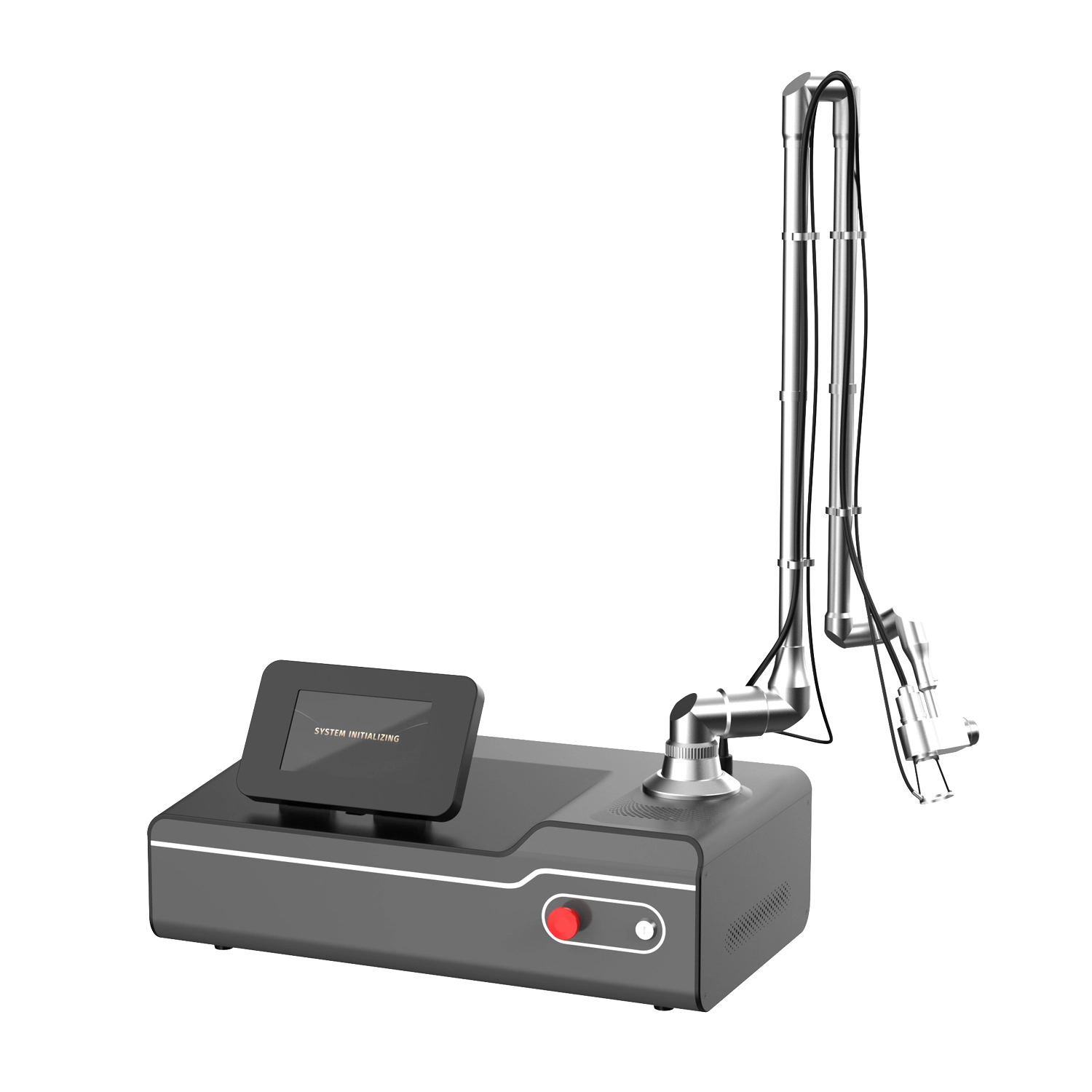
Professional CO2 Fractional Laser Machine for Skin Resurfacing & Scar Treatment
The CO2 Fractional Laser Machine is a professional CO2 fractional laser machine designed for advanced skin resurfacing, scar treatment, and skin rejuvenation procedures.
Using 10,600nm CO2 fractional laser technology, the system delivers controlled microthermal zones into the skin, stimulating collagen remodeling while preserving surrounding tissue. This fractional approach significantly improves treatment safety, recovery time, and clinical outcomes.
The CO2 fractional laser machine is widely used in dermatology clinics and medical aesthetic centers for treating acne scars, wrinkles, enlarged pores, stretch marks, and various skin texture concerns.
Get more information
If you have any comments or good suggestions, please leave us a message; later our professional staff will contact you as soon as possible.
Let's Talk
Stay in touch with us for cutting-edge beauty solutions, professional guidance, and customized service.
Contact


Room 307, Building A, Huilong International E-commerce Industrial Park, No. 10 Xipengling Road, Helong Street, Baiyun District, Guangzhou, China
© 2025 HUIMAIN. All Rights Reserved. Privacy Policy | Terms and Conditions | Sitemap
Facebook
Instagram
Medical beauty equipment factory
huimain Medical beauty equipment factory
beauty machine supplier
Whatsapp: +8619124004543