


- Understanding the Technology: How Pelvic Floor Stimulation Works
- Common and Mild Side Effects
- 1. Delayed Onset Muscle Soreness (DOMS)
- 2. Temporary Tingling or Prickling Sensations
- 3. Mild Pelvic Spasms or Cramping
- 4. Joint or Back Ache (Postural Fatigue)
- 5. Increased Urinary Urgency (Short-Term)
- Rare and Uncommon Side Effects
- 1. Skin Irritation or Superficial Burns (Specific to Traditional EMS)
- 2. Nerve Irritation or Overstimulation
- 3. Vaginal or Anal Mucosal Irritation
- The Critical Role of Equipment Quality in Mitigating Risks
- Inaccurate Technical Parameters
- Inferior Cooling Systems
- Waveform Stability
- Contraindications: Who Should Avoid Pelvic Floor Stimulation?
- How to Minimize Side Effects and Maximize Results
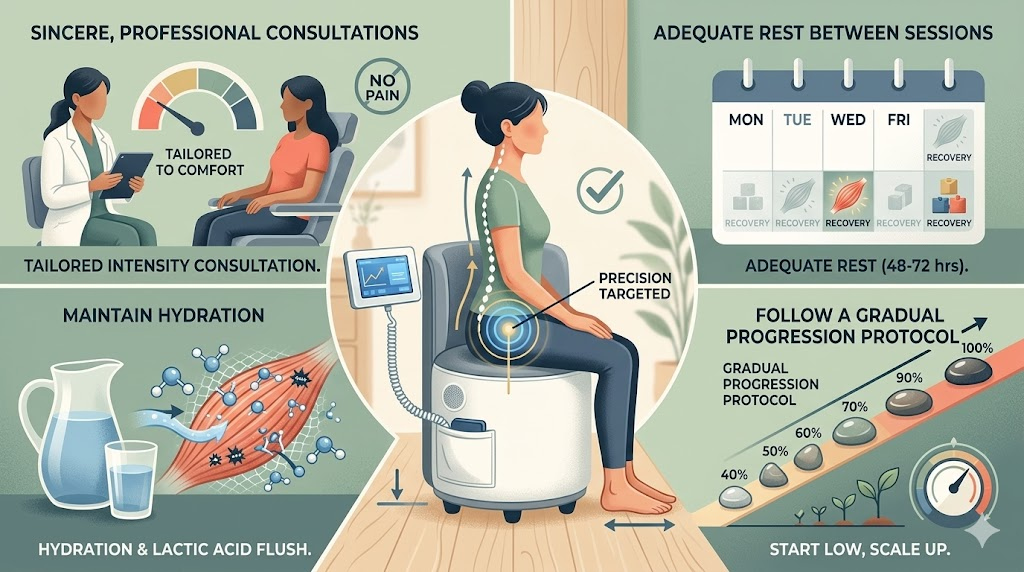
- 1. Prioritize Sincere, Professional Consultations
- 2. Follow a Gradual Progression Protocol
- 3. Maintain Hydration
- 4. Allow for Adequate Rest Between Sessions
- 5. Ensure Proper Posture
- Frequently Asked Questions (FAQ)
- Conclusion & Next Steps
What Are the Side Effects of Electrical Stimulation of the Pelvic Floor? | Complete Guide
Pelvic floor health is a fundamental pillar of overall well-being, core stability, and intimate health. For individuals struggling with urinary incontinence, postpartum recovery challenges, or weakened pelvic musculature, pelvic floor electrical stimulation and advanced electromagnetic therapies have emerged as highly effective, non-surgical solutions. By inducing thousands of supramaximal muscle contractions in a single session, these technologies offer results that traditional Kegel exercises simply cannot match.
However, as with any advanced physical therapy or aesthetic treatment, it is entirely natural to wonder about the potential drawbacks. What are the side effects of electrical stimulation of the pelvic floor? Are they permanent? How can you ensure a safe and comfortable experience? In this comprehensive guide, we will explore the science behind this technology, detail the common and rare side effects, explain who should avoid these treatments, and discuss how the quality of the equipment plays a critical role in your safety and comfort.
Understanding the Technology: How Pelvic Floor Stimulation Works
To understand the potential side effects, one must first understand how the technology interacts with the human body. The pelvic floor is a complex hammock of muscles, ligaments, and connective tissues stretching from the pubic bone to the tailbone.
It supports vital organs, including the bladder, uterus, and rectum.
When these muscles weaken due to aging, childbirth, or lifestyle factors, issues like stress urinary incontinence or pelvic organ prolapse can occur. Traditional rehabilitation relies on voluntary Kegel exercises, which many people perform incorrectly or inconsistently.
Modern technology bridges this gap using two primary modalities:
-
Neuromuscular Electrical Stimulation (NMES): This traditional method uses a mild electrical current delivered via external electrode pads or internal (vaginal/anal) probes. The current stimulates the motor nerves, causing the pelvic floor muscles to contract.
-
High-Intensity Focused Electromagnetic (HIFEM) Technology: This represents the modern evolution of pelvic floor therapy. Instead of direct electrical currents traveling through the skin, HIFEM uses rapid magnetic pulses generated by a specialized chair. These magnetic fields penetrate deep into the pelvic floor tissue, inducing powerful, involuntary supramaximal contractions without the need for undressing or internal probes.
Both methods force the muscles to perform a highly intensive workout. While highly beneficial for muscle re-education and hypertrophy, this intense physiological demand is the primary source of the side effects users may experience.
Common and Mild Side Effects
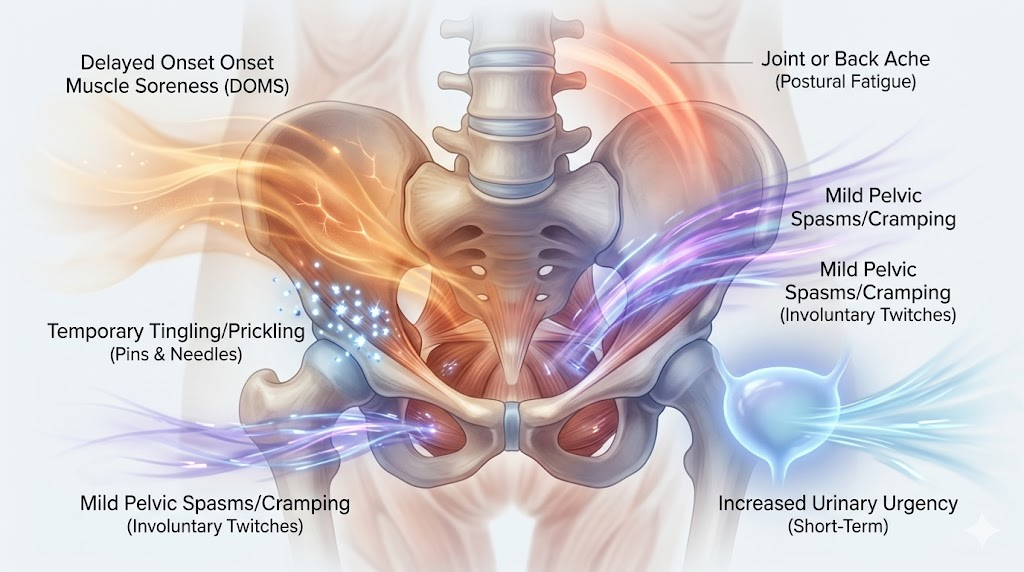
The vast majority of side effects associated with pelvic floor stimulation are mild, temporary, and directly related to the physical exertion placed on the muscles. Because the technology effectively forces your muscles to undergo a rigorous "workout," the physiological responses mimic those of intense physical exercise.
1. Delayed Onset Muscle Soreness (DOMS)
The most frequently reported side effect is muscle soreness. During a standard 30-minute session, the pelvic floor may undergo the equivalent of 10,000 to 12,000 Kegel exercises.
-
The Science: This immense workload causes microscopic tears in the muscle fibers, which is a necessary step for muscle growth and strengthening (hypertrophy). As the body repairs these micro-tears, inflammation occurs, leading to soreness. Furthermore, the rapid contractions can lead to a temporary build-up of lactic acid in the muscle tissue.
-
What it feels like: A dull ache, heaviness, or tenderness in the lower abdomen, groin, or buttocks, usually peaking 24 to 48 hours after the session.
-
Duration: Typically resolves on its own within 1 to 3 days.
2. Temporary Tingling or Prickling Sensations
As the electrical or electromagnetic waves stimulate the motor nerves, sensory nerves in the surrounding area are also activated.
-
What it feels like: You may experience a "pins and needles" sensation, mild prickling, or a buzzing feeling during the treatment and shortly afterward.
-
Duration: This sensation usually stops immediately once the device is turned off, though mild residual tingling can occasionally last for a few hours as the nerve endings settle back to their baseline state.
3. Mild Pelvic Spasms or Cramping
Because the pelvic floor muscles have been forced to contract beyond their normal capacity, they can become temporarily fatigued.
-
The Science: Neuromuscular fatigue can disrupt the normal resting tone of the muscle. Just as a runner might experience a calf cramp after a marathon, the pelvic floor can experience minor, involuntary spasms as it recovers.
-
What it feels like: Brief, involuntary twitches or mild cramping in the pelvic region.
-
Duration: Highly transient, usually fading within a few hours to a day.
4. Joint or Back Ache (Postural Fatigue)
This side effect is more common with non-invasive electromagnetic chairs. Because the treatment forces the pelvic floor and lower core muscles to contract powerfully, it demands a strong stabilization response from your lower back and hips. Sitting rigidly or maintaining an unnatural posture during the powerful contractions can lead to secondary muscle fatigue in the lower back or glutes.
5. Increased Urinary Urgency (Short-Term)
While the ultimate goal of pelvic floor stimulation is to cure urinary incontinence, some users notice a paradoxical, temporary increase in urinary urgency immediately following their first few sessions. This happens because the bladder and surrounding tissues have been aggressively stimulated, causing temporary hypersensitivity. This usually subsides quickly as the body adapts to the therapy.
Rare and Uncommon Side Effects
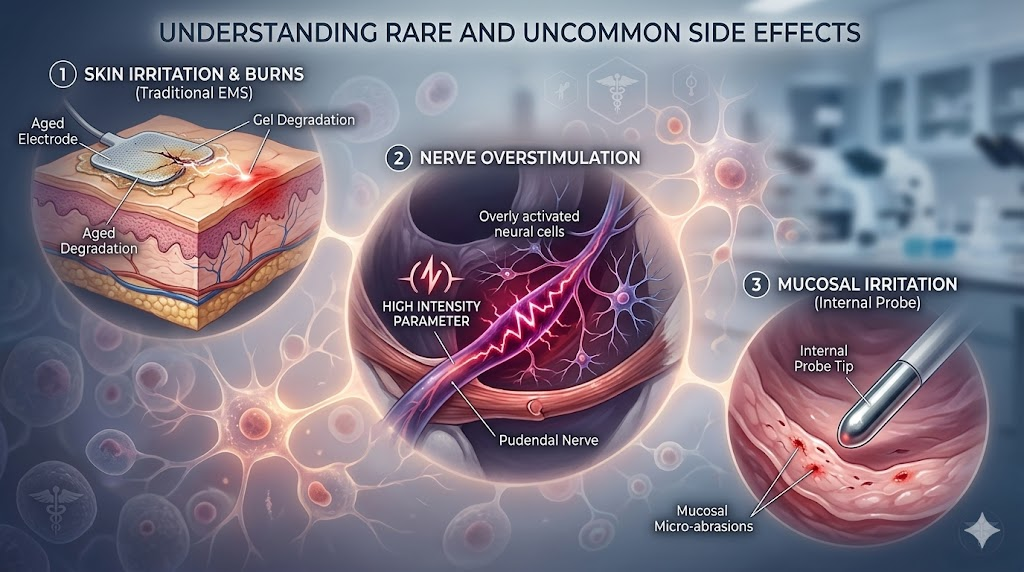
While severe adverse reactions are exceptionally rare, they can occur, particularly if the treatment is administered incorrectly, if contraindications are ignored, or if low-quality equipment is utilized.
1. Skin Irritation or Superficial Burns (Specific to Traditional EMS)
This side effect is strictly associated with older, probe-based or electrode-pad-based electrical stimulation (NMES), not non-invasive electromagnetic (HIFEM) chairs. If conductive gel dries out, or if the electrode pads degrade, the electrical current can arc, causing mild skin irritation, redness, or in very rare cases, superficial thermal burns.
2. Nerve Irritation or Overstimulation
If the intensity parameter is set too high for a beginner, or if sessions are performed too frequently without adequate recovery days, the pudendal nerve (the main nerve of the perineum) can become overstimulated. This can result in lingering neuralgic pain or a temporary worsening of pelvic floor dysfunction. This highlights the necessity of a tailored treatment plan that gradually increases in intensity.
3. Vaginal or Anal Mucosal Irritation
Again, this is only applicable to internal probe devices. Insertion of a probe can cause micro-abrasions, discomfort, or an increased risk of urinary tract infections (UTIs) if strict hygiene and sterilization protocols are not followed. Modern electromagnetic chair therapies have completely eliminated this risk by working non-invasively through clothing.
The Critical Role of Equipment Quality in Mitigating Risks
In the rapidly expanding aesthetics and wellness market, not all devices are created equal. As a professional, I always emphasize that the safety profile of any pelvic floor stimulation heavily depends on the engineering and manufacturing standards of the device being used.
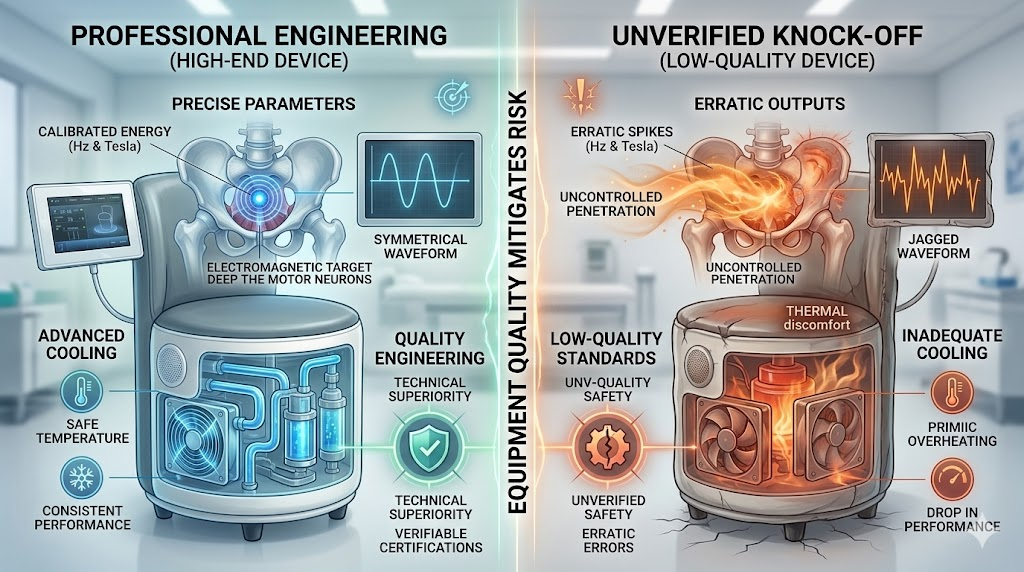
The market has seen an influx of "knock-off" machines that promise high performance at incredibly low costs. However, utilizing unverified, low-quality equipment significantly increases the risk of adverse side effects for several reasons:
Inaccurate Technical Parameters
High-end, professionally manufactured devices feature highly calibrated energy outputs. The frequency (measured in Hz) and magnetic intensity (measured in Tesla) are strictly controlled by advanced software to ensure the energy penetrates precisely to the motor neurons without damaging surrounding tissue. Low-quality machines often suffer from erratic energy spikes or inaccurate parameter displays. An unexpected spike in energy can cause severe, painful muscle cramping or nerve shock.
Inferior Cooling Systems
Generating high-intensity electromagnetic fields produces a massive amount of internal heat within the device. Premium, source-factory manufactured equipment utilizes state-of-the-art liquid or advanced air-cooling systems to keep the applicators and the seating area at a safe, comfortable temperature. Subpar machines with inadequate cooling can overheat, leading to a drop in performance (meaning the patient gets no results) or, worse, thermal discomfort and safety hazards for the user sitting on the device.
Waveform Stability
The "shape" of the energy wave matters. Professional devices use symmetrical, biphasic waveforms that ensure the muscle contracts and releases smoothly. Cheap imitations often produce jagged, unstable waveforms that result in jerky, painful, and highly uncomfortable contractions, leading to severe DOMS and joint aches post-treatment.
When seeking treatment or outfitting a clinic, choosing equipment that boasts genuine technical superiority, upgraded cooling infrastructure, and verifiable safety certifications is non-negotiable. Quality engineering is the ultimate safeguard against unwanted side effects.
Contraindications: Who Should Avoid Pelvic Floor Stimulation?
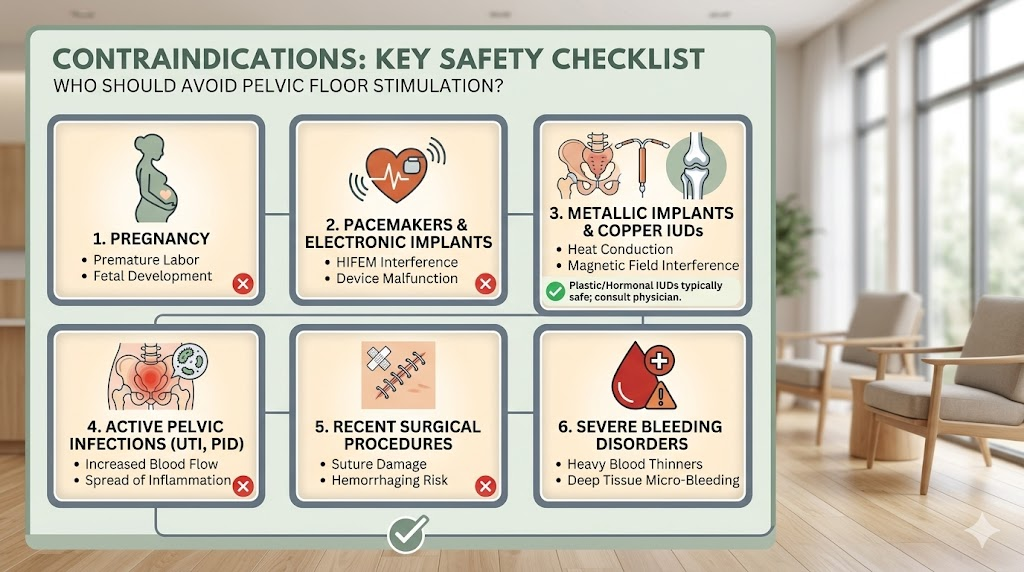
A crucial part of avoiding side effects is knowing when not to use the technology. Electrical and electromagnetic stimulation is incredibly safe for the general population, but it is strictly contraindicated for individuals with specific medical conditions.
-
Pregnancy: Pregnant women should never undergo pelvic floor electrical or electromagnetic stimulation. The powerful muscle contractions and energy fields could potentially trigger premature labor or affect fetal development.
-
Metal or Electronic Implants: This is a critical safety warning, especially for HIFEM technology. The powerful magnetic fields can heat, displace, or severely disrupt the functioning of electronic implants such as pacemakers, implanted defibrillators, or neurostimulators. Furthermore, individuals with metallic implants in the lower back, hips, or pelvic region (including copper IUDs) must consult a physician, as the metal can conduct heat or interfere with the magnetic waves. (Note: Hormonal IUDs made of plastic are generally safe, but medical clearance is always advised).
-
Active Pelvic Infections or Cancers: Anyone currently suffering from a severe urinary tract infection, pelvic inflammatory disease (PID), or active malignancies in the pelvic region should avoid treatment. Increased blood flow and muscle manipulation can exacerbate these conditions.
-
Recent Surgical Procedures: If you have recently undergone pelvic, abdominal, or gynecological surgery, the tissues need time to heal. Subjecting them to intense supramaximal contractions too soon can tear sutures, cause hemorrhaging, and severely delay the recovery process.
-
Severe Bleeding Disorders: Individuals taking heavy blood thinners or those with hemorrhagic conditions should approach with caution, as the intense muscle contractions could theoretically increase the risk of deep tissue micro-bleeding.
How to Minimize Side Effects and Maximize Results
If you are a suitable candidate, there are several best practices you can follow to ensure your experience is comfortable and side-effect-free.
1. Prioritize Sincere, Professional Consultations
Never jump straight to the maximum setting. A proper session should begin with a thorough consultation to assess your baseline pelvic floor strength. The intensity should be tailored to your comfort level—it should feel like an intense workout, but it should never be acutely painful.
2. Follow a Gradual Progression Protocol
Just as you wouldn't attempt to lift 300 pounds on your first day at the gym, your pelvic floor needs time to adapt. Start the first few sessions at a lower intensity (e.g., 40-50% power) and gradually scale up as your muscular endurance improves.
3. Maintain Hydration
Hydration is key to muscle recovery. Drinking plenty of water before and after your session helps the body flush out the lactic acid generated during the intense muscle contractions, significantly reducing the duration and severity of post-treatment soreness.
4. Allow for Adequate Rest Between Sessions
Muscles do not grow stronger during the workout; they grow stronger during the recovery phase. It is highly recommended to space sessions at least 48 to 72 hours apart. Treating the same muscle group every single day leads to overtraining, severe fatigue, and diminishing returns.
5. Ensure Proper Posture
During electromagnetic chair treatments, sit up straight with your feet flat on the floor. Maintaining ergonomic alignment ensures the magnetic field is targeted precisely at the pelvic floor rather than the lower back, reducing the risk of secondary backache.
Frequently Asked Questions (FAQ)
Q1: Is pelvic floor electrical stimulation painful?
A: It should not be painful. You will feel strong, deep muscle contractions and a tingling sensation, which can feel unusual or strange at first, but it should never cross the threshold into sharp pain. If you experience pain, the intensity is set too high and should be immediately reduced by the operator.
Q2: How long do the side effects last? A: The most common side effect, muscle soreness (DOMS), typically appears 12 to 24 hours after the session and subsides completely within 1 to 3 days. Any mild tingling usually disappears within an hour after the treatment concludes.
Q3: Can I go to the gym or exercise after a session?
A: Yes, there is no required downtime. However, because your pelvic floor and core muscles have just undergone an intense workout, it is advisable to avoid heavy lifting (like heavy squats or deadlifts) on the same day. Light cardio, walking, or upper body workouts are perfectly fine.
Q4: Can this technology make my incontinence worse?
A: In highly rare instances, over-treating a fatigued pelvic floor can lead to a temporary regression in bladder control for a day or two. This is a sign of muscle exhaustion. Following a proper treatment schedule with adequate rest days completely prevents this issue. Long-term, the therapy is designed to significantly improve or resolve incontinence.
Q5: Why is my copper IUD a problem, but my friend's plastic IUD is not?
A: Electromagnetic fields (HIFEM) interact directly with metal. A copper IUD could potentially heat up or shift slightly under the influence of strong magnetic pulses, posing a safety risk. Plastic, hormonal IUDs do not contain conductive metals and therefore do not react to the magnetic field, making them safe for this therapy.
Q6: How many sessions do I need before I see results, and will side effects lessen over time?
A: A standard protocol is usually 6 to 8 sessions spread over 3 to 4 weeks. Yes, as your pelvic floor muscles become stronger and more conditioned, the post-treatment soreness will significantly decrease, much like how running becomes easier the more frequently you do it.
Q7: Can men use pelvic floor stimulation, and are the side effects the same?
A: Absolutely. Men benefit greatly from this therapy, especially for recovery after prostate surgery, managing incontinence, and improving overall pelvic health. The side effects—primarily muscle soreness and mild fatigue—are exactly the same for men as they are for women.
Conclusion & Next Steps
When administered correctly using high-quality, professional-grade equipment, electrical and electromagnetic stimulation of the pelvic floor is a remarkably safe and transformative therapy. The side effects are overwhelmingly mild, transient, and representative of the natural muscle-building process. By understanding how the technology works, respecting contraindications, and pacing your treatments, you can dramatically improve your core strength and intimate health with virtually zero downtime.
We believe in empowering our clients with transparent, accurate knowledge rather than aggressive sales pitches. When you understand the science behind the treatment, you can make the best decisions for your health and business.
Ready to elevate your wellness offerings or learn more about professional-grade pelvic floor technology? If you are looking for equipment that guarantees precise technical parameters, superior cooling systems, and unmatched safety profiles, we are here to help. Reach out to us today for a sincere, consultative discussion about how top-tier aesthetics technology can transform results. Let's connect and build a stronger foundation together.



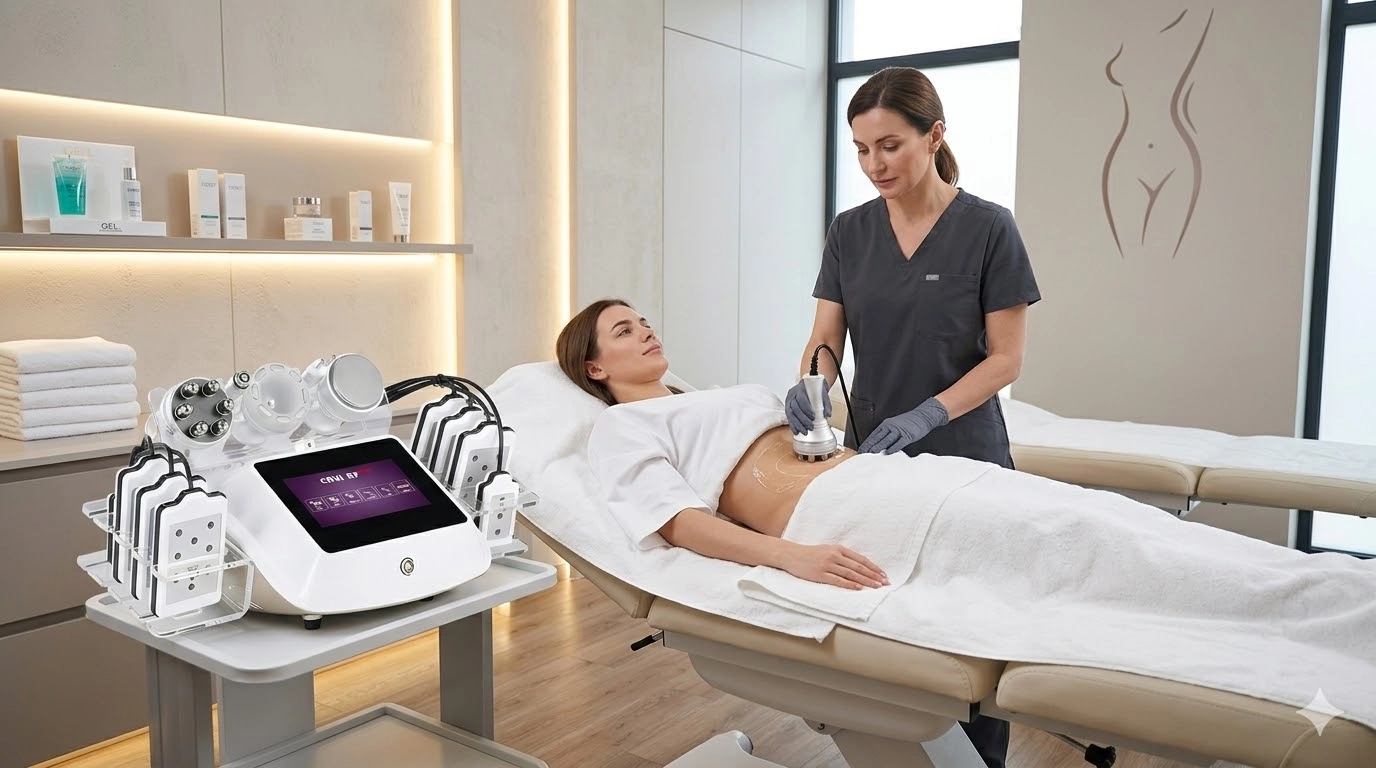
EMS + Cryo Slimming Machine
What is an EMS + Cryo Slimming Machine?
An EMS + Cryo Slimming Machine combines two powerful body contouring technologies — Electrical Muscle Stimulation (EMS) and Cryolipolysis (fat freezing) — to deliver a dual-action slimming effect. The EMS function stimulates deep muscle contractions to enhance tone and metabolism, while the cryo slimming technology freezes and breaks down stubborn fat cells without damaging surrounding tissues. It’s a non-invasive, safe, and effective solution for professional body contouring clinics and beauty salons.
HMR-2 立式磁力环
Is magnetic transduction therapy safe?
Yes. Magnetic transduction physical therapy is non-invasive, contact-free, and widely used in professional rehabilitation clinics.
MF6
Who can use MFFFace 6?
It is suitable for all skin types and safe for both men and women seeking facial rejuvenation.
HMC1S
Q5: Does the Pelvic Floor Chair require any special maintenance?
A5: The chair is low-maintenance. Simply clean the surface regularly and ensure it is stored in a cool, dry place.
JHF-53
Is the treatment painful?
Discomfort is minimal and adjustable through energy settings.


Get more information
If you have any comments or good suggestions, please leave us a message; later our professional staff will contact you as soon as possible.
Let's Talk
Stay in touch with us for cutting-edge beauty solutions, professional guidance, and customized service.
Contact


Room 307, Building A, Huilong International E-commerce Industrial Park, No. 10 Xipengling Road, Helong Street, Baiyun District, Guangzhou, China
© 2025 HUIMAIN. All Rights Reserved. Privacy Policy | Terms and Conditions | Sitemap
Facebook
Instagram
Medical beauty equipment factory
huimain Medical beauty equipment factory
beauty machine supplier
Whatsapp: +8619124004543