


- Beyond the Initial Purchase: Unveiling the True Long-Term Costs of a CO₂ Fractional Laser Machine
- Efficacy & Safety for Diverse Skin Types: Wavelength, Pulse Duration, and PIH Risk
- Beyond the Sale: Critical Post-Purchase Support and Training for Operational Readiness
- High-Demand Treatments and Strategic Marketing for Medspa Client Acquisition
- Prioritizing Innovations: Advanced Features for Optimal Outcomes and Competitive Edge
- Scrutinizing Certifications, Warranties, and Service Agreements for Reliability and Compliance
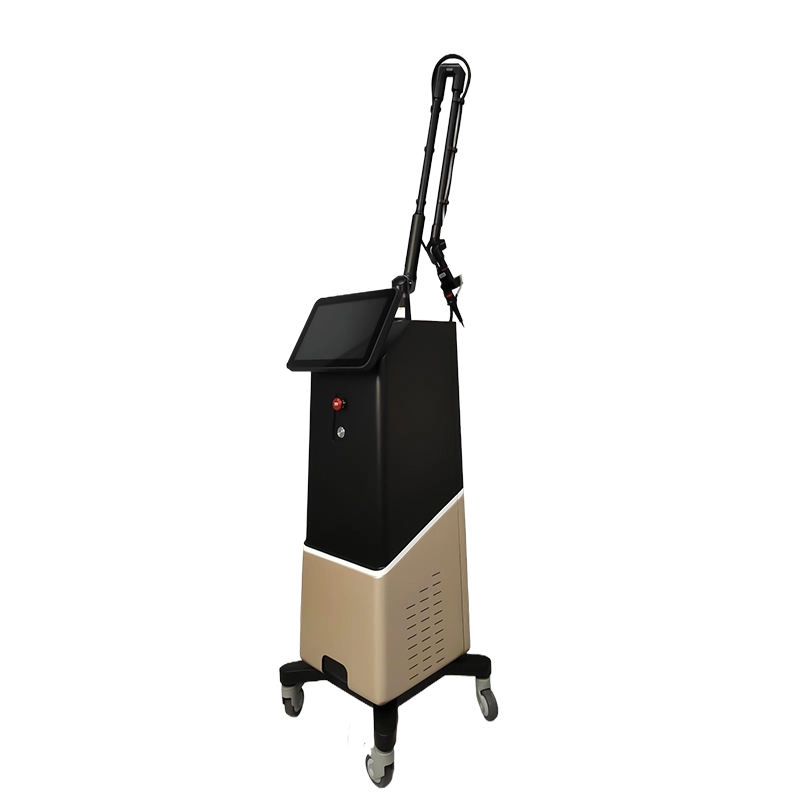
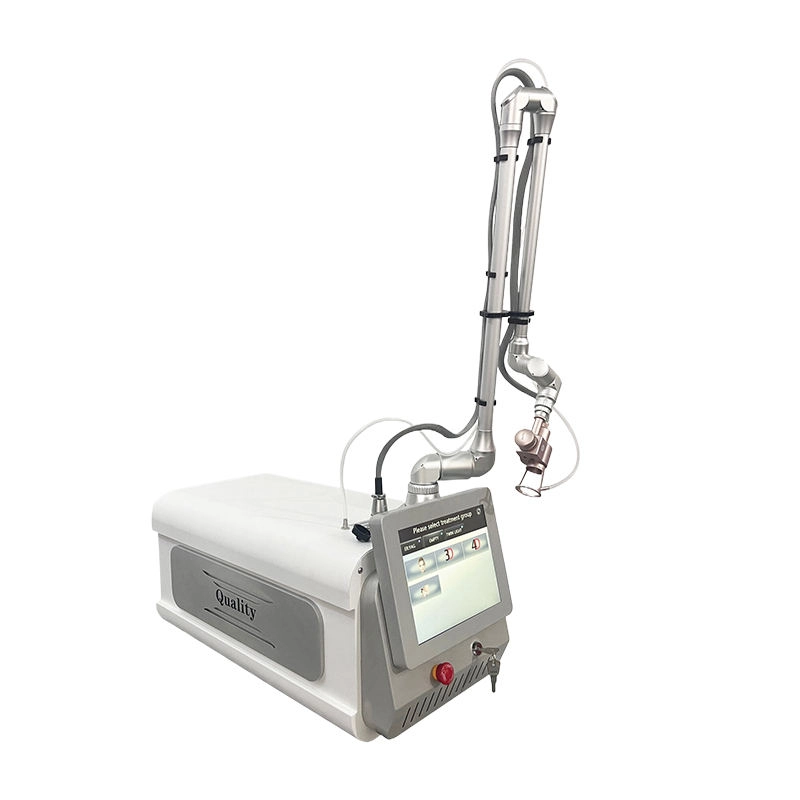
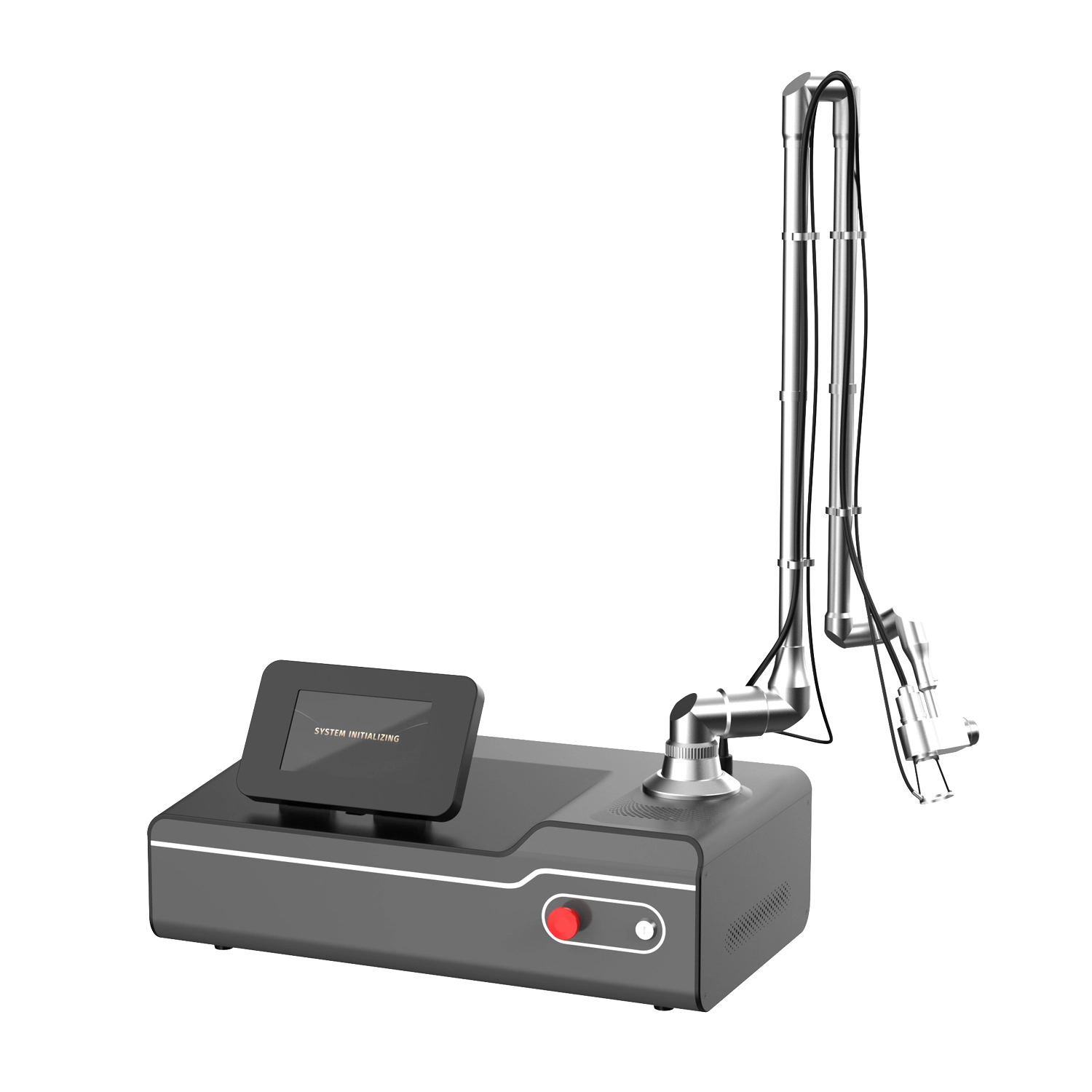
Which CO₂ fractional laser machine suits a medspa startup?
As a medspa startup, the decision to invest in a CO₂ fractional laser machine is a significant one, promising high returns but also requiring careful consideration. This powerful aesthetic laser technology offers unparalleled results for skin resurfacing, scar revision, and wrinkle reduction. However, beginners often face a maze of technical specifications, operational costs, and market demands that can be overwhelming. This expert guide aims to cut through the noise, providing in-depth answers to the most pressing, pain-point-oriented questions that frequently lack comprehensive or up-to-date information online.
Beyond the Initial Purchase: Unveiling the True Long-Term Costs of a CO₂ Fractional Laser Machine
Investing in a CO₂ fractional laser system goes far beyond the sticker price. Many medspa startups overlook the crucial recurring costs and maintenance considerations that significantly impact the total cost of ownership (TCO) and long-term return on investment (ROI). Key consumables include disposable treatment tips (which vary in cost per pulse or per session), handpiece covers, and filters for integrated smoke evacuators – essential for patient and operator safety. Annual service contracts are paramount; these typically cover preventative maintenance, calibration, and software updates, ensuring optimal performance and compliance. Expect these contracts to range from 8-15% of the initial machine cost annually. Furthermore, while less frequent, major component replacements such as the laser tube or mirrors can be substantial expenses. Don't forget utility costs, primarily electricity and potentially dedicated cooling systems, which can add to your operational overhead. Adequate insurance coverage for high-value medical-grade equipment is also a non-negotiable expense. Factoring in these elements from the outset provides a realistic financial projection for your new aesthetic clinic.
Efficacy & Safety for Diverse Skin Types: Wavelength, Pulse Duration, and PIH Risk
The 10,600nm wavelength of a CO₂ fractional laser is highly absorbed by water in the skin, making it exceptionally effective for ablative skin resurfacing. However, understanding how specific parameters like pulse duration impact treatment efficacy and patient safety, especially for diverse Fitzpatrick skin types (I-VI), is critical. Modern fractional CO₂ laser systems deliver energy in microthermal zones (MTZs), creating controlled columns of ablation while sparing surrounding tissue. For lighter skin types (I-III), aggressive settings might be tolerated, but for darker skin types (IV-VI), the risk of Post-Inflammatory Hyperpigmentation (PIH) increases significantly. This is where advanced pulse duration control becomes vital. Ultrapulse or short-pulse duration settings allow for precise ablation with minimal thermal spread, reducing collateral damage and the likelihood of PIH. Conversely, longer pulse durations or continuous wave modes can lead to excessive bulk heating, increasing PIH risk. A high-quality CO₂ fractional laser machine will offer highly customizable parameters – energy (mJ), density (coverage percentage), and dwell time – allowing practitioners to tailor treatments meticulously. Pre-treatment protocols (e.g., hydroquinone) and meticulous post-treatment care are also essential for mitigating risks in patients with higher melanin content.
Beyond the Sale: Critical Post-Purchase Support and Training for Operational Readiness
For a medspa startup, acquiring a CO₂ fractional laser is just the beginning. The quality and comprehensiveness of post-purchase support and training are paramount for ensuring operational readiness and a successful service launch. Reputable manufacturers provide extensive on-site training that covers not only device operation but also clinical application, patient selection, safety protocols, and emergency procedures. This initial training should be hands-on, allowing your staff to gain confidence under expert supervision. Beyond initial training, look for providers offering ongoing education, such as advanced technique workshops, webinars, and access to clinical specialists. Robust technical support, including rapid response times for troubleshooting and repairs, is crucial to minimize costly downtime. A strong warranty and clear service agreements outlining response times, parts availability, and loaner unit options are indicators of a manufacturer's commitment to your long-term success. Adequate training and support directly translate into staff confidence, enhanced patient safety, and the ability to effectively integrate new aesthetic treatments into your service offerings.
High-Demand Treatments and Strategic Marketing for Medspa Client Acquisition
To quickly build a loyal client base, a medspa startup must focus on offering profitable and in-demand CO₂ fractional laser treatments. The most sought-after applications include full facial resurfacing for significant wrinkle reduction, sun damage, and textural improvements; highly effective acne scar revision; surgical scar improvement; and non-surgical skin tightening. Many clinics also find success with stretch mark reduction and treatment of pigment lesions. To effectively market these services, focus on visual results: compelling before-and-after photos (with patient consent) are incredibly powerful. Leverage patient testimonials, educational content (blog posts, social media videos explaining the benefits and process), and package deals (e.g., a series of treatments at a discounted rate). Introductory offers for new clients, targeted social media campaigns, local search engine optimization (SEO) focusing on specific treatments, and a robust referral program can significantly boost client acquisition. Emphasize personalized consultations to manage patient expectations and build trust, which is key to long-term client loyalty.
Prioritizing Innovations: Advanced Features for Optimal Outcomes and Competitive Edge
In the rapidly evolving field of aesthetic medicine, a medspa startup should prioritize CO₂ fractional laser systems that incorporate key technological innovations for optimal patient outcomes and a competitive advantage. Look for devices featuring advanced scanning patterns (e.g., randomized, sequential, or custom shapes) that ensure even energy distribution, prevent hot spots, and reduce overlap, leading to more consistent results and minimized side effects. Variable pulse shapes, which allow for a short, high-peak pulse for ablation followed by a longer, lower-energy tail for thermal coagulation, offer superior control over tissue interaction. Integrated cooling systems (air or contact cooling) are crucial for enhancing patient comfort during treatment, potentially reducing the need for extensive topical anesthetics. User-friendly interfaces with pre-set, customizable protocols streamline operations and reduce the learning curve for new practitioners. Faster treatment times, often enabled by advanced scanner technology, improve clinic efficiency. Prioritizing these innovations ensures your medspa offers cutting-edge treatments that deliver superior results and a better patient experience, setting you apart in the market.
Scrutinizing Certifications, Warranties, and Service Agreements for Reliability and Compliance
When evaluating different CO₂ fractional laser manufacturers, meticulous scrutiny of certifications, warranty terms, and service agreements is non-negotiable for ensuring long-term reliability, regulatory compliance, and minimizing operational downtime. For the US market, FDA 510(k) clearance is paramount, signifying that the device is safe and effective for its intended use. For European markets, the CE Mark is essential. These regulatory approvals are not just bureaucratic hurdles; they are fundamental indicators of a product's quality and safety standards. Beyond certifications, delve into the warranty duration and specifics: does it cover parts, labor, or both? Are there any exclusions or conditions that could void the warranty? Equally important are the service agreement options. Inquire about preventative maintenance schedules, guaranteed response times for technical issues, and the availability of loaner units during repairs. A manufacturer with a strong reputation, readily available parts, and a network of local, certified service technicians offers peace of mind and minimizes the risk of extended operational interruptions. These factors collectively contribute to the overall reliability and cost-effectiveness of your investment.
Investing in a CO₂ fractional laser machine represents a significant step for any medspa startup. By meticulously considering these often-overlooked aspects—from the true cost of ownership and advanced safety protocols for diverse skin types to comprehensive training, strategic marketing of profitable treatments, and the critical importance of regulatory compliance and robust manufacturer support—you empower your clinic to deliver exceptional results, ensure patient safety, and achieve sustainable growth. The right CO₂ fractional laser machine is not just equipment; it's a foundation for your medspa's success.
Ready to equip your medspa with a cutting-edge CO₂ fractional laser machine? Contact us today for a personalized quote and expert consultation. Visit www.huimainbeauty.com or email coco@huimainbeauty.com.



A67
Can the Fusion HIFU machine be used on the body?
Yes, it is suitable for both facial and body contouring treatments.
3 in 1 808+Pico+DPL
Is training required to operate this device?
Basic operator training is recommended, and the machine includes an intuitive interface to support easy learning.
A71立式冷波
Is there any downtime after treatment?
No downtime is required. Clients can return to daily activities immediately after treatment.
OL-164
How often should clients use the OL-164 Hydro Oxygen Facial Machine?
Recommended every 2–4 weeks, depending on skin type and treatment goals.
OL-186
What results can clients expect?
Noticeable improvements in skin hydration, clarity, and smoothness after the first session.

Get more information
If you have any comments or good suggestions, please leave us a message; later our professional staff will contact you as soon as possible.
Let's Talk
Stay in touch with us for cutting-edge beauty solutions, professional guidance, and customized service.
Contact


Room 307, Building A, Huilong International E-commerce Industrial Park, No. 10 Xipengling Road, Helong Street, Baiyun District, Guangzhou, China
© 2025 HUIMAIN. All Rights Reserved. Privacy Policy | Terms and Conditions | Sitemap
Facebook
Instagram
Medical beauty equipment factory
huimain Medical beauty equipment factory
beauty machine supplier
Whatsapp: +8619124004543