


- Comprehensive Guide to Tattoo Removal Machines and Essential Certifications
- 1. What are the different types of tattoo removal machines?
- 2. What is the cost range for tattoo removal machines?
- 3. What certifications should a quality tattoo removal machine have?
- 4. What qualifications are required to become a certified tattoo removal technician?
- 5. How can I ensure the quality and reliability of a tattoo removal machine?
- 6. What are the ongoing costs associated with operating a tattoo removal machine?
- 7. How can I choose the right tattoo removal machine for my practice?
- 8. What are the potential risks and side effects of tattoo removal treatments?
- Conclusion: Why Choose HUIMAIN?
What certifications should a quality tattoo removal machine have?
Comprehensive Guide to Tattoo Removal Machines and Essential Certifications
When considering the purchase of a tattoo removal machine, it's crucial to understand the various types available, their associated costs, and the necessary certifications and qualifications required for technicians. This guide provides insights into these aspects to assist you in making an informed decision.
1. What are the different types of tattoo removal machines?
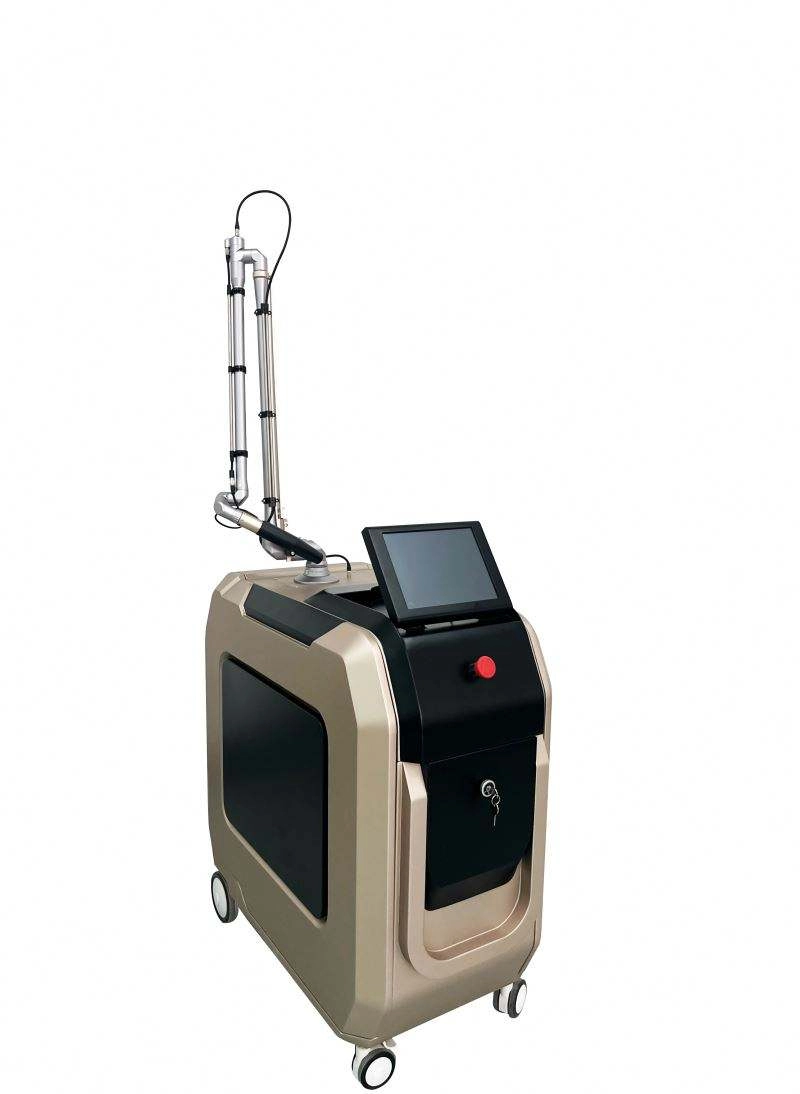
Tattoo removal machines primarily utilize laser technology, with the most common types being:
Q-Switched Nd:YAG Lasers: Effective for removing dark-colored tattoos, these lasers emit short pulses of light to break down ink particles.
Picosecond Lasers: Utilizing ultra-short pulses, picosecond lasers can target a broader range of ink colors and are known for faster treatment times.
Multi-Function Systems: These versatile machines offer multiple wavelengths, allowing treatment of various ink colors and skin types.
2. What is the cost range for tattoo removal machines?
The cost of tattoo removal machines varies based on technology and brand reputation:
Entry-Level Q-Switched Systems: Approximately $18,000–$35,000, suitable for small clinics starting out.
Mid-Range Dual-Wavelength Units: Around $35,000–$60,000, offering versatility for different ink colors and skin types.
Picosecond Lasers: $80,000–$150,000, providing premium performance with faster results but a steeper ROI timeline.
It's essential to consider the total cost of ownership, including maintenance contracts, consumables, and staff training.
3. What certifications should a quality tattoo removal machine have?
When evaluating tattoo removal machines, ensure they possess the following certifications:
CE Marking: Indicates conformity with European health, safety, and environmental protection standards.
FDA Approval: For the U.S. market, ensures the device meets safety and efficacy standards.
ISO 13485 Certification: Pertains to quality management systems for medical devices, ensuring consistent production standards and quality control.
These certifications provide confidence in the device's performance and reliability.
4. What qualifications are required to become a certified tattoo removal technician?
To become a certified tattoo removal technician, the following qualifications are typically required:
Level 3 Anatomy & Physiology: Provides foundational knowledge of the human body's structure and function.
Level 4 Laser and IPL Certificate: Covers the safe and effective use of laser and intense pulsed light technologies.
Level 5 Certificate in Laser Tattoo Removal: Specialized training focusing on tattoo removal techniques and safety protocols.
These qualifications ensure technicians are equipped with the necessary knowledge and skills to perform tattoo removal procedures safely and effectively.
5. How can I ensure the quality and reliability of a tattoo removal machine?
To ensure the quality and reliability of a tattoo removal machine, consider the following steps:
Verify Certifications: Ensure the machine has the necessary certifications, such as CE marking, FDA approval, and ISO 13485.
Assess Manufacturer Reputation: Choose machines from reputable manufacturers known for quality and customer support.
Evaluate Warranty and Support: Opt for machines that offer comprehensive warranties and access to responsive technical support.
Request Demonstrations: Attend trade shows or schedule live demos to assess the machine's performance and ease of use.
These steps can help ensure you invest in a machine that meets industry standards and suits your specific needs.
6. What are the ongoing costs associated with operating a tattoo removal machine?
Operating a tattoo removal machine involves several ongoing costs:
Maintenance and Replacement Parts: Regular maintenance and replacement of components like laser lamps and cooling systems.
Consumables and Accessories: Items such as protective goggles, handpieces, and treatment tips.
Training and Certification: Costs associated with initial and ongoing training to ensure technicians remain current with best practices.
It's important to budget for these expenses to maintain optimal machine performance and compliance with industry standards.
7. How can I choose the right tattoo removal machine for my practice?
Selecting the right tattoo removal machine involves:
Assessing Your Practice Needs: Consider the types of tattoos and skin tones you plan to treat.
Evaluating Machine Specifications: Match the machine's capabilities with your treatment goals.
Considering Budget and ROI: Analyze the initial investment against potential revenue and return on investment.
Reviewing Support and Training: Ensure the manufacturer provides adequate training and ongoing support.
Taking these factors into account will help you make an informed decision that aligns with your practice's objectives.
8. What are the potential risks and side effects of tattoo removal treatments?
Potential risks and side effects of tattoo removal treatments include:
Skin Irritation: Temporary redness, swelling, or blistering at the treatment site.
Hypopigmentation or Hyperpigmentation: Changes in skin color, either lighter or darker than the surrounding area.
Scarring: Rare but possible, especially if post-treatment care instructions are not followed.
To minimize these risks, ensure treatments are performed by qualified technicians using certified equipment, and adhere to proper aftercare protocols.
Conclusion: Why Choose HUIMAIN?
When selecting a tattoo removal machine, consider HUIMAIN for its commitment to quality, comprehensive training programs, and adherence to industry standards. HUIMAIN offers:
Certified Equipment: Machines that meet international certifications, ensuring safety and efficacy.
Comprehensive Training: In-depth training programs for technicians, covering all aspects of tattoo removal procedures.
Ongoing Support: Responsive customer service and technical support to assist with any operational needs.
Choosing HUIMAIN ensures you invest in reliable equipment backed by expert training and support, setting the foundation for successful tattoo removal services.
References:



JLM-3
Can the cold plasma therapy machine be used with other beauty devices?
Yes, it can complement laser, RF, or LED therapy for enhanced results.
12D hifu
How soon can clients see results?
Some results appear immediately, while full collagen regeneration appears within 2–8 weeks.
HMT 42 R
How many treatments are needed to see results?
Most clients begin to notice visible changes after 4–6 sessions, depending on their body type and treatment goals.
HF-61
Is the Hydrafacial Machine safe for sensitive skin?
Yes, it is safe for all skin types, including sensitive skin, as it uses non-invasive technologies.
热玛吉
What is Thermage FLX technology?
Thermage FLX uses monopolar RF energy to heat deep dermal layers, stimulating collagen to tighten and lift the skin.


Get more information
If you have any comments or good suggestions, please leave us a message; later our professional staff will contact you as soon as possible.
Let's Talk
Stay in touch with us for cutting-edge beauty solutions, professional guidance, and customized service.
Contact


Room 307, Building A, Huilong International E-commerce Industrial Park, No. 10 Xipengling Road, Helong Street, Baiyun District, Guangzhou, China
© 2025 HUIMAIN. All Rights Reserved. Privacy Policy | Terms and Conditions | Sitemap
Facebook
Instagram
Medical beauty equipment factory
huimain Medical beauty equipment factory
beauty machine supplier
Whatsapp: +8619124004543