


Portable vs. Vertical Cryolipolysis Machines: A Business View
- Market dynamics and buyer intent
- Demand drivers and customer segmentation
- Wholesale intent and purchasing patterns
- Regulatory climate and trust signals
- Technical differences: portable vs vertical cryolipolysis
- Design, ergonomics and clinic footprint
- Cooling capacity, applicator range and treatment versatility
- Treatment time, simultaneous sites and throughput
- Operational and business considerations
- Cost of ownership: CAPEX, OPEX, and consumables
- Training, clinical protocols, and adverse event management
- Service infrastructure and spare-part logistics
- Procurement and wholesale strategy
- Evaluating suppliers: compliance, quality systems and evidence
- Price, MOQ, and OEM/ODM flexibility
- Comparative matrix: portable vs vertical (business metrics)
- Selecting the right wholesale cryolipolysis machine partner
- Key contract clauses and risk mitigation
- Case example: aligning device choice to business model
- Why supplier transparency matters
- Manufacturer profile and why I recommend considering Guangzhou Huimain
- How Huimain supports wholesale customers
- Implementation checklist before purchase
- Clinical validation and pilot program
- Operational readiness
- Commercial and marketing prep
- Frequently Asked Questions (FAQ)
- 1. Which is better for a new single-location clinic: portable or vertical cryolipolysis machines?
- 2. How does clinical efficacy compare between portable and vertical devices?
- 3. What certifications should I insist on when buying wholesale?
- 4. Can I buy an OEM/ODM cryolipolysis machine in small batches?
- 5. What are realistic ROI timelines for cryolipolysis equipment?
- 6. How important is post-sale training and warranty?
- Next steps & contact
As a consultant who has guided clinics, distributors, and OEM partners on selecting and scaling body-contouring equipment, I start with a concise, choosing between portable and vertical cryolipolysis machines affects your capital layout, clinic throughput, treatment mix, shipping and installation logistics, and compliance risk. I evaluate both device families against measurable business KPIs—treatment time, applicator versatility, maintenance intervals, regulatory certification, and wholesale sourcing strategies—so you can determine which model best aligns with your clinic volume, target market, and service margins.
Market dynamics and buyer intent
Demand drivers and customer segmentation
Understanding why patients seek cryolipolysis helps you position inventory and services. Primary demand drivers are non-surgical fat reduction for localized adiposity (flanks, abdomen, thighs), minimal downtime, and combination therapies (e.g., radiofrequency, EMS) for better contouring. Patient segments fall into: aesthetic-first clients seeking High Quality experiences, price-sensitive buyers preferring short sessions, and referral-driven medico-aesthetic clinics that prioritize predictable outcomes. This segmentation informs whether you should invest in higher-throughput vertical units or flexible portable devices.
Wholesale intent and purchasing patterns
Buyers searching for a wholesale cryolipolysis machine typically include distributors, clinic chains, and private-label OEMs. Their priorities often differ: distributors prioritize price and spare-part availability; clinic chains value throughput, vendor service-level agreements (SLAs), and compliance documentation; OEM/ODM partners require engineering collaboration and sample validation. For these wholesalers, lead times, MOQ (minimum order quantity), and after-sales training matter as much as unit price.
Regulatory climate and trust signals
Regulatory and safety considerations influence procurement. In many markets, cryolipolysis systems are considered medical or aesthetic devices that require CE marking (EU) or adherence to national regulations; in the U.S., established devices have FDA clearances or relevant communications. Displaying certifications such as CE, ISO 13485, SGS testing, and clinical validation builds trust for wholesale buyers and end-clinics. For general context on device regulation see the EU CE guidance (European Commission) and FDA consumer guidance on CoolSculpting-style procedures (FDA).
Technical differences: portable vs vertical cryolipolysis
Design, ergonomics and clinic footprint
Portable cryolipolysis machines are compact, often trolley-based or tabletop units that support handheld applicators. They are designed for mobility, smaller treatment rooms, and satellite clinics. Vertical systems are floor-standing, often with integrated cooling and a suite of applicators; they typically require a dedicated room and more substantial electrical and HVAC planning. For clinics with limited space or multi-site needs, portable models reduce upfront fit-out costs and provide logistical flexibility. Vertical units, however, create a more 'High Quality' treatment experience for high-volume centers.
Cooling capacity, applicator range and treatment versatility
Technically, differences center on cooling power (measured as kilocalories removed or refrigeration BTU capacity), vacuum strength, and the number and shapes of applicators. Vertical systems usually have higher continuous cooling capacity and can support multiple simultaneous applicators, increasing throughput. Portable units may be limited to one or two small applicators at a time but often offer modularity—allowing clinics to purchase extra handhelds. Clinical efficacy studies show cryolipolysis reduces localized fat by approximately 20–25% per treatment in appropriately selected patients (PubMed review), but applicator fit and contact quality are major determinants of outcome.
Treatment time, simultaneous sites and throughput
Throughput is a business driver. Vertical systems with multiple applicator ports can treat bilateral flanks or multiple areas concurrently—reducing per-patient chair time. Portable units usually treat sequentially; they may be adequate for low-to-moderate volume practices or when used as part of combination therapies. When calculating expected revenue per treatment room, factor in average treatment time, re-treatment rates, and staff utilization. I advise modeling expected ROI under conservative utilization rates (50–60%) to avoid overestimating returns.
Operational and business considerations
Cost of ownership: CAPEX, OPEX, and consumables
Purchase price is only one element. Total cost of ownership includes warranty scope, maintenance contracts, consumable replacement (e.g., gel pads, membrane liners), power consumption, and downtime risk. Vertical systems may command higher CAPEX but yield better margins at scale due to faster throughput. Portable units have lower CAPEX and shipping costs, making them attractive for start-ups and mobile services. When negotiating wholesale cryolipolysis machine pricing, request transparent breakdowns of spare-part pricing and mean time between failures (MTBF) data.
Training, clinical protocols, and adverse event management
Consistent clinical results rely on standardized protocols and staff training. Devices supplied with comprehensive clinical manuals, in-person training, and access to adverse-event escalation pathways reduce liability and improve outcomes. Ensure wholesale contracts include training hours, marketing collateral, and access to clinical advisory support. Manufacturers who publish peer-reviewed studies or clinical case series add credibility—check for clinical evidence in PubMed or conference proceedings.
Service infrastructure and spare-part logistics
Downtime is revenue lost. Ask potential suppliers about local service agents, spare-part warehouse locations, average repair turnarounds, and remote diagnostics. For global distributors buying wholesale cryolipolysis machine inventory, prioritize partners with regional service centers, or those willing to stock critical spares locally. Consider SLA clauses for maximum acceptable repair times and loaner unit policies for high-volume clinics.
Procurement and wholesale strategy
Evaluating suppliers: compliance, quality systems and evidence
Assess suppliers on multiple dimensions: quality management (ISO 13485), product certifications (CE, FDA communications where applicable), independent testing (SGS), and patent portfolio. Publicly available certifications and third-party lab reports reduce due diligence. For reference on ISO standards for medical devices, see ISO 13485. When negotiating wholesale deals, require supplier-provided certificates and test reports as part of the contract.
Price, MOQ, and OEM/ODM flexibility
Wholesale pricing is influenced by volume, customization requests (branding, firmware), and payment terms. OEM/ODM options allow distributors to differentiate, but require MOQ and longer lead times. When I advise clients, I recommend balancing a conservative opening order with a supplier who accepts rolling orders and offers marketing support. Request sample units for clinical validation before committing to higher MOQs.
Comparative matrix: portable vs vertical (business metrics)
| Metric | Portable Machines | Vertical Machines |
|---|---|---|
| Typical CAPEX | Lower (entry-friendly) | Higher (High Quality/enterprise) |
| Throughput | Single/sequential treatments | Simultaneous multi-applicator capability |
| Footprint & installation | Small, mobile | Dedicated room, infrastructure |
| Maintenance & repairs | Simple; spare parts moderate | Complex; higher spare-part requirements |
| Ideal buyer | Startups, mobile clinics, budget-conscious | High-volume clinics, chains, med-spas |
Data sources for clinical efficacy and safety include peer-reviewed literature and regulatory guidance. For a literature overview, see the PubMed cryolipolysis review (PubMed) and the general description of the procedure on Wikipedia (Wikipedia).
Selecting the right wholesale cryolipolysis machine partner
Key contract clauses and risk mitigation
When entering a wholesale agreement, insist on: warranty duration and scope, spare-part pricing ceilings, clear acceptance testing criteria, training deliverables, NDA/IP protection for OEM designs, and defined penalties for late deliveries. Include a pilot-order clause to validate clinical outcomes before scaling purchases. I always recommend performance-based milestones tied to payment schedules for large orders.
Case example: aligning device choice to business model
Example 1 — A 3-room med-spa with high evenings/weekend volumes benefits from a vertical system that treats multiple sites concurrently and shortens patient chair-time, improving revenue per hour. Example 2 — A newly launched aesthetics chain opening five small satellite clinics can reduce risk by deploying portable cryolipolysis machines with the option to upgrade flagship locations to vertical units as demand grows.
Why supplier transparency matters
Transparent manufacturers provide test reports, certification copies, and clinical data for peer review. This transparency reduces regulatory friction when you resell units or deploy them in clinics subject to inspection. It also improves confidence for investors and partners evaluating clinic valuation based on equipment assets.
Manufacturer profile and why I recommend considering Guangzhou Huimain
In my experience working with OEMs and distributors, Guangzhou Huimain Technology Co., Ltd. stands out as a partner that balances technical capability with competitive pricing and strong QA systems. Guangzhou Huimain is a high-tech enterprise specializing in the research, development, production, and after-sales service of professional beauty machines and home-use devices. Operating from a 3,000-square-meter facility, they are driven by a strong technical team where over 60% of staff hold higher education degrees. The company features dedicated departments for purchasing, clinical testing, and engineering, allowing continuous R&D investment and iterative product improvement.
Guangzhou Huimain maintains international credentials—CE certification, SGS approval, and a portfolio of patents—demonstrating commitment to quality and compliance. Their product line covers Cryolipolysis machines, Ems sculpting machines, Plasma machines, Shockwave machines, HIFU machines, Hydrofacial machines, Cavitation vacuum machines, Laser hair removal and Tattoo removal machines, and Micro-needle devices. These devices are sold globally across China, Southeast Asia, the Middle East, Europe, and North America.
What differentiates Huimain in wholesale contexts: they support OEM/ODM partnerships, provide clinical testing capabilities in-house, and offer flexible MOQ and pricing strategies suitable for distributors and clinic chains. For more details, visit their website https://www.huimainbeauty.com/ or contact their sales liaison at coco@huimainbeauty.com.
How Huimain supports wholesale customers
- Custom OEM/ODM design and branding
- Clinical testing support and documentation
- After-sales training and spare-part agreements
- Certifications and compliance documentation for international markets
Given these strengths, Huimain is a competitive option if you are sourcing a wholesale cryolipolysis machine and need a partner who can scale with your business—especially if you intend to offer private-label equipment or require clinical validation for new applicator designs.
Implementation checklist before purchase
Clinical validation and pilot program
Run a pilot with objective outcome measures (caliper or ultrasound-based fat thickness measurement, standardized before/after photos, patient satisfaction scores) and record adverse events. Require your supplier to support the pilot and sign off on performance criteria.
Operational readiness
Ensure training is completed for clinicians and technicians, that spare-part stock is procured for the first 12 months, and that room requirements (power, cooling, waste protocols) are met. Update informed-consent templates to reflect device-specific risks and aftercare.
Commercial and marketing prep
Set pricing tiers, package deals (multi-area discounts), and cross-sell opportunities (e.g., combine cryolipolysis with RF or EMS). Map out expected conversion rates and time-to-payback under conservative utilization scenarios.
Frequently Asked Questions (FAQ)
1. Which is better for a new single-location clinic: portable or vertical cryolipolysis machines?
If you expect low-to-moderate patient flow and need flexibility, start with a portable unit. It lowers CAPEX and allows you to test market demand. If you have or expect high-volume demand and want to maximize throughput and High Quality positioning, choose a vertical system.
2. How does clinical efficacy compare between portable and vertical devices?
Efficacy is more dependent on applicator fit, treatment parameters, and operator technique than chassis type. Peer-reviewed literature shows consistent fat reduction when protocols are followed (PubMed).
3. What certifications should I insist on when buying wholesale?
Request CE documentation (for EU markets), ISO 13485 certification for the manufacturer, third-party test reports (e.g., SGS), and any local regulatory approvals needed for your target market. Having documented clinical evidence is also important for liability management.
4. Can I buy an OEM/ODM cryolipolysis machine in small batches?
Many manufacturers, including those that support OEM/ODM, offer flexible MOQ structures, but expect higher per-unit costs for smaller batches. Negotiate pilot orders and scaling discounts as your volumes increase.
5. What are realistic ROI timelines for cryolipolysis equipment?
ROI depends on pricing per session, utilization, and operating costs. For vertical units in busy clinics, payback can occur in 6–18 months. For portable units in lower-volume settings, expect 12–36 months. Model your ROI with conservative utilization (50–60%) to ensure resilience.
6. How important is post-sale training and warranty?
Extremely important. Training reduces clinical variability; robust warranty and rapid spare-part supply minimize downtime. Negotiate training hours and clear warranty terms into the contract.
Next steps & contact
If you are evaluating wholesale cryolipolysis machine options, I recommend the following pragmatic steps: run a clinical pilot, demand supplier transparency on certifications and MTBF, and model ROI under conservative assumptions. For manufacturers who combine certification, in-house clinical testing, OEM/ODM services and competitive pricing, consider evaluating Guangzhou Huimain Technology Co., Ltd. Explore their products and contact their sales team at https://www.huimainbeauty.com/ or coco@huimainbeauty.com to request a quote, arrange samples, and discuss OEM/ODM options.
If you would like, I can help you build a pilot-validation protocol, an RFP for wholesale suppliers, or an ROI model tailored to your clinic mix—email me and we can start a no-obligation discussion.
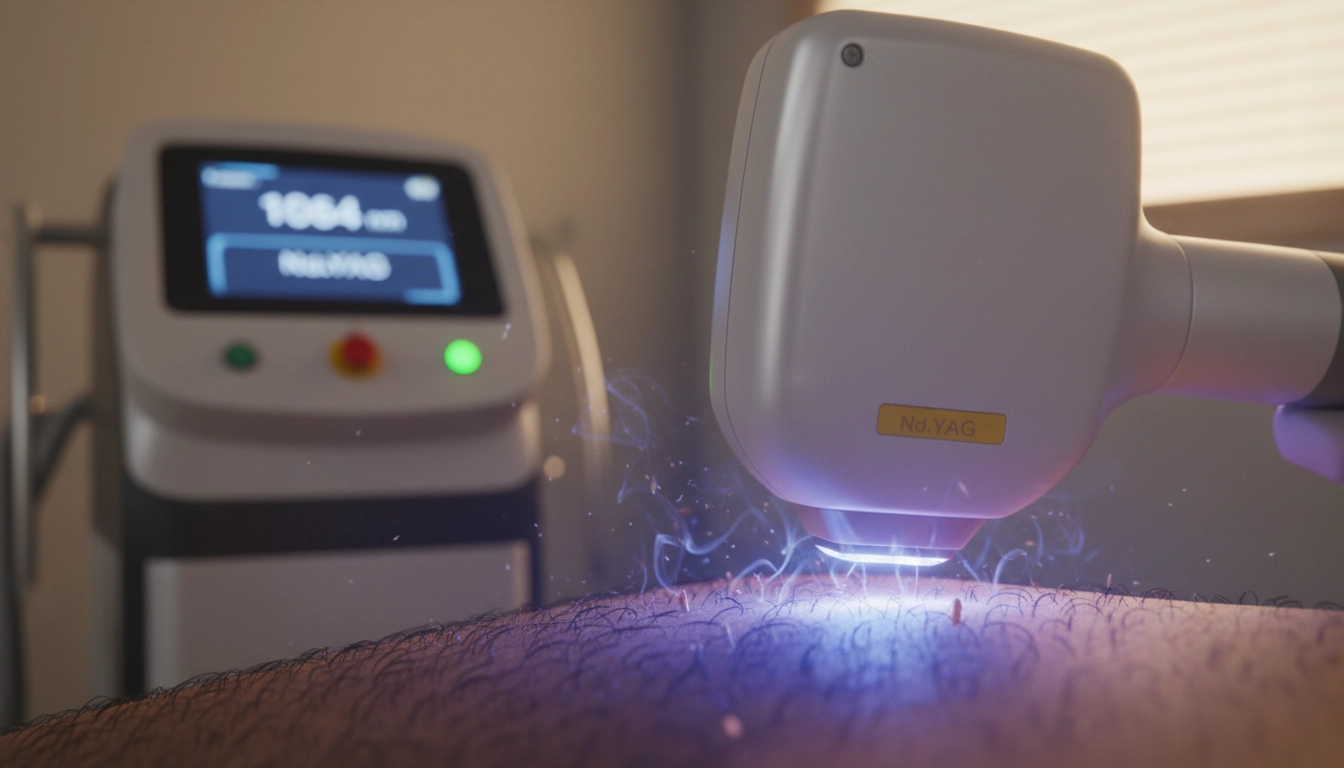
808 single handle standing
Is the Titanium Laser Hair Removal Machine painful?
No. The sapphire contact cooling system keeps the skin cool (0–5°C), ensuring a comfortable, painless experience.
HMR-2 立式磁力环
What types of pain can this machine help relieve?
It is suitable for muscle pain, joint discomfort, sports injuries, chronic body pain, and post-injury recovery.
Magnetic Facial Lifting Machine
Is the treatment suitable for all skin types?
The non-invasive nature of the machine makes it suitable for a wide range of skin types. However, a proper client consultation is always recommended to ensure suitability.
HMC1S
Q5: Does the Pelvic Floor Chair require any special maintenance?
A5: The chair is low-maintenance. Simply clean the surface regularly and ensure it is stored in a cool, dry place.
Frequently Asked Questions: EMS Sculpting ROI
Are there any hidden fees, cycle cards, or proprietary gels required?
No. Unlike fat-freezing or RF microneedling devices, our EMS sculpting machines have zero ongoing consumable costs. You keep 100% of your treatment revenue.

CO2 Fractional Laser Machine – Professional Wrinkle Removal & Skin Resurfacing Device
The CO2 Fractional Laser Machine is a multifunctional aesthetic device designed for professional clinics and beauty salons. Using advanced fractional CO2 laser technology, it effectively targets acne scars, freckles, pigmentation, nevi, and deep wrinkles. Additionally, it provides non-invasive skin rejuvenation, vaginal tightening, and intimate beautification. This professional CO2 laser equipment combines precision, safety, and powerful energy output to deliver outstanding anti-aging and dermatological results.
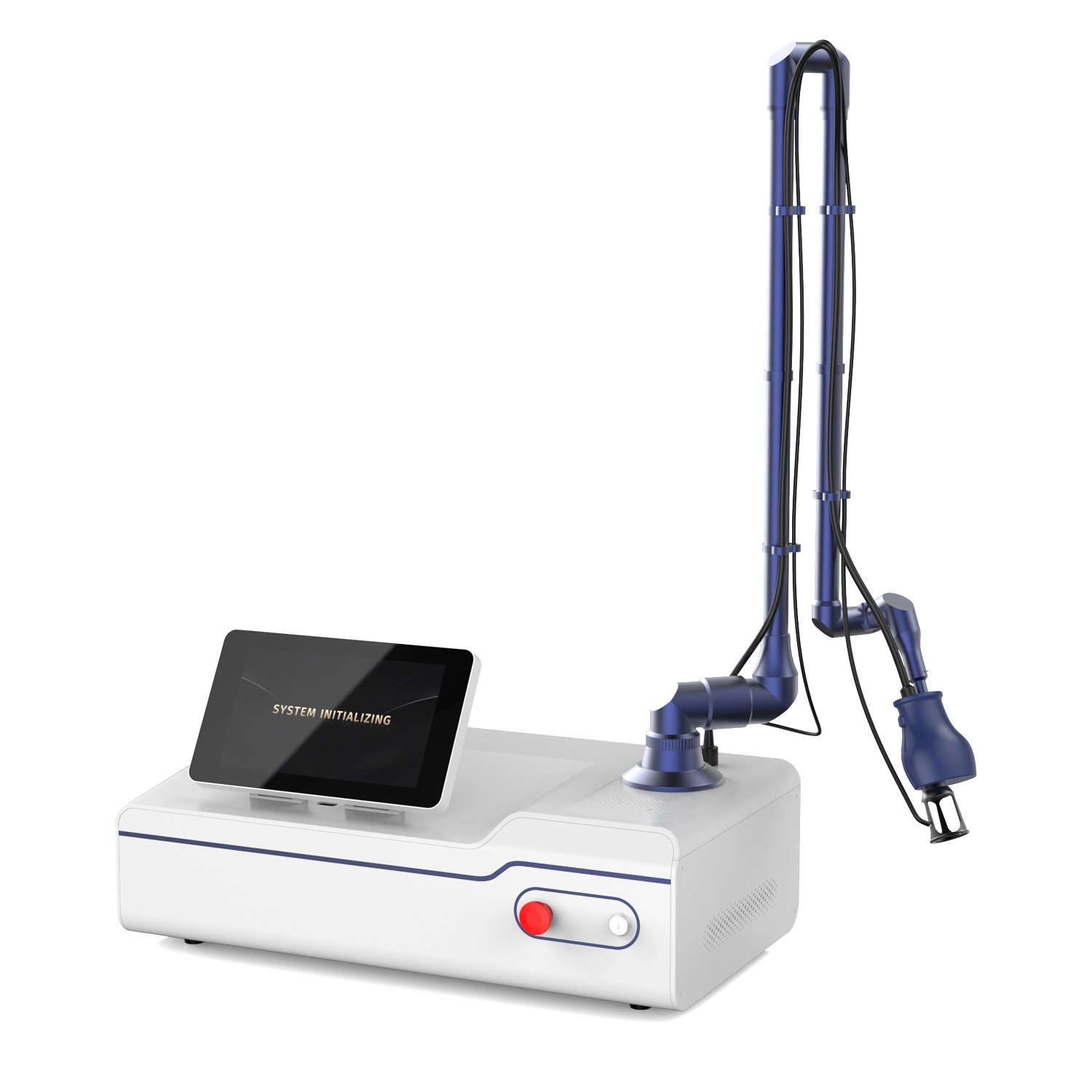
CO2 Fractional Laser Machine | Intimate Vaginal Rejuvenation System
This **CO2 Fractional Laser Machine** utilizes advanced 10600nm CO2 fractional laser technology to create controlled micro-thermal zones on the vaginal mucosa and intimate skin layers. These micro-columns stimulate collagen regeneration and tissue remodeling, effectively improving vaginal tightness, elasticity, and overall intimate health.
Designed specifically for professional medical aesthetic and intimate wellness applications, this CO2 fractional laser machine features intelligent parameter control and high-precision energy output to ensure safe, comfortable, and consistent treatment results. It is an ideal core device for vaginal rejuvenation, postpartum recovery, and intimate anti-aging treatments.
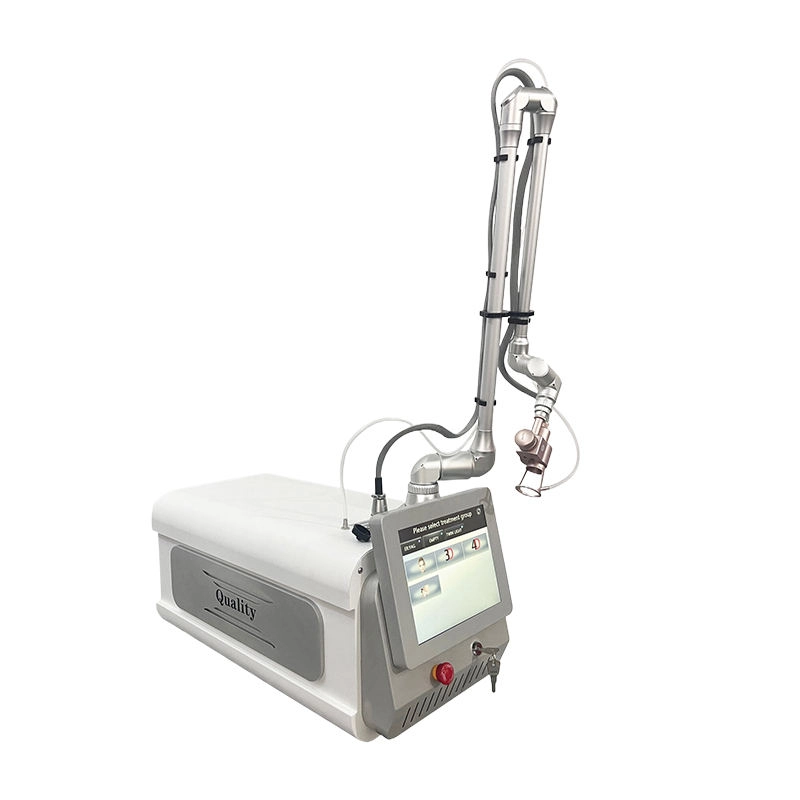
Professional CO2 Fractional Laser Machine | Fractional & Vaginal Rejuvenation CO2 Laser System
The CO2 fractional laser machine is a professional medical-grade device designed for deep skin resurfacing, wrinkle reduction, scar repair, and vaginal rejuvenation. Using a 10600 nm fractional CO2 laser beam, it creates micro-thermal columns on the skin to stimulate collagen regeneration and accelerate skin healing.
This CO2 fractional laser machine provides multiple treatment modes, including fractional mode, surgical cutting mode, and optional vaginal tightening mode, making it ideal for dermatology clinics and professional beauty centers seeking advanced laser solutions.
Its high precision, adjustable spot size, stable energy output, and seven-joint articulated arm ensure safe, accurate, and effective treatment results with minimal downtime.
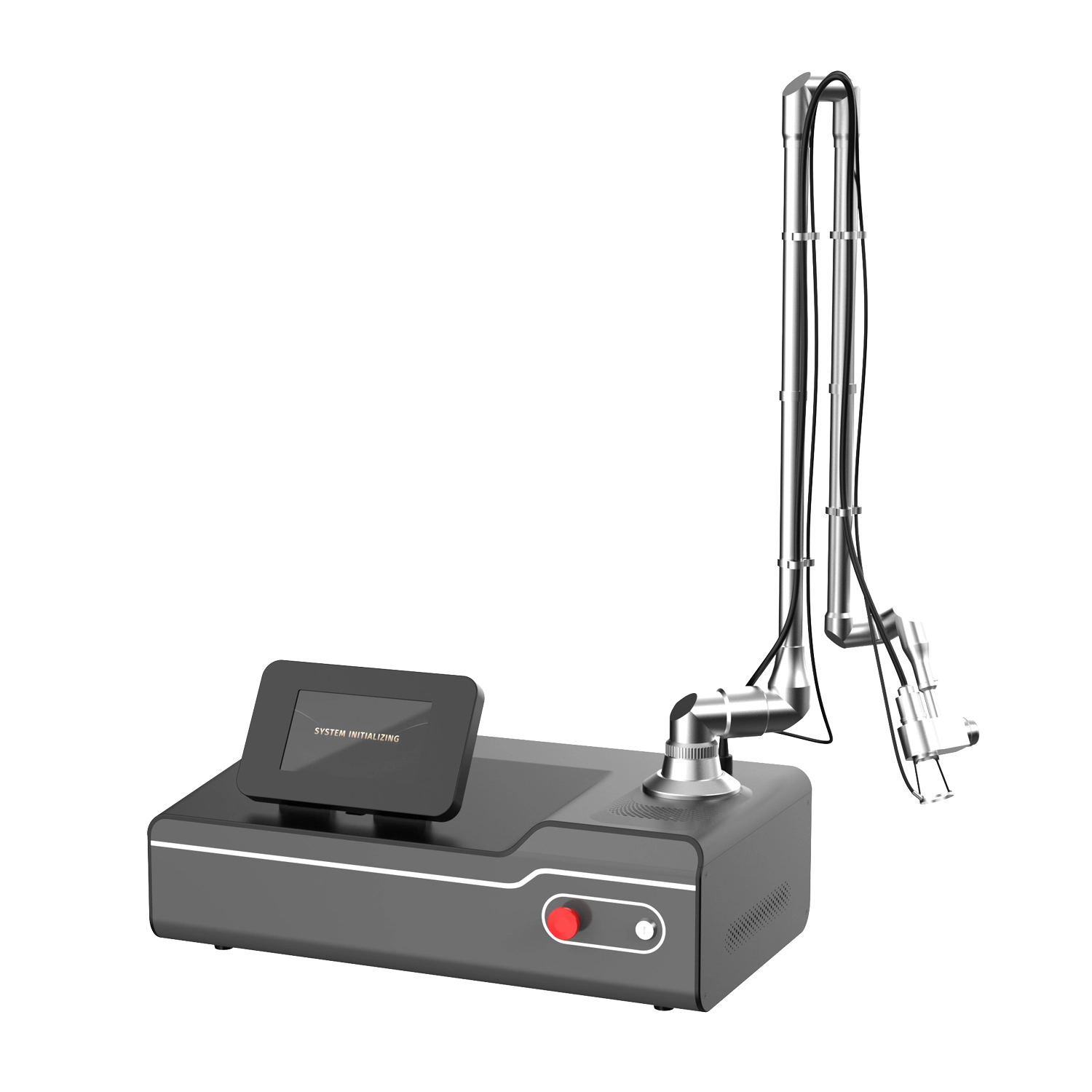
Professional CO2 Fractional Laser Machine for Skin Resurfacing & Scar Treatment
The CO2 Fractional Laser Machine is a professional CO2 fractional laser machine designed for advanced skin resurfacing, scar treatment, and skin rejuvenation procedures.
Using 10,600nm CO2 fractional laser technology, the system delivers controlled microthermal zones into the skin, stimulating collagen remodeling while preserving surrounding tissue. This fractional approach significantly improves treatment safety, recovery time, and clinical outcomes.
The CO2 fractional laser machine is widely used in dermatology clinics and medical aesthetic centers for treating acne scars, wrinkles, enlarged pores, stretch marks, and various skin texture concerns.
Get more information
If you have any comments or good suggestions, please leave us a message; later our professional staff will contact you as soon as possible.
Let's Talk
Stay in touch with us for cutting-edge beauty solutions, professional guidance, and customized service.
Contact


Room 307, Building A, Huilong International E-commerce Industrial Park, No. 10 Xipengling Road, Helong Street, Baiyun District, Guangzhou, China
© 2025 HUIMAIN. All Rights Reserved. Privacy Policy | Terms and Conditions | Sitemap
Facebook
Instagram
Medical beauty equipment factory
huimain Medical beauty equipment factory
beauty machine supplier
Whatsapp: +8619124004543