


Safety & Efficacy of Commercial Cryolipolysis Devices
- Understanding Cryolipolysis: Mechanism and Clinical Evidence
- How cryolipolysis works
- Measured efficacy in clinical studies
- Clinical endpoints and patient expectations
- Safety Profile and Risk Management
- Common side effects and management
- Serious but rare adverse events: Paradoxical Adipose Hyperplasia (PAH)
- Regulatory oversight and device safety
- Selecting and Purchasing a Wholesale Cryolipolysis Machine
- Regulatory documents and certification checklist
- Technical specifications and clinical features to compare
- Warranty, service, and training
- Operational Best Practices, Comparisons, and Maintenance
- Patient selection and clinical protocols
- Maintenance, QA and infection control
- How cryolipolysis compares to alternatives
- Manufacturer Spotlight and Why Supplier Selection Matters
- Evaluating manufacturer credentials
- Guangzhou Huimain Technology Co., Ltd. — capabilities and product range
- Commercial considerations: pricing, MOQ, and distributor support
- Final Recommendations and Practical Checklist
- Pre‑purchase checklist
- Clinical implementation checklist
- Where to find authoritative guidance
- FAQs
- 1. How effective are commercial cryolipolysis machines?
- 2. Is cryolipolysis safe?
- 3. What should I check when buying a wholesale cryolipolysis machine?
- 4. How do cryolipolysis devices compare to liposuction?
- 5. Can cryolipolysis cause permanent complications?
- 6. How many sessions are typically required?
- Contact & View Products
I summarize here for indexing and local-intent searchers: cryolipolysis is a non‑invasive fat‑reduction technology widely adopted by clinics and spas. When purchased as a wholesale cryolipolysis machine, device quality, regulatory compliance, operator training, and post‑sale support are crucial determinants of patient outcomes and safety. This article provides evidence‑based guidance to help buyers, clinicians, and distributors evaluate efficacy, mitigate risks, and select reputable vendors.
Understanding Cryolipolysis: Mechanism and Clinical Evidence
How cryolipolysis works
I begin with the basic mechanism: cryolipolysis uses controlled cooling to induce selective apoptosis of subcutaneous adipocytes without surgical excision. The physiological principle—greater susceptibility of fat cells to cold injury than surrounding tissues—was described in initial academic work and commercialized as devices like CoolSculpting. For a concise overview of history and mechanism, see the Cryolipolysis entry on Wikipedia (link).
Measured efficacy in clinical studies
In clinical research and manufacturer‑sponsored trials, cryolipolysis typically demonstrates a measurable reduction in fat layer thickness after a single treatment. Reported ranges vary but many studies report roughly 14–28% reduction in treated fat thickness per area after one session. I advise interpreting such figures conservatively: real‑world results depend on applicator fit, treatment protocol, patient selection, and follow‑up care. For broad literature searches and peer‑reviewed studies, see PubMed search results for cryolipolysis: pubmed.ncbi.nlm.nih.gov.
Clinical endpoints and patient expectations
I always set realistic expectations with patients: cryolipolysis is a body‑contouring, not a weight‑loss procedure. Expected outcomes include localized reduction in bulge volume with gradual resorption over 4–12 weeks. Multiple sessions may be required for greater reduction; combining modalities (e.g., energy devices, manual lymphatic massage) may improve contouring in select cases. Objective measurement (ultrasound, calipers, standardized photography) and patient‑reported outcomes should be used to document efficacy.
Safety Profile and Risk Management
Common side effects and management
Common adverse events are usually transient and include erythema, numbness, bruising, and temporary paresthesia at the treatment site. These typically resolve within days to weeks. I routinely advise clinics to provide written consent documents describing these expected effects and to record baseline sensory exams to detect persistent neuropathy early.
Serious but rare adverse events: Paradoxical Adipose Hyperplasia (PAH)
A distinct and more serious complication is paradoxical adipose hyperplasia (PAH): an enlargement (rather than reduction) of the treated fat pocket that appears weeks to months after treatment. PAH is rare but clinically important because it often requires surgical correction. Professional organizations such as the American Society for Dermatologic Surgery provide guidance on recognition and management; see their PAH information: ASDS PAH resource (web summary).
Regulatory oversight and device safety
Safety of a commercial cryolipolysis device starts with regulatory compliance and quality systems. I assess whether a wholesale cryolipolysis machine vendor documents relevant certifications (CE marking for EU, ISO 13485 quality management for medical devices, and conformity to local regulatory frameworks). For context on medical device regulation and key standards, see the U.S. FDA overview: FDA - What is a medical device? and ISO 13485 information: ISO 13485.
Selecting and Purchasing a Wholesale Cryolipolysis Machine
Regulatory documents and certification checklist
When evaluating vendors for a wholesale cryolipolysis machine, I require at minimum the following documentation: CE certificate (or local equivalent), ISO 13485 compliance, test reports (electrical safety and EMC), clinical data or peer‑reviewed studies supporting efficacy, and post‑market surveillance records. If importing into regulated markets, confirm whether the device requires a specific registration or clearance in that jurisdiction.
Technical specifications and clinical features to compare
Key technical parameters I compare across devices include applicator types and sizes (to ensure adequate tissue fit), temperature control range and accuracy, vacuum strength and safety cutoffs, treatment timers and automatic shutoffs, and availability of consumables and spare parts. Equally important is the vendor’s training program for operators and documentation of clinical protocols.
Warranty, service, and training
I prioritize suppliers that offer on‑site installation, formal operator training, clear warranty terms, and accessible spare parts and local service. For wholesale buyers and distributors, OEM/ODM flexibility, private‑labeling options, and consistent production capacity matter. Neglecting these after‑sales aspects often leads to downtime and lost revenue.
Operational Best Practices, Comparisons, and Maintenance
Patient selection and clinical protocols
Appropriate patient selection reduces complication rates and improves satisfaction. I screen for cold urticaria, cryoglobulinemia, Raynaud phenomenon, and unrealistic expectations. Protocols should define applicator selection, treatment time, suction settings, analgesia options, and post‑treatment instructions (e.g., massage, monitoring). Standardized photography and objective measurements should be part of every treatment pathway.
Maintenance, QA and infection control
Your clinic’s maintenance program should include daily and monthly checks of cooling performance, vacuum seals, and software updates. Maintain a log for each device and schedule preventative maintenance with the manufacturer. Use disposable or thoroughly sanitized contact surfaces per manufacturer instructions to reduce transmission risks.
How cryolipolysis compares to alternatives
I find it useful to present a side‑by‑side comparison against liposuction and other non‑invasive modalities when advising buyers and clinicians. The table below summarizes typical tradeoffs.
| Modality | Invasiveness | Typical fat reduction per session | Downtime / Recovery | Typical risks |
|---|---|---|---|---|
| Cryolipolysis (commercial device) | Non‑invasive | ~14–28% per area (variable; see clinical studies) | Minimal; return to work same day | Transient numbness, bruising; rare PAH |
| Liposuction | Invasive (surgical) | Substantial volume removal in one session | Days to weeks; compression required | Surgical risks: infection, bleeding, contour irregularities |
| Other non‑invasive (HIFU, RF, LLLT, EMMSculpt) | Non‑invasive to minimally invasive | Variable; often less predictable for fat removal | Minimal | Skin burns, temporary pain, lower documented fat reduction |
Sources: overview literature and clinical practice guidelines; for liposuction risks see Mayo Clinic: Mayo Clinic - Liposuction. For general cryolipolysis summaries and published ranges see Wikipedia and PubMed literature searches: PubMed results.
Manufacturer Spotlight and Why Supplier Selection Matters
Evaluating manufacturer credentials
From my experience working with clinics and distributors, a supplier’s R&D strength, quality‑control systems, and after‑sales infrastructure are strong predictors of long‑term satisfaction. I look for manufacturers that publish their certifications, maintain an in‑house clinical testing department, and have transparent complaint and corrective action procedures.
Guangzhou Huimain Technology Co., Ltd. — capabilities and product range
One example I’ve audited is Guangzhou Huimain Technology Co., Ltd. Huimain is a high‑tech enterprise specializing in R&D, production, and after‑sales service of professional beauty machines and home‑use devices. Operating from a 3,000‑square‑meter facility, their technical team has a high level of education (over 60% with higher degrees). The company includes purchasing, clinical testing, and engineering departments which enables them to steadily increase R&D investment and maintain rigorous quality control.
Huimain highlights global‑standard credentials including CE certification, SGS approval, and multiple patents. Their products have market presence across China, Southeast Asia, the Middle East, Europe, and North America. They follow OEM and ODM routes and can design and manufacture medical/beauty equipment for salons and distributors. Their product lineup relevant to body‑contouring and Aesthetic clinics includes: Cryolipolysis machine, Ems sculpting machine, Plasma machine, Shockwave machine, Hifu machine, Hydrofacial machine, Cavitation vacuum machine, Laser hair removal, Tattoo removal machine, Micro needle machine.
Why this matters: when purchasing wholesale cryolipolysis machine units, partnering with a manufacturer like Huimain that combines production scale, certifications, clinical testing resources, and flexible OEM/ODM options reduces procurement risk and supports local after‑sales service. For more, visit their website: huimainbeauty.com. Contact: coco@huimainbeauty.com.
Commercial considerations: pricing, MOQ, and distributor support
Wholesale buyers should negotiate minimum order quantities (MOQ), lead times, warranty terms, training packages, and spare‑parts availability. I recommend auditing the manufacturer’s clinical testing reports and requesting references from existing international distributors to verify reliability of delivery and technical support.
Final Recommendations and Practical Checklist
Pre‑purchase checklist
- Verify CE, ISO 13485, and test reports (electrical safety/EMC).
- Request clinical data and post‑market surveillance summaries.
- Confirm availability of applicator sizes and consumables.
- Ensure vendor provides operator training and technical support in your market.
- Negotiate warranty, spare parts supply, and service response times.
Clinical implementation checklist
- Develop standardized consent forms that mention PAH and other risks.
- Create objective outcome measurement protocols (photos, ultrasound, calipers).
- Train staff on applicator selection, treatment parameters, and complication pathways.
- Institute device maintenance logs and scheduled preventative maintenance.
Where to find authoritative guidance
For regulatory perspective and device classification basics, consult the U.S. FDA: FDA - What is a medical device?. For clinical complications such as PAH, see resources from professional societies (e.g., ASDS) and case reports indexed on PubMed: PubMed - PAH.
FAQs
1. How effective are commercial cryolipolysis machines?
Clinical studies and real‑world data commonly report a 14–28% reduction in fat layer thickness in treated areas after a single session, although results vary with technique, applicator fit, and patient factors. Multiple sessions may increase reduction.
2. Is cryolipolysis safe?
Yes—when performed with a quality device by trained personnel. Common temporary effects include redness, numbness, and bruising. Rare but significant complications like paradoxical adipose hyperplasia (PAH) have been documented; proper informed consent and screening reduce risk.
3. What should I check when buying a wholesale cryolipolysis machine?
Check manufacturer certifications (CE, ISO 13485), clinical data, warranty, training availability, spare parts supply, and OEM/ODM flexibility. Ask for references from other distributors and clinics.
4. How do cryolipolysis devices compare to liposuction?
Cryolipolysis is non‑invasive and has minimal downtime but provides more modest, localized fat reduction per session. Liposuction is surgical, achieves larger immediate volume removal, but carries higher procedural risks and longer recovery.
5. Can cryolipolysis cause permanent complications?
Permanent complications are rare but possible; persistent sensory changes and PAH are reported. A strong emphasis on training, patient selection, and vendor quality control minimizes such outcomes.
6. How many sessions are typically required?
Many patients notice improvement after one session; however, depending on the target area and desired outcome, a series of 1–3 sessions per area spaced several weeks apart is common.
Contact & View Products
If you are evaluating wholesale cryolipolysis machine options for your clinic or distribution network, I recommend contacting manufacturers that combine clinical testing, certifications, and robust after‑sales service. For example, Guangzhou Huimain Technology Co., Ltd. provides a range of professional and home‑use beauty machines and offers OEM/ODM services. Visit their product catalog at https://www.huimainbeauty.com/ or email sales inquiries to coco@huimainbeauty.com. I am available to consult on vendor selection, clinical protocols, or training program design to help you implement cryolipolysis safely and effectively.
HMT 42 R
How is this different from other body sculpting machines or Emsculpt Neo machine for sale?
Compared to standard machines, this model combines EMS + RF technology, delivering stronger results in fat burning, muscle building, and skin tightening—all at a more competitive price than many Emsculpt Neo machines for sale.
JHF-61
Is the vaginal HIFU treatment safe?
Yes. The vaginal HIFU handle uses controlled energy levels and is designed specifically for intimate tissue tightening.
Portable EMS RF Body Sculpting Machine
What body areas can be treated?
It can be applied to the abdomen, thighs, arms, buttocks, and legs for fat reduction and muscle toning.
3-in-1 HIFU
What can the 3-in-1 HIFU machine treat?
It treats face lifting, body tightening, intimate tightening, acne scars, wrinkles, large pores, and skin texture issues.
About Support Service
Do you provide product samples?
Yes, sample orders are available. We recommend testing a sample before bulk ordering.

CO2 Fractional Laser Machine – Professional Wrinkle Removal & Skin Resurfacing Device
The CO2 Fractional Laser Machine is a multifunctional aesthetic device designed for professional clinics and beauty salons. Using advanced fractional CO2 laser technology, it effectively targets acne scars, freckles, pigmentation, nevi, and deep wrinkles. Additionally, it provides non-invasive skin rejuvenation, vaginal tightening, and intimate beautification. This professional CO2 laser equipment combines precision, safety, and powerful energy output to deliver outstanding anti-aging and dermatological results.
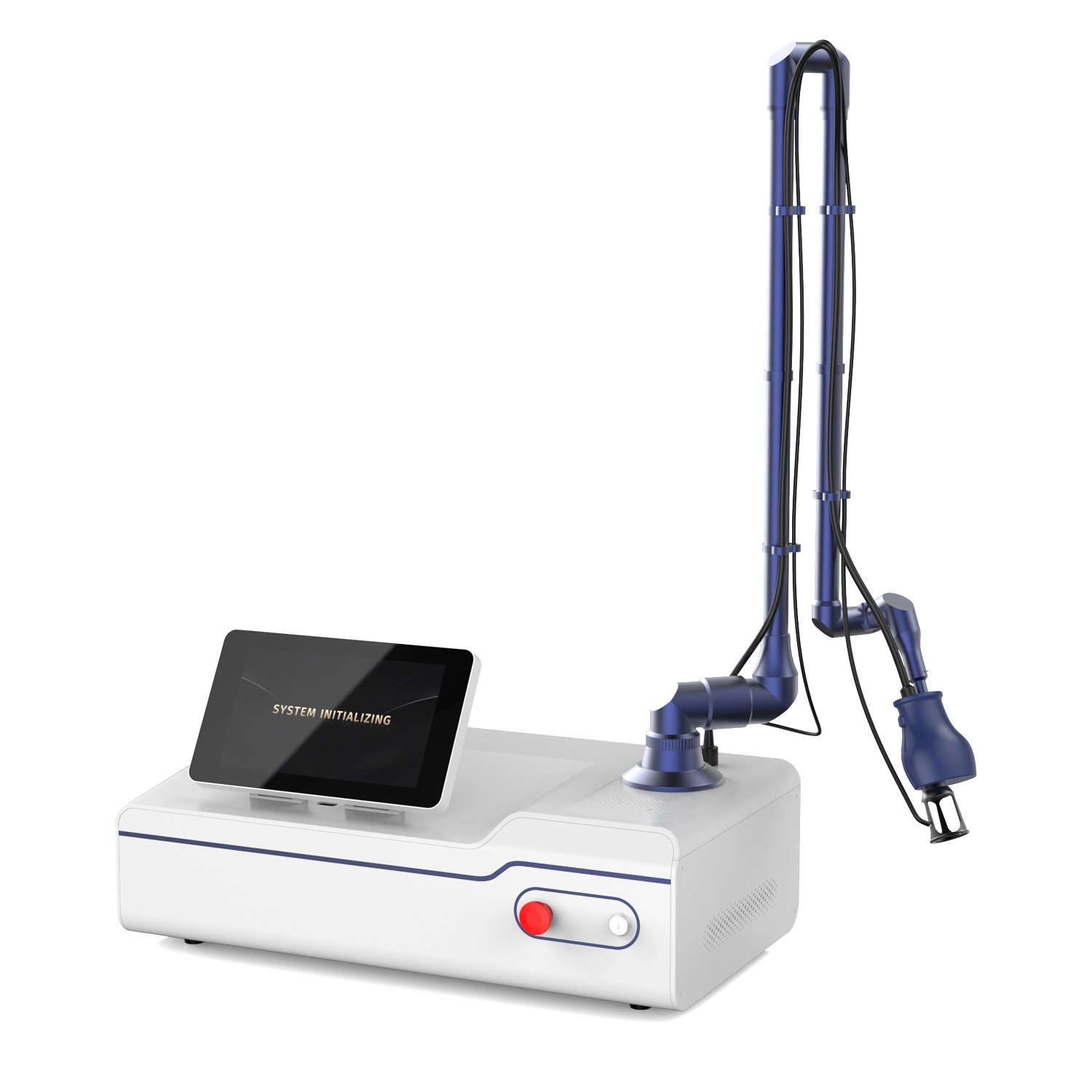
CO2 Fractional Laser Machine | Intimate Vaginal Rejuvenation System
This **CO2 Fractional Laser Machine** utilizes advanced 10600nm CO2 fractional laser technology to create controlled micro-thermal zones on the vaginal mucosa and intimate skin layers. These micro-columns stimulate collagen regeneration and tissue remodeling, effectively improving vaginal tightness, elasticity, and overall intimate health.
Designed specifically for professional medical aesthetic and intimate wellness applications, this CO2 fractional laser machine features intelligent parameter control and high-precision energy output to ensure safe, comfortable, and consistent treatment results. It is an ideal core device for vaginal rejuvenation, postpartum recovery, and intimate anti-aging treatments.
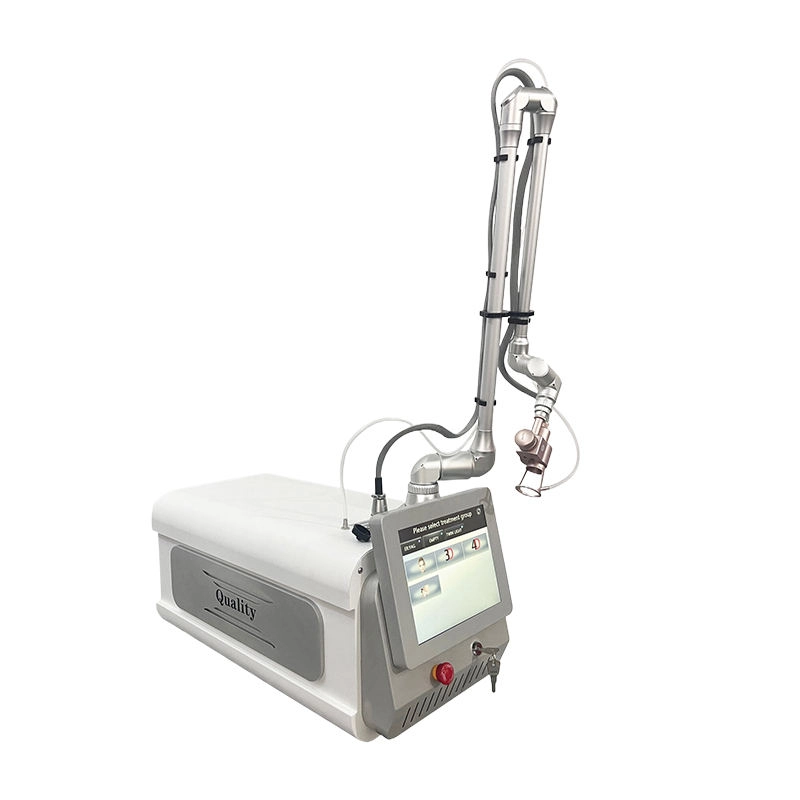
Professional CO2 Fractional Laser Machine | Fractional & Vaginal Rejuvenation CO2 Laser System
The CO2 fractional laser machine is a professional medical-grade device designed for deep skin resurfacing, wrinkle reduction, scar repair, and vaginal rejuvenation. Using a 10600 nm fractional CO2 laser beam, it creates micro-thermal columns on the skin to stimulate collagen regeneration and accelerate skin healing.
This CO2 fractional laser machine provides multiple treatment modes, including fractional mode, surgical cutting mode, and optional vaginal tightening mode, making it ideal for dermatology clinics and professional beauty centers seeking advanced laser solutions.
Its high precision, adjustable spot size, stable energy output, and seven-joint articulated arm ensure safe, accurate, and effective treatment results with minimal downtime.
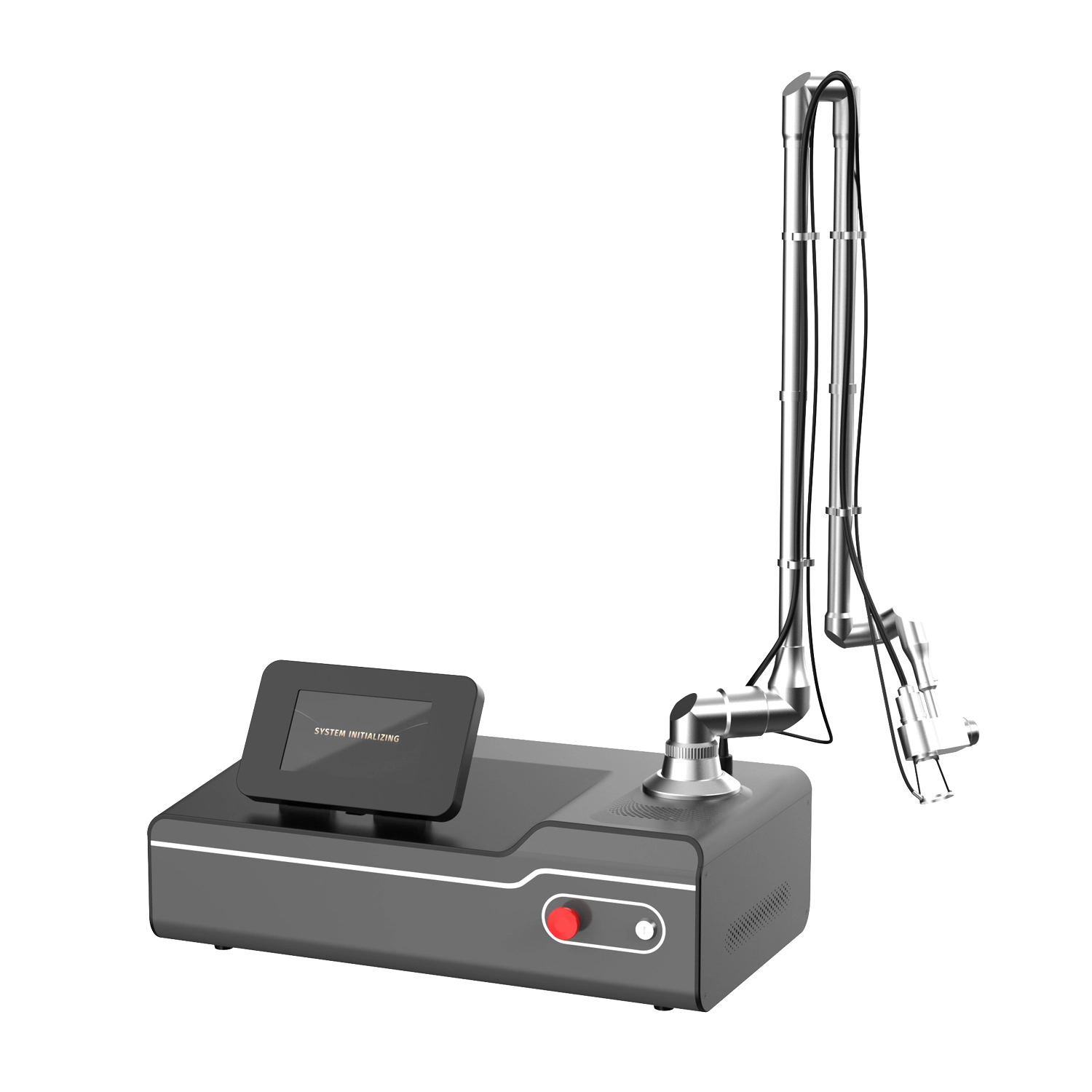
Professional CO2 Fractional Laser Machine for Skin Resurfacing & Scar Treatment
The CO2 Fractional Laser Machine is a professional CO2 fractional laser machine designed for advanced skin resurfacing, scar treatment, and skin rejuvenation procedures.
Using 10,600nm CO2 fractional laser technology, the system delivers controlled microthermal zones into the skin, stimulating collagen remodeling while preserving surrounding tissue. This fractional approach significantly improves treatment safety, recovery time, and clinical outcomes.
The CO2 fractional laser machine is widely used in dermatology clinics and medical aesthetic centers for treating acne scars, wrinkles, enlarged pores, stretch marks, and various skin texture concerns.
Get more information
If you have any comments or good suggestions, please leave us a message; later our professional staff will contact you as soon as possible.
Let's Talk
Stay in touch with us for cutting-edge beauty solutions, professional guidance, and customized service.
Contact


Room 307, Building A, Huilong International E-commerce Industrial Park, No. 10 Xipengling Road, Helong Street, Baiyun District, Guangzhou, China
© 2025 HUIMAIN. All Rights Reserved. Privacy Policy | Terms and Conditions | Sitemap
Facebook
Instagram
Medical beauty equipment factory
huimain Medical beauty equipment factory
beauty machine supplier
Whatsapp: +8619124004543