


- Beyond the purchase price, what are the true long-term operational costs and hidden expenses of owning a CO₂ fractional laser machine?
- What specific training and certifications are absolutely essential for my staff to safely and effectively operate a CO₂ fractional laser, and what are common pitfalls during initial patient consultations?
- How can a new aesthetic clinic realistically project the Return on Investment (ROI) for a CO₂ fractional laser, considering treatment pricing, patient volume, and typical downtime for various indications?
- With numerous CO₂ fractional laser models available, what key technical specifications truly differentiate a high-quality, durable machine from a less reliable one, especially for diverse skin types?
- Beyond the obvious handpiece tips, what are the often-overlooked but critical consumables or accessories that significantly impact the efficacy and safety of CO₂ fractional laser treatments, and how do I source them reliably?
- What are the essential regulatory compliance steps and local licensing requirements I need to be aware of before purchasing and operating a CO₂ fractional laser in a new aesthetic practice?
What consumables are required for CO₂ fractional lasers?
Navigating Your First CO₂ Fractional Laser Purchase: An In-Depth Guide for Beginners
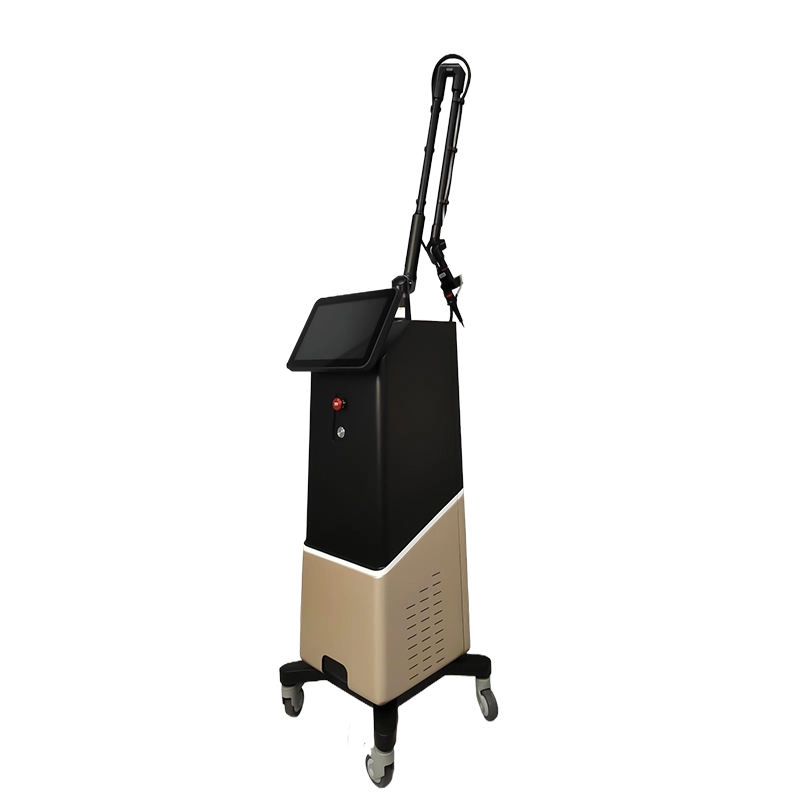
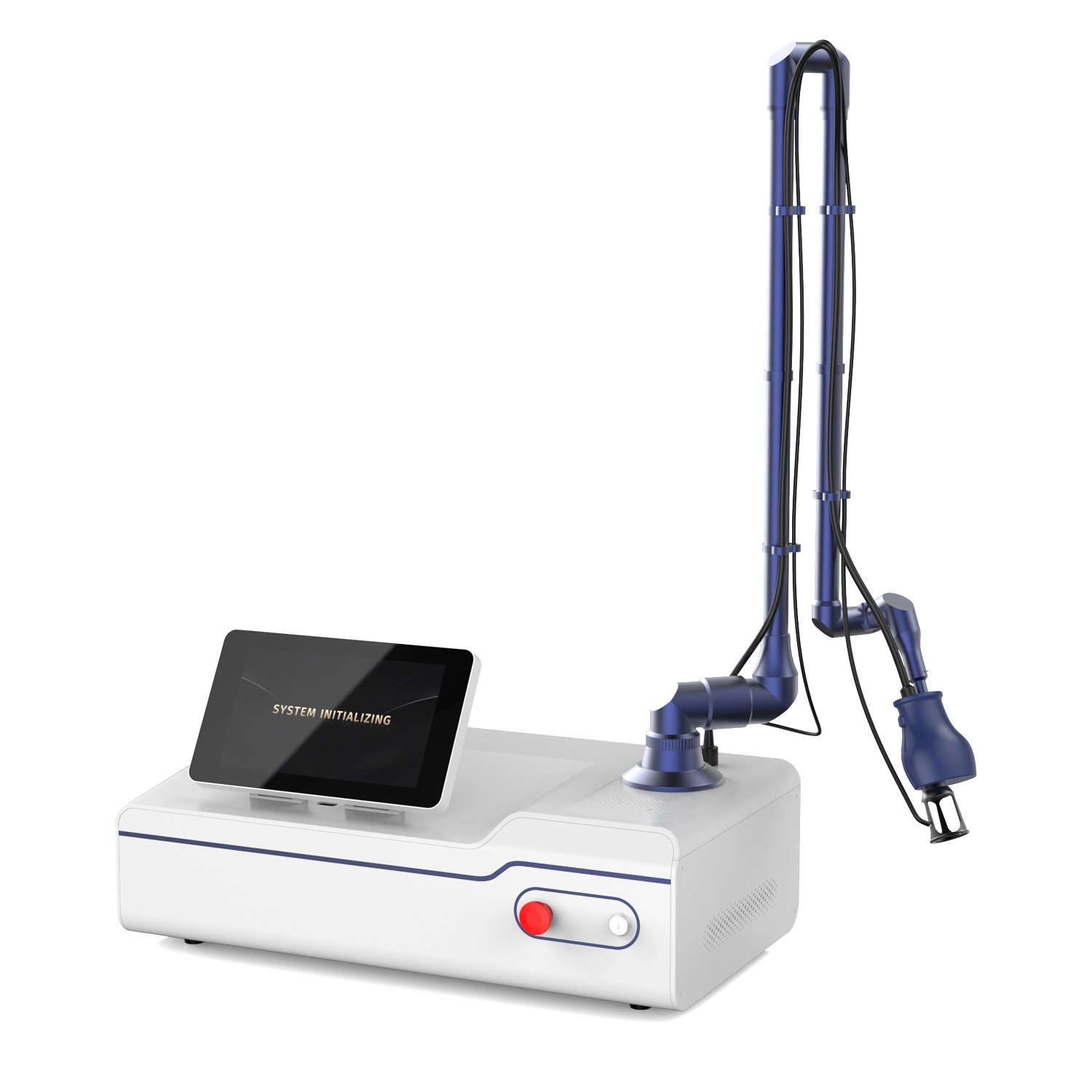
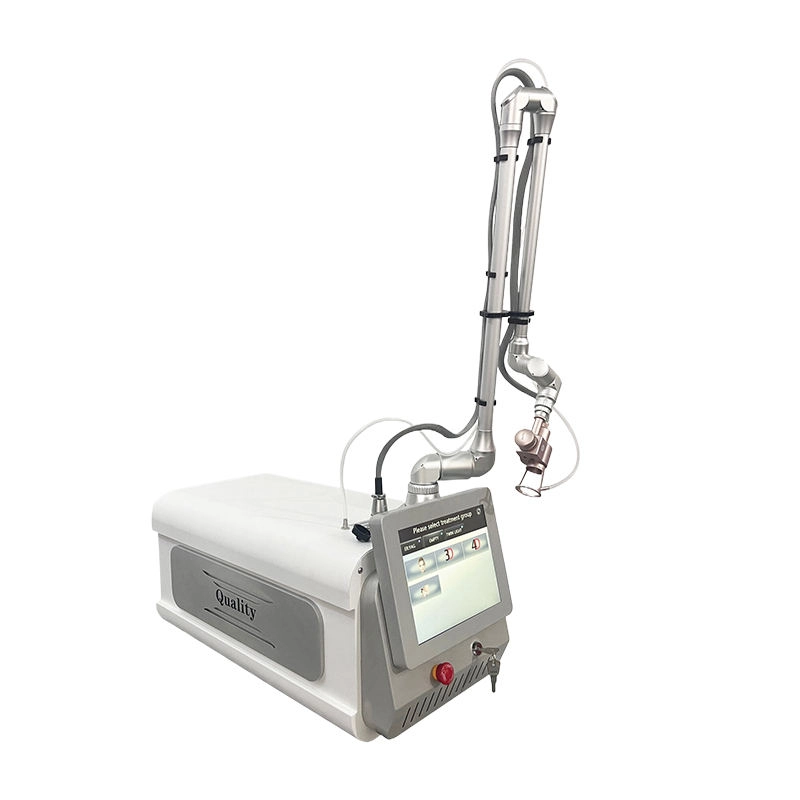
Investing in a CO₂ fractional laser machine is a significant step for any aesthetic practice looking to offer advanced skin rejuvenation and resurfacing treatments. This powerful ablative laser technology is renowned for its efficacy in treating a wide range of skin concerns, from deep wrinkles and fine lines to acne scars, sun damage, and even surgical scars. However, for beginners, the journey to selecting the right CO₂ fractional laser machine can be daunting, often clouded by superficial information. As seasoned experts in medical aesthetics, we're here to provide in-depth answers to the most pressing, pain-point-oriented questions you might have.
Beyond the purchase price, what are the true long-term operational costs and hidden expenses of owning a CO₂ fractional laser machine?
The initial purchase price of a CO₂ fractional laser machine is just the tip of the iceberg. True long-term operational costs extend far beyond the upfront investment. Key hidden expenses include:
- Consumables: While often discussed, the cumulative cost of single-use handpiece tips (which vary based on spot size and treatment area), patient protective eyewear, and operator safety glasses can be substantial. These are essential for every treatment.
- Routine Maintenance & Calibration: Like any high-precision aesthetic equipment, CO₂ fractional lasers require regular preventative maintenance. This includes professional calibration checks, cleaning of optical components, and software updates, typically performed annually by certified technicians.
- Laser Tube Lifespan & Replacement: The heart of a CO₂ laser is its laser tube. RF-excited laser tubes, common in high-quality systems, boast impressive lifespans (e.g., 10,000 to 20,000 operational hours), but eventual replacement is an inevitable, significant cost. Understanding the expected lifespan and replacement cost from the manufacturer is crucial.
- Energy Consumption: These powerful devices require consistent electrical supply, and their energy consumption, especially during peak operation, contributes to utility bills.
- Insurance: Specialized insurance coverage for medical aesthetic devices, including general liability and malpractice insurance for laser treatments, is a non-negotiable ongoing expense.
- Staff Training Updates: As protocols evolve or new staff join, ongoing training ensures safe and effective use of the fractional resurfacing device, which incurs costs.
- Distilled Water & Cooling Solutions: Many systems rely on distilled water for their internal cooling systems, requiring regular replenishment to maintain optimal performance and machine longevity.
What specific training and certifications are absolutely essential for my staff to safely and effectively operate a CO₂ fractional laser, and what are common pitfalls during initial patient consultations?
Operating a CO₂ fractional laser machine demands specialized knowledge and rigorous training to ensure both patient safety and optimal treatment outcomes. Essential training and certifications include:
- Laser Safety Officer (LSO) Training: At least one designated staff member should complete LSO training to understand and enforce laser safety protocols within the practice, adhering to national and local guidelines.
- Manufacturer-Specific Operational Training: Comprehensive training provided by the CO₂ laser machine manufacturer is paramount. This covers the specific device's interface, settings, handpiece application, and maintenance.
- Advanced Aesthetic Certifications: Operators should possess relevant medical or aesthetic licenses and additional certifications in laser skin resurfacing and fractional photothermolysis techniques. Understanding skin anatomy, physiology, and wound healing is fundamental.
- Skin Type Assessment (Fitzpatrick Scale): In-depth training on accurately assessing Fitzpatrick skin types is critical for setting appropriate parameters and minimizing risks like post-inflammatory hyperpigmentation, especially for darker skin tones.
- Pre- and Post-Care Protocols: Staff must be proficient in educating patients on pre-treatment preparation and crucial post-treatment care to ensure proper healing and enhance results.
Common pitfalls during initial patient consultations often stem from inadequate communication and assessment:
- Unrealistic Patient Expectations: Failing to clearly define achievable results, potential downtime, and the number of sessions required can lead to patient dissatisfaction.
- Inadequate Skin Assessment: Overlooking contraindications (e.g., active infections, certain medications, recent sun exposure) or misjudging skin type can result in adverse reactions.
- Neglecting Patch Tests: For certain skin types or complex cases, a small test patch can be invaluable for assessing skin reaction before full treatment.
- Poor Communication of Downtime: Patients must fully understand the recovery period, including redness, swelling, and peeling, to plan accordingly.
How can a new aesthetic clinic realistically project the Return on Investment (ROI) for a CO₂ fractional laser, considering treatment pricing, patient volume, and typical downtime for various indications?
Projecting ROI for a CO₂ fractional laser machine involves a detailed financial model that considers both revenue generation and operational costs. A realistic ROI calculation is: (Total Revenue - Total Costs) / Total Costs.
- Revenue Generation:
- Treatment Pricing: Research local market rates for CO₂ fractional laser treatments for indications like acne scars, wrinkle reduction, skin tightening, and pigment correction. Prices vary significantly based on treatment area, depth, and number of sessions.
- Patient Volume: Estimate weekly/monthly patient capacity. A single session can take 30-60 minutes, including prep. Consider how many patients your staff can realistically treat.
- Multi-Session Packages: Many treatments require 2-4 sessions for optimal results. Offering packages can increase patient commitment and overall revenue per patient.
- Ancillary Services: The CO₂ laser can drive interest in complementary services (e.g., medical-grade skincare, injectables) that boost overall clinic revenue.
- Cost Considerations: Include all operational costs discussed previously (consumables, maintenance, staff salaries, marketing, rent, utilities).
- Impact of Downtime: The typical downtime (3-7 days for ablative laser treatments) influences patient scheduling and marketing. Patients need to plan for recovery, which can affect their willingness to commit to frequent treatments. Marketing strategies should highlight the benefits versus the temporary inconvenience.
A conservative estimate for ROI might project a break-even point within 12-24 months, with profitability increasing significantly thereafter as patient referrals grow and the device's reputation is established. Focus on marketing the versatility of the CO₂ laser technology for various skin concerns to maximize patient acquisition.
With numerous CO₂ fractional laser models available, what key technical specifications truly differentiate a high-quality, durable machine from a less reliable one, especially for diverse skin types?
When evaluating CO₂ fractional laser machines, discerning the critical technical specifications is vital for ensuring you acquire a high-quality, durable device capable of safe and effective treatments across diverse skin types. Look for:
- Laser Tube Type: RF (Radio Frequency) excited CO₂ laser tubes are generally superior to DC (Direct Current) excited tubes. RF tubes offer more stable and consistent energy output, longer lifespan, and finer control over pulse duration, leading to more precise treatments and reduced thermal damage.
- Wavelength Stability: A stable 10,600 nm wavelength is fundamental. High-quality systems maintain this stability consistently, ensuring predictable tissue interaction.
- Spot Size & Density Control: The ability to precisely adjust spot size (e.g., from 100 µm to 2000 µm) and fractional treatment density (e.g., 5% to 80%) is crucial. This allows for customized treatments, from aggressive resurfacing for deep acne scars to gentler treatments for delicate areas or darker skin types (Fitzpatrick IV-VI) where lower density and energy are safer.
- Pulse Duration & Energy Output: Look for systems offering a wide range of pulse durations (e.g., ultra-pulse or short pulse modes) and adjustable energy settings. Ultra-pulse mode delivers high energy in very short bursts, minimizing heat spread to surrounding tissue and reducing downtime, which is a hallmark of advanced fractional CO₂ laser technology.
- Scanner Technology: Superior scanner technology ensures a uniform and consistent fractional pattern across the treatment area, preventing hot spots or untreated zones. High-speed scanners enhance treatment efficiency and patient comfort.
- Cooling System: An efficient internal cooling system is paramount for machine longevity and consistent performance during prolonged use. It prevents overheating of critical components.
- Built-in Safety Features: Advanced safety mechanisms, such as real-time energy monitoring, emergency stop buttons, and error detection systems, are indicators of a well-engineered and reliable device.
- Manufacturer Reputation & Support: A reputable manufacturer with a proven track record, excellent customer service, and readily available technical support and spare parts is a strong indicator of long-term durability and reliability.
Beyond the obvious handpiece tips, what are the often-overlooked but critical consumables or accessories that significantly impact the efficacy and safety of CO₂ fractional laser treatments, and how do I source them reliably?
While handpiece tips are the most recognized consumable for a CO₂ fractional laser, several other critical items are essential for both treatment efficacy and safety, often overlooked by beginners:
- Patient & Operator Protective Eyewear: This is non-negotiable. Specific laser safety glasses or goggles with an appropriate Optical Density (OD) rating for the CO₂ wavelength (10,600 nm) are mandatory for everyone in the treatment room. Generic eyewear is insufficient and dangerous.
- Smoke Evacuators/Plume Management Systems: During ablative laser treatments, a laser plume (smoke) is generated, containing cellular debris, viruses, and toxic gases. A high-efficiency smoke evacuator with appropriate filtration (e.g., ULPA filter) is crucial for maintaining air quality and protecting staff and patients from respiratory hazards.
- Skin Preparation Solutions: Specific medical-grade cleansers and effective topical anesthetic creams are vital for patient comfort and to ensure a clean treatment field.
- Post-Treatment Serums & Healing Aids: Products like growth factor serums, hyaluronic acid-based moisturizers, occlusive ointments, and broad-spectrum sunscreens are critical for accelerating healing, reducing inflammation, and protecting the vulnerable post-laser skin. These are often sold or recommended to patients, contributing to treatment success.
- Distilled Water for Cooling Systems: As mentioned, many systems require regular replenishment of distilled water for their internal cooling mechanisms. Using tap water can lead to mineral buildup and damage.
- Calibration Kits/Test Cards: Some advanced CO₂ fractional laser machines may require specific test cards or calibration kits for periodic checks of the laser beam's integrity and energy output, ensuring consistent performance.
Reliable Sourcing: Always source consumables and accessories directly from the CO₂ fractional laser machine manufacturer or their authorized distributors. This ensures compatibility, quality, and adherence to safety standards. Avoid generic or uncertified alternatives, as they can compromise treatment safety, efficacy, and potentially damage your valuable aesthetic equipment.
What are the essential regulatory compliance steps and local licensing requirements I need to be aware of before purchasing and operating a CO₂ fractional laser in a new aesthetic practice?
Navigating regulatory compliance is a critical, albeit complex, step before purchasing and operating a CO₂ fractional laser machine. Requirements vary significantly by country, state, and even local municipality. However, general essential steps include:
- Medical Device Registration & Approval: Ensure the CO₂ fractional laser machine you intend to purchase is cleared or approved by the relevant national regulatory bodies. In the U.S., this means FDA clearance; in the EU, CE marking is required. Other regions will have their own equivalent approvals. This confirms the device meets safety and efficacy standards for its intended use.
- Local Health Authority Regulations: Consult your local health department or equivalent regulatory body. They often have specific guidelines regarding facility requirements for laser treatments, waste disposal protocols (especially for biohazardous materials from smoke plumes), and emergency procedures.
- Staff Licensing and Qualifications: Verify that your operators meet the specific licensing or certification requirements mandated by your jurisdiction for performing laser treatments. Some regions require treatments to be performed by or under the direct supervision of a physician, while others permit qualified nurses or aestheticians.
- Laser Safety Program & Protocols: Develop and implement a comprehensive laser safety program. This typically includes appointing a Laser Safety Officer (LSO), establishing clear safety zones, posting warning signs, providing appropriate protective eyewear, and outlining emergency response procedures. Many regulatory bodies mandate this.
- Insurance Coverage: Secure comprehensive malpractice insurance that specifically covers CO₂ fractional laser treatments, alongside general liability insurance for your practice. Underwriters will often require proof of staff qualifications and adherence to safety protocols.
- Facility Inspection & Permits: Your practice may require specific permits or undergo inspections by local authorities to ensure the facility is suitable for operating a high-power medical laser device.
Given the complexity and potential legal ramifications, it is highly advisable to consult with local legal counsel and regulatory experts specializing in medical aesthetics before making your purchase and commencing operations. This ensures full compliance and protects your practice.
Investing in a CO₂ fractional laser machine is a strategic decision that can significantly elevate your aesthetic practice, offering unparalleled results in skin resurfacing, scar revision, and wrinkle reduction. By understanding these critical aspects—from hidden costs and essential training to technical differentiators, vital consumables, and regulatory compliance—you are empowered to make an informed, confident purchase. A high-quality CO₂ fractional laser machine, when operated correctly, offers remarkable versatility and efficacy, leading to high patient satisfaction and substantial business growth.
Ready to explore the best CO₂ fractional laser solutions for your clinic? Contact us today for a personalized quote and expert guidance. Visit www.huimainbeauty.com or email coco@huimainbeauty.com.

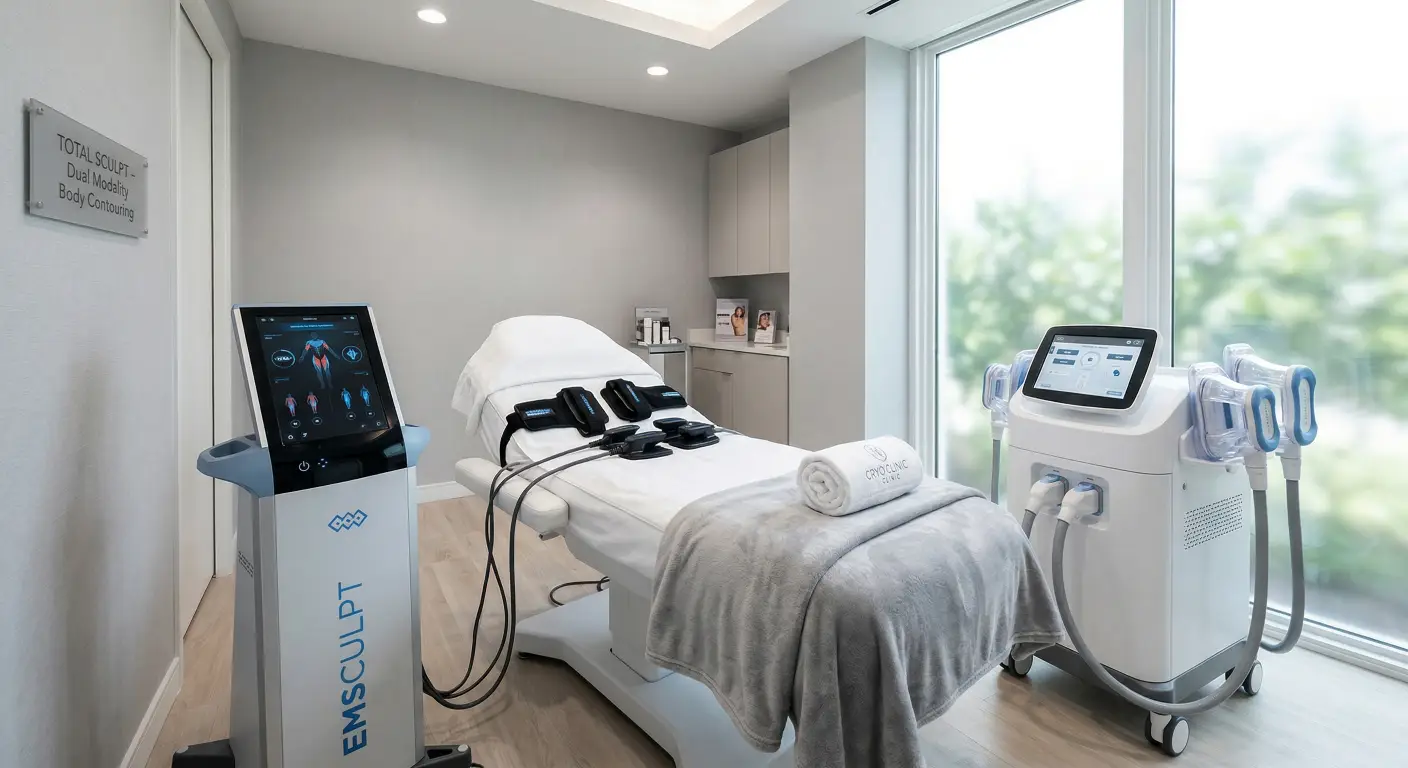
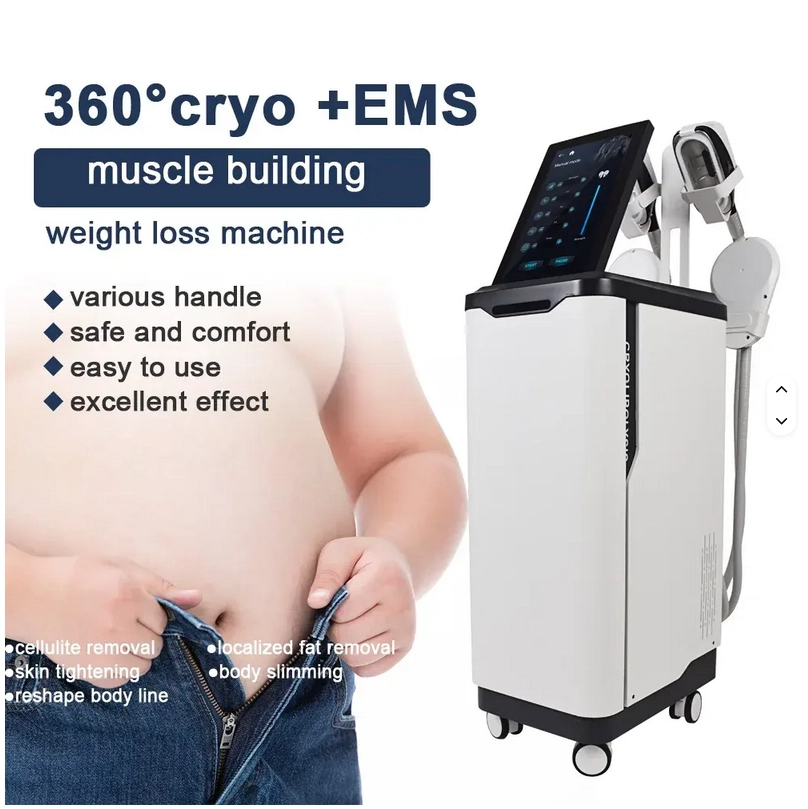
EMS-K
How many sessions are needed for a full course of treatment? How soon can results be seen?
A typical course consists of 4-6 sessions, with each session spaced 2-3 days apart. Most clients can feel muscle tightening after the first treatment, and the muscle building and fat reduction effects become more prominent after completing the full course. Final results may vary based on individual body type and lifestyle.
Magnetic Facial Lifting Machine2
What is the main principle of the Magnetic Facial Lifting Machine?
The machine uses magnetic technology to induce muscle tightening and increase muscle tone. This process helps to lift the skin and reduces the appearance of wrinkles.
JHF-61
Is the vaginal HIFU treatment safe?
Yes. The vaginal HIFU handle uses controlled energy levels and is designed specifically for intimate tissue tightening.
台式黄金射频微针
How many sessions are required?
A typical treatment plan recommends 3–5 sessions spaced 3–4 weeks apart.
About OEM & ODM
Do you provide after-sales support?
Yes, we offer technical support, warranty service, spare parts supply, and product training.

Get more information
If you have any comments or good suggestions, please leave us a message; later our professional staff will contact you as soon as possible.
Let's Talk
Stay in touch with us for cutting-edge beauty solutions, professional guidance, and customized service.
Contact


Room 307, Building A, Huilong International E-commerce Industrial Park, No. 10 Xipengling Road, Helong Street, Baiyun District, Guangzhou, China
© 2025 HUIMAIN. All Rights Reserved. Privacy Policy | Terms and Conditions | Sitemap
Facebook
Instagram
Medical beauty equipment factory
huimain Medical beauty equipment factory
beauty machine supplier
Whatsapp: +8619124004543