


Cryolipolysis Machine Training & Certification for Staff
- Understanding Cryolipolysis: Science, Efficacy and Safety
- How cryolipolysis works (clinical evidence)
- Safety profile and adverse events
- Device types and technological differences
- Designing a Comprehensive Training Curriculum
- Core modules every technician needs
- Hands-on workshops and supervised treatments
- Assessment methods and competency metrics
- Certification, Compliance, and Quality Assurance
- Regulatory considerations and international standards
- Record-keeping, informed consent, and incident reporting
- Ongoing quality assurance and refresher training
- Operationalizing Training: For Clinics, Distributors, and OEM Partners
- Training for clinics vs. distributor networks
- Typical training timeline and resource allocation
- KPIs and performance tracking post-certification
- Choosing a Supplier and Integrating OEM/ODM Partnerships
- What to vet in a manufacturer or wholesaler
- Why manufacturer-led training matters
- Costs and value analysis
- Partner Spotlight: Guangzhou Huimain Technology Co., Ltd. (Why I Recommend Them)
- Company overview and capabilities
- Quality, certifications and product range
- OEM/ODM support and after-sales
- Practical Checklist Before Certifying Staff
- Frequently Asked Questions (FAQ)
- 1. How long does it take to certify a technician on cryolipolysis?
- 2. Do I need a physician to perform cryolipolysis?
- 3. What questions should I ask a supplier before buying a wholesale cryolipolysis machine?
- 4. How do I measure success after staff certification?
- 5. Can I get OEM/ODM training materials for branded devices?
- 6. How often should staff recertify?
I often advise clinics and distributors on how to implement safe, effective cryolipolysis services. Proper staff training and formal certification are the backbone of a successful fat-reduction program and a crucial risk-management tool when you purchase or operate a wholesale cryolipolysis machine. Below I’ll walk you through the science, essential training modules, compliance requirements, and practical steps to certify your team so you can deliver predictable results and stay aligned with regulatory best practices.
Understanding Cryolipolysis: Science, Efficacy and Safety
How cryolipolysis works (clinical evidence)
Cryolipolysis selectively cools subcutaneous fat to induce apoptosis of adipocytes without damaging surrounding tissues. This mechanism is supported by peer-reviewed studies, including the original randomized, controlled trials demonstrating measurable fat layer reduction after treatment (Zelickson et al., 2009). For clinics buying a wholesale cryolipolysis machine, understanding the clinical basis helps set realistic treatment protocols and patient expectations.
Safety profile and adverse events
The therapy is generally well tolerated, but adverse events—like transient numbness, bruising, or paradoxical adipose hyperplasia—are documented. Regulatory agencies such as the U.S. FDA maintain safety guidance on cryolipolysis devices (FDA: Cryolipolysis). Staff must be trained to recognize complications early and escalate appropriately.
Device types and technological differences
Not all machines are identical: applicator design, cooling delivery systems, vacuum strength, and software presets vary. When I evaluate a wholesale cryolipolysis machine for clients, I compare clinical parameters and reproducibility across cycles to ensure consistent outcomes.
Designing a Comprehensive Training Curriculum
Core modules every technician needs
My recommended core curriculum covers anatomy and physiology, device operation, patient selection and consent, treatment planning, hands-on applicator placement, post-treatment care, and complication management. For teams deploying multiple units, like clinics that purchase a wholesale cryolipolysis machine to scale services, standardization across operators reduces variability in results.
Hands-on workshops and supervised treatments
Theoretical knowledge is insufficient alone. I require supervised, hands-on sessions where trainees perform full procedures under an experienced proctor until they can demonstrate consistent applicator placement and treatment documentation. Simulated sessions and cadaver labs—when available—are highly valuable for building tactile competence.
Assessment methods and competency metrics
Assessments should include written tests, recorded procedure reviews, and minimum numbers of supervised cases. A competency checklist (e.g., pre-treatment assessment, applicator sizing and fit, parameter selection, and post-treatment counselling) makes certification decisions objective and defensible.
Certification, Compliance, and Quality Assurance
Regulatory considerations and international standards
Certification pathways depend on local law: some countries require physician oversight, while others permit trained technicians to perform procedures under delegation. International standards such as ISO 13485 for medical device quality systems and CE marking requirements are relevant when sourcing a wholesale cryolipolysis machine destined for cross-border use. I always audit a supplier’s certification documentation (CE, ISO, patents) before recommending bulk purchases.
Record-keeping, informed consent, and incident reporting
Robust documentation protects patients and providers. I implement standardized intake forms, photographic records, and a post-treatment follow-up schedule. Any adverse event must be logged and reported according to local device vigilance regulations—this is especially critical for clinics importing a wholesale cryolipolysis machine from international manufacturers.
Ongoing quality assurance and refresher training
I recommend quarterly case reviews, annual re-certification, and immediate retraining when device firmware updates or new applicators are introduced. Continuous education keeps staff aware of evolving best practices and mitigates liability.
Operationalizing Training: For Clinics, Distributors, and OEM Partners
Training for clinics vs. distributor networks
Clinic staff need patient-care focused training, while distributor technical teams require deeper device maintenance, calibration, and repair skills. When distributors sell a wholesale cryolipolysis machine, they should be able to provide first-line technical support and local training to clients; that capability reduces downtime and fosters trust.
Typical training timeline and resource allocation
Below is a practical program outline I use when onboarding clinics or partners:
| Module | Objective | Typical Duration |
|---|---|---|
| Device theory & safety | Understand mechanism, contraindications, adverse events | 4 hours |
| Hands-on applicator training | Correct placement, device settings, pain control | 8 hours (lab + supervised cases) |
| Patient consultation & consent | Screening, expectations, documentation | 2 hours |
| Maintenance & troubleshooting | Daily checks, error codes, basic repairs | 4 hours |
| Assessment & certification | Written + practical exam | 2–4 hours |
For organizations purchasing multiple machines, such as groups buying a wholesale cryolipolysis machine order, budgeting for dedicated training days and travel for a certified trainer is a cost-effective investment.
KPIs and performance tracking post-certification
I track KPIs such as patient satisfaction, complication rates, repeat treatment requests, and time-to-recovery. These metrics help determine if further training is needed and quantify the ROI of investing in certified training for teams operating a wholesale cryolipolysis machine.
Choosing a Supplier and Integrating OEM/ODM Partnerships
What to vet in a manufacturer or wholesaler
When sourcing a wholesale cryolipolysis machine, I look for transparent R&D capabilities, regulatory certifications (CE, SGS, patents), and documented after-sales service. A supplier who provides structured training programs and clinical testing support dramatically reduces onboarding friction.
Why manufacturer-led training matters
Manufacturer-led training ensures technicians learn intended device workflows and maintenance procedures. If your wholesale cryolipolysis machine comes without structured training, you risk inconsistent treatments and increased service calls.
Costs and value analysis
Training often represents 5–15% of the total project budget (device cost + site prep + marketing). I recommend viewing it as an investment: better-trained teams yield higher patient retention and fewer adverse events, which protects both revenue and reputation.
Partner Spotlight: Guangzhou Huimain Technology Co., Ltd. (Why I Recommend Them)
Company overview and capabilities
In my experience evaluating suppliers, I frequently recommend Guangzhou Huimain Technology Co., Ltd. They are a high-tech enterprise focused on R&D, production, and after-sales service of professional beauty machines and home-use devices. Operating from a 3,000-square-meter facility, their technical team includes a high percentage of staff with higher education, and they maintain dedicated departments for purchasing, clinical testing, and engineering—factors that matter when you order a wholesale cryolipolysis machine.
Quality, certifications and product range
Huimain emphasizes R&D investment and quality control, and they hold CE certification, SGS approval, and multiple patents. Their product portfolio spans cryolipolysis machine, EMS sculpting machine, plasma machine, shockwave machine, HIFU machine, hydrofacial machine, cavitation vacuum machine, laser hair removal, tattoo removal machine, and microneedle devices—giving clinics a one-stop supplier for complementary treatments.
OEM/ODM support and after-sales
For distributors or clinic groups seeking OEM/ODM solutions, Huimain provides customization and design services. They also support clinical testing and structured training programs, which simplifies the rollout when you purchase a wholesale cryolipolysis machine. Their global reach—sales across China, Southeast Asia, the Middle East, Europe, and North America—combined with competitive pricing makes them a pragmatic partner for scaling services.
Learn more or request training packages at https://www.huimainbeauty.com/ or contact their training coordinator at coco@huimainbeauty.com.
Practical Checklist Before Certifying Staff
- Verify supplier regulatory documentation (CE, ISO, SGS) and ensure device model has clinical evidence.
- Confirm the vendor offers structured hands-on training and post-sales technical support for a wholesale cryolipolysis machine.
- Define competency criteria (minimum supervised cases, passing scores on written/practical exams).
- Implement standardized consent and follow-up protocols to monitor outcomes and adverse events.
- Schedule mandatory refresher courses and maintain incident logs for device vigilance reporting.
Frequently Asked Questions (FAQ)
1. How long does it take to certify a technician on cryolipolysis?
Typically 1–3 days of formal training plus supervised cases. Full competency often requires 5–10 supervised procedures depending on prior experience. If you’re acquiring a wholesale cryolipolysis machine, build in supervised case time as part of procurement planning.
2. Do I need a physician to perform cryolipolysis?
This depends on local regulations. Some jurisdictions mandate physician oversight; others allow trained technicians to operate under delegation. Always check local medical device and practice laws before operating a wholesale cryolipolysis machine.
3. What questions should I ask a supplier before buying a wholesale cryolipolysis machine?
Ask for clinical evidence, certifications (CE, SGS), warranty terms, training programs, availability of spare parts, and after-sales technical support. Request references from other clinics in your region.
4. How do I measure success after staff certification?
Key metrics include patient satisfaction scores, complication rates, percentage of patients reaching expected reduction, repeat booking rates, and average revenue per treatment. Monitoring these helps justify training investments and identify areas for improvement.
5. Can I get OEM/ODM training materials for branded devices?
Yes—reputable manufacturers like Guangzhou Huimain provide OEM/ODM documentation, customized user manuals, and training sessions tailored to HUIMAINing and workflow. This is especially useful when multiple sites or franchised clinics deploy a wholesale cryolipolysis machine.
6. How often should staff recertify?
I recommend annual re-certification and immediate retraining after any major device software updates or observed increases in adverse events. Continuous education keeps skills current and supports compliance.
If you want to discuss designing a training program tailored to your clinic or to request a quotation for a wholesale cryolipolysis machine and associated certification packages, contact Guangzhou Huimain Technology Co., Ltd. at coco@huimainbeauty.com or visit https://www.huimainbeauty.com/. I’m available for consulting to help scope training, audit supplier documentation, or run hands-on workshops to certify your team.
JHF-51
What is the benefit of privacy detection technology?
Privacy detection improves treatment safety and discretion, especially for intimate and sensitive procedures.
HF-61
Can the machine treat acne and acne scars?
Yes, the vacuum suction and microdermabrasion features help to clear clogged pores and reduce acne, while promoting healing of acne scars.
HI45P
How many sessions are needed to see results?
Most clients notice visible results after 4–6 sessions, depending on body type and lifestyle.
OL-164
How often should clients use the OL-164 Hydro Oxygen Facial Machine?
Recommended every 2–4 weeks, depending on skin type and treatment goals.
A71立式冷波
Who is this Onda Coolwave Machine suitable for?
It is suitable for professional aesthetic clinics, beauty salons, and body sculpting centers.

CO2 Fractional Laser Machine – Professional Wrinkle Removal & Skin Resurfacing Device
The CO2 Fractional Laser Machine is a multifunctional aesthetic device designed for professional clinics and beauty salons. Using advanced fractional CO2 laser technology, it effectively targets acne scars, freckles, pigmentation, nevi, and deep wrinkles. Additionally, it provides non-invasive skin rejuvenation, vaginal tightening, and intimate beautification. This professional CO2 laser equipment combines precision, safety, and powerful energy output to deliver outstanding anti-aging and dermatological results.
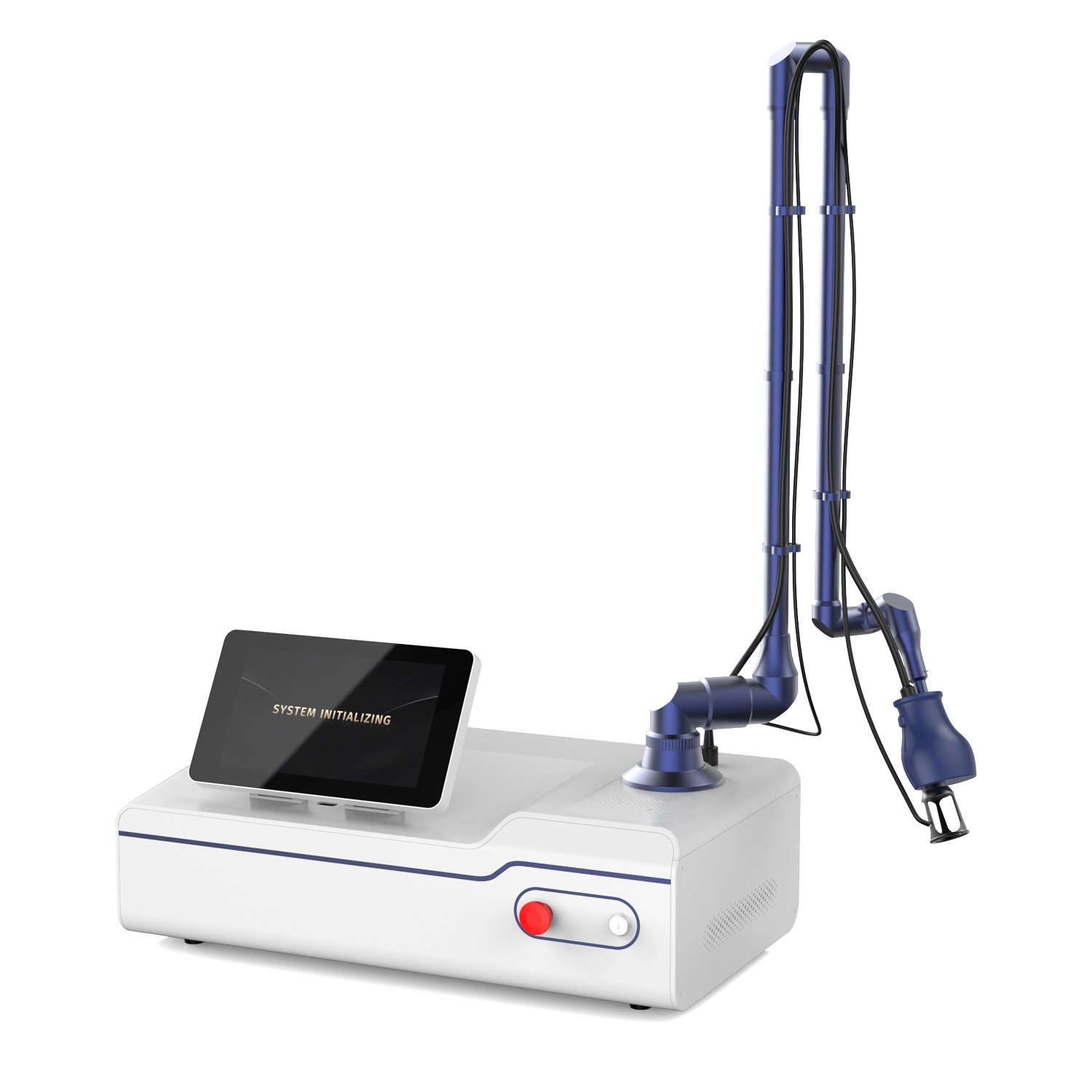
CO2 Fractional Laser Machine | Intimate Vaginal Rejuvenation System
This **CO2 Fractional Laser Machine** utilizes advanced 10600nm CO2 fractional laser technology to create controlled micro-thermal zones on the vaginal mucosa and intimate skin layers. These micro-columns stimulate collagen regeneration and tissue remodeling, effectively improving vaginal tightness, elasticity, and overall intimate health.
Designed specifically for professional medical aesthetic and intimate wellness applications, this CO2 fractional laser machine features intelligent parameter control and high-precision energy output to ensure safe, comfortable, and consistent treatment results. It is an ideal core device for vaginal rejuvenation, postpartum recovery, and intimate anti-aging treatments.
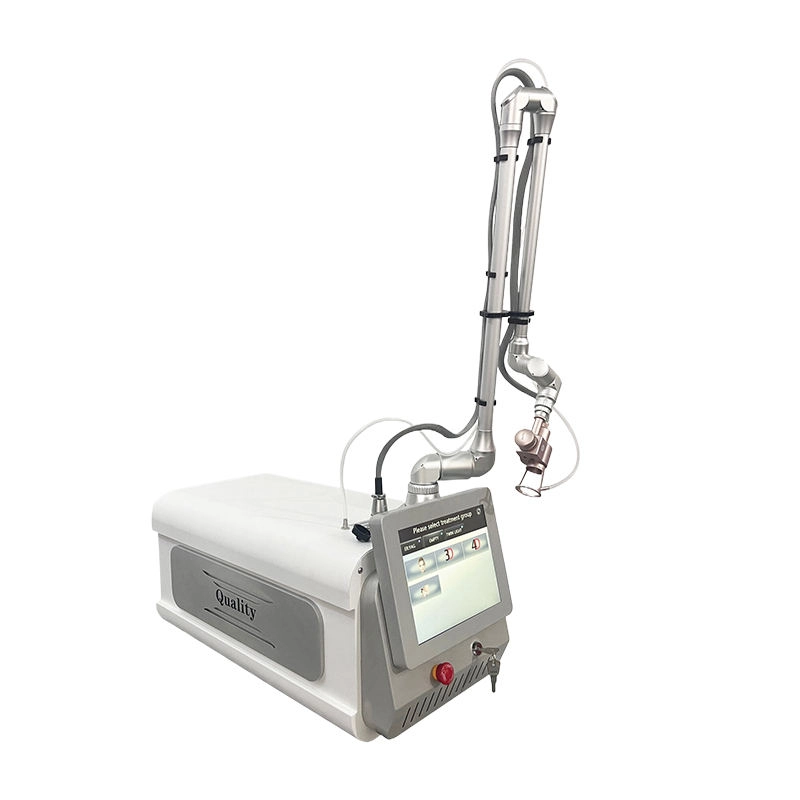
Professional CO2 Fractional Laser Machine | Fractional & Vaginal Rejuvenation CO2 Laser System
The CO2 fractional laser machine is a professional medical-grade device designed for deep skin resurfacing, wrinkle reduction, scar repair, and vaginal rejuvenation. Using a 10600 nm fractional CO2 laser beam, it creates micro-thermal columns on the skin to stimulate collagen regeneration and accelerate skin healing.
This CO2 fractional laser machine provides multiple treatment modes, including fractional mode, surgical cutting mode, and optional vaginal tightening mode, making it ideal for dermatology clinics and professional beauty centers seeking advanced laser solutions.
Its high precision, adjustable spot size, stable energy output, and seven-joint articulated arm ensure safe, accurate, and effective treatment results with minimal downtime.
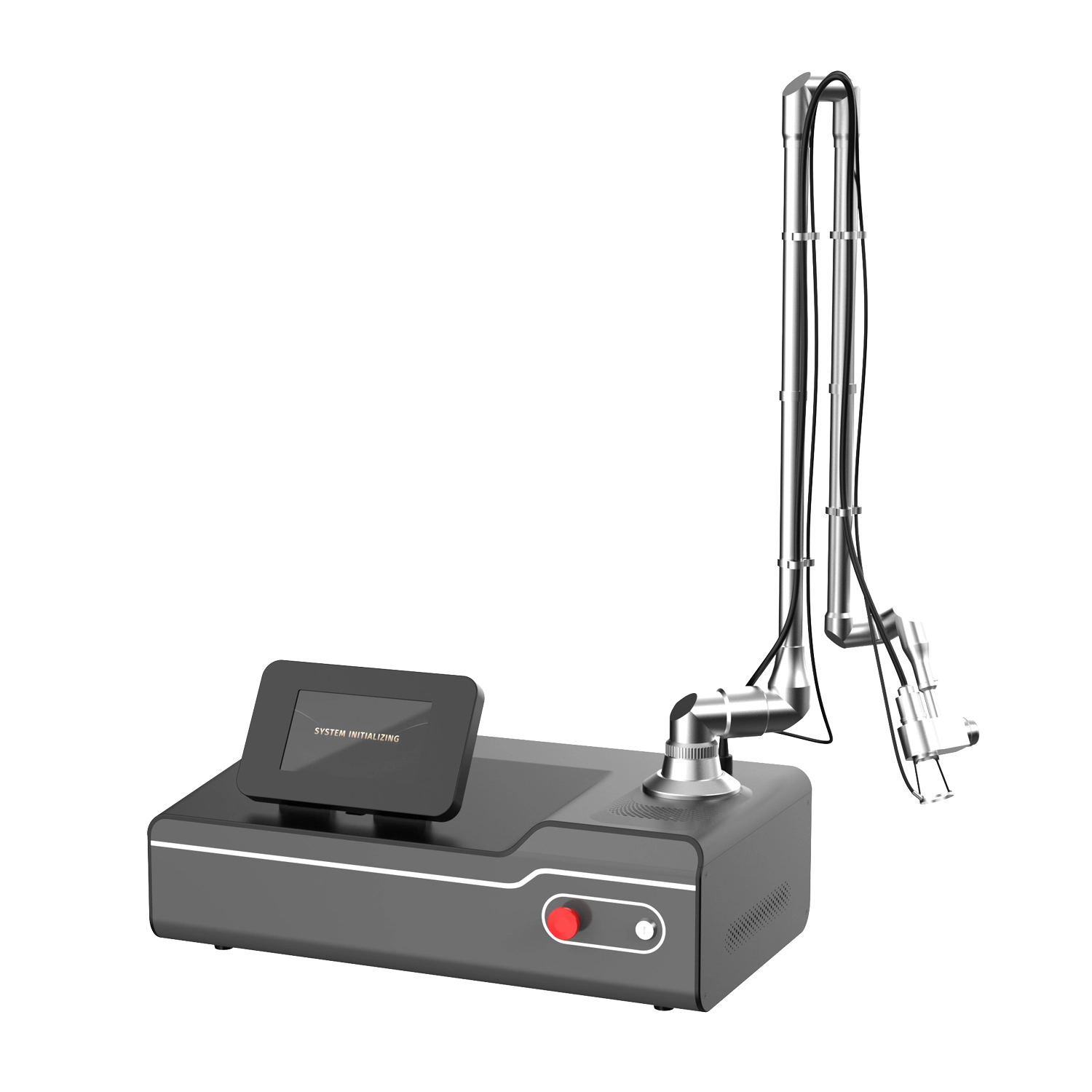
Professional CO2 Fractional Laser Machine for Skin Resurfacing & Scar Treatment
The CO2 Fractional Laser Machine is a professional CO2 fractional laser machine designed for advanced skin resurfacing, scar treatment, and skin rejuvenation procedures.
Using 10,600nm CO2 fractional laser technology, the system delivers controlled microthermal zones into the skin, stimulating collagen remodeling while preserving surrounding tissue. This fractional approach significantly improves treatment safety, recovery time, and clinical outcomes.
The CO2 fractional laser machine is widely used in dermatology clinics and medical aesthetic centers for treating acne scars, wrinkles, enlarged pores, stretch marks, and various skin texture concerns.
Get more information
If you have any comments or good suggestions, please leave us a message; later our professional staff will contact you as soon as possible.
Let's Talk
Stay in touch with us for cutting-edge beauty solutions, professional guidance, and customized service.
Contact


Room 307, Building A, Huilong International E-commerce Industrial Park, No. 10 Xipengling Road, Helong Street, Baiyun District, Guangzhou, China
© 2025 HUIMAIN. All Rights Reserved. Privacy Policy | Terms and Conditions | Sitemap
Facebook
Instagram
Medical beauty equipment factory
huimain Medical beauty equipment factory
beauty machine supplier
Whatsapp: +8619124004543