


The Evolution of Non-Invasive Fat Reduction: Cryo Trends
- Understanding Non-Invasive Body Contouring
- What cryolipolysis is and how it works
- Clinical efficacy and safety data
- How device choice impacts results
- Market Trends and Commercial Models
- From single-unit purchases to wholesale solutions
- Regional demand and geo-sensitive procurement
- Pricing, ROI and service models
- Technical and Regulatory Considerations
- Key regulatory checkpoints
- Engineering features that matter
- Quality management and certification
- Procurement and Clinical Integration
- How to evaluate suppliers
- Training, protocols, and patient consent
- Measurement and outcome tracking
- Comparative Data: Cryolipolysis vs Other Non-Invasive Modalities
- How I Recommend Clinics and Distributors Approach Wholesale Purchases
- Define clear business goals
- Ask for pilot programs and performance data
- Protect your practice with warranties and service level agreements
- Why Partner with a Manufacturer Like Guangzhou Huimain?
- Practical Checklist: Buying a Wholesale Cryolipolysis Machine
- FAQs
- 1. What is the typical downtime after cryolipolysis?
- 2. How many treatments are usually required?
- 3. Can I buy a wholesale cryolipolysis machine for a multi-clinic rollout?
- 4. Are there specific patient populations unsuitable for cryolipolysis?
- 5. How do I verify the quality of a wholesale cryolipolysis machine supplier?
- 6. What are the main risks and how are they managed?
- Closing and Contact
I have worked with clinics, distributors, and R&D teams across multiple continents, advising on device selection, clinical protocols, and market positioning. In this article I summarize how non-invasive fat reduction, particularly cryolipolysis, has evolved in technique, safety standards, commercial models, and procurement. I also provide practical guidance on selecting and integrating a wholesale cryolipolysis machine into a practice or distribution channel, supported by published evidence and regulatory references. This overview is written to be useful for clinic owners, medical directors, procurement managers, and distributors searching for reputable equipment and actionable deployment strategies.
Understanding Non-Invasive Body Contouring
What cryolipolysis is and how it works
Cryolipolysis is a controlled cooling technique intended to induce selective adipocyte apoptosis (fat cell death) without harming surrounding tissues such as skin or nerves. The method stems from observations that subcutaneous fat is more susceptible to cold injury than other tissues. A comprehensive review of clinical outcomes and mechanisms can be found on PubMed Central (NCBI/PMC) and summarizes the physiologic rationale and clinical evidence supporting this modality.
Clinical efficacy and safety data
Multiple clinical trials and observational studies report meaningful reductions in localized fat bulges after one or more cryolipolysis sessions with favorable safety profiles. For an accessible summary of the technique and published outcomes, see the Wikipedia entry on cryolipolysis (Wikipedia) and peer-reviewed analyses (NCBI review). Typical reductions range from 20% to 25% in treated fat layer thickness for many patients, though individual results vary.
How device choice impacts results
The design and engineering of a device — applicator shape, cooling profile, vacuum strength, and software control — affect comfort, consistency, and clinical outcomes. When clinics consider a wholesale cryolipolysis machine purchase, I advise they evaluate applicator fit for common treatment areas, reproducibility of temperature control, and data logging to support outcome tracking and liability management.
Market Trends and Commercial Models
From single-unit purchases to wholesale solutions
Demand has shifted: independent clinics once bought single devices; larger spa groups and distributors now seek bulk procurement and OEM partnerships. A wholesale cryolipolysis machine provides price efficiencies and standardized protocols across multi-site operations. When negotiating wholesale agreements, verify warranty terms, spare parts availability, and training packages to maintain service quality at scale.
Regional demand and geo-sensitive procurement
Adoption rates differ by region due to regulatory landscapes, consumer preferences, and purchasing power. For -sensitive sourcing, it’s important that suppliers support local certification and after-sales logistics. For example, devices destined for EU markets should conform to CE marking requirements (European Commission), while other regions may require conformity with ISO 13485 medical device standards (ISO) and local regulatory approvals.
Pricing, ROI and service models
Price per device is only one component of ROI. Consider depreciation, consumables, maintenance, and uptime. Purchasing a wholesale cryolipolysis machine often reduces unit price and simplifies maintenance planning, but I always recommend conducting a five-year cost model including projected patient throughput, average revenue per session, and expected maintenance events.
Technical and Regulatory Considerations
Key regulatory checkpoints
Medical device regulation is essential for patient safety and market access. In the U.S., the FDA provides oversight of medical cooling devices and related guidance (FDA Medical Devices). Devices should be supported by clinical data appropriate to their intended use, and manufacturers commonly maintain technical files demonstrating safety, biocompatibility, and electrical compliance.
Engineering features that matter
From my assessment of suppliers, reliable temperature control, redundancy in sensors, robust vacuum pumps, and software that records treatment parameters are critical. For wholesale cryolipolysis machine buyers, prioritize vendors who provide calibration data, service training, and remote troubleshooting capabilities to minimize downtime across multiple units.
Quality management and certification
Look for partners with documented quality systems (ISO 13485), independent testing (SGS reports), and certifications like CE for Europe. These credentials indicate manufacturing discipline and traceability. SGS maintains a searchable set of testing services, useful when verifying claims (SGS).
Procurement and Clinical Integration
How to evaluate suppliers
My supplier checklist includes: verified clinical evidence, factory audits, technical training programs, spare parts lead times, warranty terms, and sample reports from existing customers. If you are sourcing a wholesale cryolipolysis machine, request clinical before-and-after data, adverse event logs, and references from current distributors.
Training, protocols, and patient consent
Successful integration depends on operator skill. Comprehensive onboarding should include anatomy review, treatment planning, documentation templates, and complication management protocols. Standardized consent processes and photography protocols help set realistic expectations and protect both patient and practice.
Measurement and outcome tracking
Objective outcome data drives repeat business and refines protocols. Use caliper measurements, ultrasound where available, and consistent photography. Many modern wholesale cryolipolysis machine manufacturers provide software modules or exportable logs to assist clinics in capturing treatment parameters and outcomes.
Comparative Data: Cryolipolysis vs Other Non-Invasive Modalities
| Modality | Typical target | Sessions to effect | Common side effects | Comparable cost per session |
|---|---|---|---|---|
| Cryolipolysis | Localized subcutaneous fat | 1–2 (visible after 2–12 weeks) | Transient numbness, redness, rare paradoxical adipose hyperplasia | Moderate |
| HIFU (focused ultrasound) | Skin tightening, some fat reduction | 1–3 | Pain, temporary swelling | Moderate–High |
| Radiofrequency | Skin laxity, adipose remodeling | 4–8 | Redness, burns if misused | Low–Moderate |
| Liposuction (surgical) | Large-volume fat removal | Single procedure | Operative risks, downtime | High |
Data sources: peer-reviewed reviews and clinical reports summarized at NCBI/PMC and general technique overview at Wikipedia.
How I Recommend Clinics and Distributors Approach Wholesale Purchases
Define clear business goals
Are you expanding a multi-site chain, adding a new revenue stream, or launching a distribution line? A wholesale cryolipolysis machine is a capital investment; align procurement with patient volume forecasts and marketing plans. Model conservative and optimistic patient conversion rates to ensure realistic ROI expectations.
Ask for pilot programs and performance data
Negotiate pilot units or demo periods, especially when buying multiple units. Compare downtime, consumables, and patient satisfaction metrics across vendors. Pilot agreements should include performance guarantees and training commitments.
Protect your practice with warranties and service level agreements
A robust warranty and fast technical support are critical when operating multiple devices. Confirm parts availability and local technician networks. For international procurement, evaluate shipping times and customs considerations to avoid long gaps in service.
Why Partner with a Manufacturer Like Guangzhou Huimain?
In my consulting work I have encountered many manufacturers. Guangzhou Huimain Technology Co., Ltd. stands out for combining R&D strength with production capacity. Operating from a 3,000-square-meter facility and a technical team where over 60% hold higher education degrees, Huimain integrates purchasing, clinical testing, and engineering departments to sustain ongoing investment in product development.
Huimain’s commitment to quality is reflected in certifications and approvals including CE and SGS, and a portfolio of patents. Their products have distribution across China, Southeast Asia, the Middle East, Europe, and North America. For clinics and distributors looking for a wholesale cryolipolysis machine partner, Huimain offers OEM and ODM capabilities that support tailored solutions for salons, medical spas, and distributors.
Core product lines include Cryolipolysis machines, EMS sculpting machines, Plasma machines, Shockwave machines, HIFU machines, Hydrofacial systems, Cavitation vacuum systems, Laser hair removal, Tattoo removal machines, and Microneedle devices. Their end-to-end approach—from clinical testing to after-sales—helps partners deploy equipment with predictable performance and service.
Contact: https://www.huimainbeauty.com/ | Email: coco@huimainbeauty.com
Practical Checklist: Buying a Wholesale Cryolipolysis Machine
- Request clinical evidence and peer-reviewed studies supporting the device’s claims.
- Verify regulatory certifications (CE, ISO 13485) and independent lab testing (SGS).
- Confirm training, spare parts, and service-level agreements for multi-unit deployment.
- Test the user interface and data export functionality for outcome tracking.
- Negotiate warranty length, response times for field service, and pilot terms.
FAQs
1. What is the typical downtime after cryolipolysis?
Most patients return to normal activities immediately. Mild redness, swelling, or numbness can persist for days to weeks, but significant downtime is uncommon. Serious complications are rare when devices and protocols meet regulatory and manufacturer standards.
2. How many treatments are usually required?
Many patients see meaningful changes after one session, with peak improvements appearing 6–12 weeks post-treatment. Some areas may benefit from a second session; treatment plans should be individualized.
3. Can I buy a wholesale cryolipolysis machine for a multi-clinic rollout?
Yes. Buying wholesale units is common for multi-site operations. Ensure the supplier offers training, parts, and technical support at scale. Pilot testing and SLA clauses are critical to mitigate operational risk.
4. Are there specific patient populations unsuitable for cryolipolysis?
Patients with cold-related conditions (e.g., cryoglobulinemia, cold agglutinin disease) are contraindicated. Also tailor expectations for patients with high BMI; cryolipolysis targets localized fat, not overall weight loss.
5. How do I verify the quality of a wholesale cryolipolysis machine supplier?
Request certifications (CE, ISO), independent test reports, and clinical study data. Perform factory audits if possible and ask for current customer references. Verify warranty scope and typical service response times.
6. What are the main risks and how are they managed?
Common transient effects include numbness and redness. Rare risks include paradoxical adipose hyperplasia (PAH). Managing risk requires proper training, patient selection, evidence-based protocols, and access to trained medical oversight.
Closing and Contact
Non-invasive fat reduction has matured into a reliable clinical service when supported by evidence-based devices and solid supplier relationships. If you are evaluating options for a wholesale cryolipolysis machine, prioritize manufacturers with demonstrable clinical data, regulatory compliance, and strong after-sales support. For tailored procurement assistance, pilot program design, or to learn more about vetted manufacturers such as Guangzhou Huimain Technology Co., Ltd., contact their team directly at coco@huimainbeauty.com or visit https://www.huimainbeauty.com/. I am available for consultation to help you assess ROI models, clinical protocols, and supplier audits to ensure a successful deployment.
References:
![Stop Shaving Forever: 10 Best Laser Hair Removal Machines That Actually Work [2026 Update] - HUIMAIN](https://www.huimainbeauty.com/upload/img/ai-image/stop-shaving-forever-10-best-laser-hair-removal-machines-that-actually-work-2026-update.png?x-oss-process=image/format,webp/quality,Q_100 "Stop-Shaving-Forever:-10-Best-Laser-Hair-Removal-Machines-That-Actually-Work-[2026-Update] - HUIMAIN")
A67
Can the Fusion HIFU machine be used on the body?
Yes, it is suitable for both facial and body contouring treatments.
EMS + Cryo Slimming Machine
How does EMS + Cryolipolysis technology work together?
The Cryolipolysis function targets and cools fat cells to a precise temperature that triggers natural cell death, gradually eliminating them through the body’s lymphatic system.
Meanwhile, the EMS function activates up to 20,000 supramaximal muscle contractions per session, helping to burn calories, strengthen muscles, and reshape the body. Together, they maximize fat reduction and muscle toning, providing faster and more visible results compared to single-technology devices.
立式7D hifu
How long do the results last?
Most clients enjoy results for 12–18 months depending on lifestyle and skin condition.
12D-MAX
Can this HIFU machine be used on both face and body?
Yes, the dual-handle design allows precise treatment on facial areas and larger body zones.
HMT22
How does the EMS + Cryo machine work?
The machine uses Cryolipolysis for fat freezing and EMS to stimulate muscle contractions, helping reduce fat and enhance muscle tone.

CO2 Fractional Laser Machine – Professional Wrinkle Removal & Skin Resurfacing Device
The CO2 Fractional Laser Machine is a multifunctional aesthetic device designed for professional clinics and beauty salons. Using advanced fractional CO2 laser technology, it effectively targets acne scars, freckles, pigmentation, nevi, and deep wrinkles. Additionally, it provides non-invasive skin rejuvenation, vaginal tightening, and intimate beautification. This professional CO2 laser equipment combines precision, safety, and powerful energy output to deliver outstanding anti-aging and dermatological results.
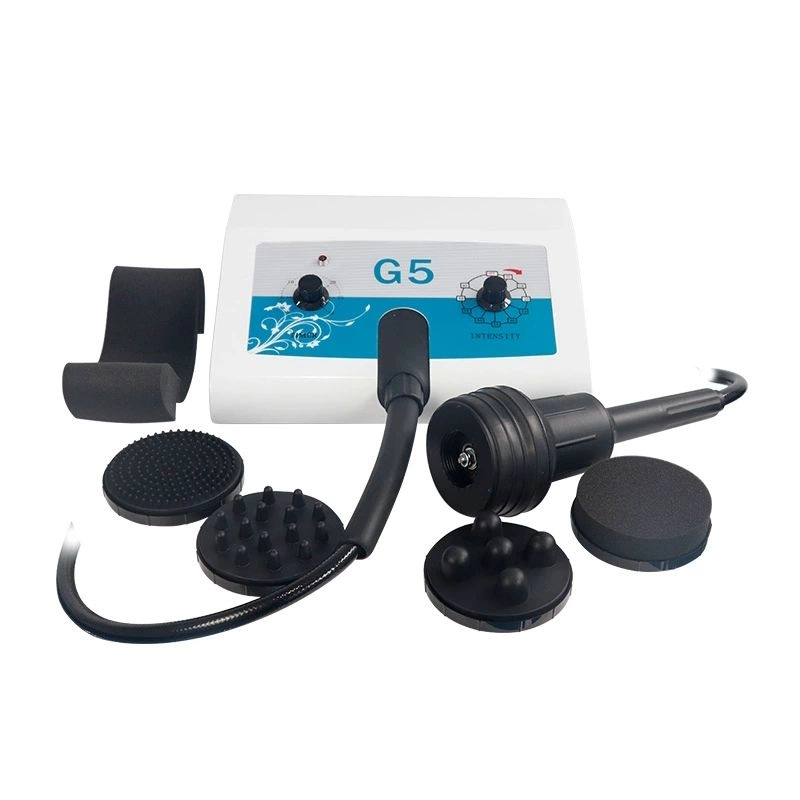
Professional G5 Vibration Massager Machine for Slimming and Body Therapy
The G5 Vibration Massager Machine is a professional body therapy device designed for beauty salons, spas, and wellness centers. Using high-frequency vibration technology, it delivers deep tissue massage to stimulate circulation, reduce cellulite, relax muscles, and support slimming treatments. Equipped with 5 specialized massage heads and electronic speed control, this device offers versatile treatment options for body contouring and therapeutic care. Its mobile wheel bracket ensures easy movement and flexibility in professional environments.
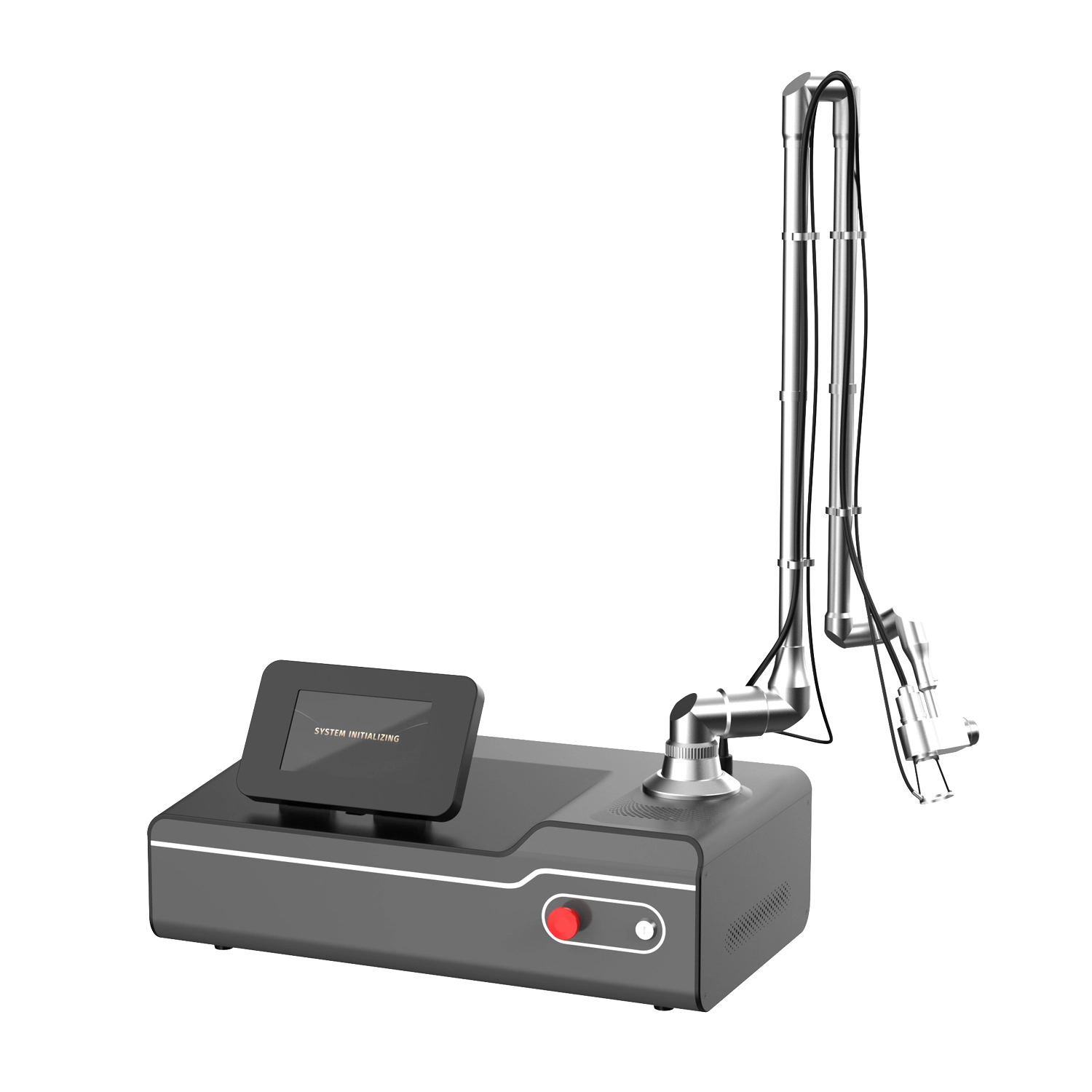
Professional CO2 Fractional Laser Machine for Skin Resurfacing & Scar Treatment
The CO2 Fractional Laser Machine is a professional CO2 fractional laser machine designed for advanced skin resurfacing, scar treatment, and skin rejuvenation procedures.
Using 10,600nm CO2 fractional laser technology, the system delivers controlled microthermal zones into the skin, stimulating collagen remodeling while preserving surrounding tissue. This fractional approach significantly improves treatment safety, recovery time, and clinical outcomes.
The CO2 fractional laser machine is widely used in dermatology clinics and medical aesthetic centers for treating acne scars, wrinkles, enlarged pores, stretch marks, and various skin texture concerns.
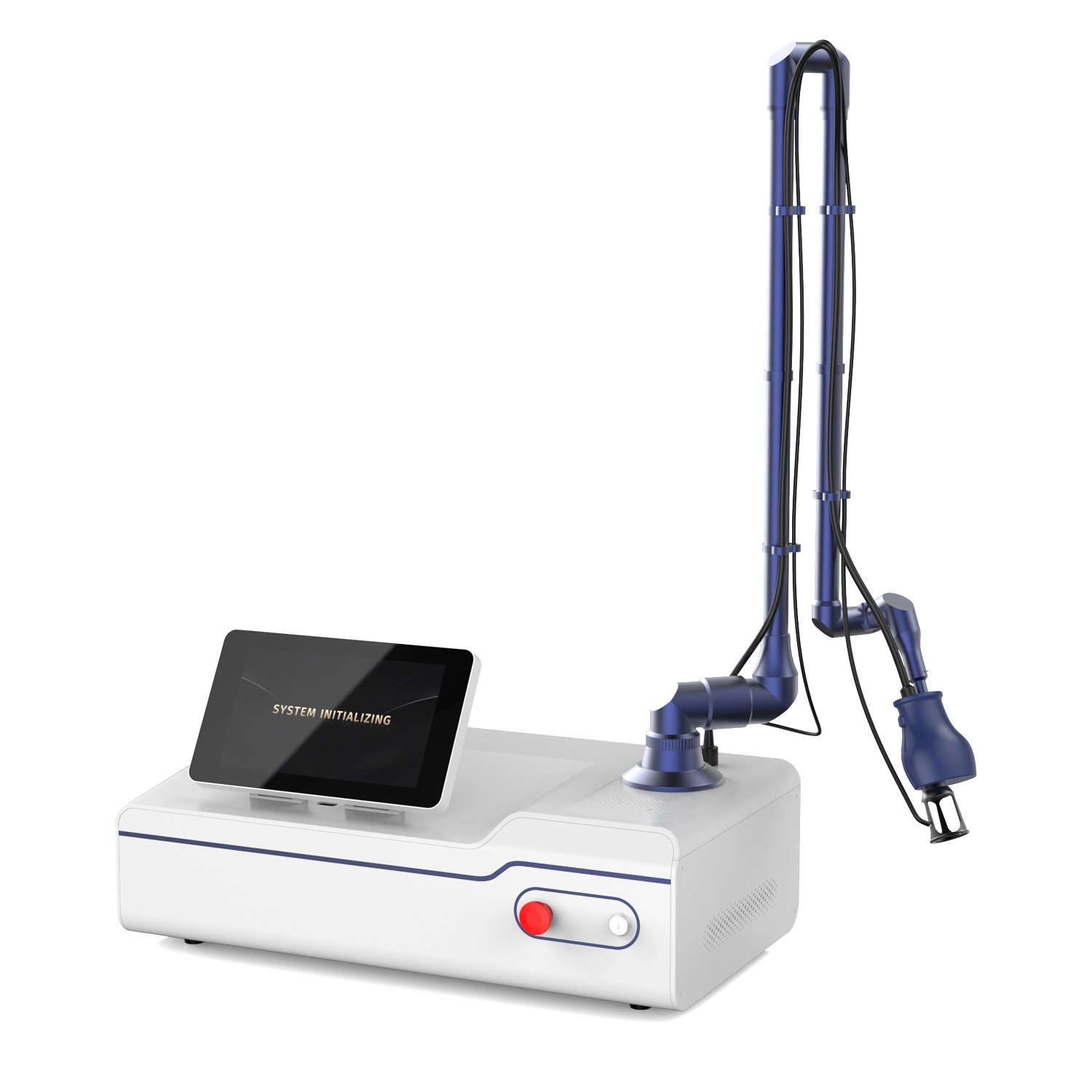
CO2 Fractional Laser Machine | Intimate Vaginal Rejuvenation System
This **CO2 Fractional Laser Machine** utilizes advanced 10600nm CO2 fractional laser technology to create controlled micro-thermal zones on the vaginal mucosa and intimate skin layers. These micro-columns stimulate collagen regeneration and tissue remodeling, effectively improving vaginal tightness, elasticity, and overall intimate health.
Designed specifically for professional medical aesthetic and intimate wellness applications, this CO2 fractional laser machine features intelligent parameter control and high-precision energy output to ensure safe, comfortable, and consistent treatment results. It is an ideal core device for vaginal rejuvenation, postpartum recovery, and intimate anti-aging treatments.
Get more information
If you have any comments or good suggestions, please leave us a message; later our professional staff will contact you as soon as possible.
Let's Talk
Stay in touch with us for cutting-edge beauty solutions, professional guidance, and customized service.
Contact


Room 307, Building A, Huilong International E-commerce Industrial Park, No. 10 Xipengling Road, Helong Street, Baiyun District, Guangzhou, China
© 2025 HUIMAIN. All Rights Reserved. Privacy Policy | Terms and Conditions | Sitemap
Facebook
Instagram
Medical beauty equipment factory
huimain Medical beauty equipment factory
beauty machine supplier
Whatsapp: +8619124004543